The Benjamin Hollywood
On Melrose Avenue in Hollywood, The Benjamin sits at the intersection of Los Angeles dining culture and serious wine programming. The address places it squarely in a neighbourhood that has oscillated between trend-driven and enduring, and the wine list is the lens through which the room earns its place in a competitive city.
Pearl is the En Primeur Club membership app — saves, bookings, and concierge access live there. Same editors, same standards.
- Address
- 7174 Melrose Ave, Los Angeles, CA 90046
- Phone
- +13238889000
- Website
- thebenjaminhollywood.com
- Directions
- Get directions
 Saves & bookings on Pearl
Melrose Avenue and the Question of Permanence
Hollywood's dining strip on Melrose Avenue has never been short of ambition. Over the decades, the stretch between Fairfax and La Brea has cycled through concepts that arrived loudly and departed quietly, which makes longevity on this block a meaningful signal in itself. The Benjamin Hollywood, at 7174 Melrose Ave, occupies a position on that continuum where the address does some of the editorial work: to persist here is to have survived the attention economy that governs Los Angeles restaurant culture more aggressively than almost any other American city.
Los Angeles dining in 2024 operates across a wide tier structure. At the leading sit omakase counters and tasting-menu rooms, places like Hayato for Japanese kaiseki and Somni for progressive tasting formats, both commanding $300-plus per head before wine. Below that, a densely contested middle tier runs from serious a la carte destinations like Kato and Osteria Mozza down to neighbourhood anchors. The Benjamin sits in this broader Los Angeles conversation.
The Wine List as the Room's Argument
In cities where the dining tier structure is as compressed as Los Angeles, the wine program often becomes the clearest differentiator between a restaurant that is merely good and one that rewards repeat visits. A cellar with genuine depth, curated with editorial conviction rather than checkbox completeness, signals something about how a kitchen takes itself seriously. It tells you whether the room has been built to accommodate a single visit or a relationship.
The pattern visible at the upper end of the Los Angeles market is instructive. Providence, the long-running Contemporary Seafood destination in Hollywood, has maintained one of the city's most respected wine programs alongside its Michelin recognition precisely because the cellar and the kitchen evolved in dialogue. Further north in the American fine dining circuit, The French Laundry in Napa and Single Thread Farm in Healdsburg have made wine curation inseparable from the overall proposition. At Le Bernardin in New York City, the sommelier program functions as a second kitchen, with the cellar treated as a production department rather than an afterthought.
What these rooms share is a belief that the wine list is an argument about what the restaurant values. A deep cellar with strong Burgundy and Champagne representation, or a California-focused list that reaches beyond the obvious Napa Cabernets into Santa Barbara Pinot and Sonoma Coast Chardonnay, tells a reader something about the intellectual position of the room. The absence of that argument, or the presence of a generic list assembled to cover categories rather than express a point of view, tends to correlate with a kitchen that is similarly uncommitted.
Hollywood's Dining Geography
The Melrose corridor sits between West Hollywood to the west and Silver Lake to the east, which means it draws from overlapping guest profiles: industry professionals, design-conscious locals, and visitors who use the neighbourhood as a base for accessing both the Westside and the east side. This geographic position has historically made Melrose restaurants generalist in their appeal, which cuts both ways. It gives a restaurant access to a broad audience, but it also means the room must hold up to scrutiny from guests who have eaten across the full range of what Los Angeles offers.
Comparable cities show how this mid-strip geography works. In San Francisco, the Mission District functions similarly, as a corridor where serious restaurants must compete with neighbourhood loyalty and trend-driven foot traffic simultaneously. Lazy Bear in San Francisco resolved this tension by committing fully to a format, the communal tasting-menu supper club, that made location secondary to reservation. In Chicago, Alinea operates in Lincoln Park rather than obvious fine dining district, and the quality of the experience has made the address irrelevant. The lesson, consistently, is that format discipline and cellar depth matter more than postcode in a city where dining culture is sophisticated enough to travel for the right room.
Placing The Benjamin in the American Fine Dining Conversation
Across the American fine dining tier, restaurants that have sustained reputations over multiple years tend to share a few structural features: a clear point of view on food style, a wine program with identifiable curatorial logic, and a front-of-house operation that treats the booking and arrival experience as part of the proposition rather than an administrative function. This is the standard against which Addison in San Diego, the only California restaurant outside Napa to hold three Michelin stars, has built its reputation. It is also the framework that separates The Inn at Little Washington and Bacchanalia in Atlanta from restaurants that simply occupy similar price points without earning the loyalty that drives repeat visits.
For rooms at the intersection of neighbourhood accessibility and serious dining ambition, the wine list is often where the clearest investment signal appears. A sommelier-driven program with genuine depth in specific regions, whether Rhone, Burgundy, or California's emerging cool-climate appellations, suggests a room that has made considered choices rather than assembled a list by category. In the context of a city like Los Angeles, where the competition runs from Kato's New Taiwanese precision to the progressive formats at Somni, that kind of commitment to curation is a meaningful differentiator.
For comparative context on what serious wine programming looks like at peer level internationally, 8 1/2 Otto e Mezzo Bombana in Hong Kong has maintained one of Asia's most respected Italian wine cellars, and Atomix in New York City has brought a similarly disciplined approach to Korean fine dining, with a beverage program that matches the kitchen's ambition. In New Orleans, Emeril's built its reputation partly on a cellar that extended well beyond what the local market expected. And in the farm-to-table tradition, Blue Hill at Stone Barns in Tarrytown has made the wine list an extension of its agricultural philosophy, sourcing from producers whose growing practices align with the kitchen's values.
Planning a Visit
The Benjamin Hollywood is located at 7174 Melrose Ave, Los Angeles, CA 90046, on a stretch of Melrose that has consistent street parking and is accessible from the 101 via the Highland or Vine exits. Visitors coming from the Westside should allow time for Melrose traffic, particularly on weekend evenings when the corridor draws significant foot traffic.
Where It Fits
Comparable venues nearby, for context on price, style, and recognition.
| Venue | Cuisine | Price | Notes |
|---|---|---|---|
| The Benjamin HollywoodThis venue — the venue you are viewing | Classic American | $$$ | Not listed |
| THE Blvd Restaurant and Lounge | California-style American | $$$ | Beverly Hills |
| Cara Cara | Seasonal California Rooftop Cuisine | $$$ | Downtown |
| Backbone | Contemporary American with French, Spanish, and Asian Influences | $$$ | Glendale |
| Alley on vermont | Modern Steakhouse | $$$ | Los Feliz |
| Joyce | Modern Southern Seafood | $$$ | Financial District |
Continue exploring
More in Los Angeles
Restaurants in Los Angeles
Browse all →
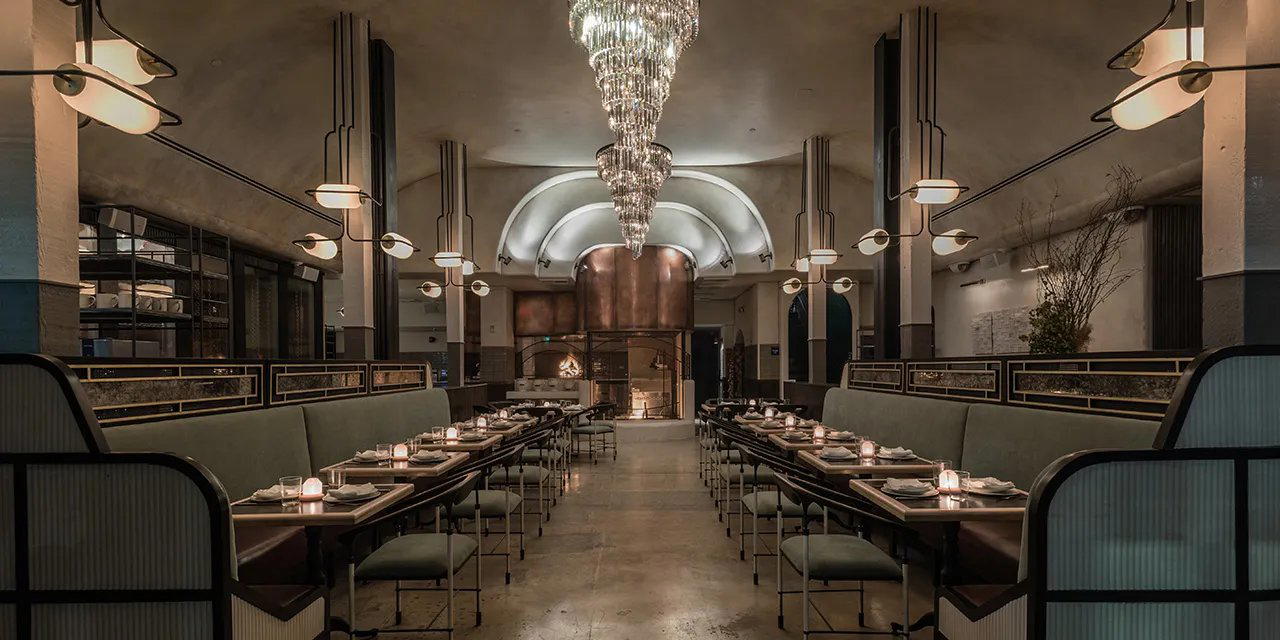
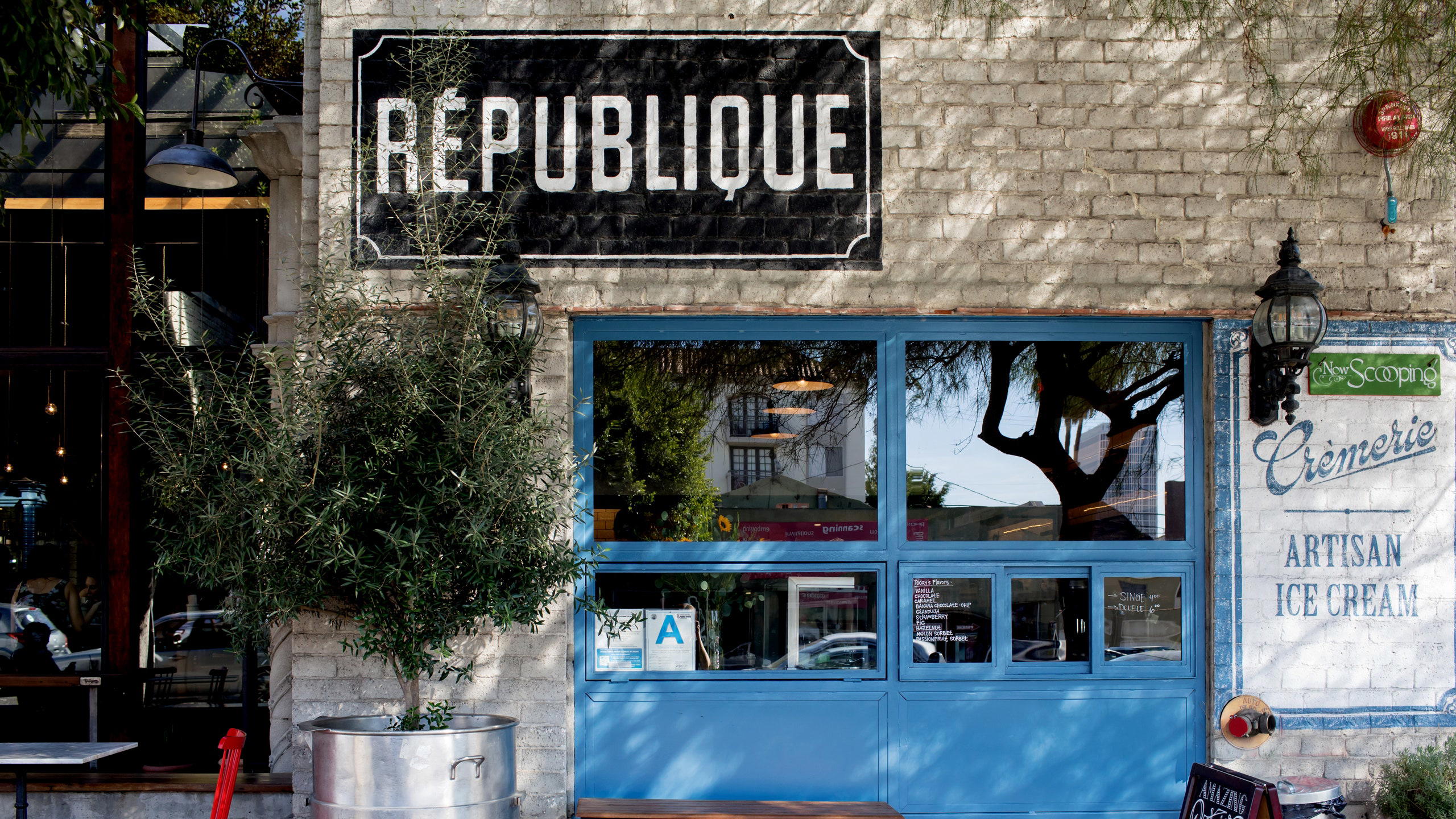
Bars in Los Angeles
Browse all →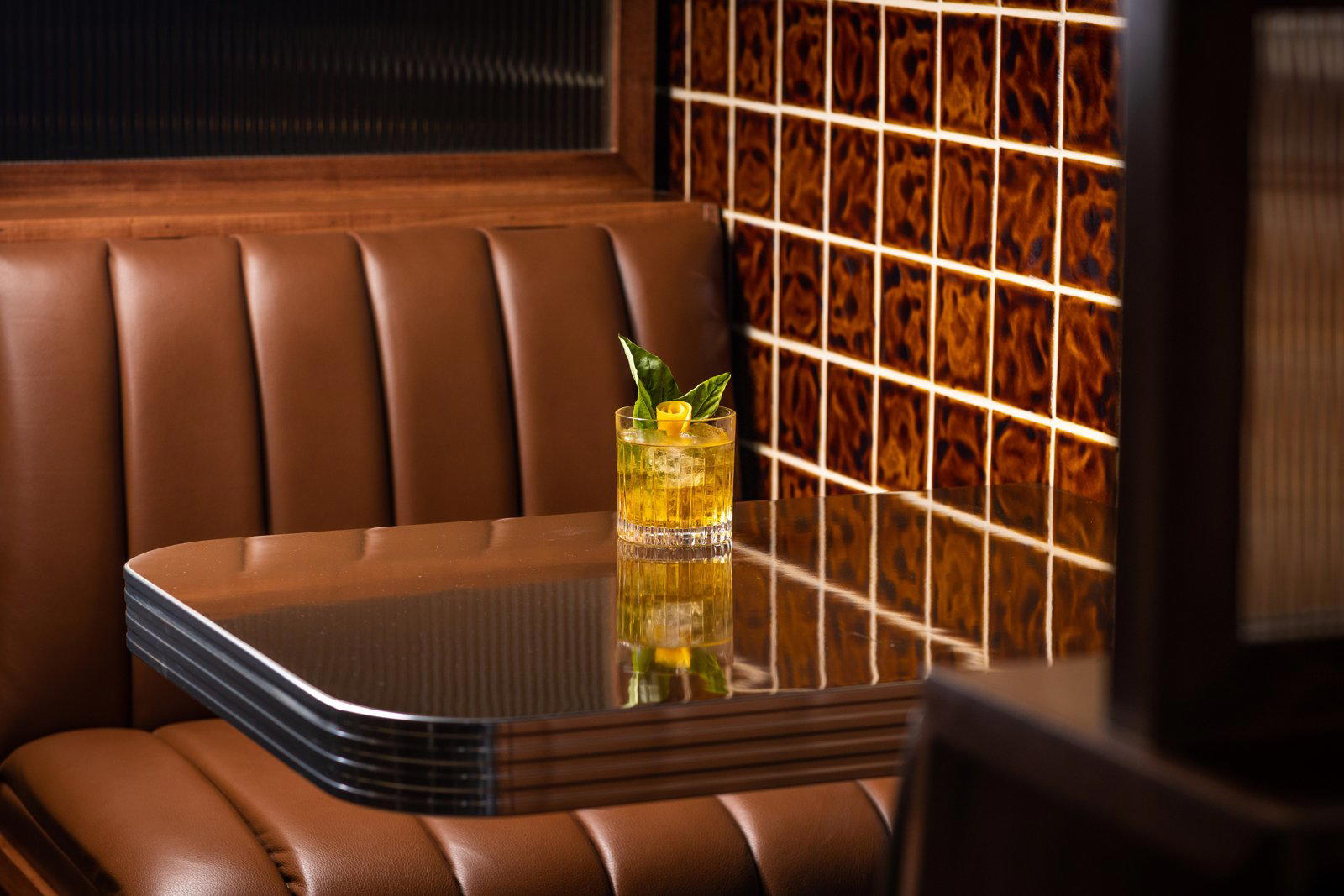
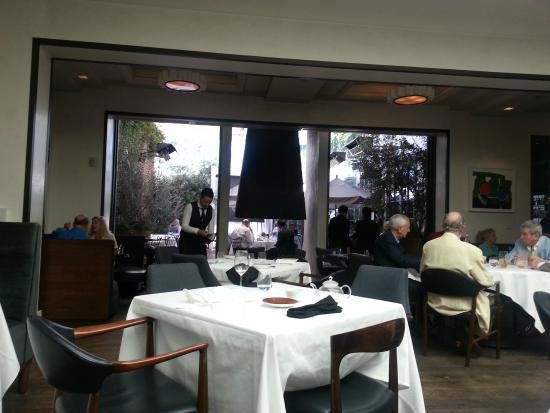
Hotels in Los Angeles
Browse all →
Wineries in Los Angeles
Browse all →
At a Glance
- Classic
- Elegant
- Intimate
- Sophisticated
- Date Night
- Special Occasion
- Historic Building
- Craft Cocktails
Current opening hours
- Monday
- 5:30–10 PM
- Tuesday
- 5:30–10 PM
- Wednesday
- 5:30–10 PM
- Thursday
- 5:30–11 PM
- Friday
- 5:30–11 PM
- Saturday
- 5:30–11 PM
- Sunday
- 5:30–10 PM
Hours can change for holidays and private events. Last verified .
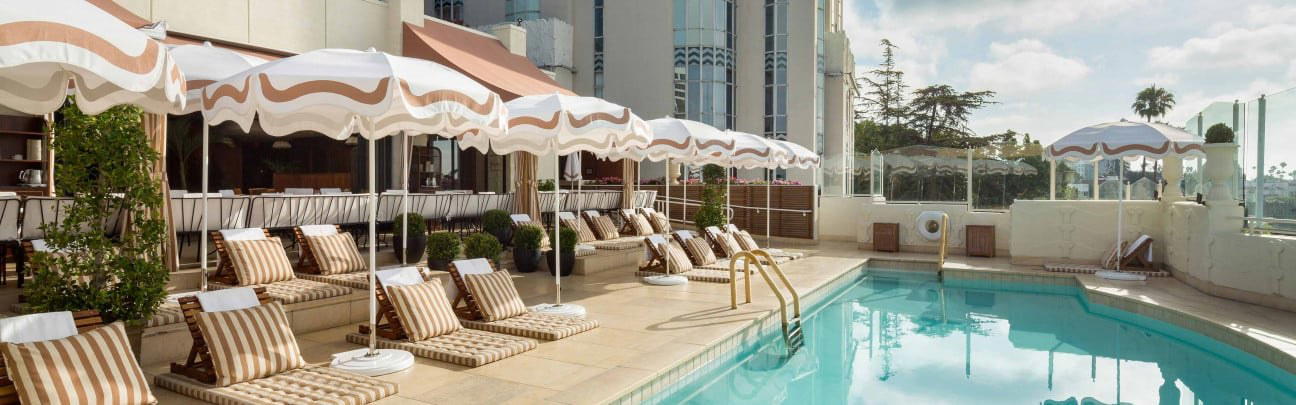
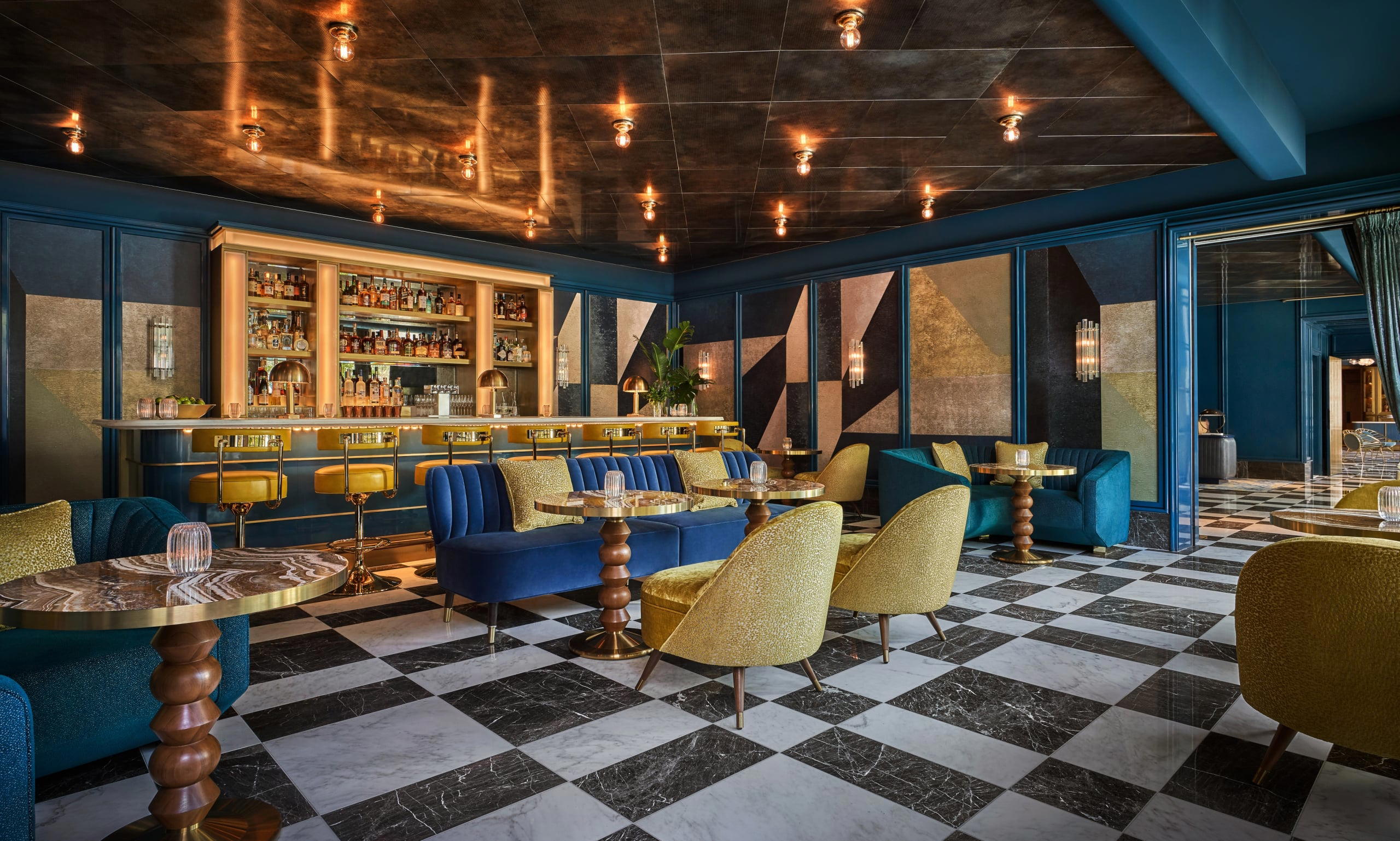
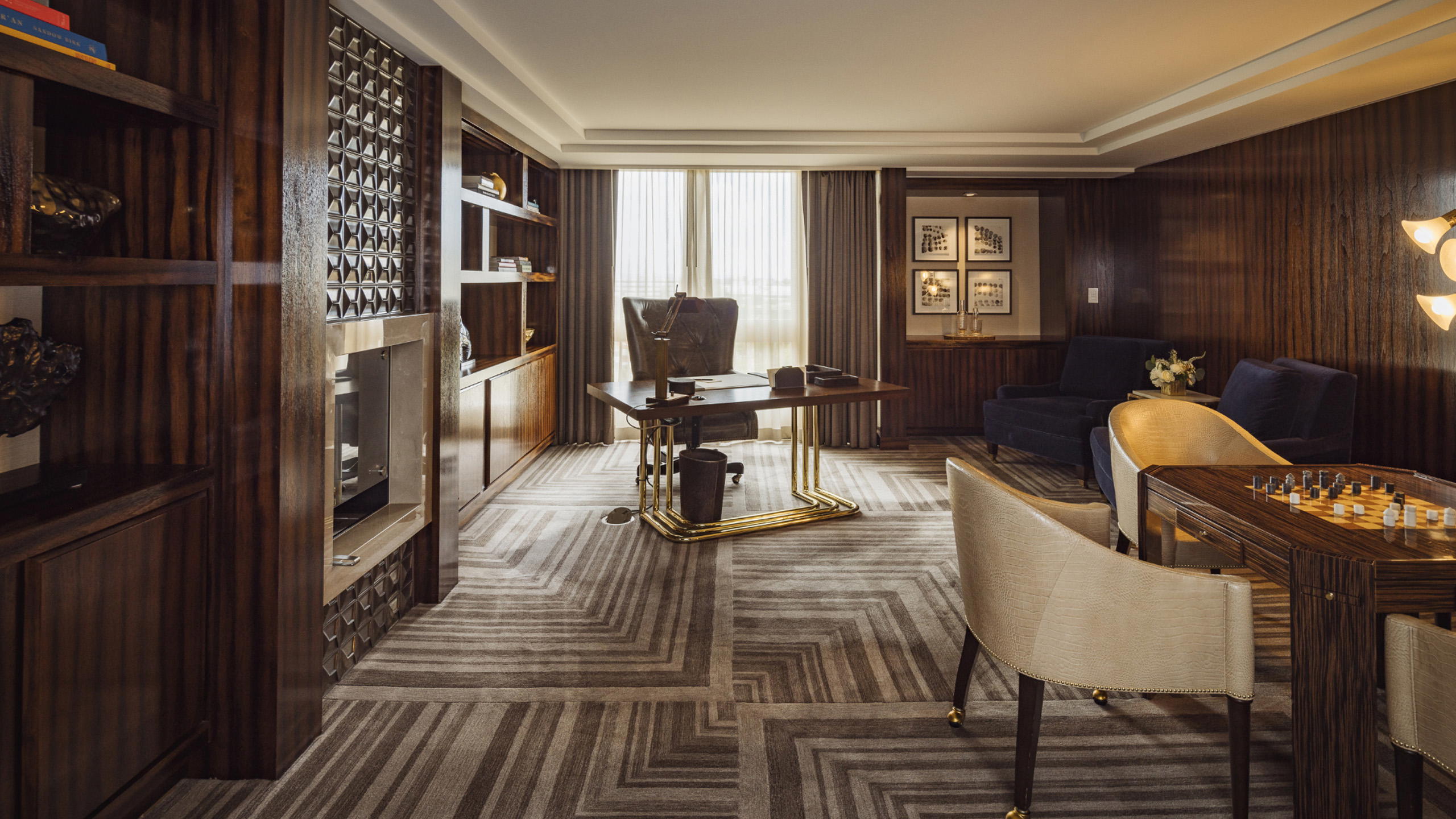
Dimly lit with wood paneling, oversized mirrors, vintage pendants, and clubby charm evoking Old Hollywood glamour.