Backbone

LA Times 101 Best Restaurants #90
Our verdict
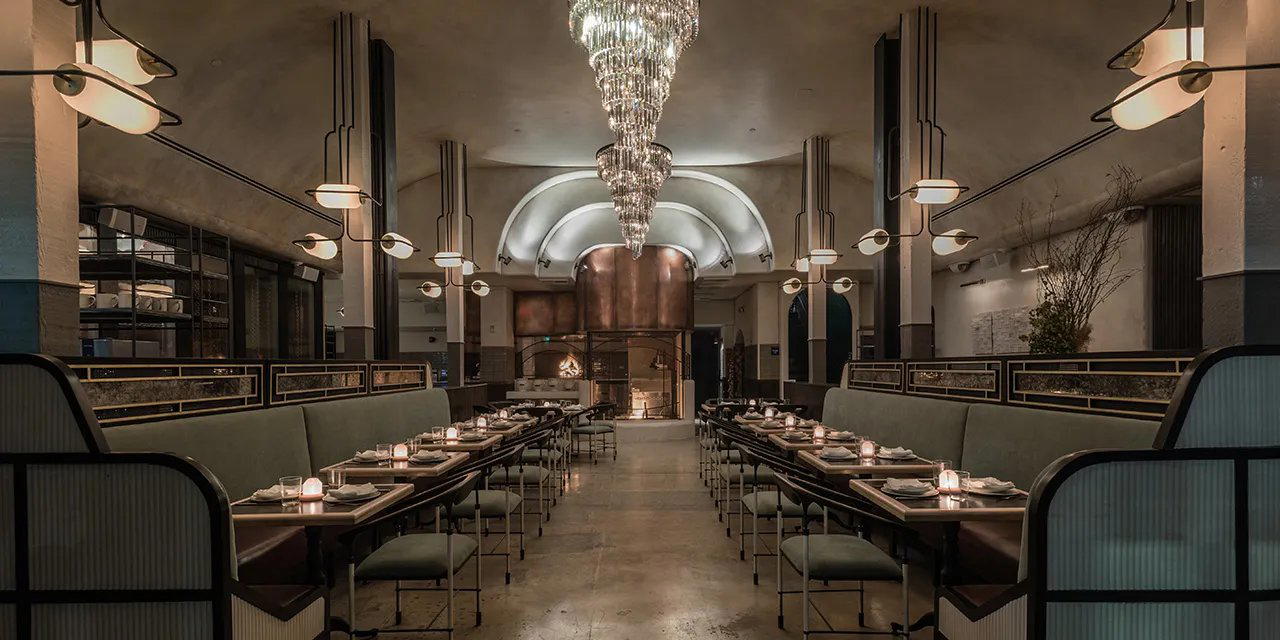
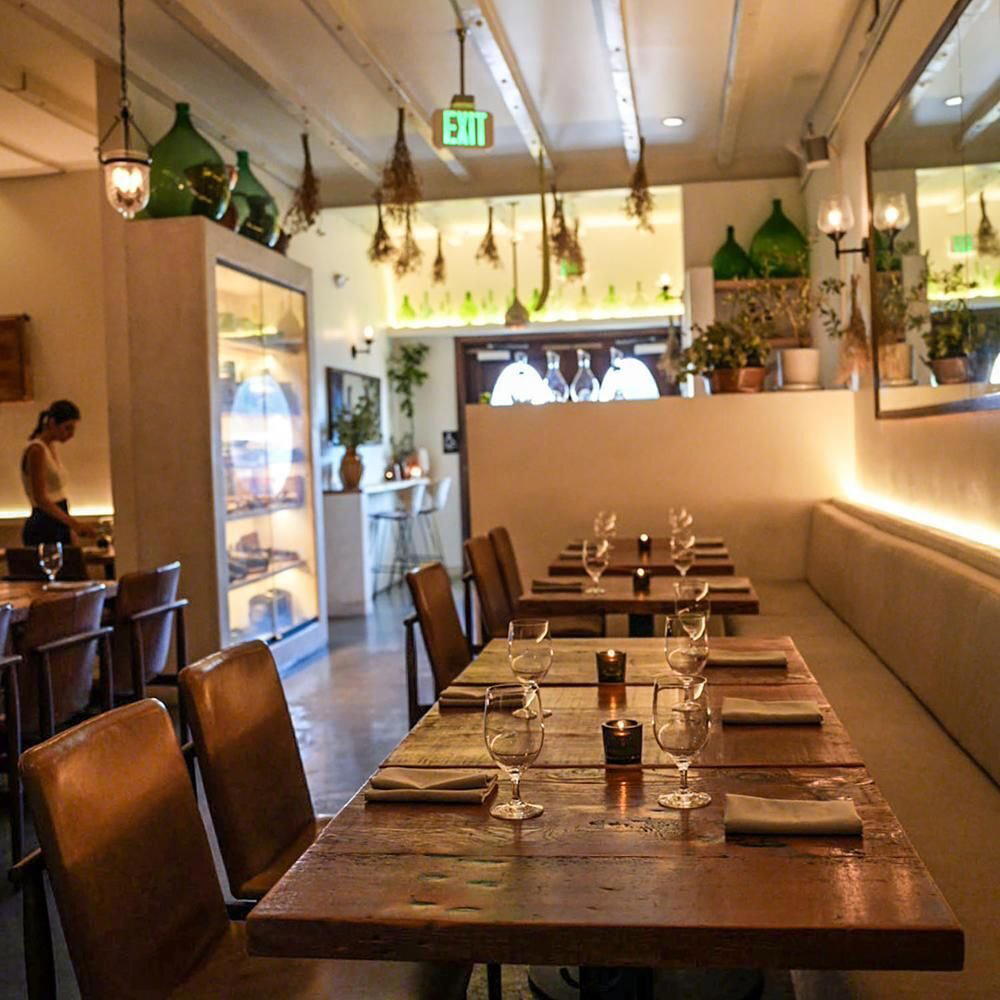
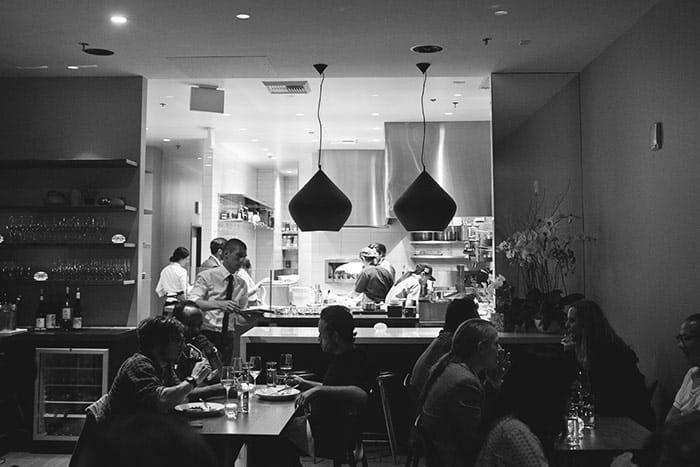
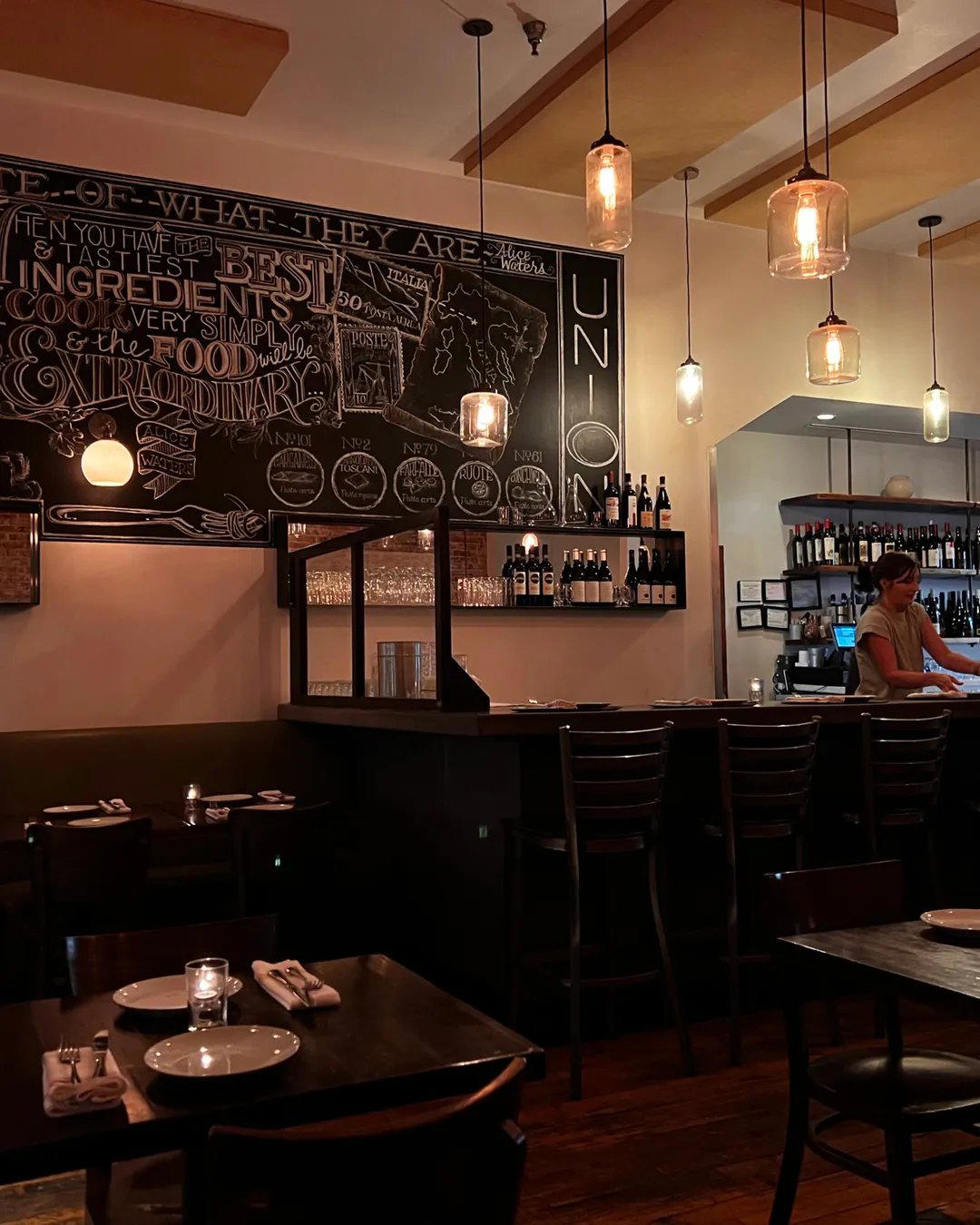
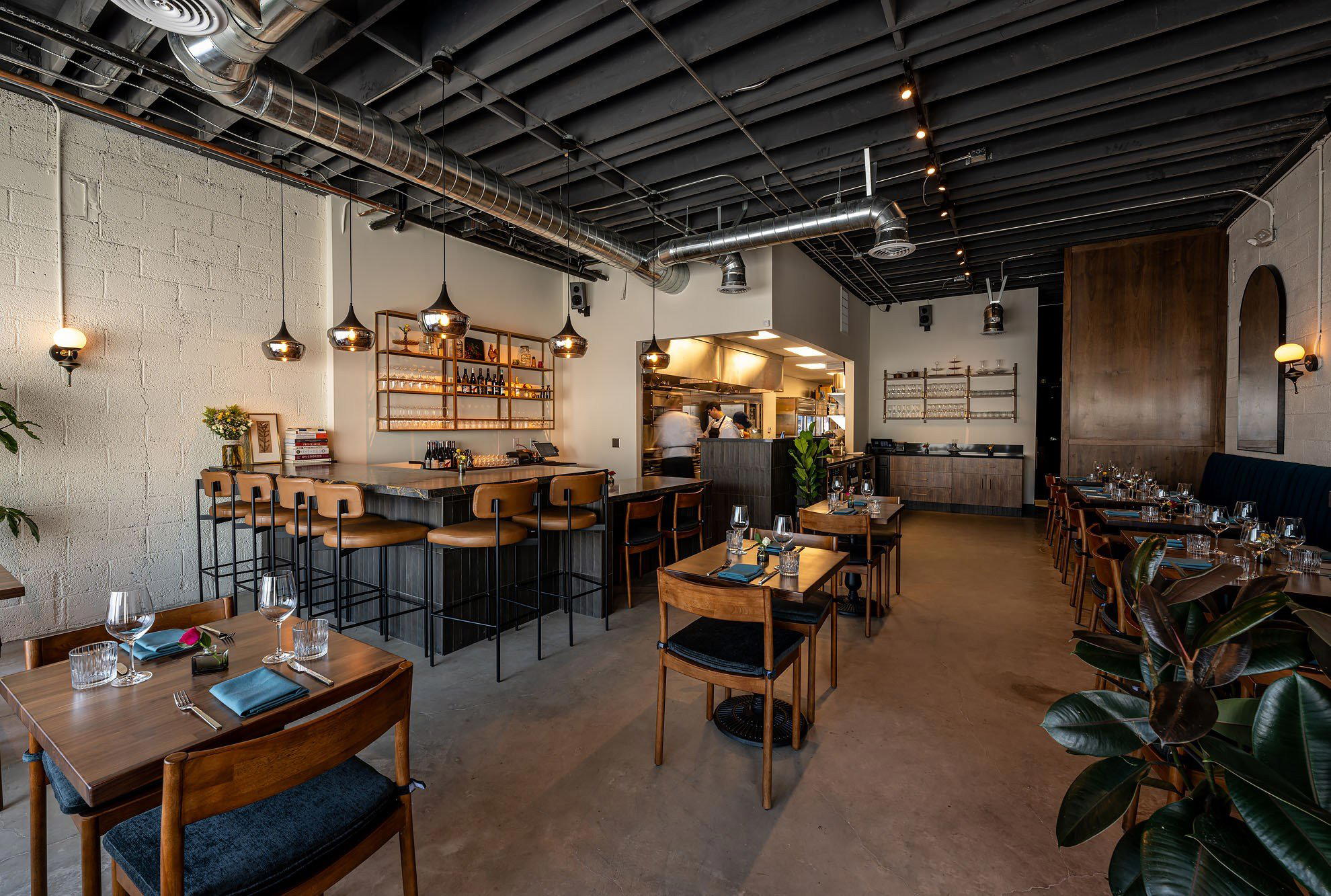
Backbone operates where neighborhood restaurant ambition quietly outpaces its postcode. Run by Nathan McCall and Karen Yoo in Glendale, it works a Venn diagram of French technique, Spanish ingredients, and Asian flavors — producing dishes like barbajuan and uni tongues on waffles that sit well outside the typical local-dining register. The room is modest; the cooking is not.

Pearl is the En Primeur Club membership app — saves, bookings, and concierge access live there. Same editors, same standards.
The menu
What to order
- Uni Waffle
- Chicken Liver Pâté
- A5 Japanese Wagyu
Glendale's Quiet Outlier
Los Angeles dining conversation defaults to a familiar geography: the west-side corridors of Beverly Hills and Brentwood, the concentration of Michelin attention in Downtown and Arts District, the steady churn of Melrose openings. Glendale sits outside that orbit. Which is partly why Backbone, at a residential bend on North Verdugo Road, functions the way it does: as a restaurant that sets its own terms without the overhead, both financial and social, of operating inside LA's most-watched precincts.
The neighborhood restaurant as format has always carried a particular contract with its guests. The implicit offer is familiarity: reliable cooking, reasonable prices, tables that don't require a two-month wait. Backbone accepts that contract and then quietly rewrites its ambition clause. The kitchen, led by Nathan McCall and Karen Yoo, runs on French technique and pulls ingredients and flavor logic from Spanish and Asian traditions. That combination is not unusual in the abstract — LA has plenty of cross-referential cooking — but the execution here has attracted the kind of attention that normally follows addresses with more prominent zip codes.
How the Kitchen Works
French culinary training carries specific implications: the handling of proteins, the architecture of sauces, the patience required for reductions and precise temperature control. At Backbone, that foundation is evident in what the kitchen does with its primary proteins, which multiple accounts describe as demonstrating flawless command. That's not a common compliment, and in the context of a neighborhood-scale operation, it signals a kitchen running at a register closer to the city's award-tracked tier than its address would suggest.
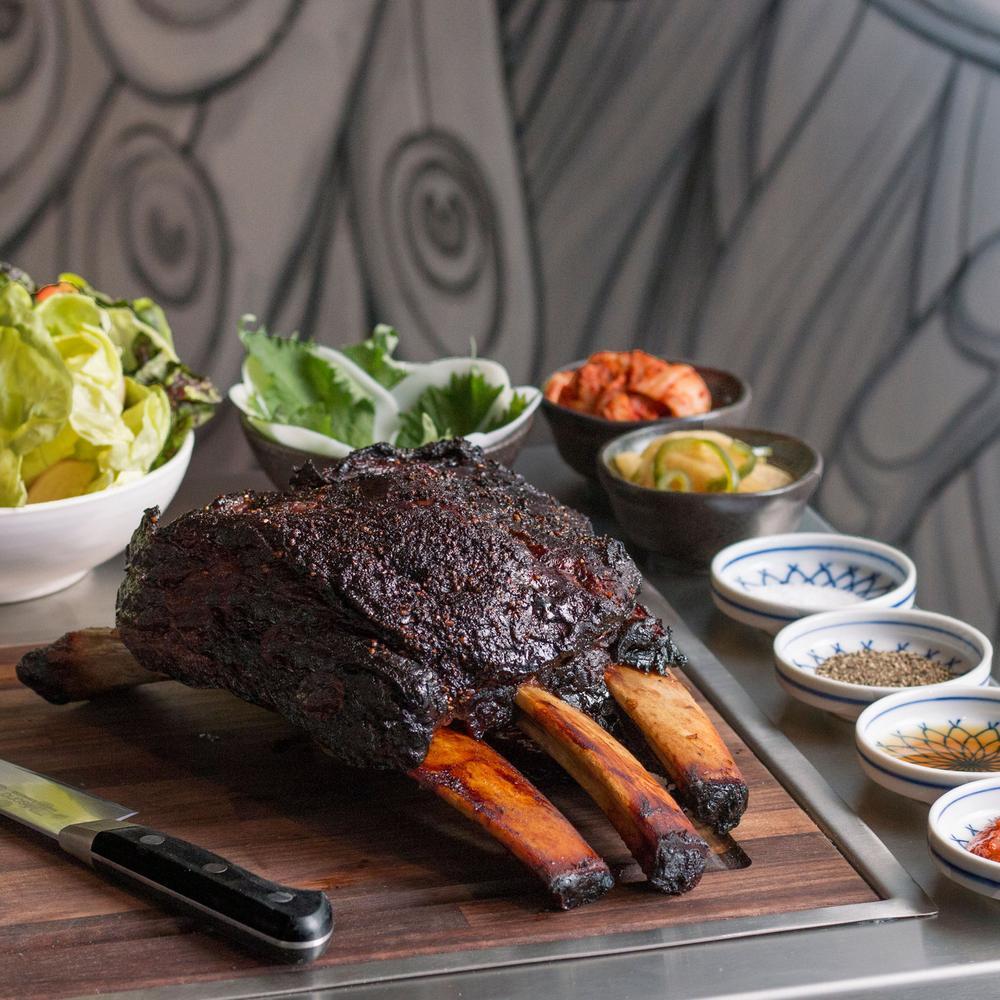
The menu reaches into Spanish territory with dishes like barbajuan, a fried pastry of Monegasque and Ligurian origin that appears with some regularity in Spanish-influenced contemporary cooking. It's a choice that signals more than technique: it tells you the kitchen is thinking about a specific tradition of Mediterranean small-plate culture and finding ways to work within and against it. Meanwhile, uni tongues on waffles represent the Asian and American registers operating simultaneously, a combination that sounds provocative on paper and earns its place by resolving the tension between brine, richness, and texture rather than simply announcing the contrast.
For broader context on what ambitious French-influenced cooking looks like elsewhere in the country, Le Bernardin in New York City and The French Laundry in Napa define the upper bracket of that tradition. Backbone operates at a different scale and price register, but the technical seriousness has more in common with that lineage than with the casual-dining tier its neighborhood might imply.
Lunch, Dinner, and What Changes Between Them
The lunch-versus-dinner divide in serious restaurants is rarely just about menu length. It's about pacing, intent, and who the restaurant is for at a given hour. Dinner at a kitchen like Backbone's tends to be where the more technically involved dishes come forward: proteins cooked with the care that needs both time and full brigade attention, composed plates that carry the visual and textural weight of an evening format. The room's character shifts accordingly, from a daytime function that can absorb a working lunch or a quiet solo meal, to an evening service where the kitchen's ambitions become harder to miss.
Daytime service at neighborhood restaurants of this caliber also tends to represent better value per dish, not because the cooking is simplified, but because the format is more compressed and the mise en place lighter. If you're approaching Backbone for the first time, the calculus of a lunch visit is worth considering: lower competition for tables, a kitchen often running the same technical DNA in a more concentrated form, and the opportunity to assess the restaurant's baseline before committing to a longer evening. That said, the dishes most cited in connection with the restaurant, the uni waffles, the protein work, belong to a dinner context in both weight and intent.
Cross-referencing against LA's current high-end register, Kato and Hayato occupy the Michelin-starred tier of Asian-influenced and Japanese cooking in the city. Somni represents the molecular and progressive end. Providence anchors contemporary seafood at the two-star level. Backbone operates without that formal recognition at present, but the cooking described by those who track it sits closer to that peer group in ambition than to the neighborhood-bistro category its setting implies. For further comparison across French-influenced contemporary cooking, Lazy Bear in San Francisco and Alinea in Chicago show how differently that training can express itself at scale. Closer to Backbone's cross-cultural register, Atomix in New York City and 8 1/2 Otto e Mezzo Bombana in Hong Kong demonstrate what French-Asian technique produces when award attention follows.
Planning a Visit
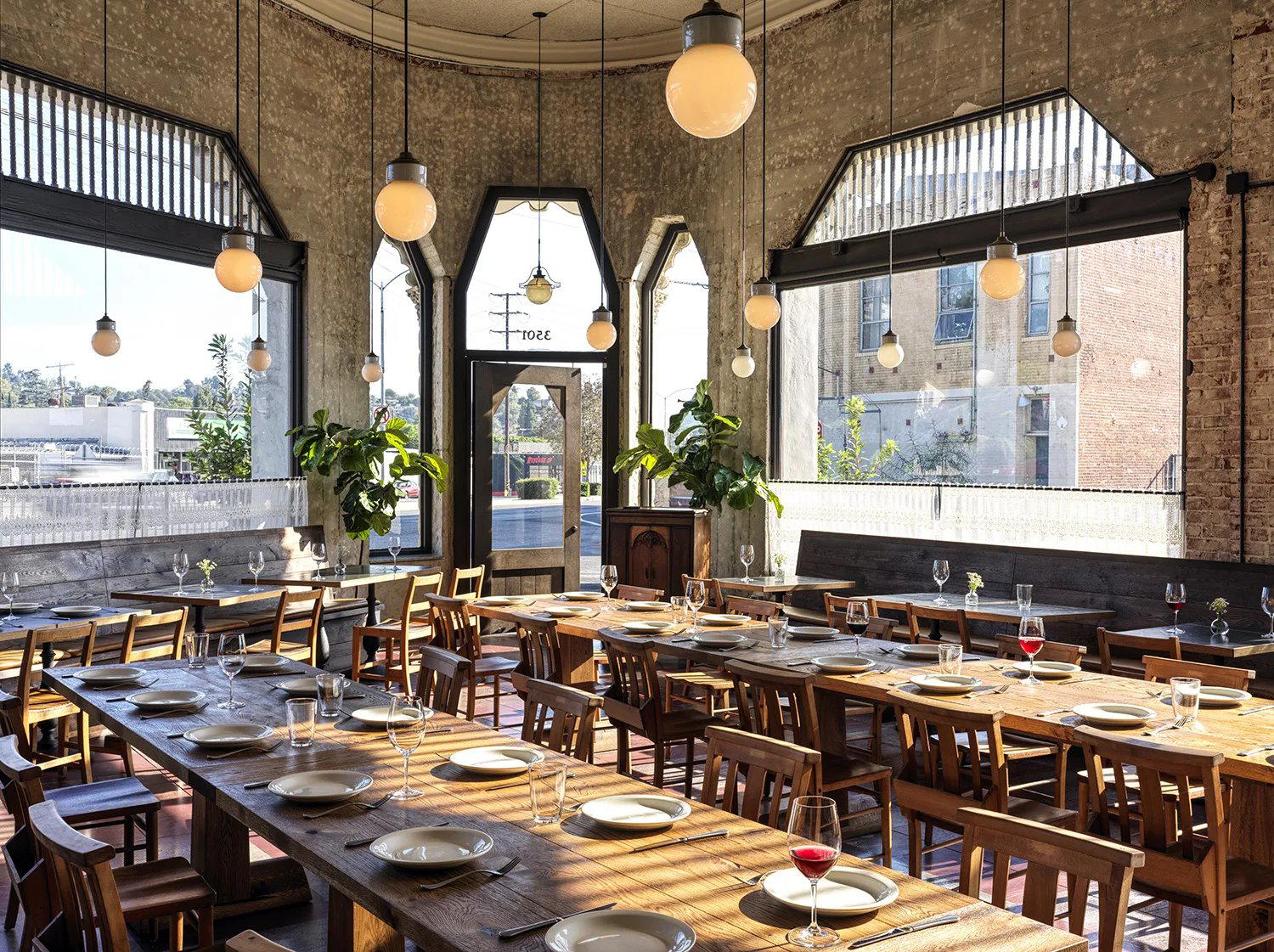
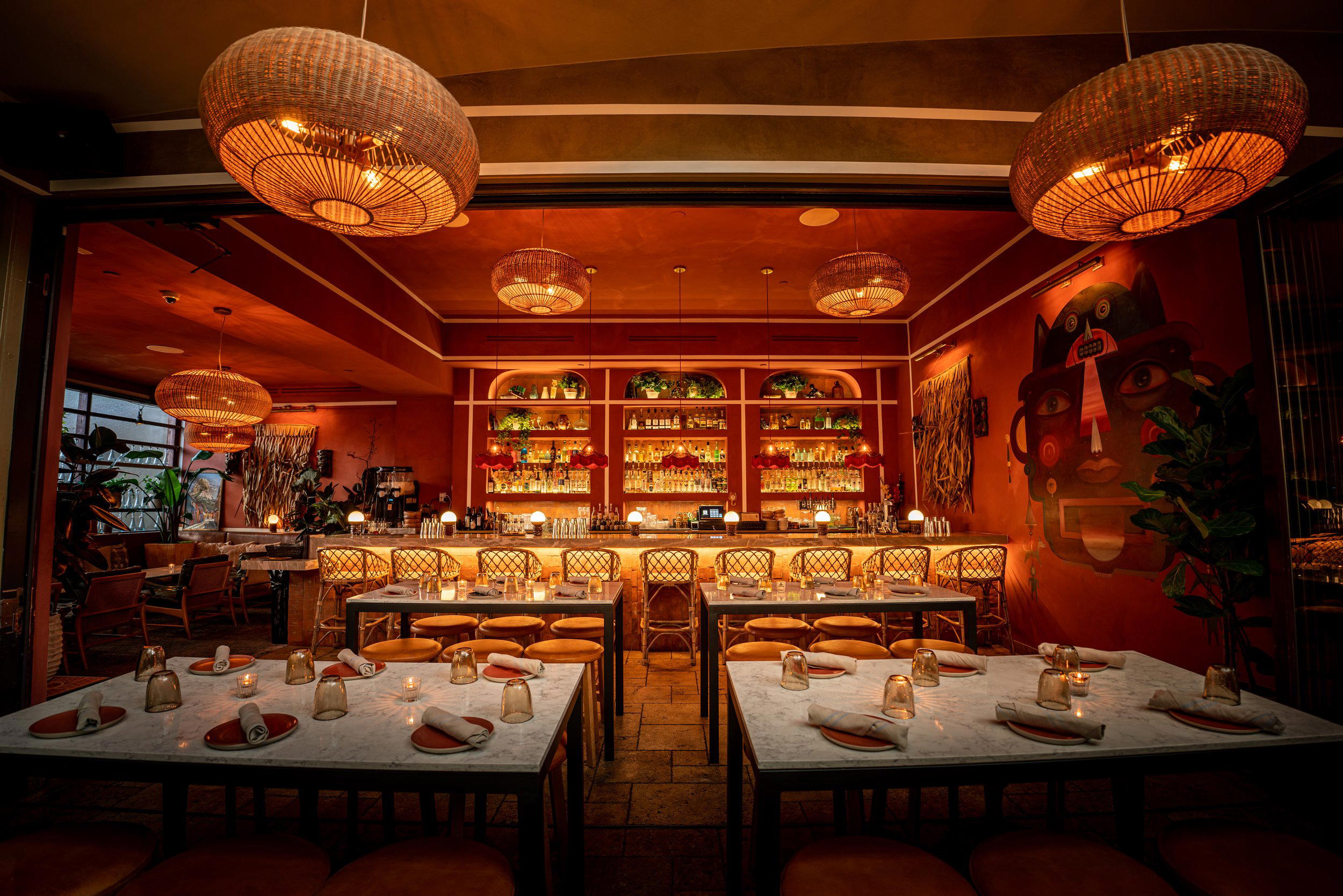
Backbone sits at 3463 North Verdugo Road in Glendale, a residential stretch that doesn't announce itself as a dining destination. Arriving without knowing what you're looking for, you might drive past it. That low visual profile is part of what the restaurant is: a place that operates on the strength of its cooking rather than its exterior presence or neighborhood cachet.
Phone and booking details are not published in standard channels at time of writing; reaching the restaurant directly to confirm reservations, hours, and current menu format is the advised approach. Given the kitchen's ambition and the size typical of an operation at this address, tables at peak dinner hours are likely to require advance planning. Osteria Mozza and the other high-demand LA restaurants in the mid-to-upper tier tend to book out one to three weeks ahead for weekend dinner; Backbone's smaller scale suggests similar or tighter availability.
Single Thread Farm in Healdsburg and kitchens of comparable technical seriousness typically handle special requirements well when flagged in advance; the reasonable assumption is that Backbone's kitchen, given its evident care with proteins and technique, applies the same standard.
For planning the rest of your time in the city, see our full Los Angeles restaurants guide, our full Los Angeles hotels guide, our full Los Angeles bars guide, our full Los Angeles wineries guide, and our full Los Angeles experiences guide. Backbone is not a detour from the city's dining circuit; it's a reason to extend it north.
Frequently asked questions
What's Backbone known for in terms of accolades?
Backbone has received recognition including: Contemporary restaurant rooted in French technique with Spanish and Asian influences, serving ambitious dishes like barbajuan and uni tongues on waffles, and demonstrating a flawless command of proteins. It is a neighborhood gem run by Nath….
Where is Backbone located?
Backbone is located at 3463 N Verdugo Rd, Glendale, CA 91208, Los Angeles.
What's the must-try dish at Backbone?
Barbajuan and uni tongues on waffles are the dishes most associated with Backbone's identity — both reflect the kitchen's cross-cultural approach, pulling from French, Spanish, and Asian traditions without forcing the combination. The protein-forward cooking is where the kitchen's French training shows most clearly.
Is Backbone reservation-only?
Backbone is located at 3463 North Verdugo Road in Glendale, a residential stretch with no obvious foot traffic. Given the format and neighborhood, reservations are strongly advisable before making the trip out.
What do critics highlight about Backbone?
The kitchen's command of proteins draws consistent attention, as does the range of its reference points: French technique, Spanish ingredients like barbajuan, and Asian inflections such as uni. Chefs Nathan McCall and Karen Yoo have built something that operates well outside the west-side corridors that dominate Los Angeles dining coverage.
Is Backbone allergy-friendly?
The menu at Backbone involves seafood, egg-based preparations, and cross-cultural ingredients that may present allergen considerations. check the venue's official channels at the North Verdugo Road address to discuss specific dietary requirements before your visit.
Compact Comparison
Comparable venues nearby, for context on price, style, and recognition.
| Venue | Cuisine | Price | Awards | Notes |
|---|---|---|---|---|
| BackboneThis venue (the venue you are viewing) | Contemporary American with French, Spanish, and Asian Influences | $100–150 | LA Times 101 Best Restaurants #90 | Not listed |
| Joyce | Modern Southern Seafood | $50–100 | Not listed | Financial District, Modern Southern Seafood |
| Moreton Fig | Farm-to-Table American | Not listed | Not listed | University Park, Farm-to-Table American |
| Checkers Downtown | New American with California, French, and Asian influences | $50–100 | Not listed | Financial District, New American with California, French, and Asian influences |
| JOEY DTLA | Global American Steakhouse | $30–50 | Not listed | Financial District, Global American Steakhouse |
| USC University Club | Contemporary American Fine Dining | $30–50 | Not listed | University Park, Contemporary American Fine Dining |
Recognition history
Dated appearances from independent guides and award organizations, with the underlying list record or original source where available.
LA Times 101 Best Restaurants #90
LA Times