The Apron at 3099 Corvette Way sits within Richmond's dense, seafood-forward dining corridor, where the broader Canadian conversation around ethical sourcing and reduced kitchen waste is arriving in a city long defined by ingredient abundance. As that sustainability shift reshapes how serious kitchens in British Columbia think about procurement and menu design, The Apron offers a reference point worth tracking.
Pearl is the En Primeur Club membership app — saves, bookings, and concierge access live there. Same editors, same standards.
- Address
- 3099 Corvette Way, Richmond, BC V6X 4K3, Canada
- Phone
- +16042382105
- Website
- theapronrichmond.com
- Directions
- Get directions
 Saves & bookings on Pearl
Richmond's Dining Corridor and the Sustainability Shift
Richmond's restaurant strip along the No. 3 Road and its surrounding blocks has long operated on a logic of abundance: live tanks stocked with geoduck and Dungeness crab, kitchens running through Cantonese roast proteins, and menus that treat ingredient volume as a signal of quality. That model still defines much of the city's most-visited dining, from the banquet-format seafood houses to the fast-moving BBQ counters. But a quieter recalibration is underway in parts of British Columbia's restaurant community, one that measures kitchen seriousness not by quantity but by how much of a product gets used, how traceably it was sourced, and whether the supply chain can withstand scrutiny. The Apron, at 3099 Corvette Way, sits inside that shift.
Across Canada, restaurants have increasingly defined themselves through procurement discipline rather than technique alone. Tanière³ in Quebec City built its reputation on hyper-local northern ingredients; Eigensinn Farm in Singhampton collapsed the distance between farm and plate to near zero. In Toronto, Alo and its extended dining group signal sourcing choices through tasting menu narrative. Even Vancouver's own AnnaLena has positioned ethical sourcing as part of its editorial identity. The common thread is that sustainability has stopped being a marketing addendum and started being a structural decision that shapes menus from the cost sheet upward.
The Address and What It Signals
Corvette Way places The Apron in Richmond's hotel and mixed-use commercial corridor rather than in the dense restaurant clusters of Alexandra Road or Parker Place. That positioning matters for how the restaurant functions: it draws from hotel guests, business travellers, and a local demographic less defined by the reflexive loyalty that Richmond's established Chinese dining institutions command. For a kitchen oriented around sustainability principles, that audience profile is often more receptive to a menu built around what's available and traceable rather than what's expected or familiar.
Richmond's dining scene is more layered than its external reputation as a Cantonese food destination suggests. The city holds serious Shanghainese, Thai, and Vietnamese kitchens alongside its celebrated seafood banquet houses. Baan Lao has drawn attention for its Thai kitchen precision; Asian Pearl Seafood Restaurant operates within the city's Cantonese banquet tradition at substantial scale. Newer entrants like Alewife and 8 ½ in The Fan signal that the city's dining range is broadening. The Apron enters this mix carrying a brief that positions it somewhat apart from all of those reference points.
Sustainability as a Structural Kitchen Decision
In the Canadian restaurant context, sustainability operates across a spectrum. At one end are kitchens that source a handful of named local farms and treat that relationship as a menu footnote. At the other are operations where the sustainability framework shapes purchasing, prep, portion design, and even staffing. The more rigorous version requires a kitchen willing to work within constraints: using secondary cuts when the primary ones are unavailable, building broths and preparations from trim that a less disciplined operation would discard, and accepting that the menu will shift based on what the supply chain offers rather than what a fixed menu demands.
British Columbia's geography makes this framework both easier and harder than in other provinces. Easier because the province sits at an intersection of serious agricultural output and a Pacific coastline that produces halibut, sablefish, spot prawns, and salmon at world-reference quality. Harder because proximity to abundance can make discipline feel unnecessary. The kitchens that have leaned into genuine sustainability frameworks in this region have often done so by treating restraint as a craft signal rather than a market positioning. Restaurant Pearl Morissette in Lincoln, operating in Ontario wine country, offers one of the clearest Canadian examples of how farm integration can shape an entire dining experience. Narval in Rimouski demonstrates the same principle from a maritime supply chain perspective.
How The Apron Fits the Richmond comparable set
Within Richmond specifically, the restaurant's Corvette Way location places it adjacent to the kind of hotel dining infrastructure that has historically defaulted to safe international menus. The more interesting trajectory for hotel-adjacent kitchens in Canadian cities has been toward differentiation through local specificity: kitchens that use the hotel's stable revenue base to take menu risks that a standalone restaurant couldn't absorb. When that approach intersects with a sustainability brief, the result is often a menu that moves seasonally and uses provincial sourcing as an organizing principle rather than an accent.
For comparison across the broader Canadian dining conversation, Jérôme Ferrer's Europea in Montreal represents a different model of hotel-adjacent fine dining, one built on European classical technique and long-standing city recognition. Aux Anciens Canadiens in Quebec shows how a kitchen can use its physical and historical context as a menu framework. The restaurant's version of that locating exercise runs through British Columbia's ingredient landscape rather than through heritage or classical European form.
Other Richmond venues operating in adjacent register include 2207 Macdonald and, for a comparison point in the casual end of the city's range, Barra Fion in Burlington provides a useful Ontario counterpart for ingredient-led casual dining. Internationally, Le Bernardin in New York City and Atomix in New York City sit at the far end of the technical and sourcing-documentation spectrum, representing what institutional commitment to ingredient provenance looks like when resourced at the highest level. The Pine in Creemore offers a smaller-format Canadian parallel.
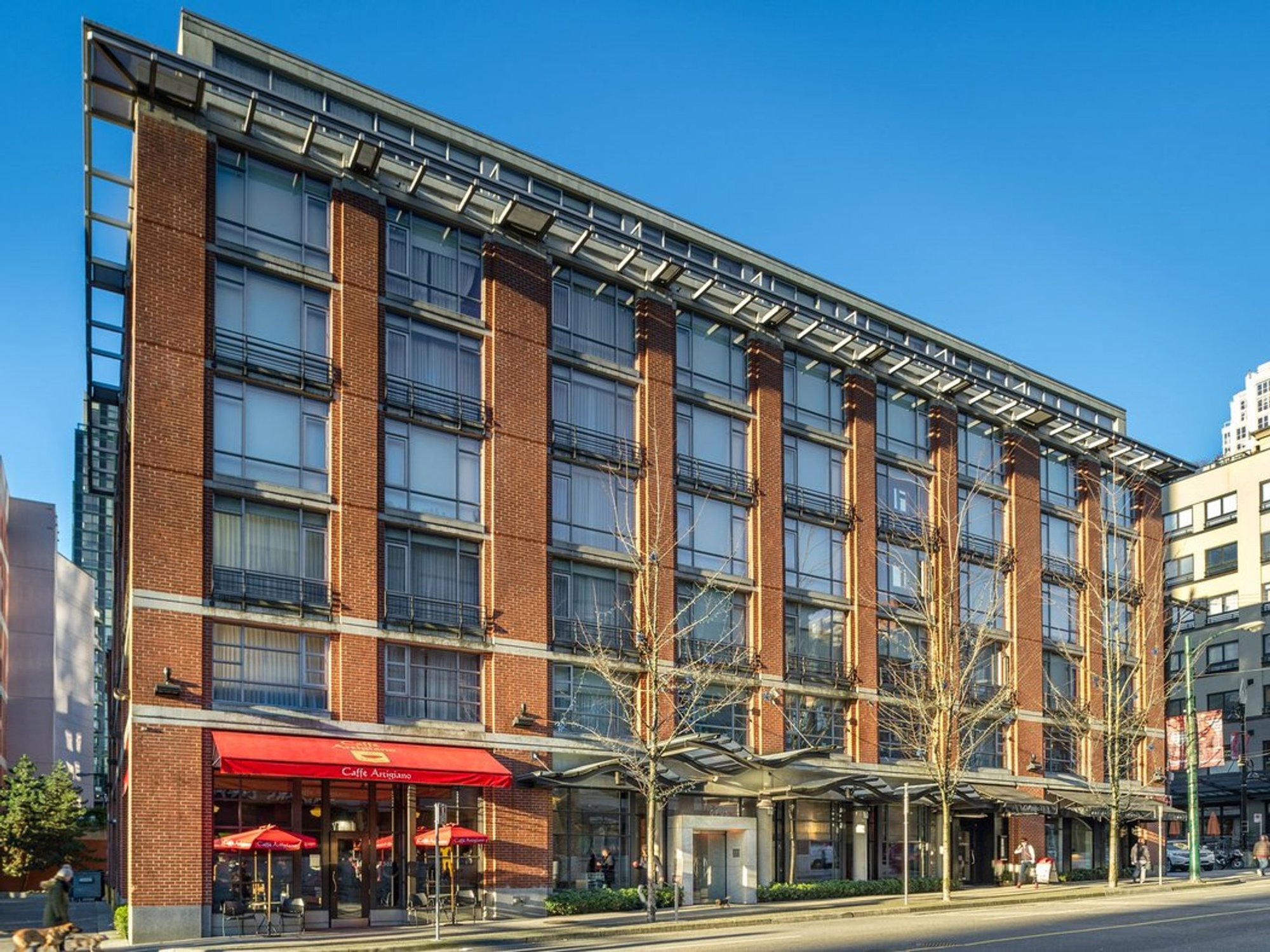
The restaurant is located at 3099 Corvette Way in Richmond. Given its position within a hotel corridor rather than a standalone block, walk-in access is likely more fluid than at destination restaurants in the city's denser dining clusters.
Cuisine Lens
Comparable venues nearby, for context on price, style, and recognition.
| Venue | Cuisine | Price | Notes |
|---|---|---|---|
| the apronThis venue — the venue you are viewing | West Coast Farm-to-Table Bistro | $$$ | Not listed |
| Sea Harbour Restaurant | Cantonese Dim Sum & Seafood | $$$ | Richmond |
| Little Karp | West Coast Fine Dining with Asian Influences | $$$ | Alexandra Road |
| HK BBQ Master | Cantonese BBQ | $$ | City Centre |
| Gordon Ramsay Steak Vancouver | Gordon Ramsay Steakhouse | $$$$ | River Rock Casino Resort |
| Masa Ishibashi | Edomae Omakase | $$$$ | Bridgeport |


At a Glance
- Elegant
- Modern
- Cozy
- Brunch
- Business Dinner
- Family
- Date Night
- Casual Hangout
- Hotel Restaurant
- Open Kitchen
- Craft Cocktails
- Farm To Table
- Local Sourcing
Current opening hours
- Monday
- 6:30 AM–11 PM
- Tuesday
- 6:30 AM–11 PM
- Wednesday
- 6:30 AM–11 PM
- Thursday
- 6:30 AM–11 PM
- Friday
- 6:30 AM–11 PM
- Saturday
- 6:30 AM–11 PM
- Sunday
- 6:30 AM–11 PM
Hours can change for holidays and private events. Last verified .
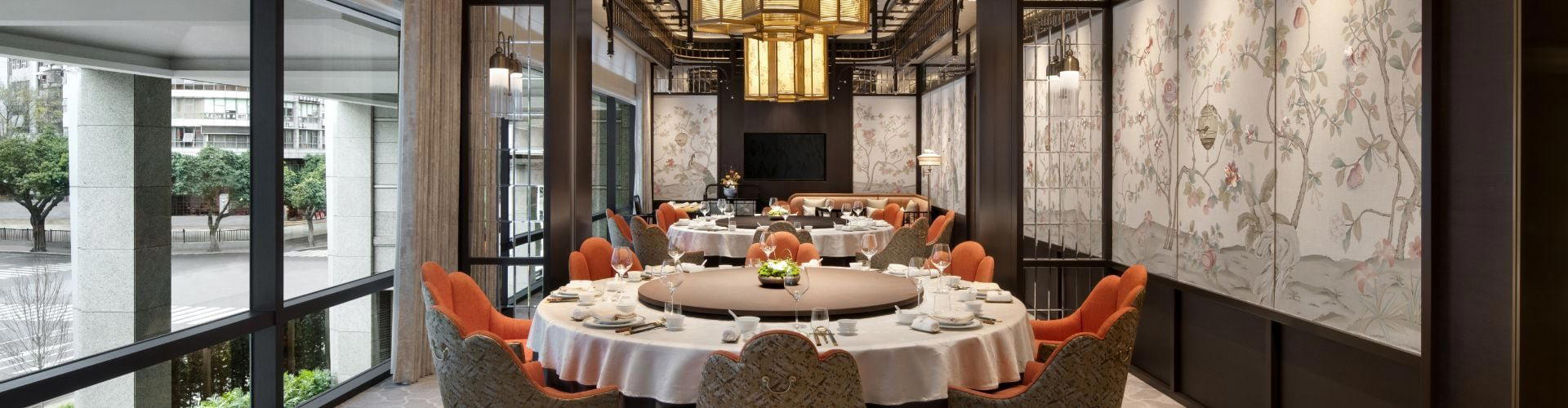
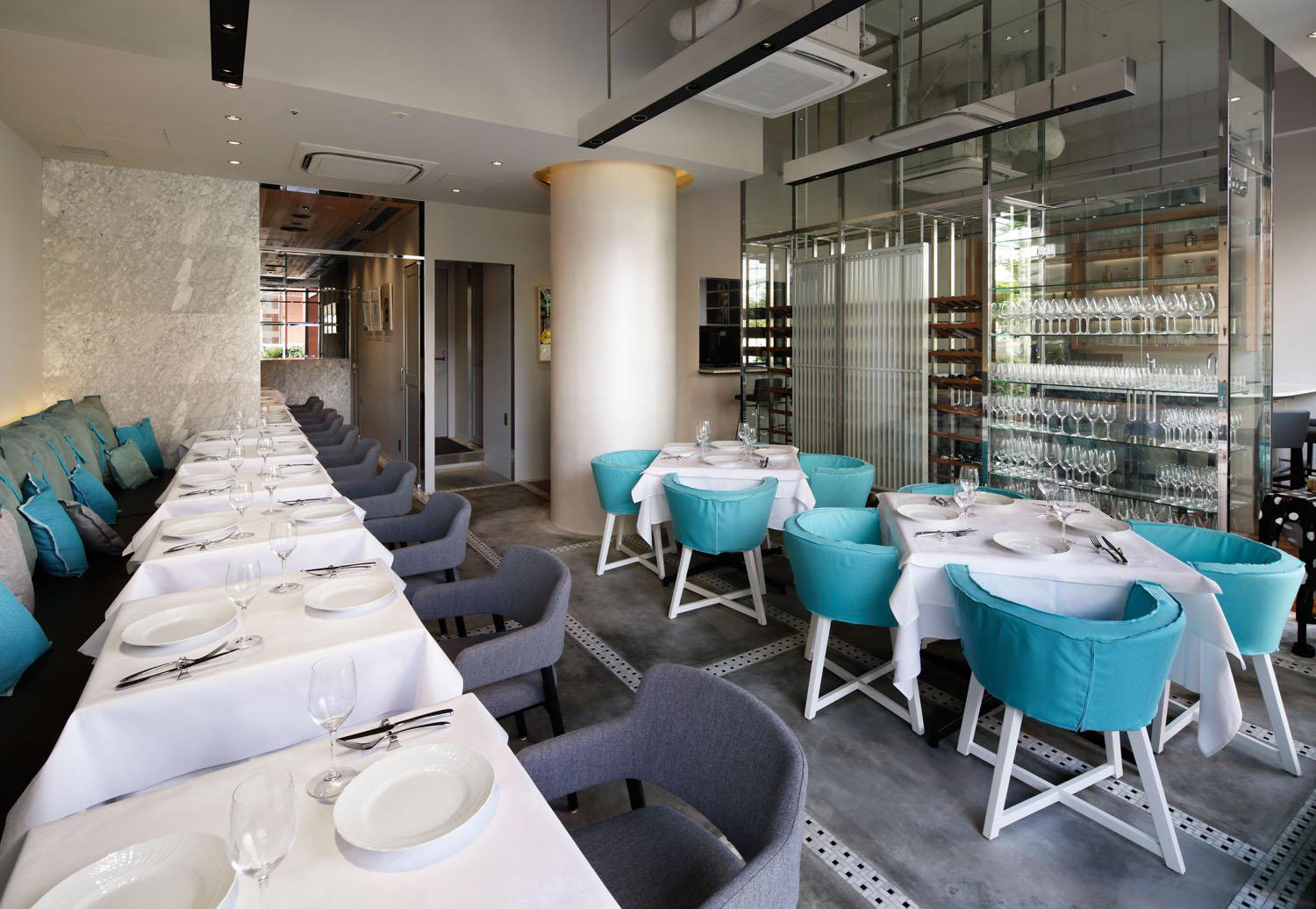
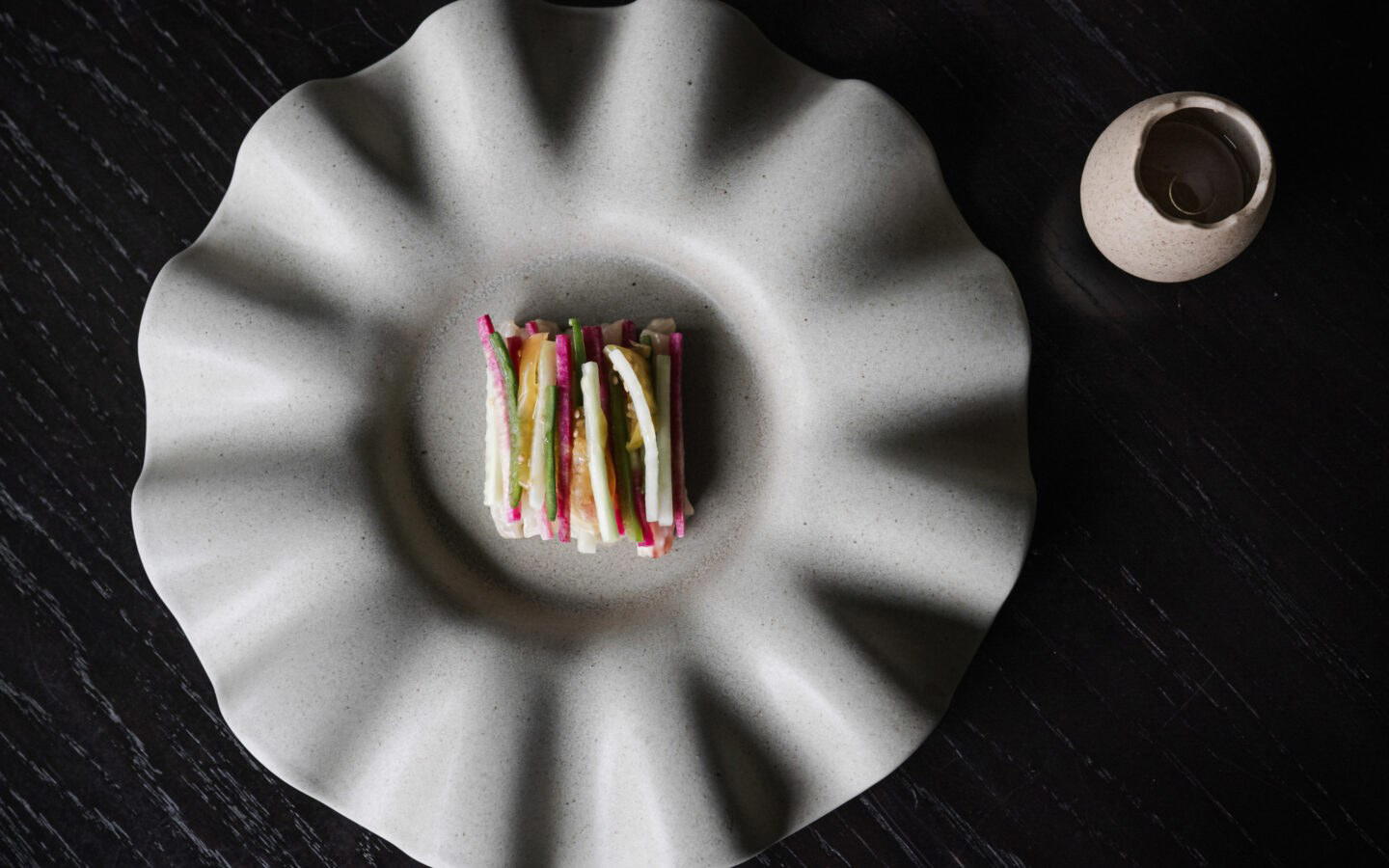
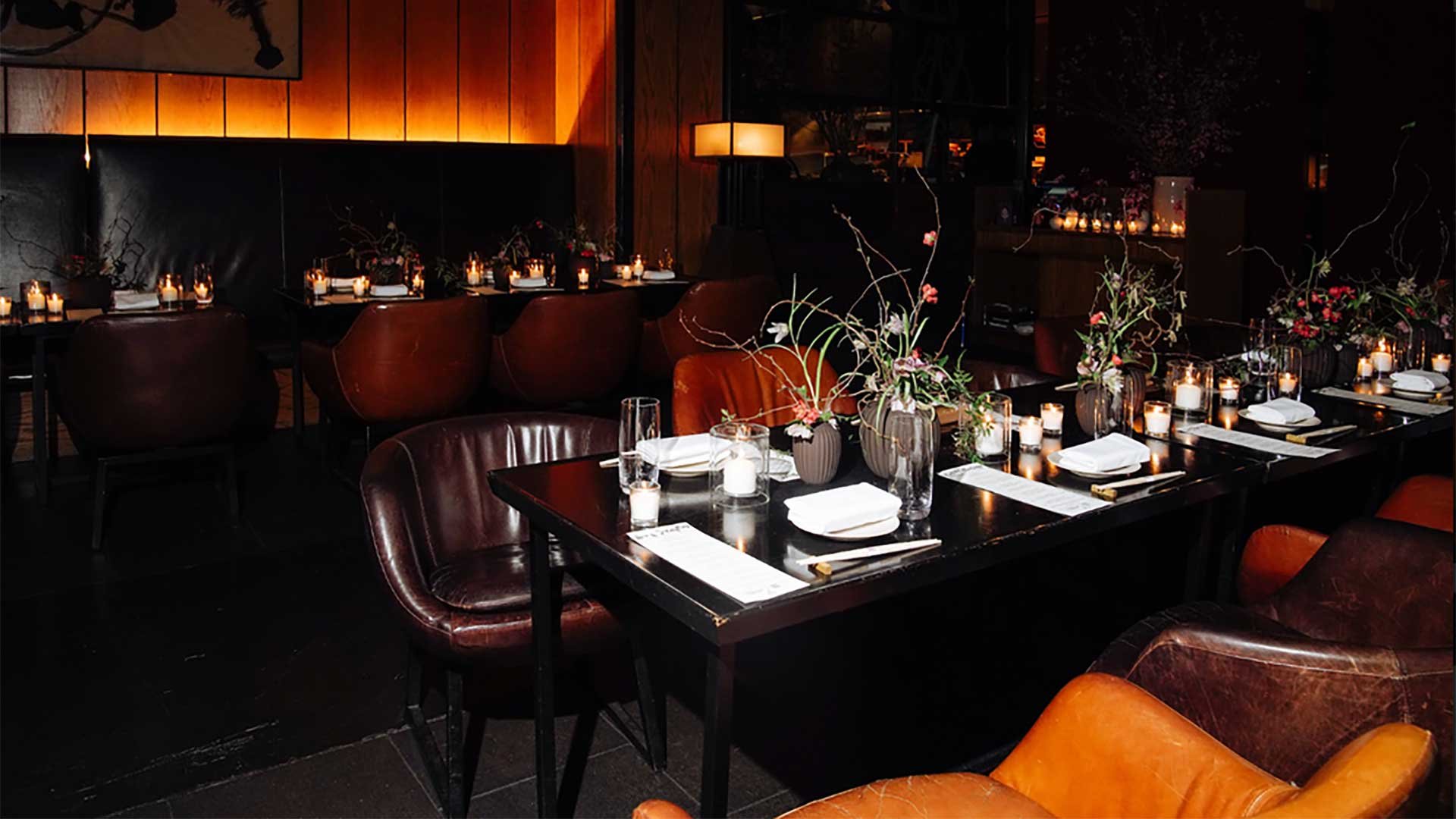
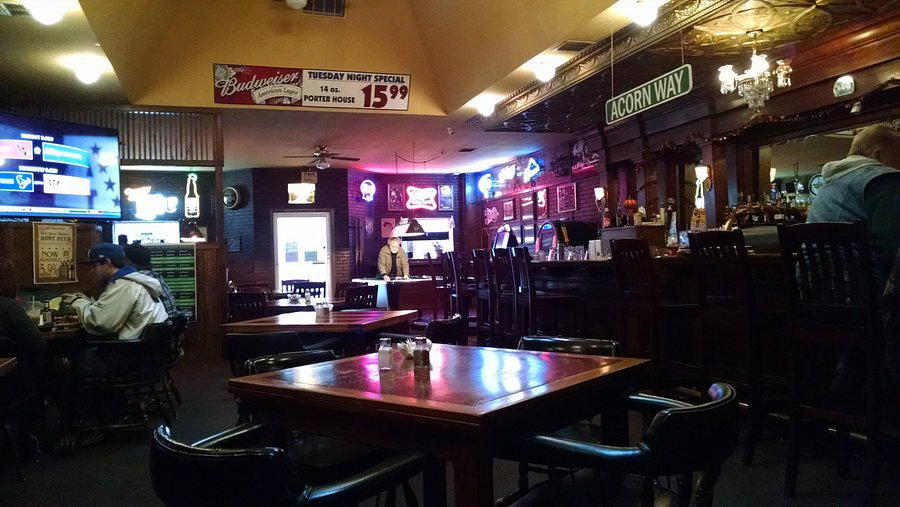
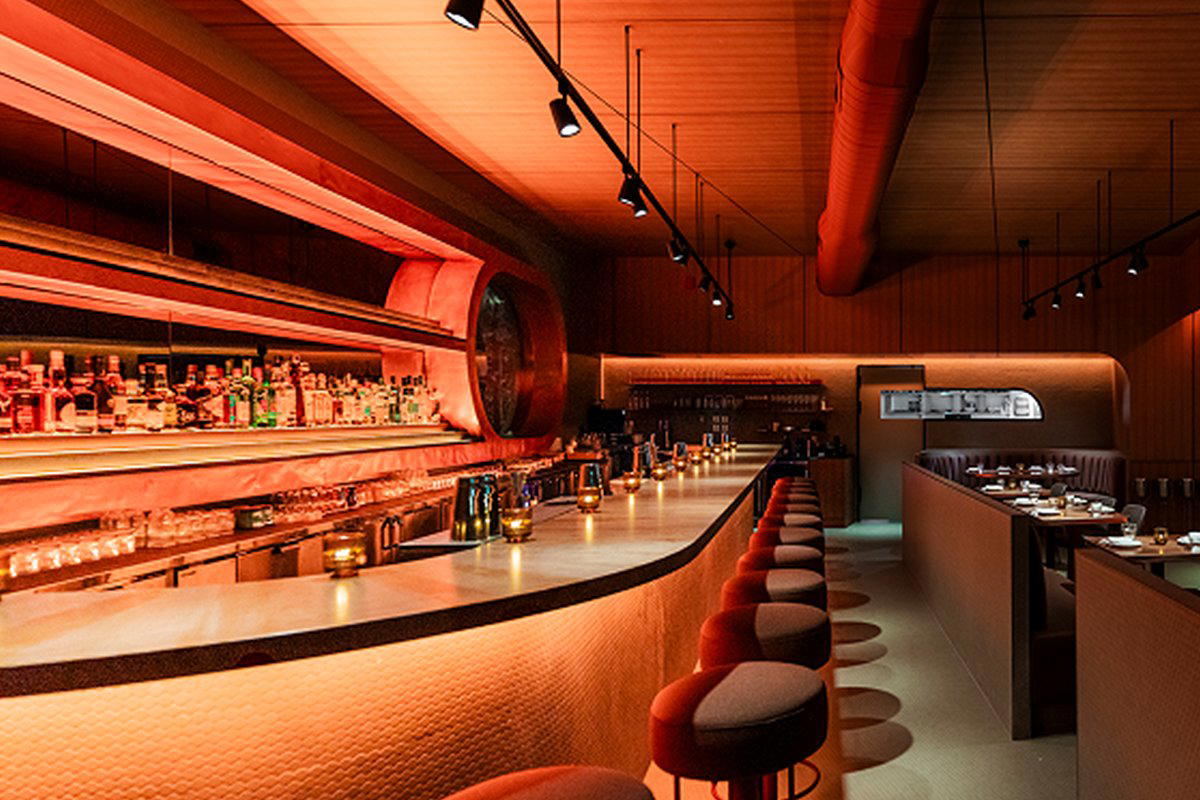
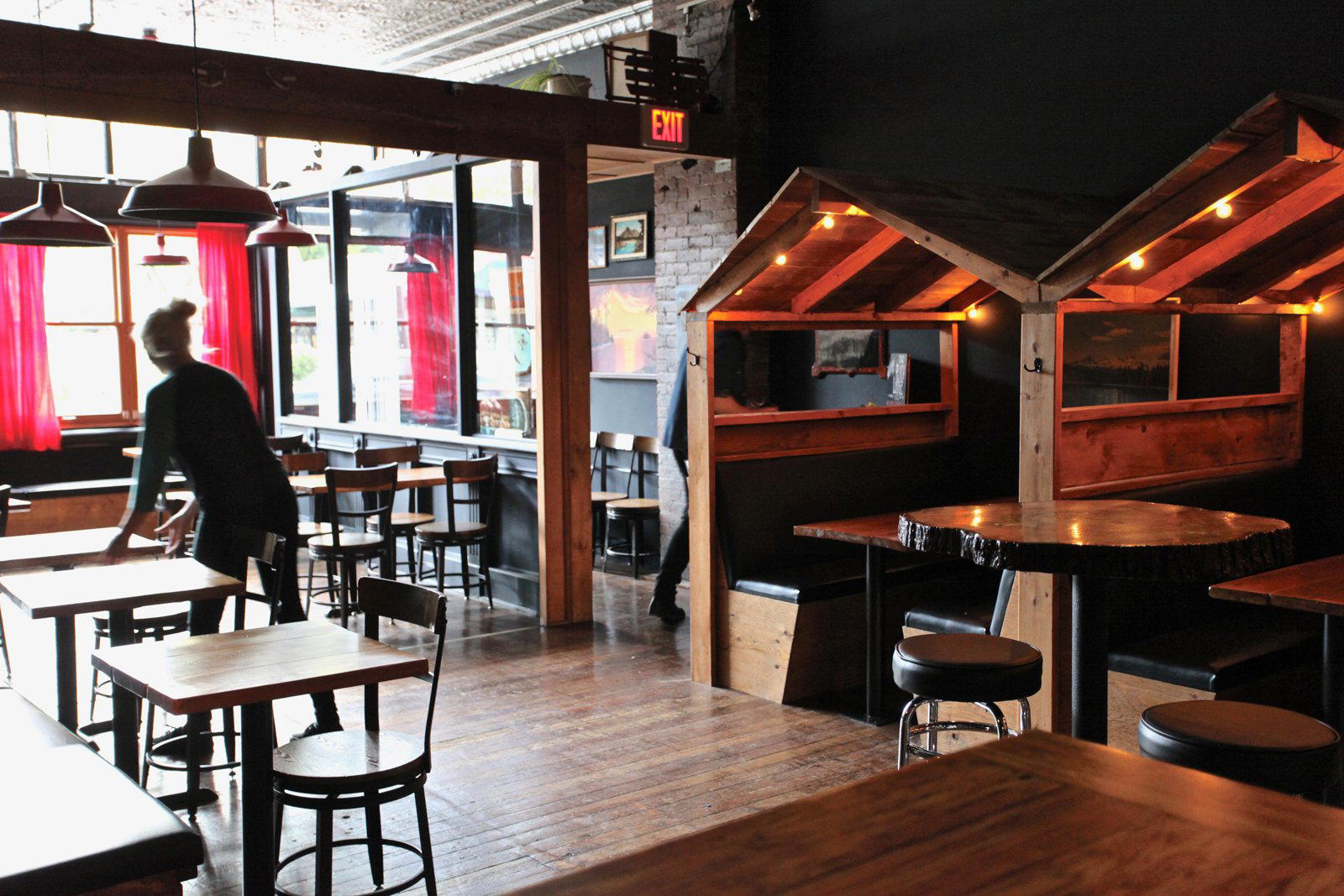
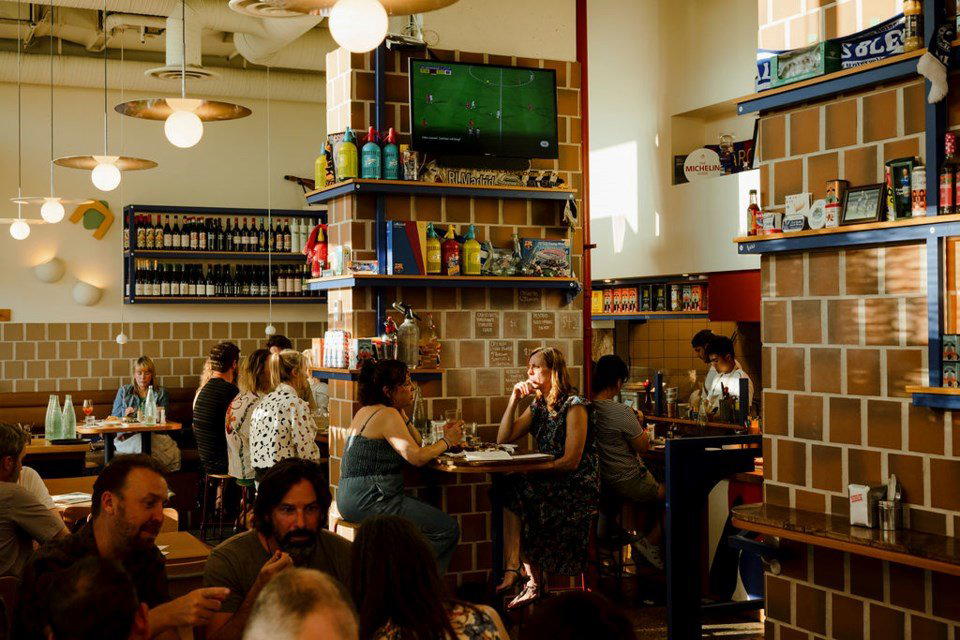
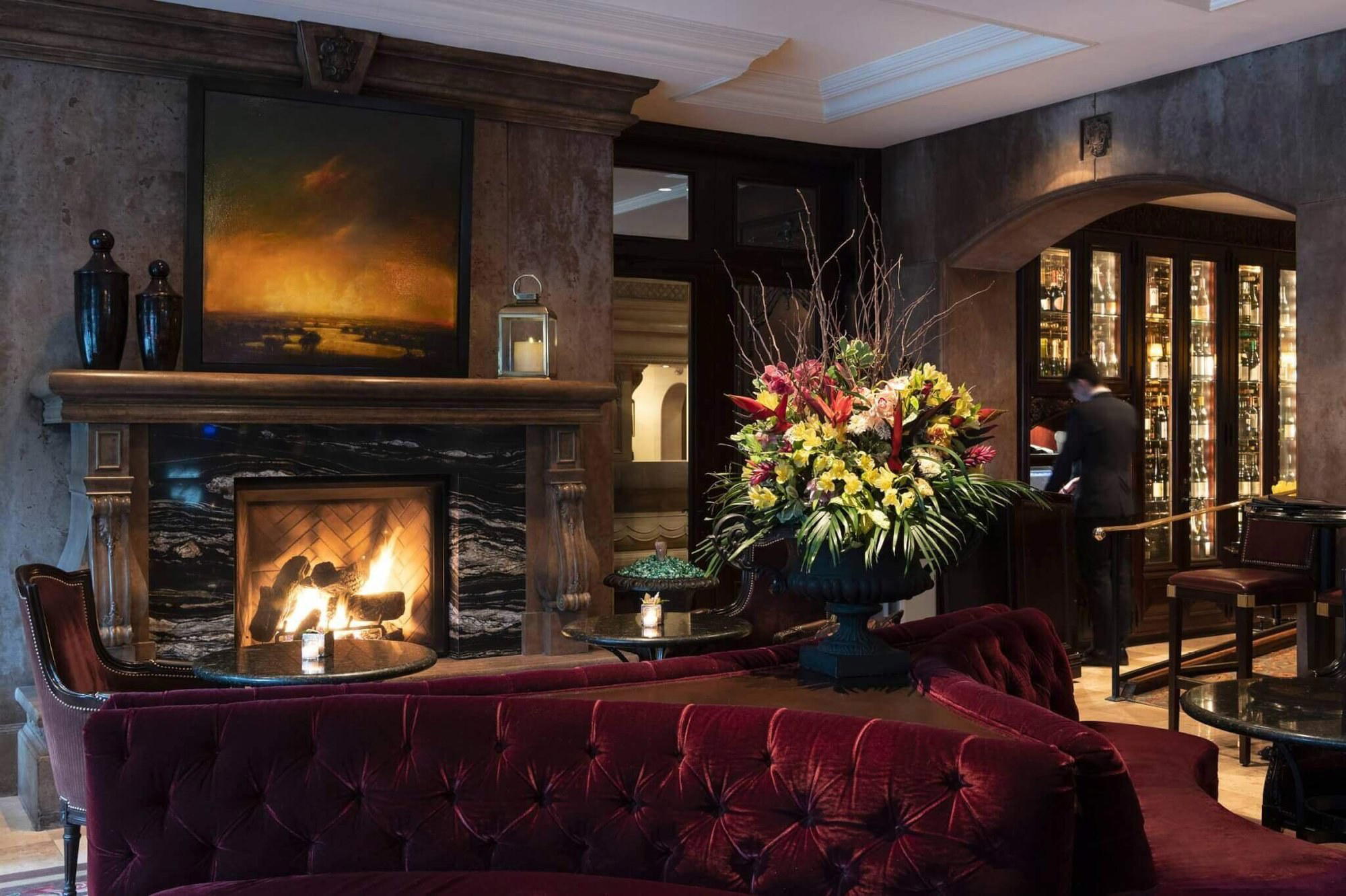
Relaxing and comforting atmosphere with warm lighting, described by guests as pleasant and welcoming for both casual meals and special occasions.