The Anchovy Bar



James Beard Award Semi Finalist · Esquire Best New Restaurants #15
Our verdict
The Anchovy Bar on O'Farrell Street occupies a specific niche in San Francisco's casual seafood scene, framing Californian ingredients through the lens of a single, underused fish. Ranked in Opinionated About Dining's Casual North America list for three consecutive years and named among Esquire's Best New Restaurants in 2021, it has built a sustained following on the western edge of the Fillmore district.

Pearl is the En Primeur Club membership app, where members save venues, book tables and use the concierge.
The menu
What to order
- Anchovies in purgatory
- Caramelized arlette
- Broiled oysters
A Single Ingredient as Organizing Principle
San Francisco's seafood dining has historically split between the dressed-down crab shack and the expense-account counter. What has emerged more recently is a third format: the ingredient-focused casual bar, where one product or category anchors the entire program and forces both kitchen and guest to look harder at what that ingredient can do. The anchovy is a deliberate provocation in this context. It arrives at most American tables as a polarizing pizza topping or a flavor-background note in Caesar dressing, rarely as a headliner. Chef Koji Yokoyama's O'Farrell Street address builds its identity around reframing that assumption.
That framing matters beyond novelty. The anchovy is among the most ecologically efficient seafood choices available on the West Coast, small-bodied and fast-reproducing, which gives an ingredient-focused program built around it a coherence that extends past the plate. California's coastal sourcing networks, which supply the high-end Californian kitchens elsewhere in the city, including the tasting-menu tier occupied by Saison and Lazy Bear, are the same networks that make a hyper-focused bar like this one possible at a casual price point. The ingredient story and the sourcing story are the same story.
Where the Fillmore Meets the Western Addition
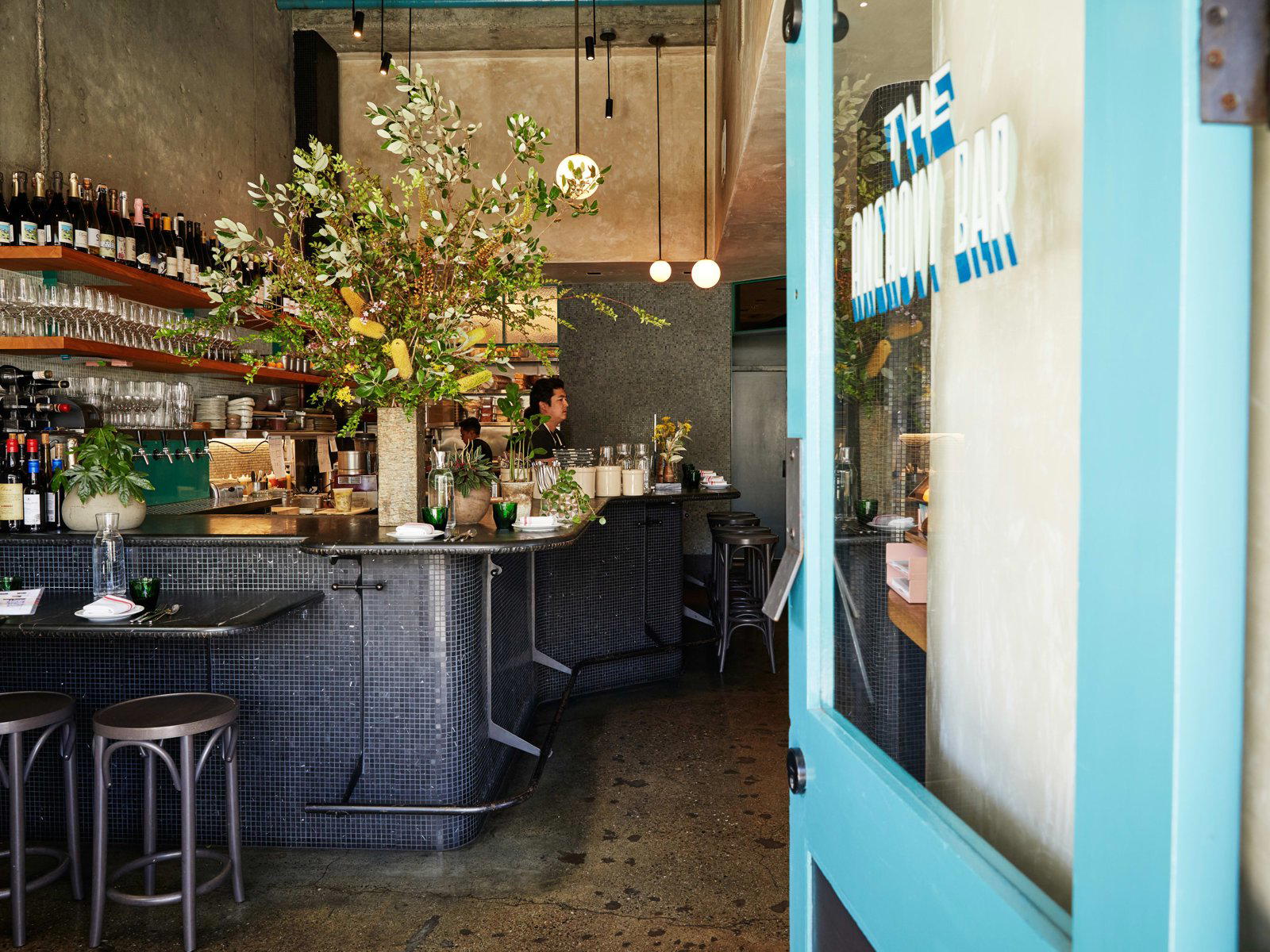
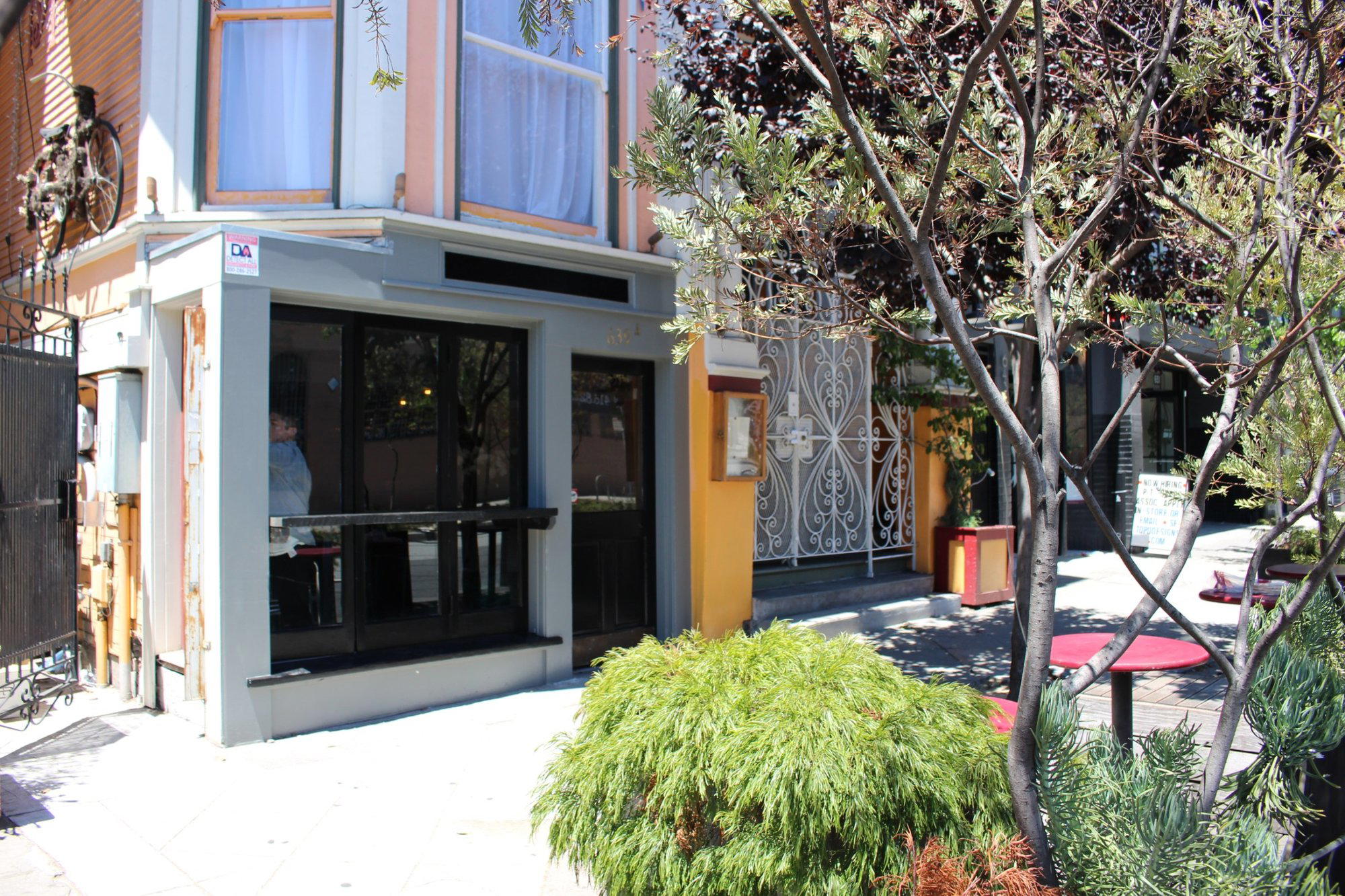
1740 O'Farrell sits at the boundary of the Fillmore and the Western Addition, a stretch that has seen significant dining activity over the past decade without attracting the same concentration of destination restaurants as Hayes Valley or the Mission. That positioning gives The Anchovy Bar a neighborhood-bar quality that the more heavily trafficked corridors have largely lost. The room is accessible rather than designed to impress on Instagram, which aligns with the format: a seafood bar is a format built for repeat visits and direct engagement with the food, not for the considered entrance.
In a city where the most-discussed dining addresses tend to cluster around tasting-menu formats at Atelier Crenn, Benu, and Quince, the casual bar occupies a different role entirely. It absorbs the regular diner rather than the occasion diner. The Anchovy Bar's sustained recognition in Opinionated About Dining's Casual North America rankings, listed at number 666 in 2025 after ranking 689 in 2024 and receiving a recommendation in 2023, reflects exactly that: a program that has maintained quality across multiple years rather than peaking at opening.
The Sourcing Logic Behind the Menu
An ingredient-specific bar lives or dies on the quality and variety of what comes through the back door. For a West Coast anchovy program, that means engaging with the California market's relationship to small pelagics, a category that spent decades moving almost entirely into industrial use, pet food, and bait. The revival of anchovy as a fine-dining-adjacent ingredient in the United States tracks with broader shifts in how California chefs have engaged with undervalued local species, a trend with clear parallels in Spanish and Ligurian coastal cooking, where salt-cured anchovies have carried serious prestige for centuries.
The curing and fermentation traditions that surround anchovies in those European contexts, particularly the long-aged tinned and salt-packed styles from Cantabria and the Sicilian coast, provide a reference library for what's possible with the ingredient. Whether The Anchovy Bar draws directly on those traditions or pursues a more California-native interpretation is the kind of question the menu answers more clearly than a description can. The point is that the format has serious precedent and serious depth available to it, which separates a concept like this from the many single-ingredient gimmick restaurants that do not survive their opening year. The OAD tracking record here, now spanning 2023 through 2025, suggests the kitchen has found a way to sustain that depth.
For context on what sustained excellence in West Coast seafood looks like at the top of the market, Providence in Los Angeles offers a useful reference point, as does Le Bernardin in New York City, which has spent decades demonstrating how rigorously a kitchen can develop a seafood-only identity. The Anchovy Bar operates at a different price tier and format entirely, but the editorial logic, that a narrow focus creates depth rather than limitation, connects them.
How It Fits the Wider San Francisco Scene
San Francisco's position in American dining has always been somewhat independent from the coasts-and-Chicago axis that frames most national conversations. The French Laundry in Napa and Single Thread Farm in Healdsburg anchor the Northern California fine-dining identity in the broader national frame, but the city itself has a stronger tradition in the middle tier: ingredient-driven, relatively informal, built on farmer and fishmonger relationships that predate the current farm-to-table terminology. The Anchovy Bar sits inside that tradition. Esquire's 2021 Best New Restaurants list, which placed it at number fifteen, recognized it at the moment of arrival; the OAD rankings are the more meaningful signal of where it has settled in.
The casual seafood bar as a format is not unique to San Francisco, but the city's proximity to both Pacific fishing grounds and a deeply developed chef-producer network gives it particular traction here. A kitchen on O'Farrell Street has access to ingredients and relationships that a comparable bar in a landlocked city simply does not. That access is what the format is built to make legible.
For readers building a fuller San Francisco itinerary, our full San Francisco restaurants guide covers the complete range from tasting counters to neighborhood spots. The San Francisco bars guide and experiences guide are useful for rounding out the visit, and the hotels guide covers accommodation across the city's distinct neighborhoods. Wine drinkers planning day trips into the surrounding region should consult the wineries guide for Northern California context.
Internationally, the single-ingredient seafood bar format has found serious expression at addresses like 8½ Otto e Mezzo Bombana in Hong Kong and in the kind of focused programs that Atomix in New York City has demonstrated are possible within tightly defined culinary frameworks. The Anchovy Bar operates in a less formal register than either, but the discipline of the concept is comparable.
Planning Your Visit
Note that the listed hours in available databases show all days as closed, which likely reflects a temporary closure or an outdated data entry rather than a permanent closure given the active 2025 OAD ranking. Confirm current hours and availability directly before visiting. Address: 1740 O'Farrell St, San Francisco, CA 94115. Recognition: Opinionated About Dining Casual North America 2023, 2024, and 2025; Esquire Leading New Restaurants #15 (2021). Format: Casual seafood bar, Californian and seafood-focused. Nearby dining: The Fillmore and Western Addition neighborhoods offer a range of casual and mid-range options for extending an evening. For broader context on what else San Francisco's dining scene offers across price tiers, see our guides to Alinea in Chicago and Emeril's in New Orleans for comparison points on how ingredient-driven American regional cooking operates across different cities.
What Regulars Order
What the format and concept make clear is that a regular at an anchovy-focused bar is likely working through variations on the core ingredient across preparations: raw, cured, fried, fermented, and served alongside the acidic and fat-forward elements that the fish demands. Chef Koji Yokoyama's Californian framing suggests the kitchen draws on local produce and coastal pantry items to build those plates.
Comparable Spots, Quickly
| Venue | Cuisine | Price | Awards | Notes |
|---|---|---|---|---|
| The Anchovy BarThis venue (the venue you are viewing) | Modern Seafood Small Plates | $50–100 | James Beard Award Semi Finalist · Esquire Best New Restaurants #15 | Not listed |
| Lazy Bear | Modern American Tasting Menu | Not listed | 2 Michelin Stars · World's 50 Best #25 | Progressive American, Contemporary |
| Benu | Modern Asian Fusion Fine Dining | $150–200 | 3 Michelin Stars · World's 50 Best #33 | French - Chinese, Asian |
| Atelier Crenn | Contemporary French Fine Dining | $300–500 | 3 Michelin Stars · World's 50 Best #44 | Modern French, Contemporary |
| Quince | Modern French Fine Dining | $300–500 | 3 Michelin Stars · World's 50 Best #48 | Italian, Contemporary |
| Saison | Modern French-Italian | Not listed | Michelin Plate | Progressive American, Californian |
Recognition history
Dated appearances from independent guides and award organizations, with the underlying list record or original source where available.
James Beard Award Semi Finalist
James Beard Award
Opinionated About Dining Casual in North America Recommended
Opinionated About Dining
Esquire Best New Restaurants #15
Esquire
Full recognition history (7 entries)
James Beard Award Semi Finalist
James Beard Award
Opinionated About Dining Casual in North America Ranked #666
Opinionated About Dining
Opinionated About Dining Casual in North America Ranked #689
Opinionated About Dining
Opinionated About Dining Casual in North America Recommended
Opinionated About Dining
Continue exploring
More in San Francisco
Restaurants in San Francisco
All restaurants in San Francisco →
Bars in San Francisco
All bars in San Francisco →
Details
- Intimate
- Romantic
- Trendy
- Cozy
- Date Night
- Special Occasion
- Open Kitchen
- Sustainable Seafood
- Local Sourcing
- Small Plates
- A La Carte
- Wine
- Pescatarian Friendly
Current opening hours
- Monday
- 5:30–9 PM
- Tuesday
- 5:30–9 PM
- Wednesday
- 5:30–9 PM
- Thursday
- 5:30–9 PM
- Friday
- 5:30–9 PM
- Saturday
- 5–9 PM
- Sunday
- 5–9 PM
Hours can change for holidays and private events. Hours as of .
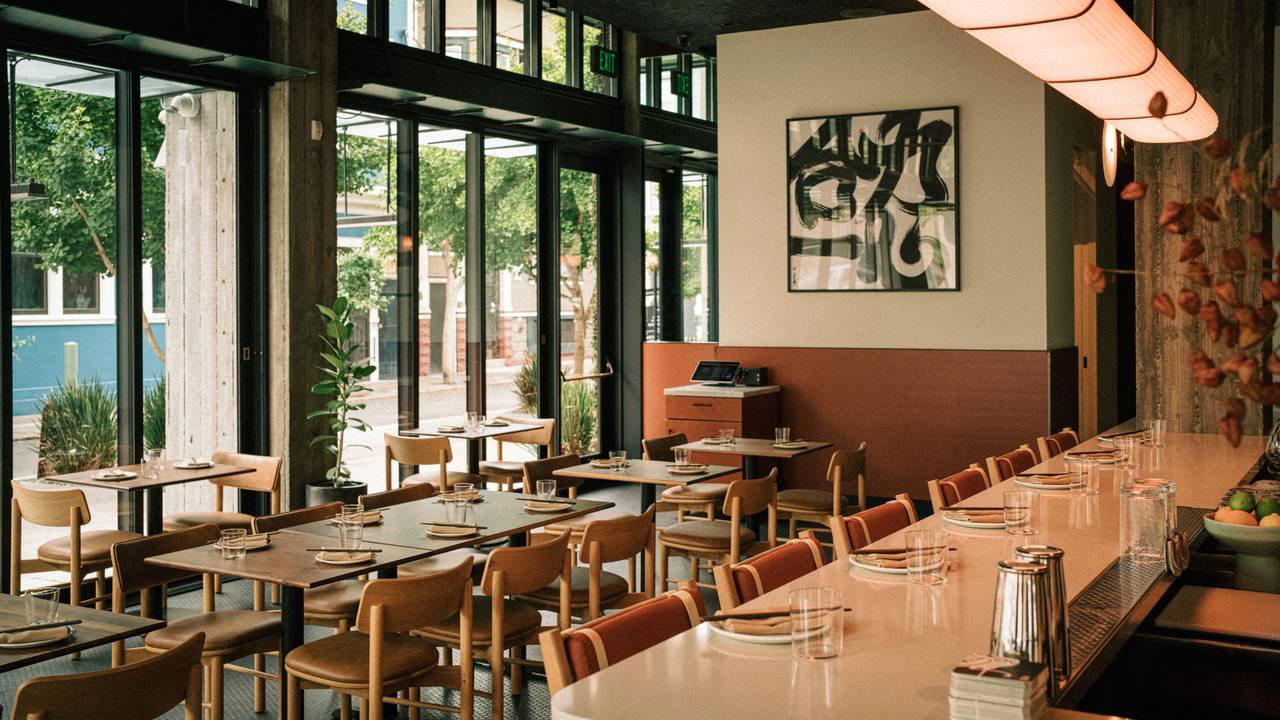
Intimate and romantic with leafy floral arrangements, wavy coastal ceiling textures, dark tile accents, and an open kitchen humming with activity amid a joyful, food-loving neighborhood party vibe.