
A compact counter in Takamatsu’s udon country, Teuchi Udon Hariya belongs to Kagawa’s serious noodle circuit rather than the casual sightseeing checklist. Tabelog selected it for Udon KAGAWA 100 in 2024, and its chicken tempura udon gives the shop a clear place in a prefecture where wheat noodles are daily culture, not novelty.
Pearl is the En Primeur Club membership app — saves, bookings, and concierge access live there. Same editors, same standards.
- Address
- 587-174 Gotocho, Takamatsu, Kagawa 761-8031, Japan
- Phone
- +81 87-882-3301
- Website
- tabelog.com
 Saves & bookings on Pearl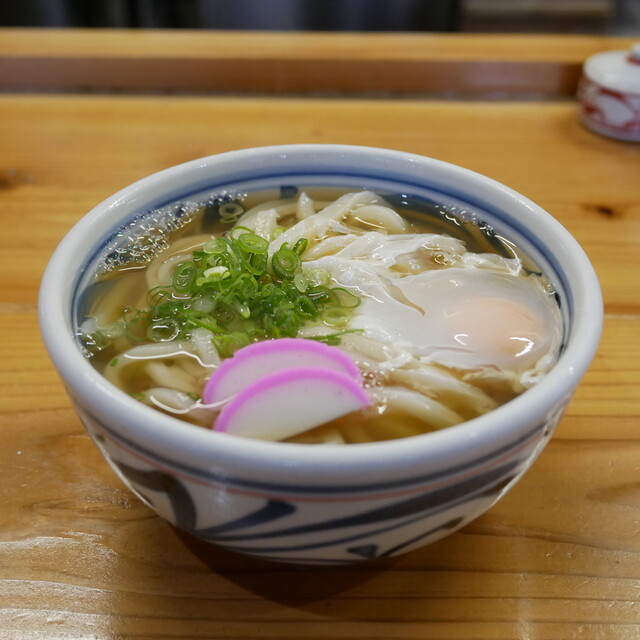
The approach is modest: a house-style udon shop in Gotocho, counter seats, no dining-room theatre, and the clipped rhythm of a place built around lunch rather than lingering. In Kagawa, that restraint is part of the point. Sanuki udon is not a luxury import or chef-led reinterpretation; it is a local staple judged by texture, broth, pace, and whether the bowl earns its place in a prefecture crowded with specialists.
Teuchi Udon Hariya sits in that demanding Takamatsu context. The signal is not décor or ceremony but category recognition: selection for Tabelog Udon KAGAWA 100 in 2024, after earlier Tabelog Udon WEST 100 selections in 2020 and 2022. In a city where visitors can build entire days around noodles, that matters because Kagawa’s udon field is unusually deep. A shop here is not competing against generic Japanese restaurants; it is being measured against local expectations formed by repeated, everyday eating.
Sanuki udon judged by texture, speed, and restraint
Kagawa’s udon culture rewards a narrow set of virtues. The noodle needs enough spring to register under the teeth, the broth must support rather than smother, and toppings work only when they keep the bowl direct. That is why udon in Takamatsu often reads differently from ramen tourism in larger cities. The performance is quieter, the price tier lower, and the assessment harsher because regulars have reference points close at hand.
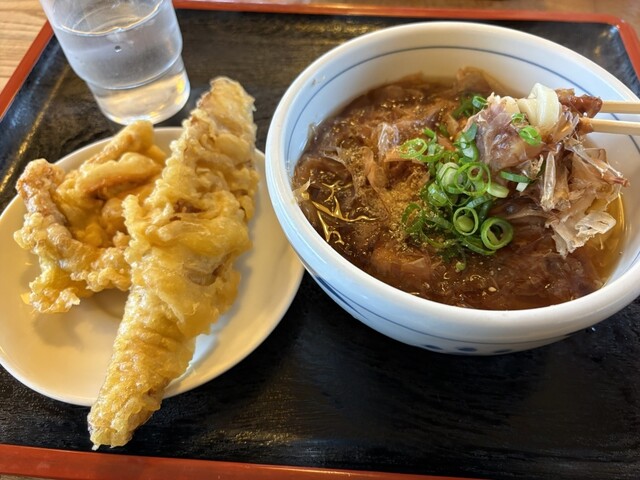
Within that frame, Hariya’s known marker is chicken tempura udon. The detail is useful because it places the shop in a familiar Sanuki pattern: a simple noodle base sharpened by a fried topping rather than expanded into a tasting-menu idea. The appeal is not novelty. It is the discipline of doing a popular form cleanly enough to remain visible in a prefecture that treats udon as infrastructure.
That comparison is clearer when set against other Takamatsu counters. Chikusei Honten belongs to the low-price, high-frequency side of the city’s udon map, while the local conversation also includes places such as Udon Sakaeda, Makoto Udon, Menya Shichifuku Honten, and Teuchi Udon Hisaeda. The useful question is not which shop defeats the others in a tourist ranking. It is what style of udon day a traveller is building: a quick central stop, a neighbourhood detour, or a focused run through Kagawa’s more serious noodle addresses.
Hariya suits the last two categories. The room’s counter-only format keeps attention on turnover and the bowl, and the absence of private-room dining aligns it with the prefecture’s democratic udon tradition. This is food culture with low ceremony and high specificity. The traveller who understands that will read the place more accurately than the one looking for a grand restaurant narrative.
Where it fits in a Takamatsu eating day
Takamatsu is a city where the practical shape of eating matters. Udon shops often concentrate demand into short daytime windows, and the better-known counters can be more about timing than luxury. Hariya follows that logic: it is a lunch-driven address, counter-based, with reservations unavailable and take-out listed as part of the service format. Those details point to a visit planned around the meal, not slotted casually between long museum stops and late dinners.
The Gotocho location also changes the rhythm. This is not the same move as stepping off a main shopping street for noodles. The nearest station is Kozai, and the shop sits outside the densest visitor core, which gives it a different value for travellers mapping Takamatsu beyond the port and central arcades. For broader planning, Our full Takamatsu restaurants guide is the natural companion; the city’s hotel base, drinking routes, and regional excursions are better handled through Our full Takamatsu hotels guide, Our full Takamatsu bars guide, Our full Takamatsu wineries guide, and Our full Takamatsu experiences guide.
For travellers comparing local meals, Takamatsu’s strength is range within a small field rather than dramatic category spread. Azuma, Furukawa Udon, and Furusato Udon help show how much variation can exist inside the same basic noodle grammar. Fumiya Okonomiyaki Honten widens the day into griddle cooking, useful when a second udon bowl would be research rather than appetite.
Seen from outside Kagawa, the price bracket can make these shops look casual to the point of interchangeability. That is the wrong reading. Low cost here does not mean low stakes. It means the culture developed around repeat eating, local mobility, and a short list of technical judgments that regular diners apply quickly. Recognition from Tabelog’s udon lists gives Hariya an external signal, but the stronger editorial point is that Takamatsu’s udon addresses earn attention by surviving comparison in a place that already knows the form intimately.
A counter meal with a clear purpose
The strongest reason to prioritize Teuchi Udon Hariya is focus. The shop’s format, category recognition, and known chicken tempura udon all point in the same direction: a concise Sanuki udon meal for travellers who want the local tradition without turning it into a staged event. It is not the address for a long, wine-led lunch or a broad menu survey. It is the address for understanding how much Takamatsu can say through wheat noodles, broth, and a counter seat.
That makes it particularly useful on a Kagawa itinerary built around comparison. Pair it with another udon specialist rather than treating it as the only noodle stop, then use the contrast to read the city more clearly. Beyond Japan, the same principle applies when comparing focused regional formats with more elastic dining rooms: -Grilled beef Sukiyaki- KAMAKURA TANUKIAN 鎌倉 たぬき庵 in Kamakura. 鮪と炭火焼き うお炭 秋葉原店 in Tokyo.cafe in Osaka.know in Kumamoto, (Shoku) Vietnam in Kawasaki, [Curry Senmon Ten] Maruyama Kyoju. in Sapporo, Jōdo Saké Bar in Los Angeles, and Onigiri Time in Pasadena all show how narrow formats travel, adapt, or remain rooted. In Takamatsu, udon needs no translation. The city already speaks it fluently.
Budget Reality Check
Side-by-side context: comparable cuisine and price.
| Venue | Cuisine | Price | Notes |
|---|---|---|---|
| Teuchi Udon HariyaThis venue — the venue you are viewing | Not listed | $ | Not listed |
| Udon Sakaeda | Takamatsu, Sanuki Udon | $ | Not listed |
| Fumiya Okonomiyaki Honten | Not listed | $ | Takamatsu, Okonomiyaki (Japanese savory pancakes) |
| Oshima Udon | Takamatsu, Traditional Sanuki udon | $ | Not listed |
| Udonya Goemon | Not listed | $ | Takamatsu, Late-night Sanuki udon & black curry udon |
| 両忘 | Takamatsu, Conveyor Belt Sushi | $ | Not listed |
Recognition history
Dated appearances from independent guides and award organizations, with the underlying list record or original source where available.
Tabelog 100 #66 · No. 66
Tabelog · Tabelog 100 - Udon - KAGAWA - 2024
Continue exploring
More in Takamatsu
Restaurants in Takamatsu
Browse all →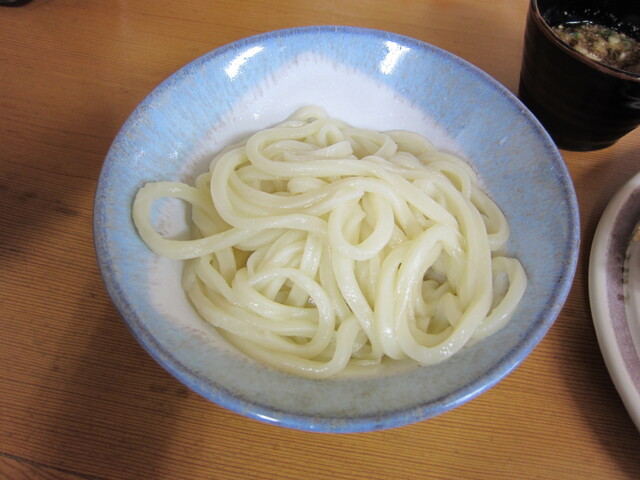

At a Glance
- Cozy
- Classic
- Well Known
- Solo
- Family
- Casual Hangout
- Standalone
- Chefs Counter
Current opening hours
- Monday
- 11 AM–2 PM
- Tuesday
- 11 AM–2 PM
- Wednesday
- 11 AM–2 PM
- Thursday
- 11 AM–2 PM
- Friday
- 11 AM–2 PM
- Saturday
- 11 AM–2 PM
- Sunday
- Closed
Hours can change for holidays and private events. Last verified .