
Udon Sakaeda belongs to Takamatsu’s serious, everyday Sanuki udon culture, where speed, wheat texture, and sourcing discipline matter more than ceremony. Its repeated Tabelog 100 Udon selections place it among Kagawa’s recognized noodle houses, while the format remains grounded in the city’s low-cost, high-turnover udon rhythm.
Pearl is the En Primeur Club membership app — saves, bookings, and concierge access live there. Same editors, same standards.
- Address
- 香川県高松市番町5-2-23
- Phone
- +81878346291
- Website
- sakaedaudon.jp
 Saves & bookings on Pearl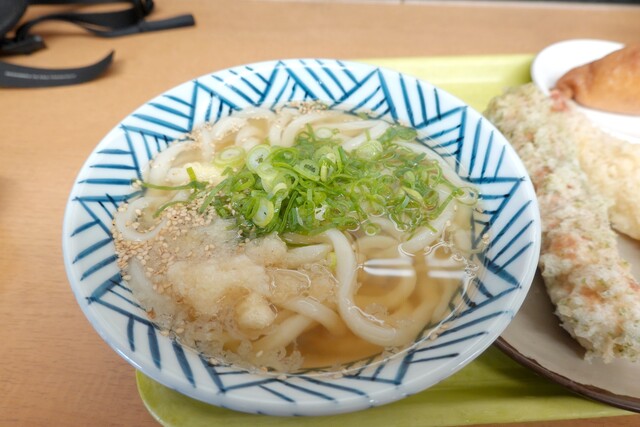
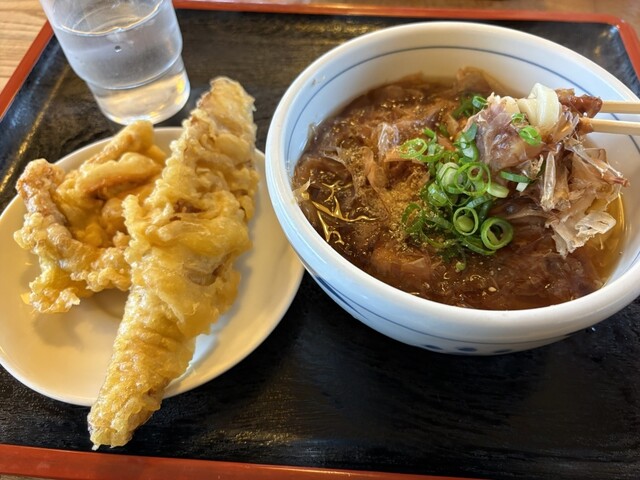
The approach to a serious Takamatsu udon shop is rarely theatrical. The clues are practical: a house-style room, counter seats, tables, and the steady movement of diners who understand that Sanuki udon is measured by wheat, water, timing, and turnover rather than by decoration. In Kagawa, the noodle is not a side dish to a travel itinerary. It is the itinerary, and the better shops make that point with almost no ornament.
Udon Sakaeda sits inside that tradition. The relevant comparison is not a Tokyo tasting counter or a Kyoto kaiseki room, but the local circuit of self-assured Takamatsu noodle houses where a bowl must justify itself quickly. Recognition on Tabelog 100 Udon Kagawa 2024 gives the shop an external signal, but the more revealing fact is category discipline: this is udon in its home prefecture, judged against other Kagawa udon specialists rather than against general Japanese dining.
Sanuki udon as a sourcing culture, not a noodle trend
Sanuki udon’s reputation comes from a narrow set of variables. Wheat flour, salt, water, kneading, resting, cutting, boiling, and service timing all show up in the final texture. Kagawa’s climate and food culture turned those variables into a regional obsession, and the city’s strongest udon counters tend to treat garnish and broth as support for the noodle rather than distraction from it. That is why a low-priced bowl in Takamatsu can carry more local meaning than a longer, costlier meal elsewhere in Japan.
The ingredient story here is less about rare luxury produce than about repetition and control. Udon depends on gluten structure and hydration; small changes in resting time or boiling rhythm alter chew, surface, and how the noodle carries broth. Takamatsu’s udon culture rewards shops that can produce that consistency under everyday demand. Udon Sakaeda’s repeated Tabelog 100 selections, including earlier udon list recognition in 2017, 2018, 2019, 2020, and 2022, point to that kind of continuity.
That matters because Sanuki udon is often misunderstood by visitors as a casual snack category. In Kagawa, casual does not mean careless. The form is democratic, but the standards are severe. A shop can be inexpensive, fast, family-friendly, and still operate inside a serious craft tradition. The point is not luxury; the point is a regional food system where local diners have decades of muscle memory for noodle texture.
Where it sits in Takamatsu's udon circuit
Takamatsu’s udon map is dense enough that distinctions become useful. Some shops function as commuter breakfasts, some as lunch-line institutions, some as neighborhood staples, and some as destinations for travelers trying to understand why Kagawa built an identity around wheat noodles. Udon Sakaeda belongs to the accessible specialist tier: recognized, practical, and rooted in the city rather than styled for visitors.
Within Takamatsu, the meaningful peers are other low-cost udon houses rather than broader restaurants. Chikusei Honten is part of the same everyday udon conversation, while Furukawa Udon and Furusato Udon help show how deep the category runs across the city. Azuma broadens the local noodle map, and Fumiya Okonomiyaki Honten is useful contrast for travelers reading Takamatsu through casual regional food rather than formal dining.
The difference from a higher-spend restaurant in the same city is not simply cost. It is tempo. Udon shops compress the meal into a few decisions and a short window of attention. The format asks the diner to focus on chew, broth, temperature, and pacing. A place with 50 seats, counter and table seating, take-out service, and a non-smoking room signals function first. That function is part of the appeal: Sanuki udon is at its strongest when it remains close to daily life.
There is also a seasonal footnote worth taking seriously. Winter kisoba appears in the shop’s remarks, which places the restaurant within a broader Japanese habit of adjusting noodle formats with weather rather than treating the menu as fixed spectacle. That does not turn the venue into a seasonal destination restaurant; it simply shows how a utilitarian udon shop can carry local calendar logic.
How to read the room and plan the wider Takamatsu stop
The right expectation is a focused noodle stop, not a lingering multi-course meal. Reservations are not part of the format, which aligns with the city’s udon culture: turnover, directness, and diners who know what they came for. Payment and seating details matter because this kind of restaurant is built around flow. The smarter move is to treat it as one anchor in a day of regional eating, with enough time left to compare another udon counter rather than forcing the meal to carry the whole afternoon.
For a broader city read, Our full Takamatsu restaurants guide gives the clearest dining overview, while Our full Takamatsu hotels guide, Our full Takamatsu bars guide, Our full Takamatsu wineries guide, and Our full Takamatsu experiences guide help place the meal inside a wider stay. Travelers comparing regional Japanese comfort formats can also look beyond Kagawa to -Grilled beef Sukiyaki- KAMAKURA TANUKIAN 鎌倉 たぬき庵 in Kamakura. 鮪と炭火焼き うお炭 秋葉原店 in Tokyo.cafe in Osaka.know in Kumamoto, (Shoku) Vietnam in Kawasaki, [Curry Senmon Ten] Maruyama Kyoju. in Sapporo, Jōdo Saké Bar in Los Angeles, and Onigiri Time in Pasadena.
The editorial case is simple: this is not a place to inflate with luxury language. Its value lies in how clearly it represents Takamatsu’s udon grammar. The award history supplies a trust signal, the format keeps the experience grounded, and the category itself explains why Kagawa remains Japan’s essential prefecture for Sanuki udon.
At-a-Glance Comparison
Nearby venues at a similar price tier for orientation.
| Venue | Cuisine | Price | Notes |
|---|---|---|---|
| Udon SakaedaThis venue — the venue you are viewing | Sanuki Udon | $ | Not listed |
| Sanuki Udon Ueharaya Honten | Traditional Sanuki udon | $ | Takamatsu |
| Honkaku Teuchi Udon Menmusubi | Traditional Sanuki Udon | $ | Takamatsu |
| Kona Ya | Self-service Sanuki udon & soba | $ | Takamatsu |
| Fumiya Okonomiyaki Honten | Okonomiyaki (Japanese savory pancakes) | $ | Takamatsu |
| Nakanishi Udon | Sanuki udon noodle shop | $ | Takamatsu |
Recognition history
Dated appearances from independent guides and award organizations, with the underlying list record or original source where available.
Tabelog 100 #42 · No. 42
Tabelog · Tabelog 100 - Udon - KAGAWA - 2024
Continue exploring
More in Takamatsu
Restaurants in Takamatsu
Browse all →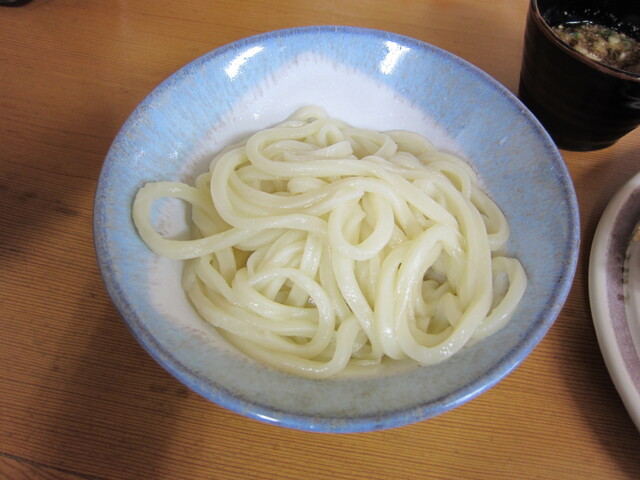
At a Glance
- Cozy
- Classic
- Solo
- Family
- Casual Hangout
- Group Dining
- Standalone
- Street Scene
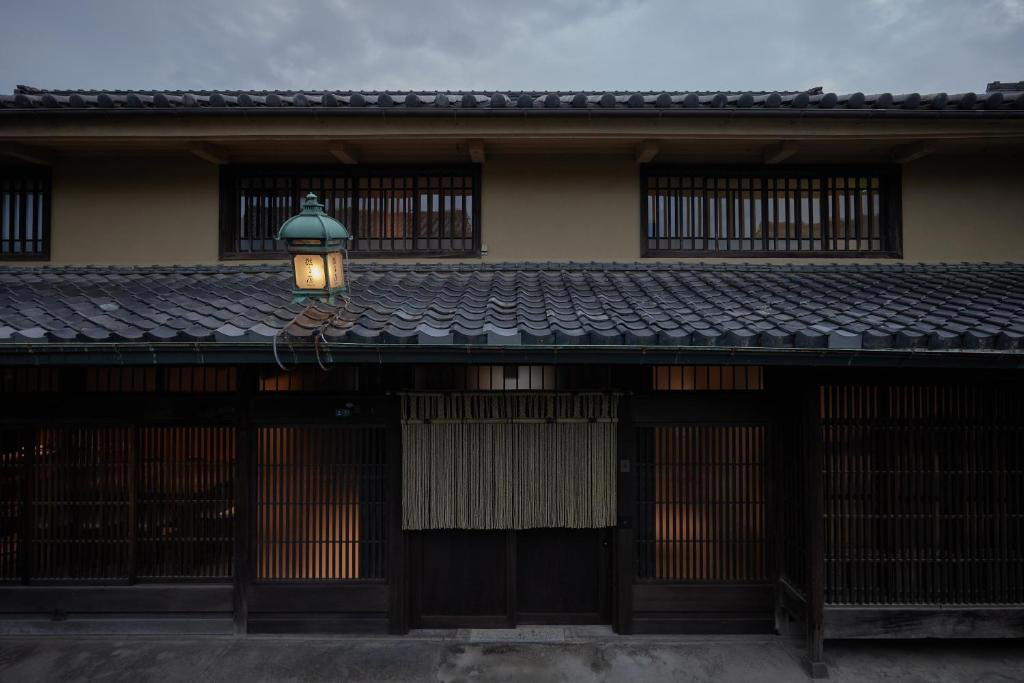
Simple, local, self-service udon-shop atmosphere with a casual, everyday neighborhood feel.