
Teuchi Soba Ginnan brings Tokyo’s soba ritual into a quieter Koto setting, with handmade buckwheat noodles, deep-fried dishes, and a drinks program that includes sake, shochu, and wine. Its Tabelog 100 Soba EAST 2025 selection places it within a serious regional soba conversation rather than the city’s luxury tasting-menu circuit.
Pearl is the En Primeur Club membership app — saves, bookings, and concierge access live there. Same editors, same standards.
- Address
- 2 Chome-15-3 Ojima, Koto City, Tokyo 136-0072, Japan
- Phone
- +81 3-3681-9962
- Website
- silver-apricot.com
 Saves & bookings on Pearl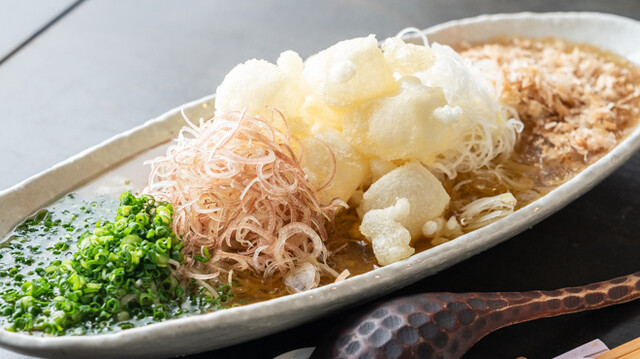
Ojima is not the Tokyo most visitors use as shorthand for eating well. East of the familiar hotel-and-department-store orbit, daily life moves at lower volume and restaurants read first as neighbourhood rooms, not destination stages. That context suits soba: a meal of pacing, temperature, and restraint, with a short wait, a clean table, and noodles focused enough that texture registers before spectacle. Teuchi Soba Ginnan belongs to this modest, exacting register.
Tokyo soba culture rewards repetition over novelty. Unlike sushi counters, which often telegraph luxury through scarcity and choreography, soba houses ask diners to notice smaller differences: hand-cut thickness, buckwheat aroma, dipping sauce concentration, and the rhythm between noodles, fried dishes, and sake. Selection for Tabelog 100 Soba EAST 2025 gives the restaurant a clear trust signal within a regional field of specialist buckwheat shops, not a broad casual-dining list. A Tabelog score of 3.71 reinforces it as a serious soba address outside the obvious tourist axis.
Handmade soba as a Tokyo dining ritual, not a performance format
Read this meal not as a long tasting menu but as a sequence with rules. Tokyo soba traditionally balances speed and contemplation: noodles arrive before the table settles into a full evening tempo, yet the details punish distraction. Handmade buckwheat noodles, especially from stone-ground, house-milled flour, ask for different attention than ramen or udon. The pleasure is in bite, aroma, and calibrated tsuyu, not abundance.
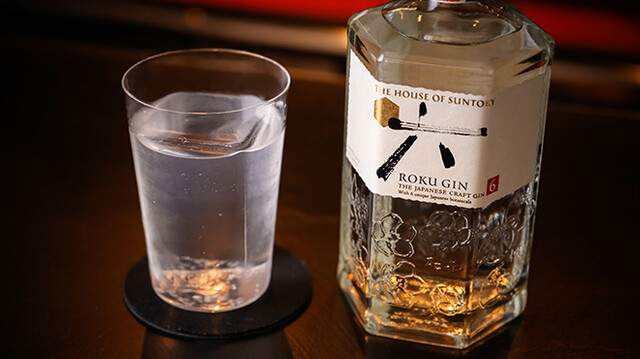
Teuchi Soba Ginnan’s categories explain it neatly: soba, deep-fried foods, and a Japanese sake bar. The combination is culturally precise. Tempura and other fried dishes add weight without turning the meal into a banquet; sake and shochu stretch the table into an evening without changing the room’s core identity. Wine is also offered, placing it in a contemporary soba bracket where traditional structure remains intact but the beverage conversation has widened.
Against Tokyo venues in a similar budget band, the distinction is format more than price. L'INSIEME works the Italian lane at a comparable dinner range, Tandoor Bar Kamal 2 Go sits lower at dinner and similar at lunch, and Bar Porteno prices higher for dinner. Teuchi Soba Ginnan is more specific: a disciplined buckwheat meal with enough side structure for dinner, not a general-purpose night out. For category-minded readers, it belongs beside specialist meals rather than broad international dining. For a wider scan, Our full Tokyo restaurants guide is the better frame.
Koto gives the room a neighbourhood cadence
The Ojima, Koto City address shifts expectations before ordering. This is eastern Tokyo, away from Ginza counters and the international hotel belt. The geography brings the meal closer to everyday Tokyo food grammar: families, friends, small groups, and regular rhythms rather than a room built only for reservation-chasing visitors. Soba is one of the city’s democratic forms: quick, serious, affordable, and ceremonial at once.
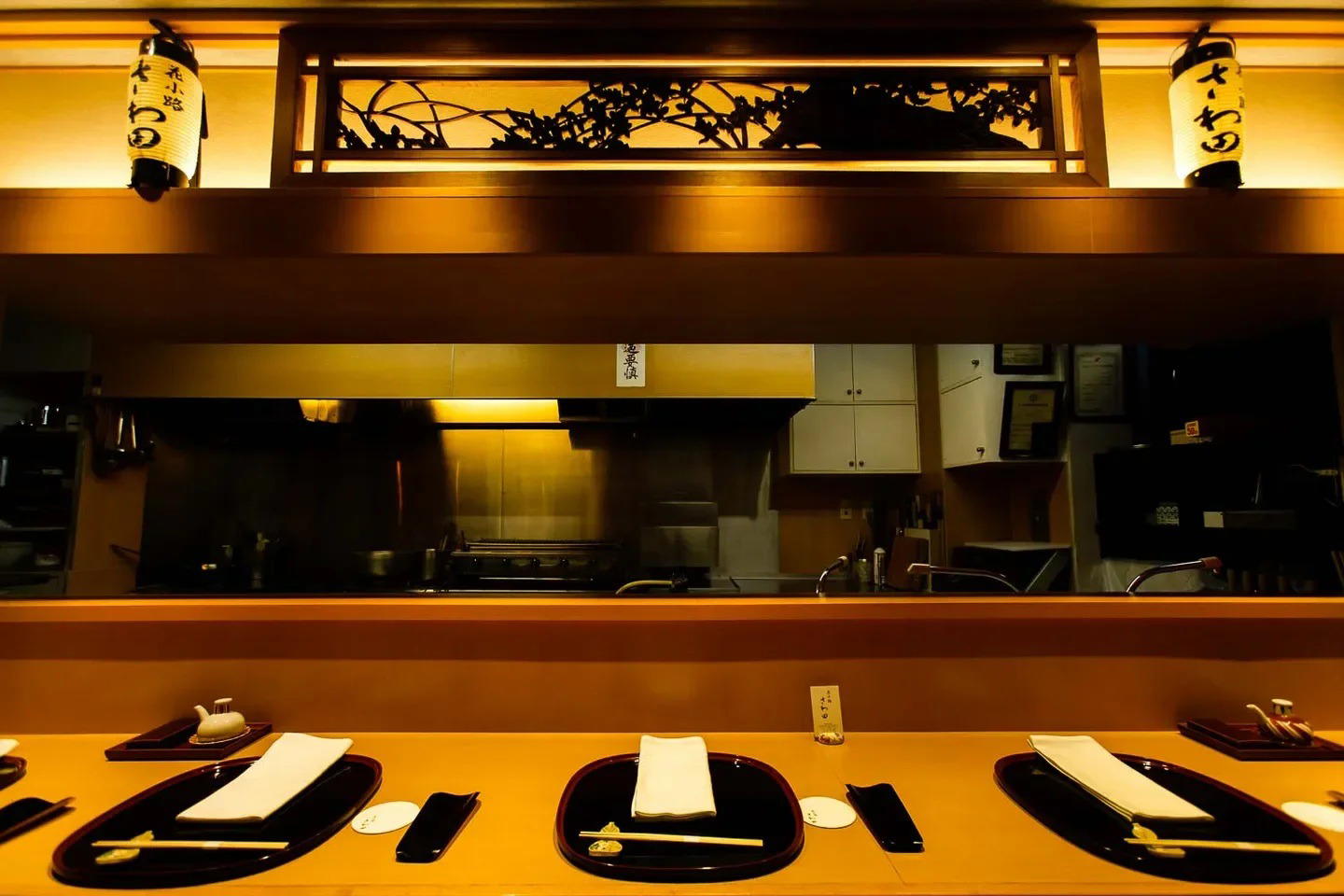
The scale supports that reading. With 26 seats across the first floor and a second-floor table area, the experience stays intimate without becoming counter-theatre. There are no private rooms, keeping the shared-room tradition, although private use is listed for up to 20 people. Children are welcomed, including preschool and school-age diners, and strollers are allowed; child chairs are not provided. This is a neighbourhood soba house with standards, not a hushed luxury room pretending daily life does not exist.
A no-smoking policy, wheelchair accessibility, tatami-room element, and multilingual staff in English, Chinese, and Korean make it easier for travellers than many small Tokyo specialists. Still, the etiquette is Japanese in spirit: arrive for the meal, order cleanly, and do not stretch the table past the restaurant’s rhythm. Soba can sell out, rewarding earlier timing and punishing the assumption that dinner hours work like a hotel restaurant.
How to place it in a Tokyo itinerary
Its strongest use is a focused soba meal on a day spent east of central Tokyo, or a corrective to a trip overloaded with tasting menus and counter seats. Lunch sits in a lower band than dinner; dinner reflects the fuller soba-and-drinks format. Reservations are available for dinner but not lunch, making midday dependent on timing and patience. Payment is more flexible than at many traditional rooms: major credit cards are accepted, electronic money is not, and PayPay is listed.
In a Tokyo food itinerary, the restaurant plays a different role from yakitori, curry, café culture, and izakaya-style seafood. A day could run from soba in Koto to grilled skewers at 124. KAGURAZAKA (Yakitori), curry at 3 Chome no Curry Ya San, or casual visual café culture at 2D Cafe. For a drink-led evening, Our full Tokyo bars guide gives the broader field; for lodging geography, Our full Tokyo hotels guide helps decide whether Koto is a dedicated excursion or part of an east-side day.
The restaurant clarifies a larger Japan point: not every serious meal announces itself through ceremony. Some of the country’s strongest dining traditions work through repetition, small technical decisions, and a customer base that understands the format. Soba should sit alongside sushi, tempura, and kaiseki in any serious Tokyo plan, even when the room is quieter and the bill less theatrical. Travellers extending that logic beyond Tokyo can compare regional Japanese formats through -Grilled beef Sukiyaki- KAMAKURA TANUKIAN 鎌倉 たぬき庵 in Kamakura, [ki:] in Kyoto.cafe in Osaka.know in Kumamoto, [Curry Senmon Ten] Maruyama Kyoju. in Sapporo, and (Shoku) Vietnam in Kawasaki.
International comparisons help only if they sharpen the point. Jōdo Saké Bar in Los Angeles and Onigiri Time in Pasadena show how Japanese food culture travels, but soba in Tokyo remains tied to water, flour, craft repetition, and local tempo. The restaurant is compelling because it keeps that tempo legible. For travellers sorting the city by meals, drinks, stays, and culture, Our full Tokyo wineries guide and Our full Tokyo experiences guide round out the map, while nearby alternatives such as. 鮪と炭火焼き うお炭 秋葉原店 and 12/10 Shinjuku ten serve different appetites entirely. The soba ritual is quieter, which is exactly its value.
Credentials Lens
Comparable options at the same price tier.
| Venue | Cuisine | Price | Notes |
|---|---|---|---|
| Teuchi Soba GinnanThis venue — the venue you are viewing | Handmade Soba & Sake | $$ | Not listed |
| Shio Ramen Shinka | Traditional Shio Ramen | $$ | Machida |
| Gensen Yoshoku Sakurai | Japanese-Western Yoshoku | $$ | Bunkyō |
| 花蝶 | Tonkatsu | Not listed | Chūō |
| Kurobuta Tonkatsu Hori Ichi | Kurobuta tonkatsu specialist | $$ | Minato |
| 暗闇坂 宮下 | Kyoto Izakaya | Not listed | Minato |
Recognition history
Dated appearances from independent guides and award organizations, with the underlying list record or original source where available.
Tabelog 100 #65 · No. 65
Tabelog · Tabelog 100 - Soba - EAST - 2025







At a Glance
- Classic
- Cozy
- Solo
- Family
- Casual Hangout
- After Work
- Group Dining
- Standalone
- Sake Program
- Beer Program
Current opening hours
- Monday
- 11:30 AM–2 PM
- Tuesday
- Closed
- Wednesday
- 11:30 AM–2 PM, 5:30–8:30 PM
- Thursday
- 11:30 AM–2 PM, 5:30–8:30 PM
- Friday
- 11:30 AM–2 PM, 5:30–8:30 PM
- Saturday
- 11:30 AM–2 PM, 5:30–8:30 PM
- Sunday
- 11:30 AM–2 PM, 5:30–8:30 PM
Hours can change for holidays and private events. Last verified .
Traditional soba-ya atmosphere with a relaxed, quietly lively feel; guests describe it as a local, down-to-earth shop where families and small groups enjoy noodles, seasonal dishes, and sake.