
Tabelog 100 #31
Our verdict
A six-seat ramen counter in Fuchu places Tokyo’s outer-west noodle culture under a sharper lens: small-format, queue-driven, and serious without drifting into luxury pricing. Teuchi Kage Hinata opened in 2024 and was selected for Tabelog Ramen TOKYO “Tabelog 100” in 2024 and 2025, making it a concise case study in how quickly a handmade-noodle shop can enter the city’s ramen conversation.

Pearl is the En Primeur Club membership app, where members save venues, book tables and use the concierge.
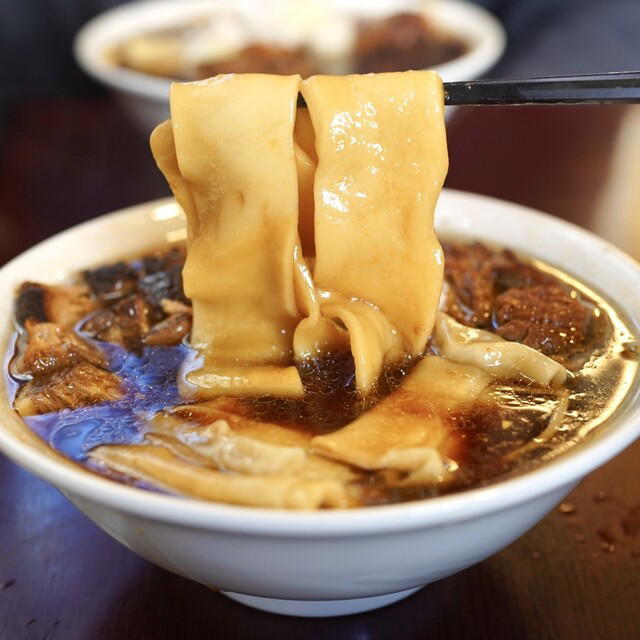
The menu
What to order
- Standard ramen
- Wontonmen
- Chashumen
- Wonton char siu men
Approach the ramen culture of Tokyo and the scale changes quickly. The city’s central stations reward speed, volume, and constant turnover; elsewhere, the stronger signal often comes from focused addresses, repeat diners, and shops that ask visitors to pay attention to the category rather than simply the convenience of the stop. Teuchi Kage Hinata belongs to that Tokyo: a ramen venue whose public profile now sits within one of the city’s most competitive everyday-food fields.
That context matters. Ramen in Tokyo is not a single experience so much as a competitive language of noodles, broth, tare, toppings, ordering habits, and diner preference. A Tokyo ramen shop has to earn attention differently from a chain or a casual late-night stop. Selection in Tabelog’s ramen-focused recognition for 2025 gives this address a public credential inside that crowded field, but the more interesting point is what the recognition says about current ramen culture: diners continue to treat ramen as a serious food category, even when the format remains direct and accessibly priced.
Ramen in Tokyo's focused-shop tradition
Noodles occupy a particular place in Japanese ramen. They shift attention away from brand polish and toward texture, timing, and the relationship between noodle and broth. In a city where ramen can mean many styles, a focused noodle program changes the rhythm of the bowl. It also changes how diners judge value: the experience is measured less by luxury signals and more by clarity, balance, and category confidence.
Teuchi Kage Hinata’s place in that landscape is a useful example of the modern Tokyo tension. The meal sits in the everyday ramen price band rather than the tasting-menu economy, with Tabelog listing both lunch and dinner budget at JPY 1,000 - JPY 1,999. The result is not luxury in the conventional sense. It is concentration: a ramen-led visit, a clear price frame, and a venue built around a single category.
Tokyo’s ramen audience has become fluent in these distinctions. A bowl priced in the same everyday bracket as peers such as Chuka Soba Hirai or Medika Soba Kingyo may compete on spend, but format, timing, and personal preference change the decision. Central convenience is not the only point here. The point is the specialist end of ramen culture, where a Tokyo shop can carry enough credibility to become an intentional food stop.
Tokyo gives the bowl a different kind of context
Tokyo is not only a shorthand for tourist dining. That is precisely why it is useful to serious ramen readers. Beyond the most obvious dining circuits, the city often produces a more local style of demand: repeat visits, purposeful detours, and attention that forms around practical dining choices rather than spectacle. The visit stays in the realm of intentional eating rather than opportunistic snacking.
The expected etiquette sharpens that context. Ramen venues tend to depend on clear ordering, efficient dining, and guests who understand that the pace of the meal matters. These are not decorative customs. They are part of the operating grammar of the category: decide cleanly, respect the flow, and understand that ramen is often designed as a concise, focused meal.
Its 2025 recognition from Tabelog’s ramen-focused selection is especially telling. Tokyo ramen does not lack competition. Recognition within that field suggests that the market remains open to tightly focused specialists when the category is disciplined enough to register beyond casual convenience.
How to place it in a Tokyo eating itinerary
This is not the ramen stop to treat as an afterthought in an overpacked Tokyo day. Its value lies in choosing a specific food errand and accepting the logistics that come with any focused ramen visit. Diners building a broader Tokyo plan should treat it as a ramen anchor, not a casual add-on between museum stops and hotel check-in. For a wider city scan, Our full Tokyo restaurants guide is the better planning layer, while Our full Tokyo hotels guide, Our full Tokyo bars guide, Our full Tokyo wineries guide, and Our full Tokyo experiences guide help separate food-led days from drinking, lodging, and cultural planning.
Within Tokyo, the comparison is less about direct menu overlap than about how specialist addresses shape a day. Some Tokyo dining rooms sit in denser urban circuits, while others speak to more category-specific formats. Single-theme Tokyo venues can become destinations without resembling formal dining rooms, and ramen is one of the clearest categories where that dynamic plays out.
Across Tokyo dining more broadly, the same lesson travels well: category focus matters. A cafe such as KURUMED COFFEE or Kurumi Do Kissa Ten, a noodle-focused address such as Goto Udon Bizenya, and ramen peers such as Chuka Soba Hirai or Medika Soba Kingyo all require different expectations. The smarter itinerary starts with format, then decides whether the trip fits.
Teuchi Kage Hinata is strongest for diners who understand ramen as craft and culture rather than a quick fuel stop. The case for going is not built on theatre. It rests on a focused ramen category, a Tokyo location, and 2025 Tabelog recognition that places the shop inside one of the city’s toughest everyday-food categories.
Frequently asked questions
Is Teuchi Kage Hinata more mid-range or high-end?
Pricing at Teuchi Kage Hinata is listed as JPY 1,000 - JPY 1,999 for both lunch and dinner.
How do I find Teuchi Kage Hinata?
Tokyo.
How far ahead should I plan for Teuchi Kage Hinata?
Plan around the realities of a focused ramen visit rather than treating it as a flexible walk-in add-on. Its 2025 Tabelog recognition makes it worth building into the day deliberately.
What's the signature at Teuchi Kage Hinata?
The anchor here is ramen, served in a focused Tokyo format. It was recognised by Tabelog in 2025, which is the clearest signal for what the venue is built around.
Credentials Lens
Comparable venues at the same tier.
| Venue | Cuisine | Price | Awards | Notes |
|---|---|---|---|---|
| Teuchi Kage HinataThis venue (the venue you are viewing) | Handmade Thick-Noodle Ramen | $10–20 | Tabelog 100 #31 | Not listed |
| Kitchen Nankai (キッチン南海) | Japanese Yoshoku | $1–10 | Tabelog 100 #88 | Jimbocho |
| Umemura | Japanese Soul Food | Not listed | Tabelog 100 #44 | Koto |
| Udon Stand Gozu | Casual Udon Stand | $10–20 | Tabelog 100 #36 | Musashino |
| Takahashi no Saka Manju | Japanese traditional sweets (saka manju specialty) | $1–10 | Tabelog 100 #73 | Suginami |
| TRASPARENTE Gakugei daigaku ten | Japanese Bakery-Cafe | $10–20 | Tabelog 100 #91 | Meguro |
Recognition history
Dated appearances from independent guides and award organizations, with the underlying list record or original source where available.
Tabelog 100 #31 · No. 31
Tabelog · Tabelog 100 - Ramen - TOKYO - 2025
Continue exploring
More in Tokyo
Restaurants in Tokyo
All restaurants in Tokyo →




Bars in Tokyo
All bars in Tokyo →


Hotels in Tokyo
All hotels in Tokyo →




Wineries in Tokyo
Browse all →
Details
- Lively
- Cozy
- Intimate
- Solo
- Casual Hangout
- After Work
- Chefs Counter
- Standalone
- A La Carte
- Counter Dining
Small, non-smoking neighborhood ramen shop with only six seats, an energetic queue outside, and a direct counter-focused interior that emphasizes the steaming bowls over décor.