Testal - Centro
Our verdict
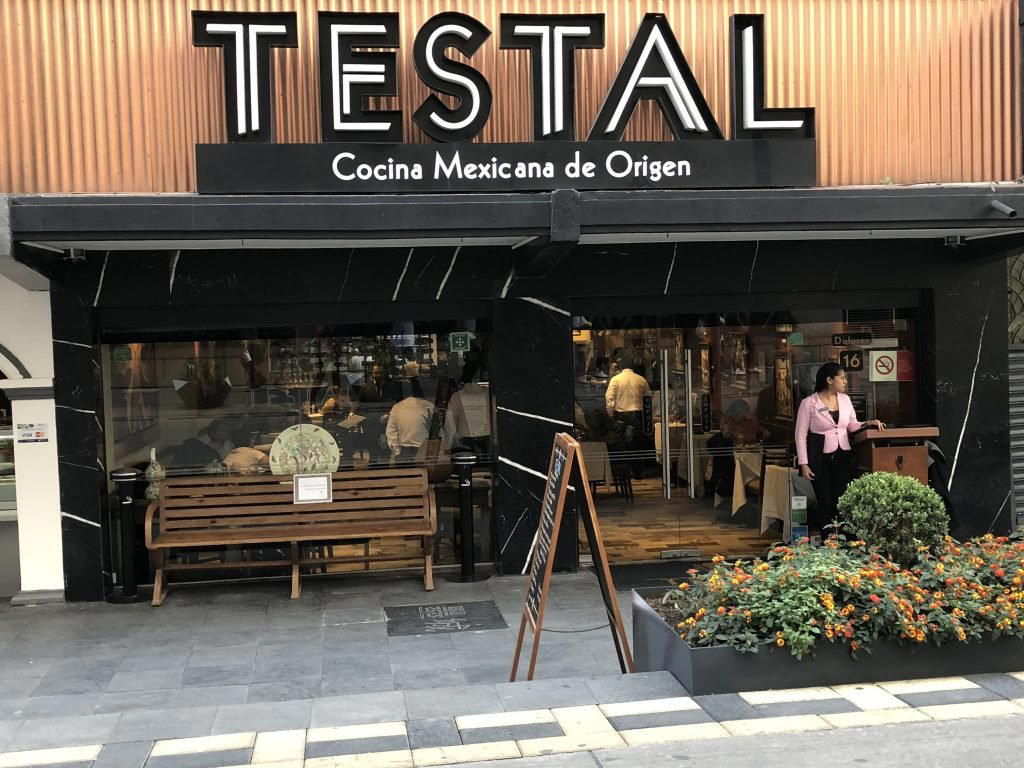
Testal - Centro serves Traditional Mexican cooking at Dolores 16 in Centro Histórico, with pulpo adobado a las brasas, chiles en nogada, and open-kitchen seating for conversational meals.

Pearl is the En Primeur Club membership app, where members save venues, book tables and use the concierge.
The menu
What to order
- Pulpo adobado a las brasas
- Chiles en nogada
- Octopus tacos
Where Centro Histórico Meets the Evolution of Mexican Street Cooking
Dolores 16 sits a few minutes' walk from the Alameda Central, in a section of Centro Histórico where colonial-era facades share street-level space with market stalls and corner cantinas. The neighbourhood has been through repeated cycles of abandonment and reclamation since the 1985 earthquake, and its dining character reflects that layered history: formal old-guard restaurants, improvised taco counters, and now, a growing number of operations that treat street-food traditions with the same seriousness Mexico City's better-resourced dining rooms apply to tasting menus. Testal occupies that third category, bringing masa-centred cooking into a sit-down format without stripping away the informality that makes the food legible in the first place.
The Masa Question in Mexico City Dining
Masa is the foundation of Mexican cooking, and the quality gap between industrially processed nixtamal and properly stone-ground corn has become one of the defining arguments in the city's dining conversation. Restaurants from Pujol to Quintonil have made grain provenance and masa technique central to their editorial identity at the leading price tier. Testal positions the same argument at a more accessible register, grounding its menu in tortillas and antojitos made from heirloom corn varieties rather than commercial masa harina. That choice places it inside a broader movement across Mexican cities, from Levadura de Olla in Oaxaca to Huniik in Merida, where corn variety and regional process are treated as primary ingredients rather than supporting infrastructure.
The word "testal" itself refers to the ball of masa a tortillera forms before pressing, a working term from the production side of the process, not the consumption side. Naming a restaurant after that detail signals intent: this is an operation where the making of the food matters as much as the serving of it.
How the Format Has Shifted
The evolution of casual Mexican dining in Centro over the past decade has moved in two directions simultaneously. One strand has pushed toward higher formality, as the neighbourhood's renewed foot traffic from cultural tourism and gentrification created demand for polished sit-down options. The other has doubled down on specificity, narrowing the menu focus to particular regional traditions or techniques rather than offering the broad pan-Mexican repertoire common in tourist-facing restaurants. Testal's trajectory fits the second pattern. Where an earlier generation of Centro restaurants might have chased breadth, mole one table over from ceviche, cochinita beside chilaquiles, the current direction is tighter, anchored in masa forms and the regional cooking that surrounds them. That narrowing reflects a wider confidence in Mexico City dining: the assumption that a focused, deeply executed concept can sustain a room without hedging toward familiarity.
This is the same logic visible in operations across Mexico's dining geography. Alcalde in Guadalajara and KOLI Cocina de Origen in Monterrey have both built reputations on focused regional conviction rather than synthetic eclecticism. At Testal, the same principle applies at a lower price point and in a neighbourhood where the proximity of actual street food creates a useful competitive pressure: the masa has to be good enough to justify choosing a table over a sidewalk.
The Centro Histórico Context
Centro Histórico is not Polanco or Roma Norte, and the dining experience registers that difference immediately. The streets around Dolores are loud, layered, and unfiltered in a way that the city's better-groomed dining districts are not. That context shapes what a meal at Testal means. There is no curated neighbourhood around it; the restaurant earns its position in the city's dining conversation through the food itself rather than through address or design pedigree. For reference, Rosetta in Roma Norte and Em in Juárez operate in districts where the surroundings do some of the atmospheric work. In Centro, the restaurant has to create its own gravity.
That challenge is also, for many visitors, the point. Centro Histórico remains the most historically concentrated part of the city, and eating here connects a meal to a version of Mexico City that predates the mid-century expansion of the western neighbourhoods. The Zócalo, the Palacio de Bellas Artes, and the market buildings of La Merced are all within walking distance. A lunch or dinner at Testal fits naturally into a day built around the historic core rather than requiring a taxi across town.
For readers planning a broader sweep of Mexico's dining scene, the country's serious restaurant culture now extends well beyond the capital. Animalón in Valle de Guadalupe, HA' in Playa del Carmen, Le Chique in Puerto Morelos, Olivea Farm to Table in Ensenada, and Lunario in El Porvenir are all part of a national dining conversation that has grown considerably more varied and regionally grounded over the past decade. For the full Mexico City picture, see our full Mexico City restaurants guide.
Internationally, the approach Testal represents, technical rigour applied to vernacular food forms, has parallels in how Atomix in New York treats Korean culinary structure, or how Pangea in San Pedro Garza García has built a Northern Mexican identity with fine-dining precision. The comparison with Le Bernardin in New York works at a different scale but makes the same point: a narrowly focused technique, executed with consistency, creates a stronger identity than a broad menu executed averagely. Sud 777 in Pedregal makes a similar case within the city itself.
Planning Your Visit
Location: Dolores 16, Centro Histórico, Cuauhtémoc, Mexico City. The address is within walking distance of Bellas Artes metro station and the Alameda Central. Reservations: Budget: Price range is unconfirmed, though the format and neighbourhood position it below the $$$$ tasting-menu tier occupied by Pujol and Quintonil. Timing: Lunch service generally suits the neighbourhood rhythm; Centro Histórico quiets noticeably by mid-evening on weekdays. Dress: No confirmed dress code; the Centro context and casual format suggest relaxed clothing is appropriate.
Frequently asked questions
Is Testal - Centro child-friendly?
Given the casual format and the Centro Histórico setting, this is a reasonable choice for families, the price tier and dining style are far removed from the formal tasting-menu rooms that define Mexico City's most adult-oriented dining.
Is Testal - Centro formal or casual?
Casual. In a city where formality tracks closely with price point and district, Testal's Centro address and masa-centred concept place it at the informal end of the spectrum, well below the dress-code territory of Polanco's fine-dining rooms and without the curated-casual aesthetic of Roma Norte spots.
What should I order at Testal - Centro?
Anchor your order around the masa-based dishes. The restaurant's identity is built on heirloom corn and nixtamal technique, so antojitos and tortilla-centred preparations are where the kitchen's focus is clearest.
How hard is it to get a table at Testal - Centro?
Confirmed booking data is not available, but Centro Histórico restaurants at this price tier rarely operate the multi-week wait lists common at Polanco's higher-profile rooms. Arriving at service opening or contacting the venue directly is a reasonable approach until reservation policy is clearer.
What's Testal - Centro leading at?
The case for Testal rests on masa execution. In a city where corn-based cooking is both ubiquitous and highly variable in quality, the restaurant's positioning around heirloom varieties and proper nixtamal process gives it a distinct footing. That specificity, rather than breadth, is what separates it from generic antojito operations in the same neighbourhood.
Is Testal - Centro part of a wider group, and does that affect the quality?
The "Centro" location marker in the name suggests this may be one site within a multi-location operation, a pattern common in Mexico City's mid-tier dining scene where successful masa-focused concepts expand by neighbourhood rather than by menu range. Multi-site masa restaurants in the city vary considerably in consistency across branches; the Centro location should be evaluated on its own terms.
Peers in This Market
Comparable venues nearby, for context on price, style, and recognition.
| Venue | Cuisine | Price | Notes |
|---|---|---|---|
| Testal - CentroThis venue (the venue you are viewing) | Traditional Mexican | $20–30 | Not listed |
| Oaxaca en México | Authentic Oaxacan | $20–30 | Tabacalera |
| Con Vista al Mar Roma | Mexican Coastal Seafood | $10–20 | Centro Urbano Benito Juarez |
| El Parnita | Modern Mexican Antojería | $20–30 | Centro Urbano Benito Juarez |
| Los Canarios | Mexican-Spanish Fusion | $20–30 | Centro Comercial Santa Fe |
| El Gran Cazador | Mexican Exotic Meats & Insects | Not listed | Cuauhtémoc |
Continue exploring
More in Mexico City
Restaurants in Mexico City
All restaurants in Mexico City →



Details
- Cozy
- Modern
- Elegant
- Casual Hangout
- Date Night
- Open Kitchen
- A La Carte
- Vegetarian Friendly
- Vegan Options
- Gluten Free Options
Current opening hours
- Monday
- 8 AM–7 PM
- Tuesday
- 8 AM–7 PM
- Wednesday
- 8 AM–7 PM
- Thursday
- 8 AM–10 PM
- Friday
- 8 AM–10 PM
- Saturday
- 8 AM–10 PM
- Sunday
- 8 AM–7 PM
Hours can change for holidays and private events. Hours as of .
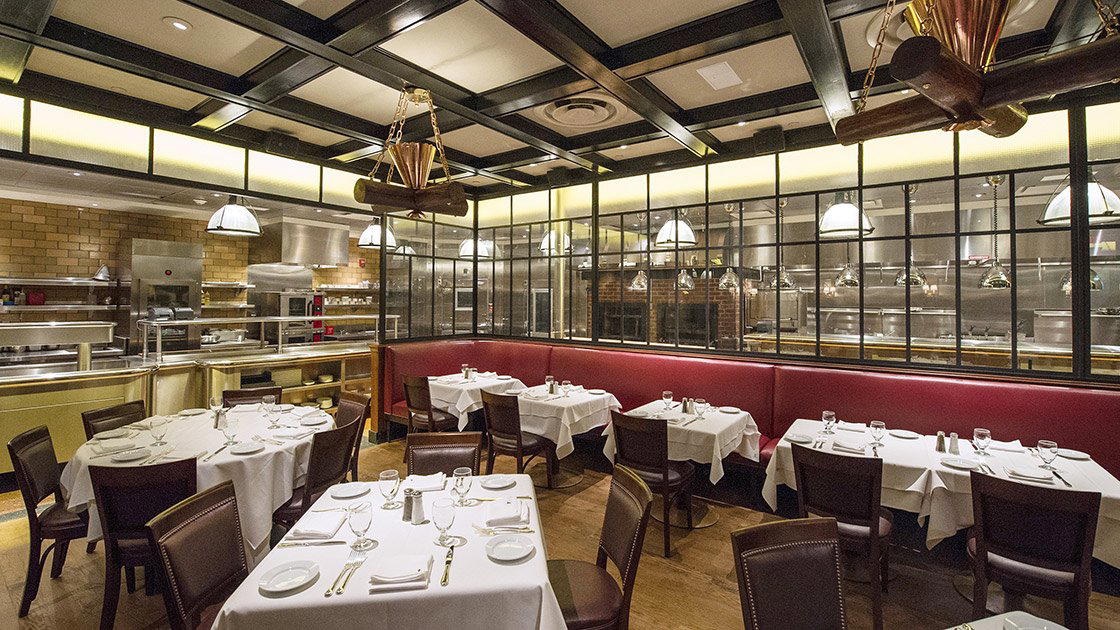
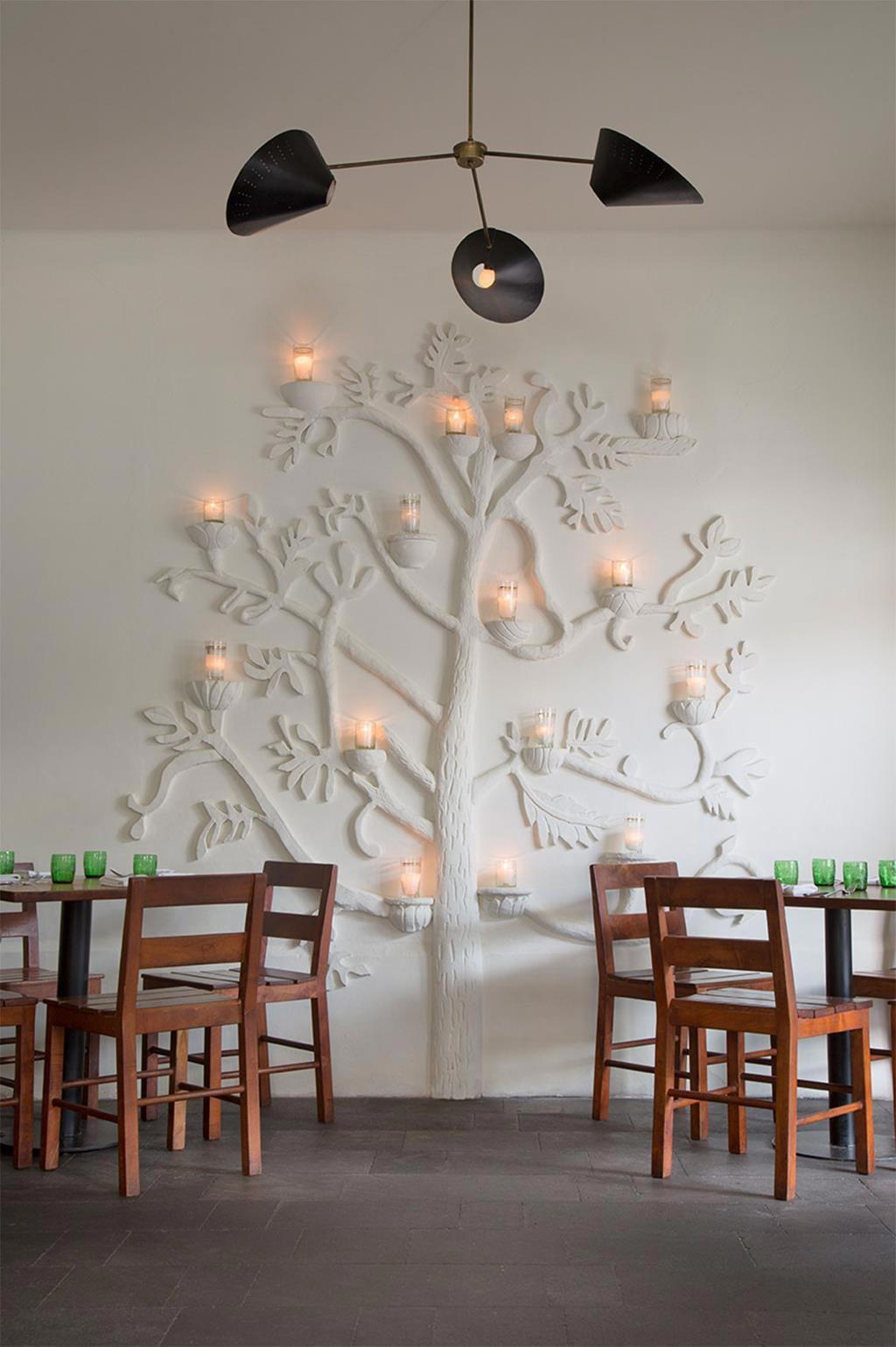
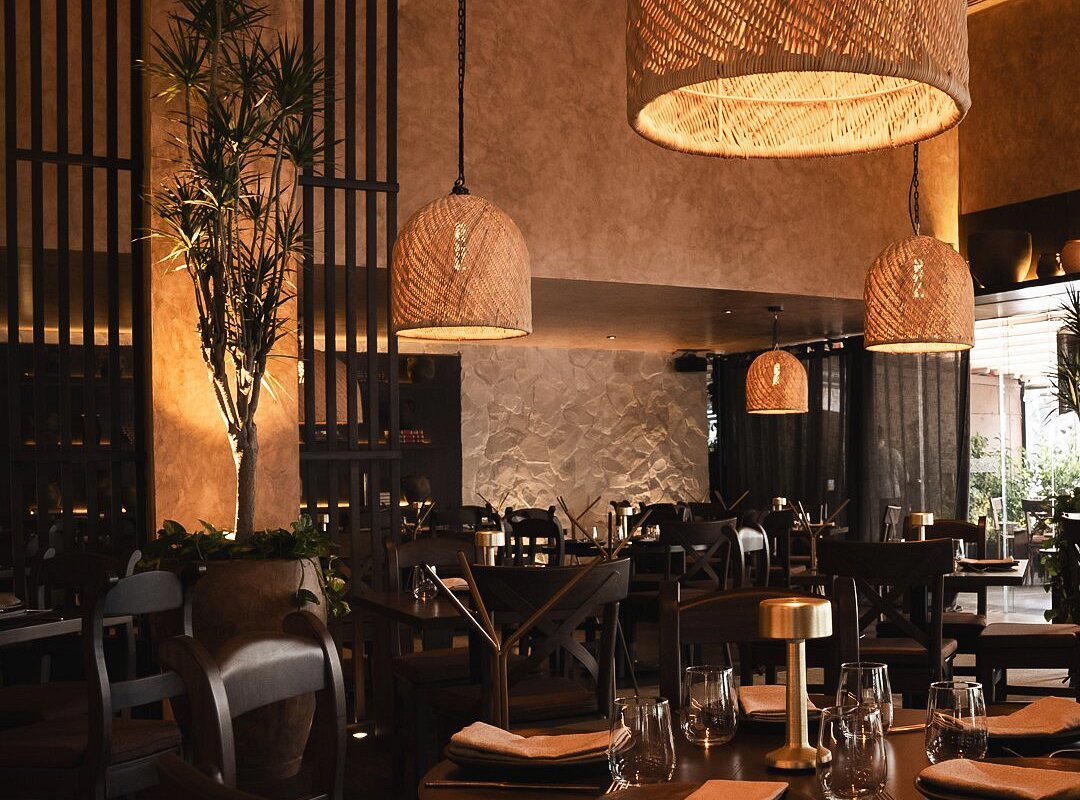
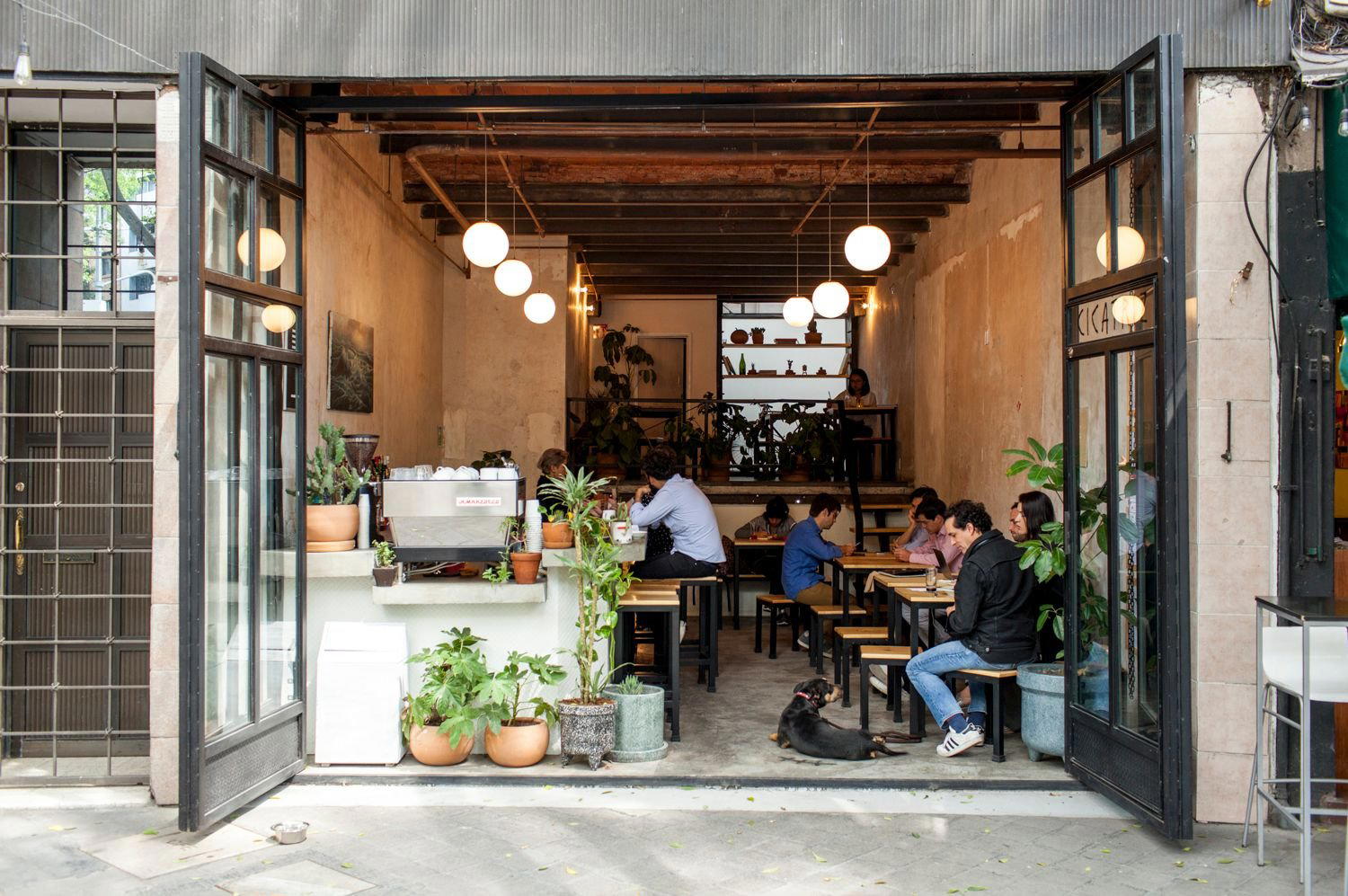
Well-lit, pleasant, and nicely furnished atmosphere with an open-plan kitchen offering glimpses of food preparation.