Oaxaca en México
Where the Smell of Chile Negro Hits You at the Door On Luis Moya in Colonia Centro, the approach to Oaxaca en México is a study in the particular sensory grammar of Mexico City's mid-range regional dining. The street itself is dense and...
Pearl is the En Primeur Club membership app — saves, bookings, and concierge access live there. Same editors, same standards.
- Address
- Luis Moya 59, Colonia Centro, Centro, Cuauhtémoc, 06300 Ciudad de México, CDMX, Mexico
- Phone
- +52 55 5510 4021
- Directions
- Get directions
 Saves & bookings on Pearl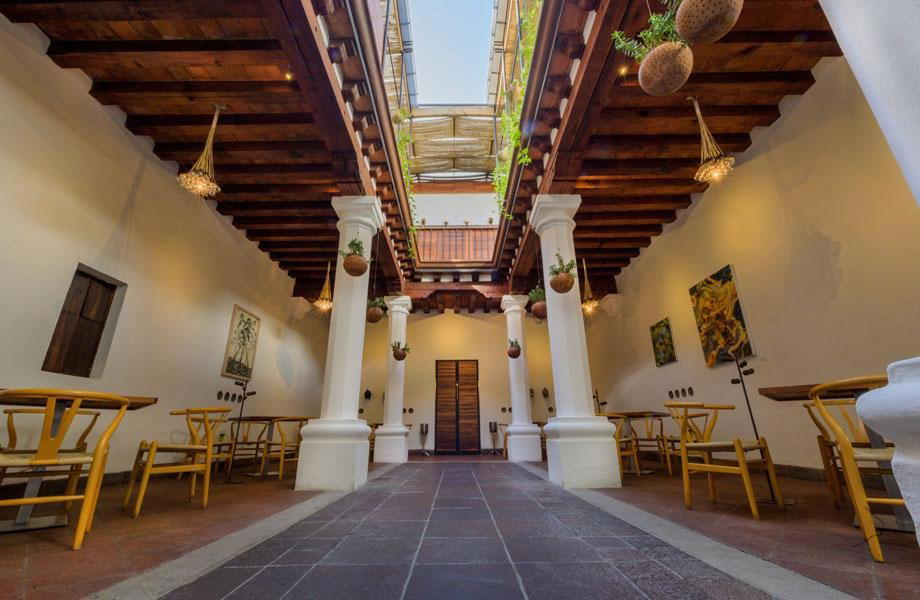
Where the Smell of Chile Negro Hits You at the Door
On Luis Moya in Colonia Centro, the approach to Oaxaca en México is a study in the particular sensory grammar of Mexico City's mid-range regional dining. Inside, the air shifts: dried chiles, charred tortilla, and the low hum of a kitchen that has been cooking the same canon of dishes long enough to develop its own rhythm. This is regional cooking presented as a working kitchen rather than a curated exhibit.
The Oaxacan Table in Mexico City Context
Mexico City has always functioned as a collecting chamber for the country's regional cuisines. Oaxacan cooking occupies a particular position in that hierarchy: it carries enough international prestige, driven partly by Oaxaca's own growing restaurant culture, represented by venues like Levadura de Olla Restaurante in Oaxaca, that capital diners approach it with some expectation. The challenge for any Oaxacan kitchen in Mexico City is to preserve ingredient specificity while remaining accessible.
The mole canon is the clearest test of this. Oaxacan cooking is frequently reduced, in shorthand, to its seven moles, but the more telling markers are the ingredients that most kitchens outside the state quietly substitute: the specific dried chiles (negro, mulato, pasilla oaxaqueño), fresh quesillo pulled rather than sliced, tlayudas built on hand-pressed baked tortillas rather than fried flour alternatives, and the particular grassiness of Oaxacan chocolate used for mole negro rather than the sweeter industrial blends common in central Mexican cooking. A kitchen using the right inputs signals care before a plate arrives. The smell of a proper chichilo or coloradito, complex, slightly bitter, carrying both the burn of dried chile and the sweetness of tomato, is an immediate signal that the sourcing is not approximate.
The Sensory Register of the Room
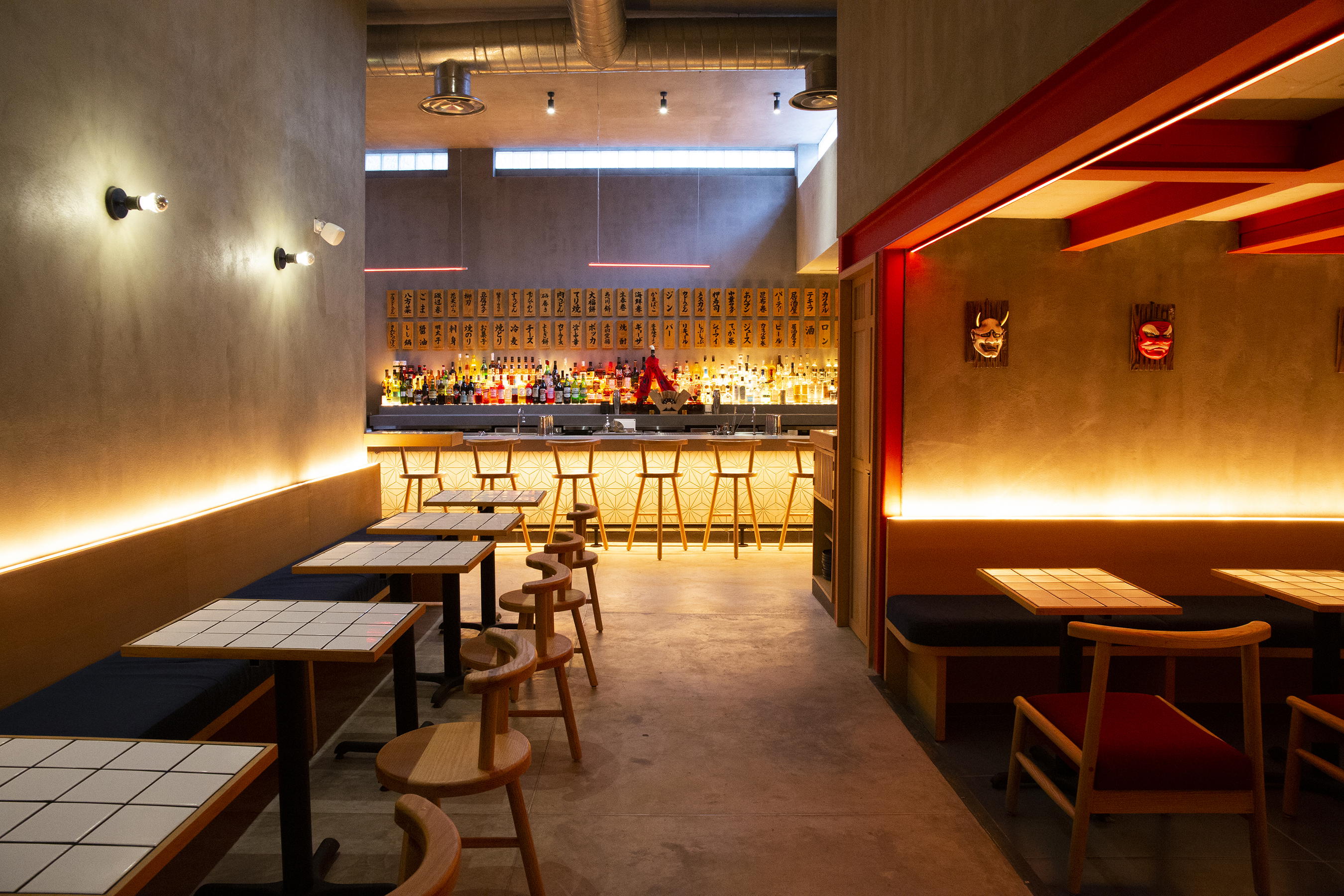
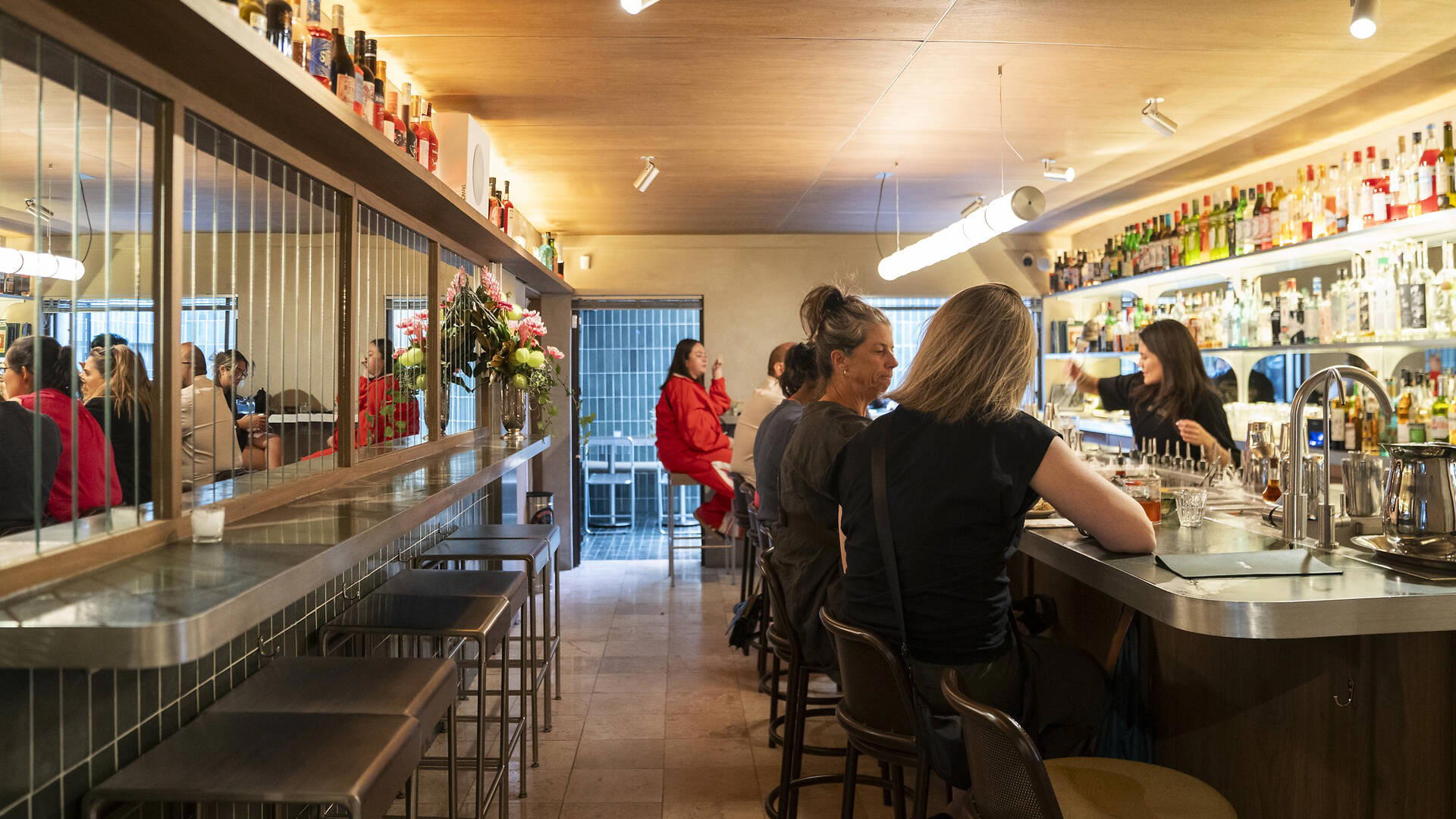
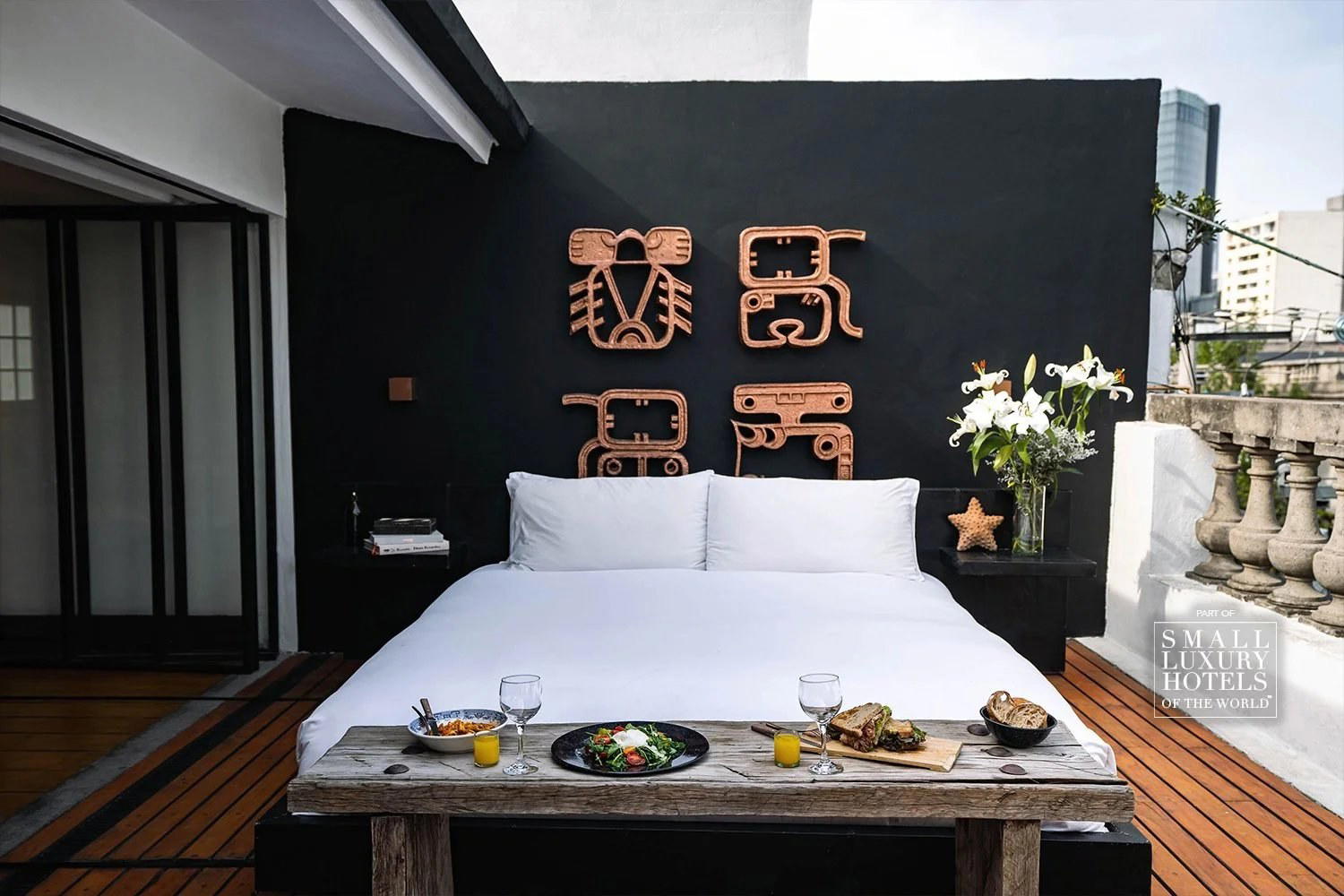
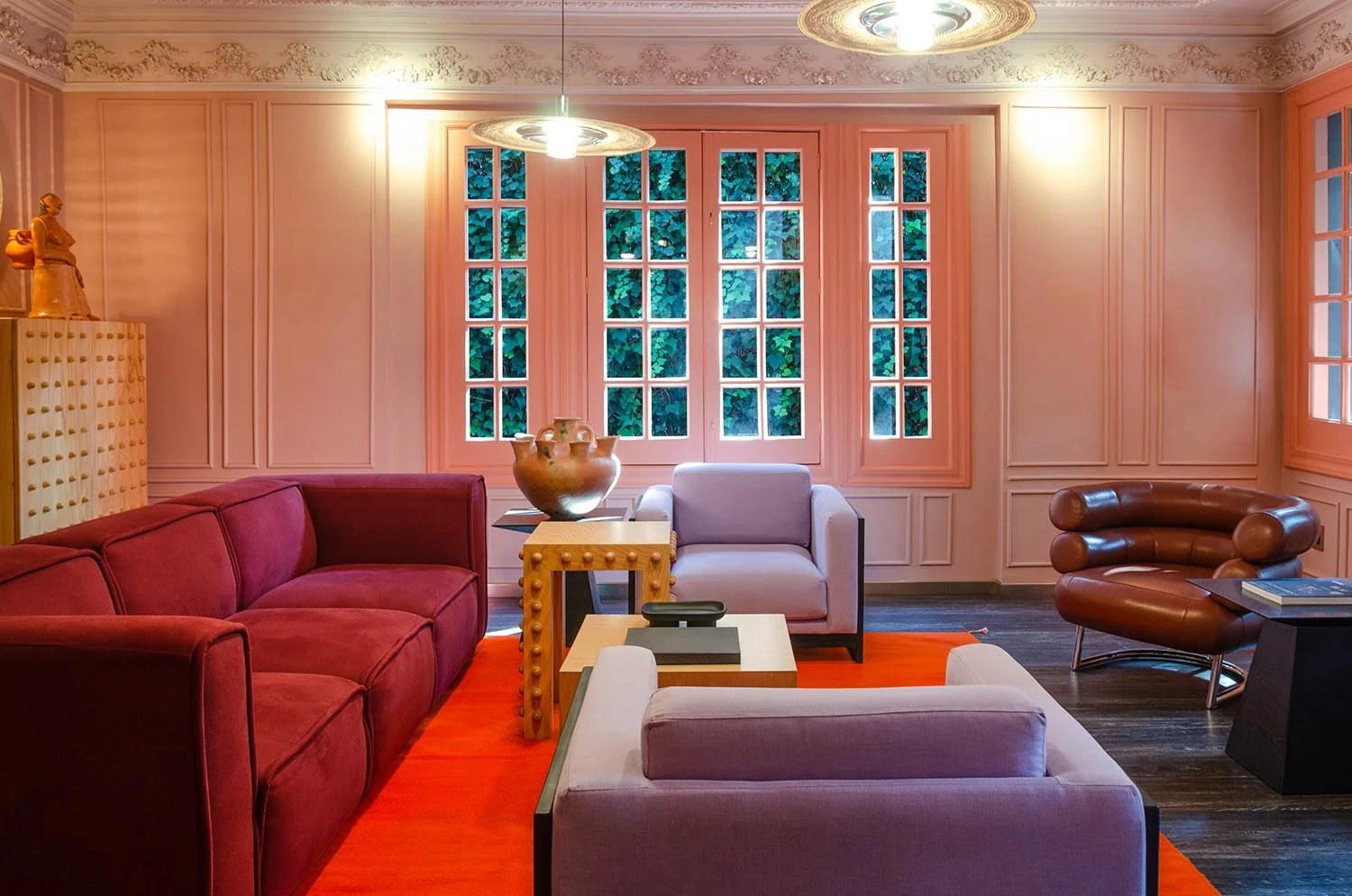
Regional cantina-style dining in Centro operates in a specific register. The acoustics tend toward lively rather than curated, conversation competes with kitchen noise, and the background is rarely designed for quiet deliberation. This is a functional dining context, one that prioritises the plate and the company rather than architectural silence. The visual language tends toward the direct: hand-painted signage, ceramic vessels that carry the colours and textures associated with Oaxacan craftsmanship, the kind of room that communicates its identity through accumulated detail rather than interior design spend.
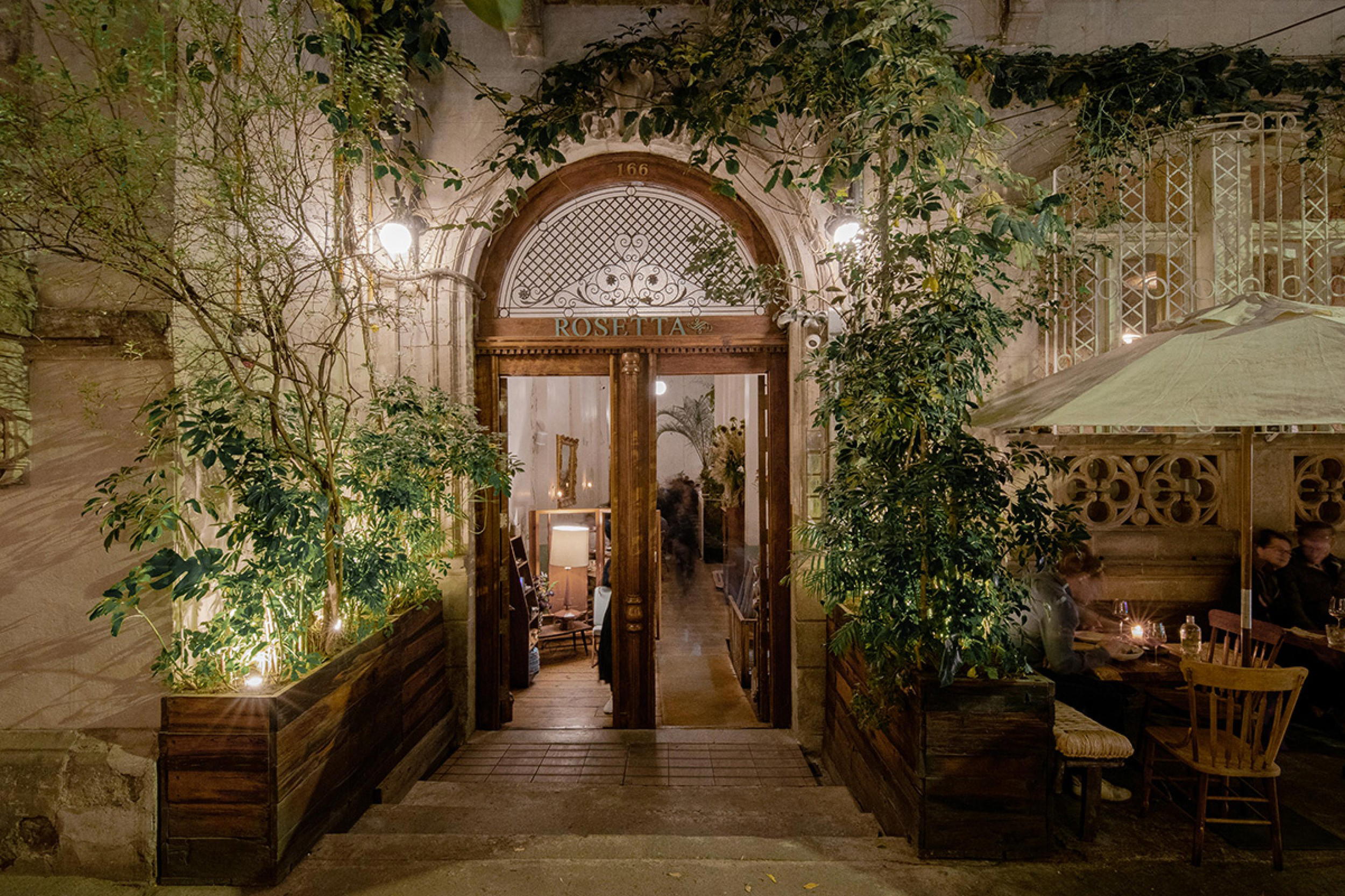
In this tier of Mexico City dining, price positioning matters for context. Against tasting-menu formats like Pujol, Quintonil, and Em, a regional specialist in the $$ range is performing a different function entirely. The expectation is not progression or technique display but fidelity to a specific regional canon, executed with consistency. Neighbourhood references like Rosetta at $$ illustrate how mid-market dining in the capital can carry genuine editorial weight; the same logic applies here, on the terms of Oaxacan regional cooking rather than Italian-inflected creativity.
Oaxacan Cooking as a National Benchmark
The broader Mexican fine dining scene has spent the past decade building international credibility, with recognition flowing from Le Chique in Puerto Morelos, Alcalde in Guadalajara, Pangea in San Pedro Garza García, and the Valle de Guadalupe cluster anchored by venues like Animalón. In Yucatán, Huniik in Mérida and HA' in Playa del Carmen reflect the growing depth of regional fine dining. KOLI Cocina de Origen in Monterrey and Lunario in El Porvenir extend that map further. Against that national picture, Oaxacan cooking in Mexico City fills a different slot: the everyday register, the lunch table where the cuisine is consumed on its own terms, without tasting-menu framing or international ambition.
That context matters because it sets the correct terms of evaluation. Comparing Oaxaca en México to Sud 777's creative format, or measuring it against the reference points of Le Bernardin or Atomix in New York, misreads the assignment. The relevant question is whether a kitchen operating in this register handles its source material with enough care to make the visit worthwhile for someone who knows the cuisine and enough openness to make it legible for someone who does not.
Planning Your Visit
Colonia Centro is accessible from multiple Metro lines, and Luis Moya sits within walking distance of the Alameda Central and Bellas Artes. Lunch is a strong time to visit, and arriving earlier can improve the choice of dishes. The Centro dining rhythm tends toward earlier sittings than the Condesa or Roma dining scene.
Nearby-ish Comparables
Comparable venues nearby, for context on price, style, and recognition.
| Venue | Cuisine | Price | Notes |
|---|---|---|---|
| Oaxaca en MéxicoThis venue — the venue you are viewing | Authentic Oaxacan | $$ | Not listed |
| Barrio Alameda | Mexican Rooftop Bar | $$ | Tabacalera |
| Restaurante El Bajío | Traditional Mexican Regional | $$ | Centro |
| La Chinampa | Authentic Mexican Taqueria | $$ | Cuauhtemoc |
| El Parnita | Modern Mexican Antojería | $$ | Centro Urbano Benito Juarez |
| CASA BELL | Traditional Mexican with International Influences | $$ | Cuauhtemoc |
Continue exploring
More in Mexico City
Restaurants in Mexico City
Browse all →
Bars in Mexico City
Browse all →


At a Glance
- Rustic
- Cozy
- Casual Hangout
- Family
Current opening hours
- Monday
- 10 AM–7 PM
- Tuesday
- 10 AM–7 PM
- Wednesday
- 10 AM–7 PM
- Thursday
- 10 AM–7 PM
- Friday
- 10 AM–7 PM
- Saturday
- 10 AM–7 PM
- Sunday
- 10 AM–7 PM
Hours can change for holidays and private events. Last verified .
Nice ambiance featuring authentic Oaxacan decor.