Terres d'Emotions
Terres d'Emotions sits on a country road outside Bourg-de-Péage, in one of the Drôme valley's more productive agricultural corridors. The name signals a terroir-first orientation: cooking anchored to the seasonal rhythms of a landscape that supplies stone fruits, walnuts, lamb, and serious market-garden produce. For visitors travelling the mid-Rhône between Valence and Romans-sur-Isère, it represents a deliberate, produce-led alternative to the region's more trafficked dining addresses.
Pearl is the En Primeur Club membership app — saves, bookings, and concierge access live there. Same editors, same standards.
- Address
- 705 Chem. des Plantas, 26300 Bourg-de-Péage, France
- Phone
- +33475053315
- Website
- terresdemotions.com
- Directions
- Get directions
 Saves & bookings on Pearl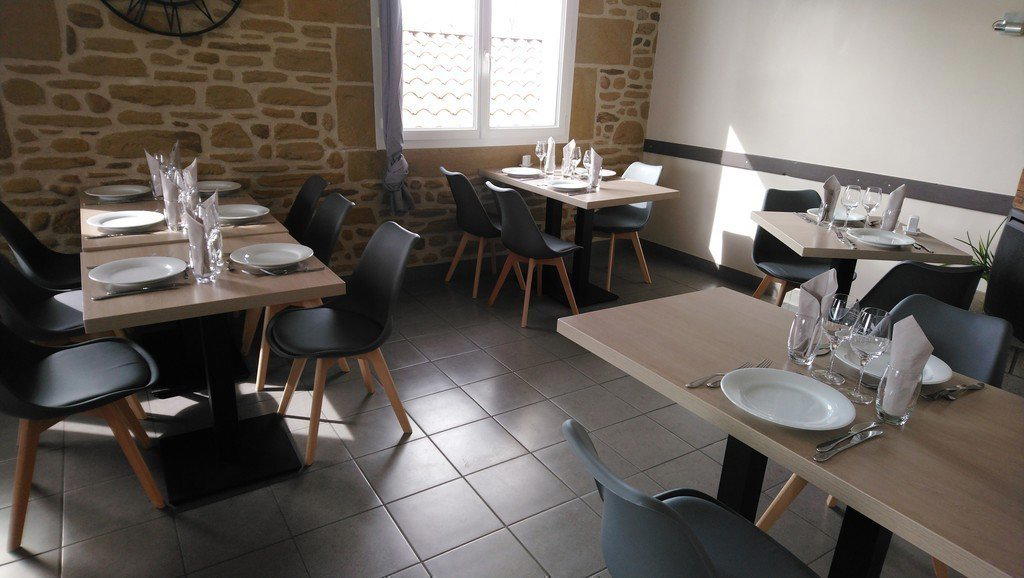
The Drôme as Larder: Ingredient-Led Cooking in the Rhône Corridor
The stretch of the Rhône valley between Valence and Romans-sur-Isère sits inside one of provincial France's more quietly productive agricultural corridors. The Drôme department to the east supplies lavender, stone fruits, walnuts, and some of the country's most serious market-garden produce. Bourg-de-Péage, directly across the Isère from Romans-sur-Isère, occupies that geography without the tourist infrastructure of, say, the Ardèche or the Luberon — which means a restaurant operating here draws from exceptional raw materials while serving a predominantly local clientele rather than a passing luxury market. That context shapes what Terres d'Emotions is doing and why the address at 705 Chemin des Plantas deserves more attention than the postcode typically attracts.
The name itself — Terres d'Emotions, roughly "Lands of Feeling", signals an orientation toward terroir as emotional register rather than mere provenance labeling. In contemporary French fine dining, that framing has become almost obligatory. What separates venues that mean it from those that deploy it as language is the sourcing geography: whether the kitchen is genuinely tethered to a specific set of producers, landscapes, and seasonal rhythms, or whether "local" is shorthand for regional wholesalers. The Drôme corridor, with its polyculture farming traditions and proximity to both Alpine foothills and Rhône flatlands, offers a kitchen a genuinely diverse local palette to work with, a range that peer restaurants in more monocultural wine-country settings don't always have access to.
Where the Cooking Fits in the French Provincial Canon
France's decorated provincial dining circuit, from Bras in Laguiole to Flocons de Sel in Megève, from Auberge du Vieux Puits in Fontjoncouse to Georges Blanc in Vonnas, shares a common structural argument: that the highest expression of a cuisine is inseparable from its geography. These are restaurants where the menu reads as a legible map of the surrounding landscape. Mirazur in Menton takes that logic to its furthest extreme, with a kitchen garden that supplies a significant share of the plate. Troisgros in Ouches has built decades of recognition around a Loire-country sensibility applied with classical rigour.
Terres d'Emotions operates in that tradition without yet carrying the institutional recognition of those flagships. That gap between culinary ambition and public profile is fairly common in the mid-Rhône valley, a region that has historically exported its leading agricultural produce to Lyon and Paris rather than building a destination dining culture around it locally. Restaurants like this one are trying to reverse that logic: to argue that the Drôme itself is a good enough reason to sit down at a table, not just a waypoint between more celebrated destinations.
For comparison, the multi-starred end of the French spectrum, Alléno Paris au Pavillon Ledoyen, Auberge de l'Ill in Illhaeusern, Assiette Champenoise in Reims, anchors itself in deep institutional history and broad international clientele. That is a different project from what a restaurant in Bourg-de-Péage is doing.
The Setting and the Seasonal Logic
Chemin des Plantas is a country road on the outskirts of Bourg-de-Péage, which positions the restaurant outside the town centre and away from the commercial strip that runs parallel to the Isère. That kind of address, common among the more serious French provincial restaurants, tends to correlate with a particular dining format: a destination experience requiring a deliberate journey rather than a spontaneous visit. It also typically correlates with a dependence on seasonal availability, the cooking calendar dictated by what the surrounding fields and orchards can supply week to week.
In the Drôme, that seasonal calendar is genuinely eventful. Spring brings asparagus and early stone fruits from the valley floor; summer pushes into tomatoes, melons, and lavender-fed lamb from the higher plateaus; autumn delivers walnuts, cèpes, and the kind of intensive squash and root vegetable production that sustains a kitchen through to winter. A restaurant working honestly within that rhythm has enough material to rotate a menu quarterly without reaching for imported or out-of-season produce, which is both a constraint and a form of culinary discipline that the leading ingredient-led cooking in France treats as an asset rather than a limitation. La Marine in Noirmoutier-en-l'île and Christopher Coutanceau in La Rochelle operate under a comparable seasonal discipline on the Atlantic coast, where the tide rather than the harvest sets the menu calendar.
Practical Considerations for Visitors
Bourg-de-Péage sits roughly five minutes by car from Valence TGV station, which places it within two hours of Paris on the high-speed rail network and about 90 minutes from Lyon. That accessibility makes it a realistic day-trip or overnight extension from either city, though the area's hotel infrastructure is modest enough that most visitors staying for a proper meal tend to base themselves in Valence or Romans-sur-Isère, where accommodation options are broader. The restaurant's out-of-town address makes a car the most practical approach; taxis from Valence or Romans-sur-Isère are available but should be arranged in advance rather than assumed. As the venue's phone and website details are not publicly confirmed at the time of writing, it is worth cross-referencing our full Bourg-de-Péage restaurants guide for current booking information and updated contact details.
The broader French fine dining circuit uses reservation windows as an informal quality signal: the longer the lead time, the stronger the local following. For a restaurant at this address, operating somewhat outside the tourist circuit, a booking a few weeks ahead is a reasonable starting assumption, though that may tighten if the restaurant has built a strong regional reputation. Visiting on a weekday lunch, when the kitchen typically runs at a more considered pace, tends to be the format that ingredient-led restaurants do leading.
How Terres d'Emotions Bourg De Peage compares with similar nearby venues.
| Venue | Cuisine | Price |
|---|---|---|
| L'Instant | Modern Cuisine | €€ |
| Les Cèdres | Classic Cuisine | €€€€ |
Continue exploring
More in Bourg De Peage
Restaurants in Bourg De Peage
Browse all →
Hotels in Bourg De Peage
Browse all →

At a Glance
- Rustic
- Cozy
- Scenic
- Family
- Special Occasion
- Standalone
- Extensive Wine List
- Farm To Table
- Local Sourcing
Current opening hours
- Monday
- 12–2 PM
- Tuesday
- Closed
- Wednesday
- Closed
- Thursday
- 12–2 PM
- Friday
- 12–2 PM
- Saturday
- 12–2 PM
- Sunday
- 12–2 PM
Hours can change for holidays and private events. Last verified .
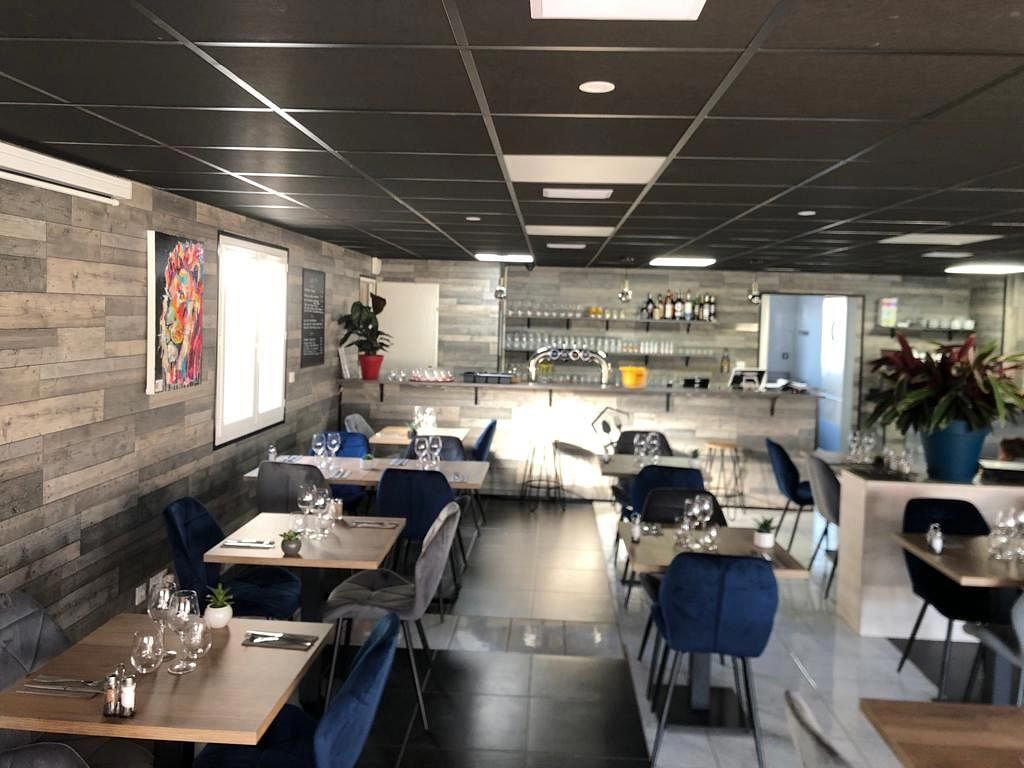
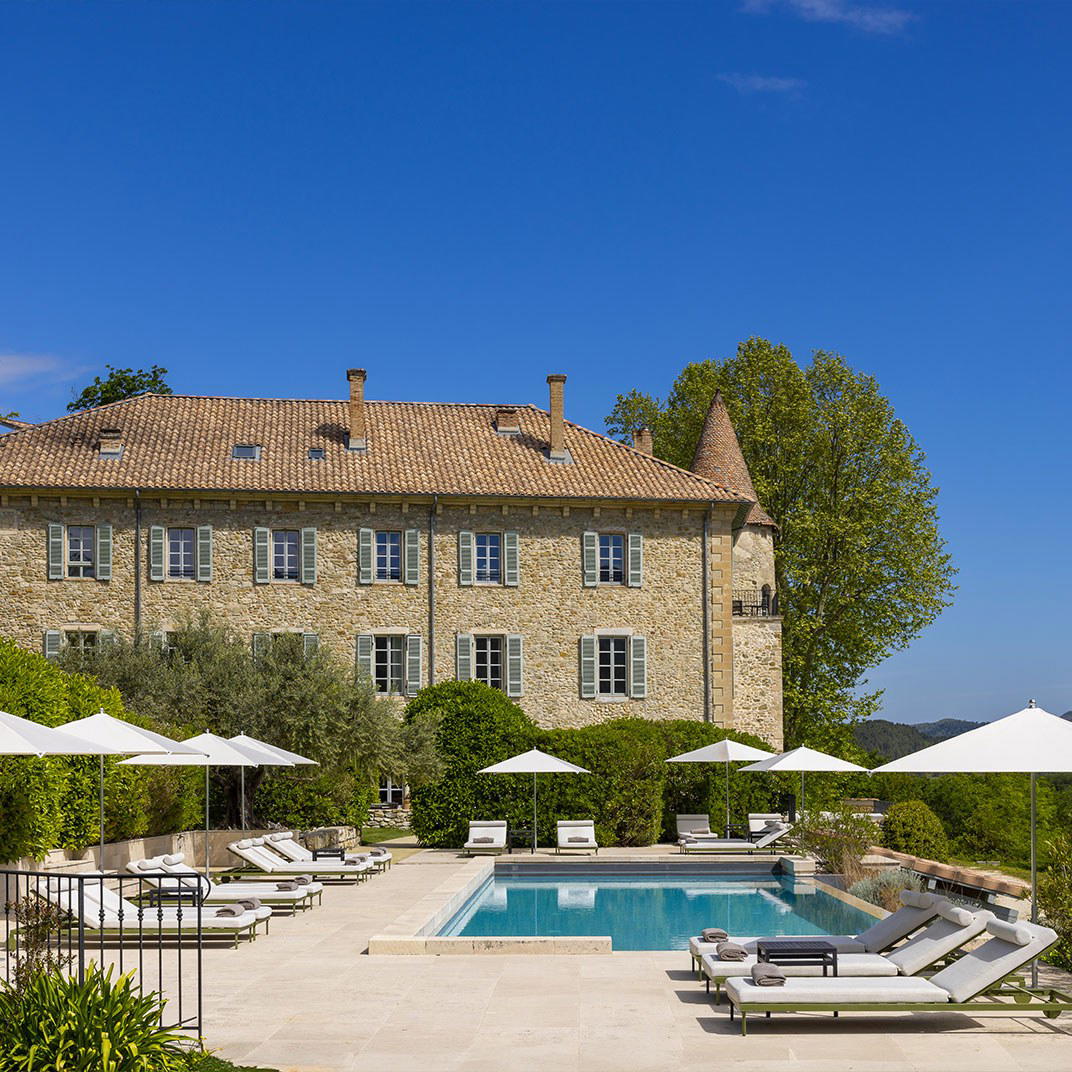
Chaleureux et convivial with a rustique stone house atmosphere, pleasant and modern decor in a calm rural setting.
Know Before You Go
- Getting there
- 705 Chem. des Plantas, 26300 Bourg-de-Péage, France