Terrae

Terrae holds a Michelin Plate and sits at the more accessible end of Port de Pollença's restaurant scene, with a daily-changing menu built entirely on zero-mile Mallorcan ingredients. Chef David Rivas works the room as much as the kitchen, finishing dishes tableside and explaining the sourcing behind each plate. Two tasting menus and à la carte options make it workable for most group configurations.
Pearl is the En Primeur Club membership app — saves, bookings, and concierge access live there. Same editors, same standards.
- Address
- Carrer de la Verge del Carme, 28, 07470 Port de Pollença, Illes Balears, Spain
- Phone
- +34 620 70 72 52
- Website
- terraerestaurant.com
- Directions
- Get directions
 Saves & bookings on Pearl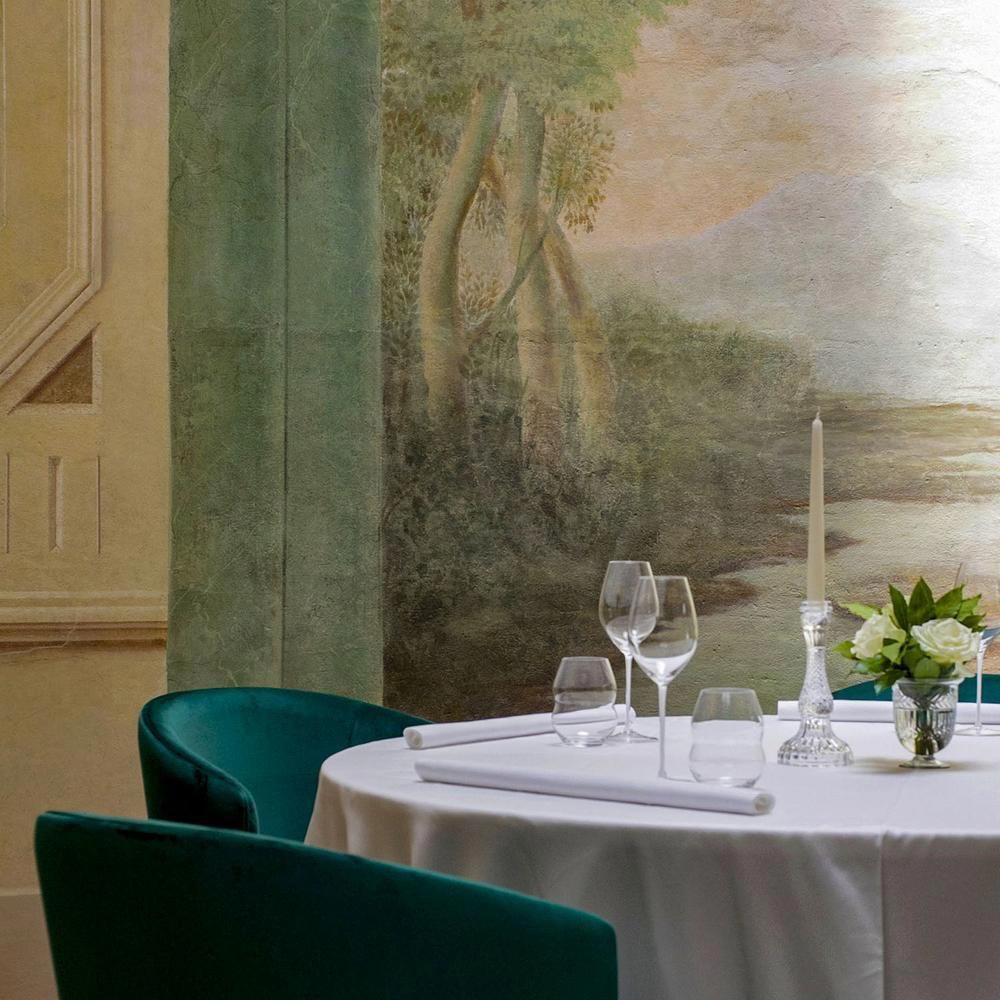
Where the Menu Starts Before the Kitchen Does
Port de Pollença's dining scene divides fairly cleanly between tourist-facing seafood restaurants lining the waterfront and a smaller group of places where the kitchen's logic runs backward from the market, not forward from a fixed menu. Terrae, on Carrer de la Verge del Carme, sits firmly in the second category. The room carries a relaxed ambience — unhurried, without the performative minimalism that Mediterranean fine-dining addresses sometimes mistake for seriousness. What you notice, once seated, is that the menu in your hands may not match the one a neighbouring table received last week. That is by design.
The Michelin Plate, held in both 2024 and 2025, places Terrae inside a recognised tier of Spanish restaurants that are doing something editorially coherent without operating at the price ceiling of the country's headline addresses. Across Spain, that ceiling is occupied by a different league: El Celler de Can Roca in Girona, Arzak in San Sebastián, Disfrutar in Barcelona, and DiverXO in Madrid operate at €€€€ and anchor their menus to a fixed creative vision regardless of what arrived at the loading dock that morning. Terrae's model is structurally different: the creative vision here is the daily availability itself. The menu changes almost every day depending on what Mallorca's small-scale producers can supply.
The Logic of Zero-Mile Cooking in a Balearic Context
Mallorca's agricultural and fishing infrastructure is genuinely suited to this kind of kitchen. The island has a preserved network of small farms, artisan cheesemakers, wild-herb foragers, and inshore fishermen operating at a scale that the mainland's supply chains long ago absorbed into industrialised distribution. A restaurant committed to sourcing exclusively from those producers is not making a marketing claim — it is making a logistical commitment that constrains and shapes every service. No chemicals or additives enter the kitchen, and zero-waste principles govern how each ingredient is used from arrival to plate.
This is the same underlying philosophy that drives some of Spain's most closely watched coastal creative restaurants. Aponiente in El Puerto de Santa María and Quique Dacosta in Dénia have each built programmes where regional ingredient specificity is the intellectual engine of the menu. Terrae operates at a different price tier, €€ against those restaurants' €€€€, but the sourcing logic is recognisably related: the place matters as much as the technique. What separates Terrae's execution is the near-daily menu rotation, which at a Michelin Plate address is less common than the format might suggest.
Grill, Omakase, and the Tableside Moment
The menu format at Terrae has more structural options than a single-track tasting counter. The à la carte allows targeted ordering; the Omakase tasting menu hands the sequence to the kitchen; the 1/2 Omakase is a shorter version of the same logic. A rotation of daily specials adds a fourth layer, which on any given evening may reflect something that arrived from a producer that morning. The grill occupies a central role in the kitchen's vocabulary, not as decoration but as the primary technique around which market-driven, market-inspired cooking is organised.
Chef David Rivas works the floor as part of the service, explaining dishes at the table and adding finishing touches in the room. In a format where the menu is unfixed and ingredients are hyper-local, that tableside presence functions as genuine communication rather than theatre: a diner encountering an unfamiliar Mallorcan herb or an inshore catch they have not seen before benefits from the explanation. Across Spain's creative restaurant spectrum, from Azurmendi in Larrabetzu to Martin Berasategui in Lasarte-Oria, tableside engagement at the higher end has become more formalised and choreographed. At Terrae, the register is relaxed, which fits both the price point and the character of the town.
Port de Pollença and Where Terrae Sits in It
Port de Pollença is a quieter corner of Mallorca's north coast, significantly less saturated with international restaurant investment than Palma, and without the high-season density of the southwest. That insularity is an asset for a kitchen built on island producers: the supply relationships are shorter, the ingredients are more traceable, and the seasonal calendar is less distorted by tourist-driven demand. For the diner travelling from Palma or arriving via the island's northwest, the address on Carrer de la Verge del Carme is direct to reach by car.
For broader context on eating and drinking in the area, our full Port de Pollença restaurants guide maps the wider scene. The town also has more to offer beyond the table: our Port de Pollença bars guide, hotels guide, wineries guide, and experiences guide cover the town's other tiers. For travellers cross-referencing Terrae against creative Spanish restaurants elsewhere, the relevant comparators include Ricard Camarena in València, Mugaritz in Errenteria, and Atrio in Cáceres, each operating in a different regional idiom but sharing the same underlying conviction that place-specific ingredients should anchor creative cooking. Beyond Spain, the conversation extends to addresses like Alléno Paris au Pavillon Ledoyen and Enrico Bartolini in Milan, where creative technique and sourcing rigour operate at a different scale and price register.
Terrae prices at €€, which in the Mallorcan context means the tasting menus and à la carte sit well below what comparable creative commitments cost at the island's more formal addresses or at Spain's starred mainland operators. That pricing, combined with the Michelin recognition and the daily menu rotation, makes it the kind of place that rewards a diner who plans around it rather than stumbling in from the waterfront. Whether you contact them directly or book through a local concierge, arriving with some flexibility about which menu format you choose, à la carte, 1/2 Omakase, or full Omakase, is worth considering given the daily specials structure.
Comparison Snapshot
| Venue | Cuisine | Price | Awards |
|---|---|---|---|
| TerraeThis venue — the venue you are viewing | Creative | €€ | Not listed |
| Aponiente | Progressive - Seafood, Creative | €€€€ | Michelin 3 Star |
| Arzak | Modern Basque, Creative | €€€€ | Michelin 3 Star |
| DiverXO | Progressive - Asian, Creative | €€€€ | Michelin 3 Star |
| El Celler de Can Roca | Progressive Spanish, Creative | €€€€ | Michelin 3 Star |
| Quique Dacosta | Creative | €€€€ | Michelin 3 Star |
Recognition history
Dated appearances from independent guides and award organizations, with the underlying list record or original source where available.
Michelin Plate
Michelin
Michelin Plate
Michelin
Michelin Plate
Michelin
Continue exploring
More in Port de Pollença
Restaurants in Port de Pollença
Browse all →
Bars in Port de Pollença
Browse all →
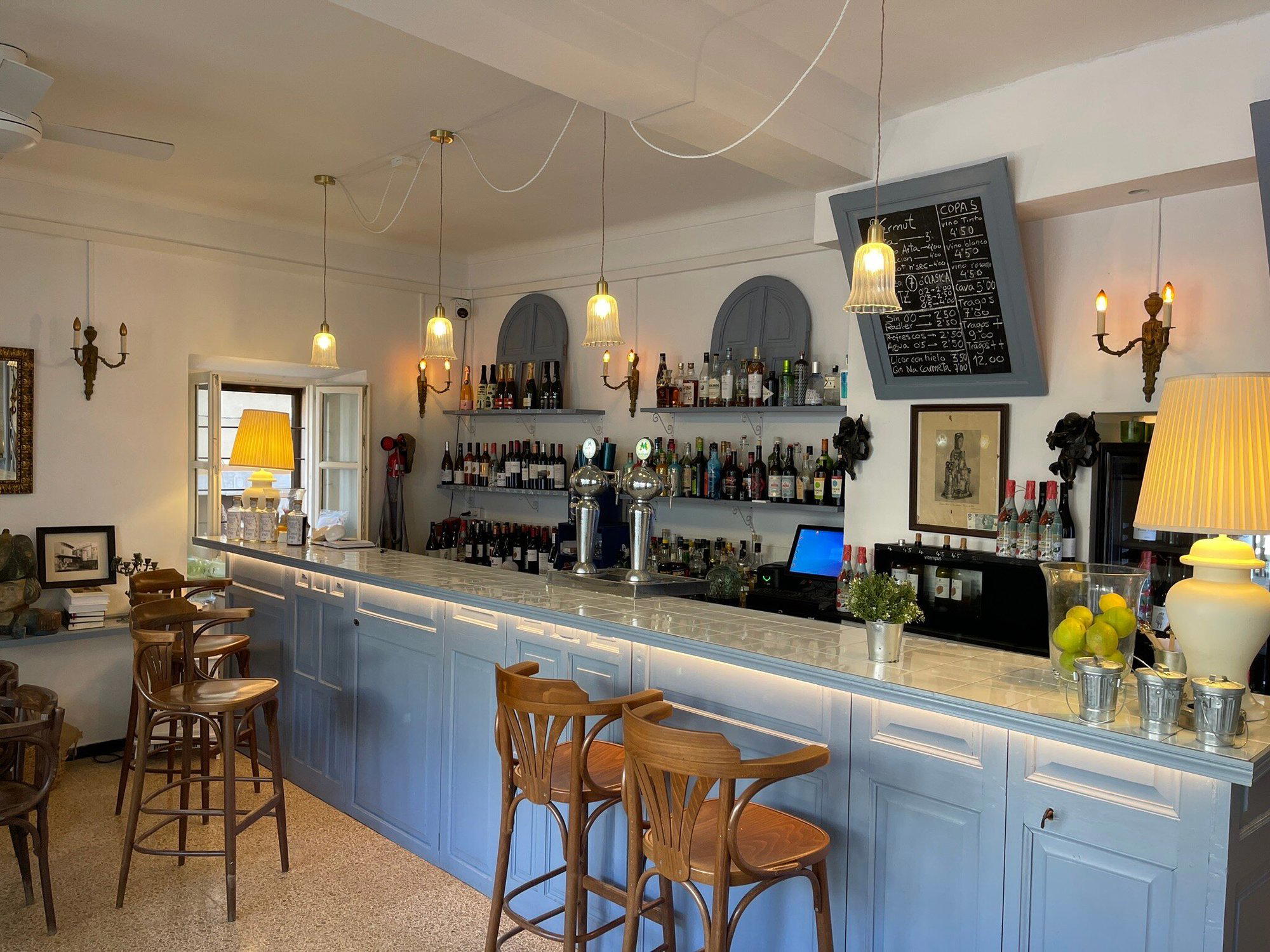
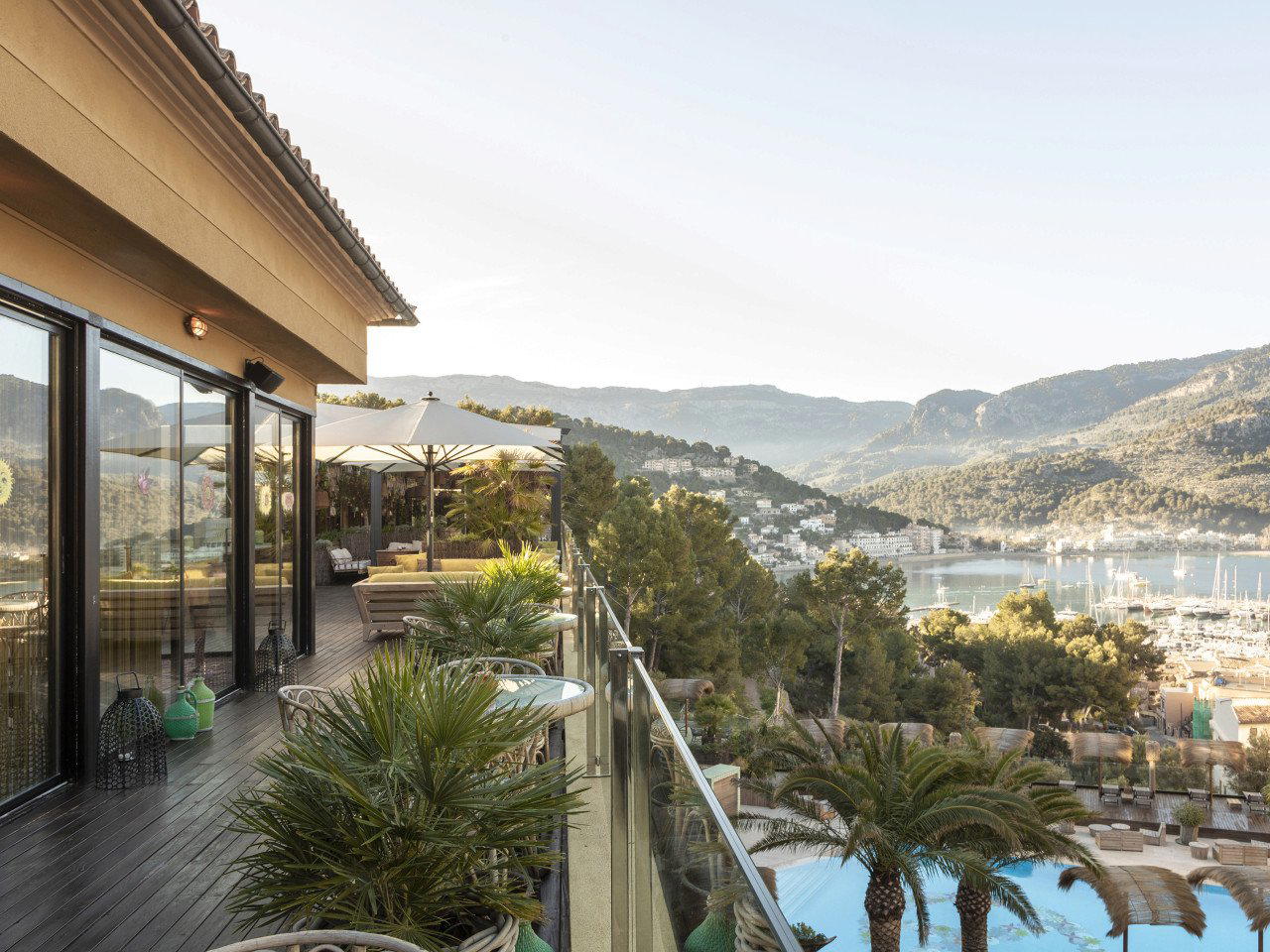
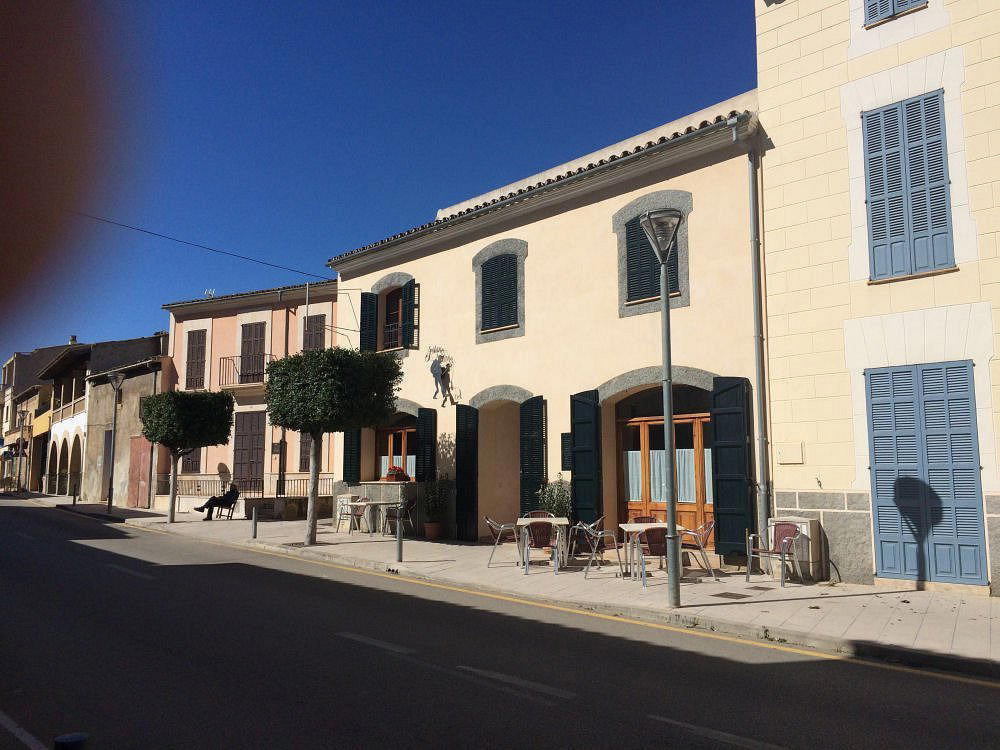
Hotels in Port de Pollença
Browse all →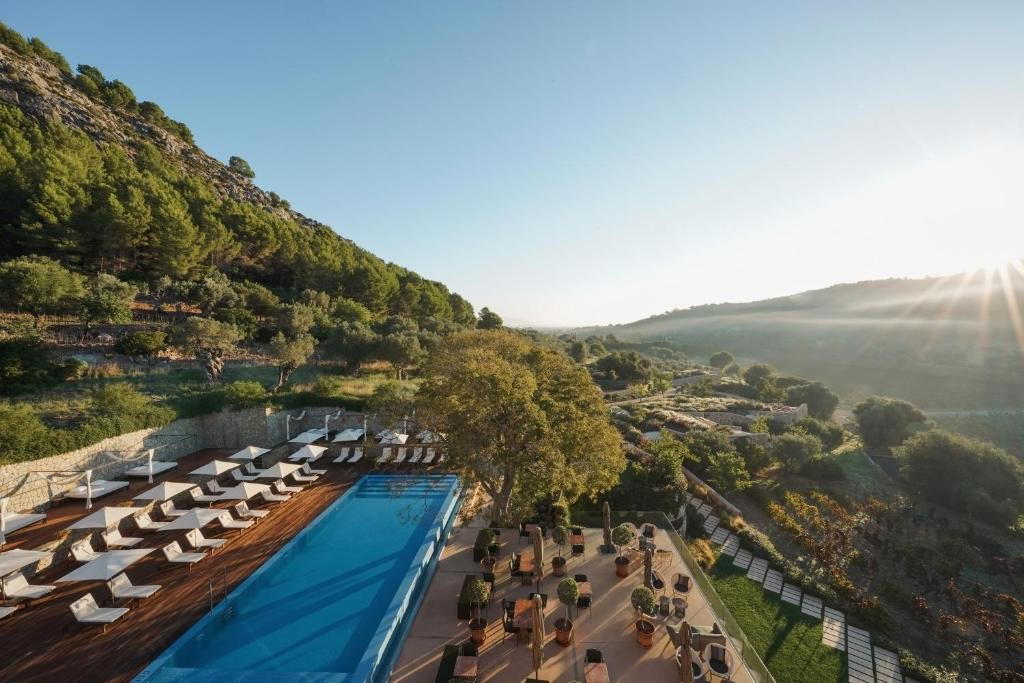
At a Glance
- Modern
- Cozy
- Elegant
- Intimate
- Sophisticated
- Date Night
- Special Occasion
- Open Kitchen
- Extensive Wine List
- Local Sourcing
- Zero Waste
- Sustainable Seafood
- Street Scene
Current opening hours
- Monday
- Closed
- Tuesday
- Closed
- Wednesday
- Closed
- Thursday
- Closed
- Friday
- Closed
- Saturday
- Closed
- Sunday
- 6:30–11 PM
Hours can change for holidays and private events. Last verified .
Relaxed, warm, and smooth with a modern, minimalist feel and open kitchen.
Know Before You Go
- Getting there
- Carrer de la Verge del Carme, 28, 07470 Port de Pollença, Illes Balears, Spain