


1 Michelin Key · La Liste Top Hotels · Design Hotels Member
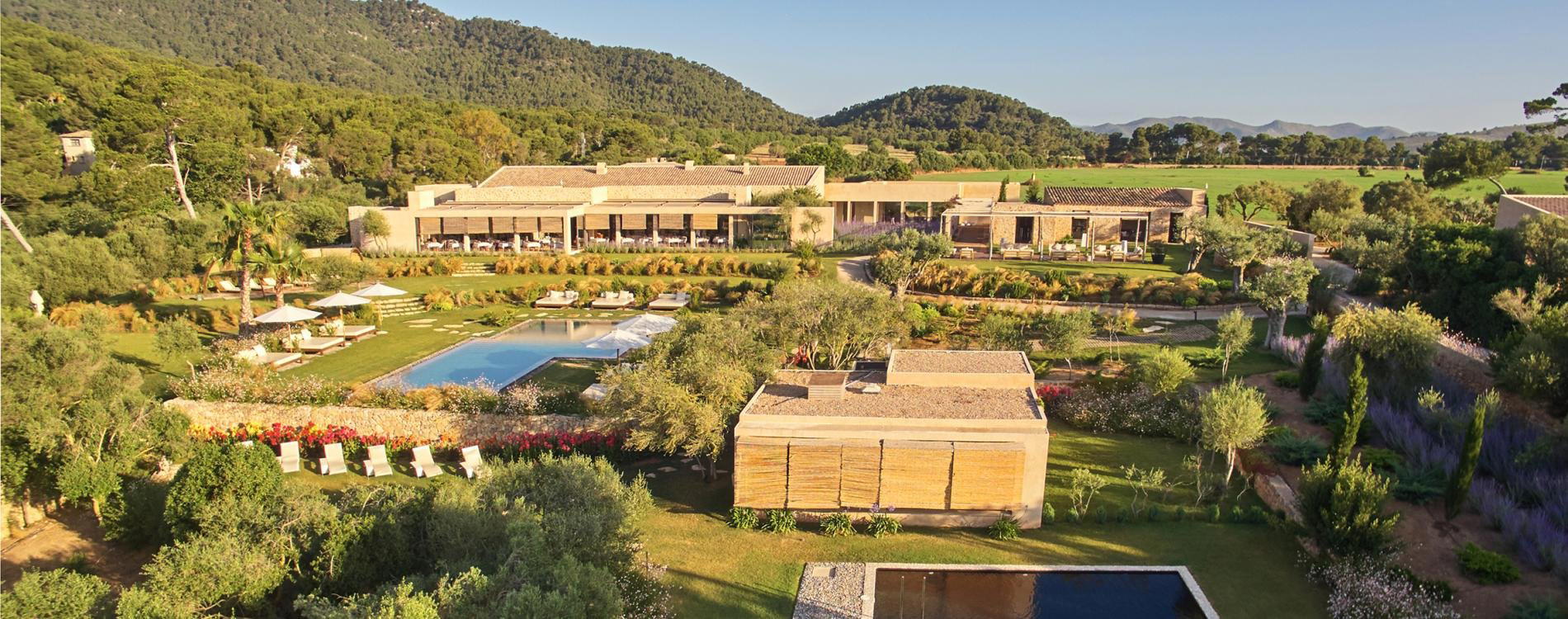
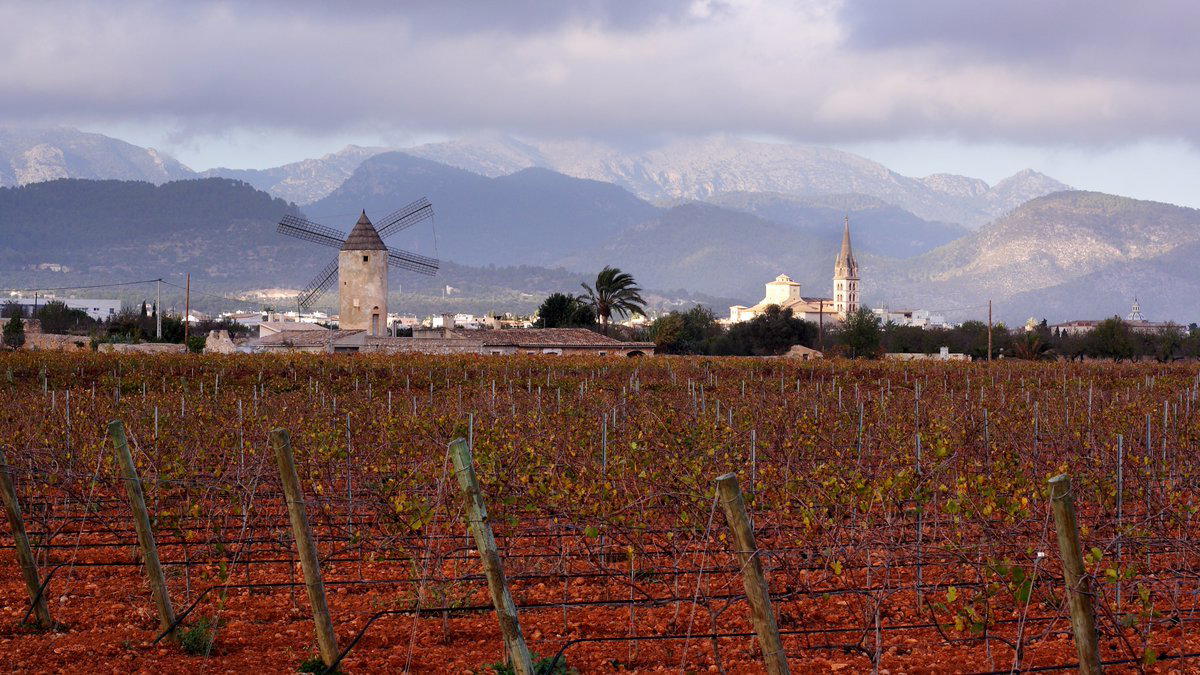
A 13th-century Mallorcan estate turned wellness retreat, Es Racó d'Artà spans 200 hectares of private terrain bordering the Parc Natural de Llevant. With 32 rooms and casitas, a Michelin Key (2024), and a restaurant drawing from its own organic gardens, vineyards, and olive groves, it sits at the serious end of the Balearic agrarian-luxury category, rated 93 points by La Liste (2026).

Pearl is the En Primeur Club membership app, where members save venues, book tables and use the concierge.
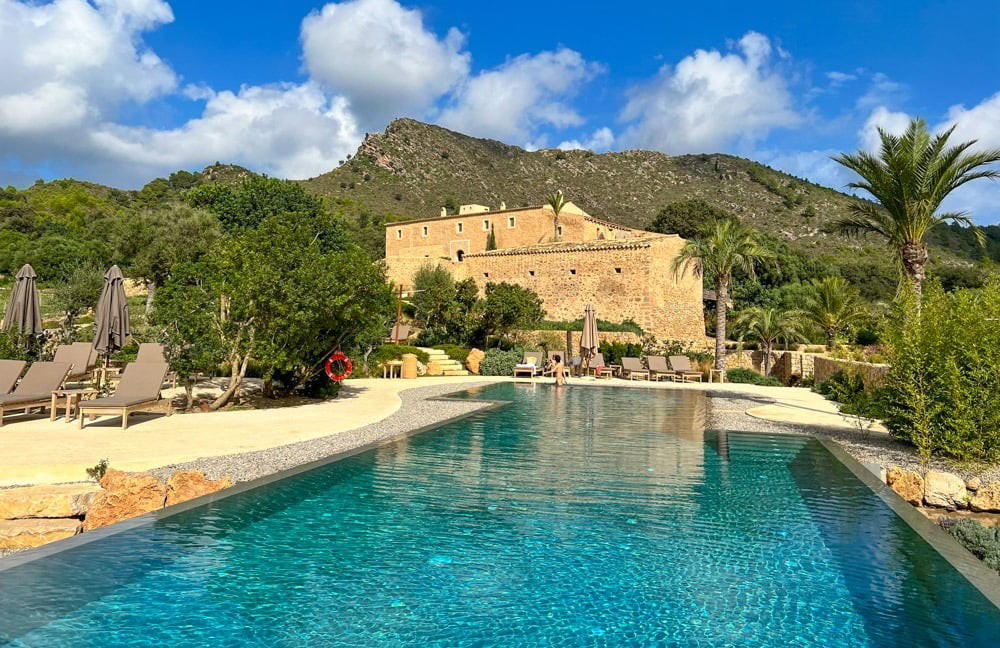
The Agrarian Estate as Luxury Format
The Balearic Islands have produced a recognisable category of hospitality over the past two decades: the converted farmhouse, or finca, repositioned as a private luxury retreat. Properties in this tier share a common grammar, stone walls, limited keys, agricultural land repurposed as amenity, and a deliberate distance from the resort infrastructure that dominates the island's coastline. Within that cohort, size and programme depth vary considerably. Most finca hotels cap their estate at a few dozen hectares and offer a restaurant as a supporting feature. Es Racó d'Artà operates at a different scale, with 200 hectares of working terrain and a dining programme structured around what that land actually produces.
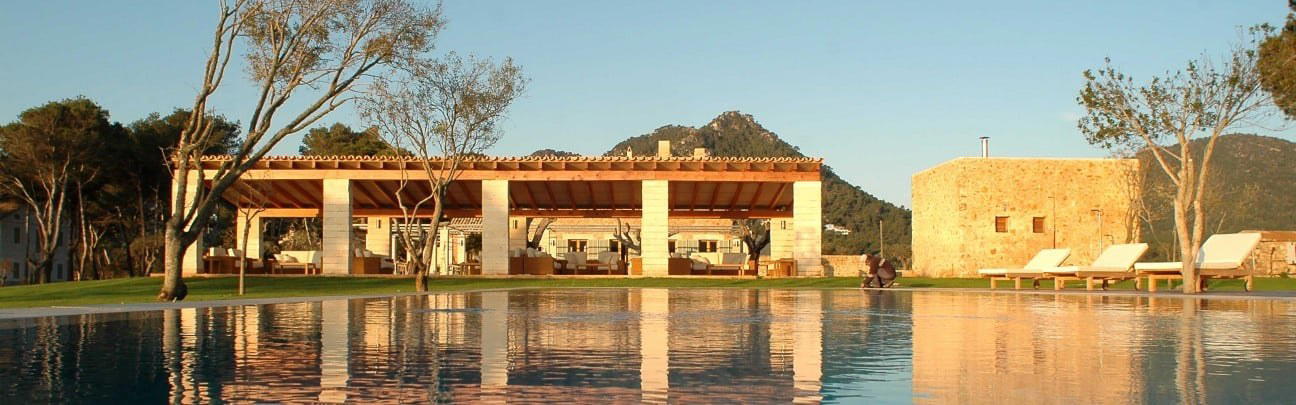
The estate traces its origins to the 13th century, placing it among the older continuously occupied agricultural properties on Mallorca. Its conversion into a hotel, designed by local architect Toni Esteva, maintained the ensemble character of a working farm, the main farmhouse anchoring a spread of outlying casas and casitas rather than consolidating everything into a single structure. That decision shapes the experience: guests move through a landscape rather than a building. For comparison, Carrossa Hotel and Spa occupies a similarly rural position near Artà and offers the finca format with a strong spa component, but the estate footprint and accommodation variety at Es Racó d'Artà place it in a distinct tier. Across Mallorca, La Residencia, a Belmond Hotel in Deià represents the Belmond approach to the rural-luxury category, with a more curated arts identity, while Hotel Can Ferrereta in Santanyí anchors the southeast of the island with a smaller boutique programme. Es Racó d'Artà's positioning, large estate, wellness orientation, serious dining, proximity to protected natural park, gives it a different competitive address from any of them.
The Dining Programme: Land to Table at Estate Scale
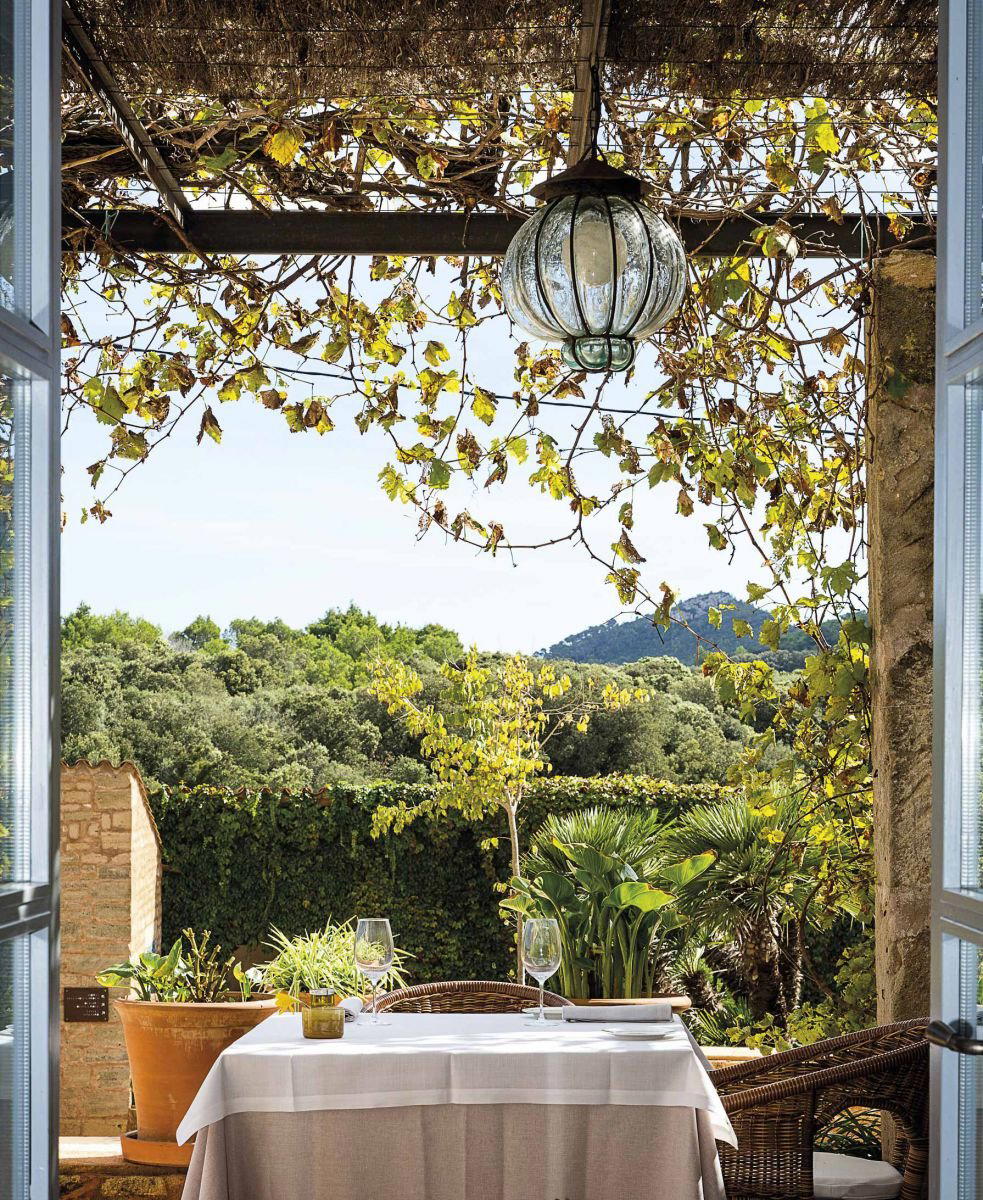
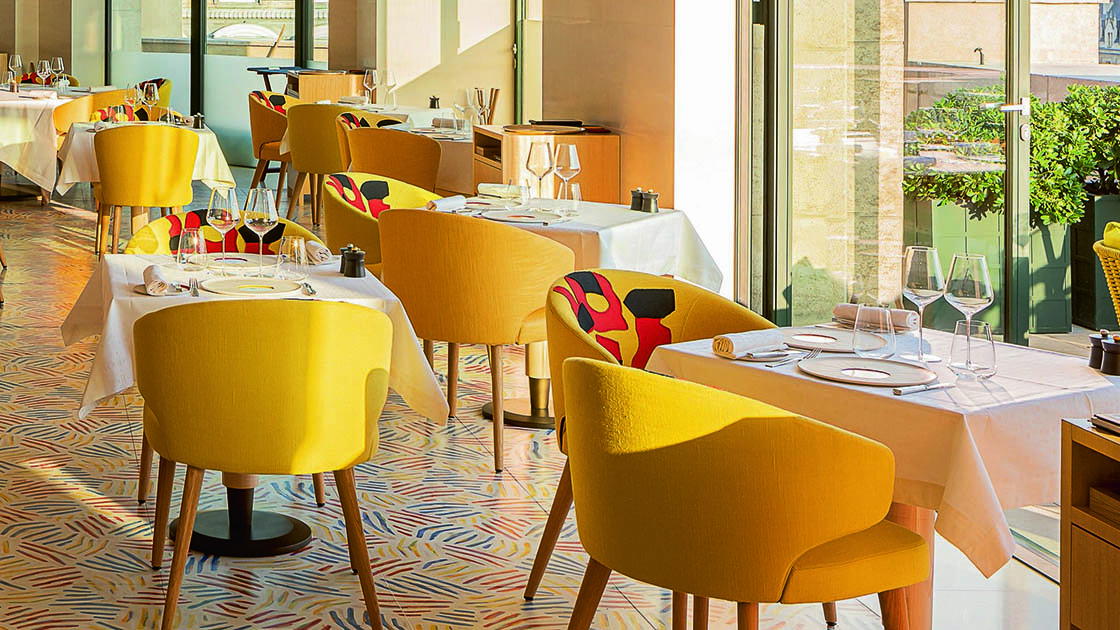
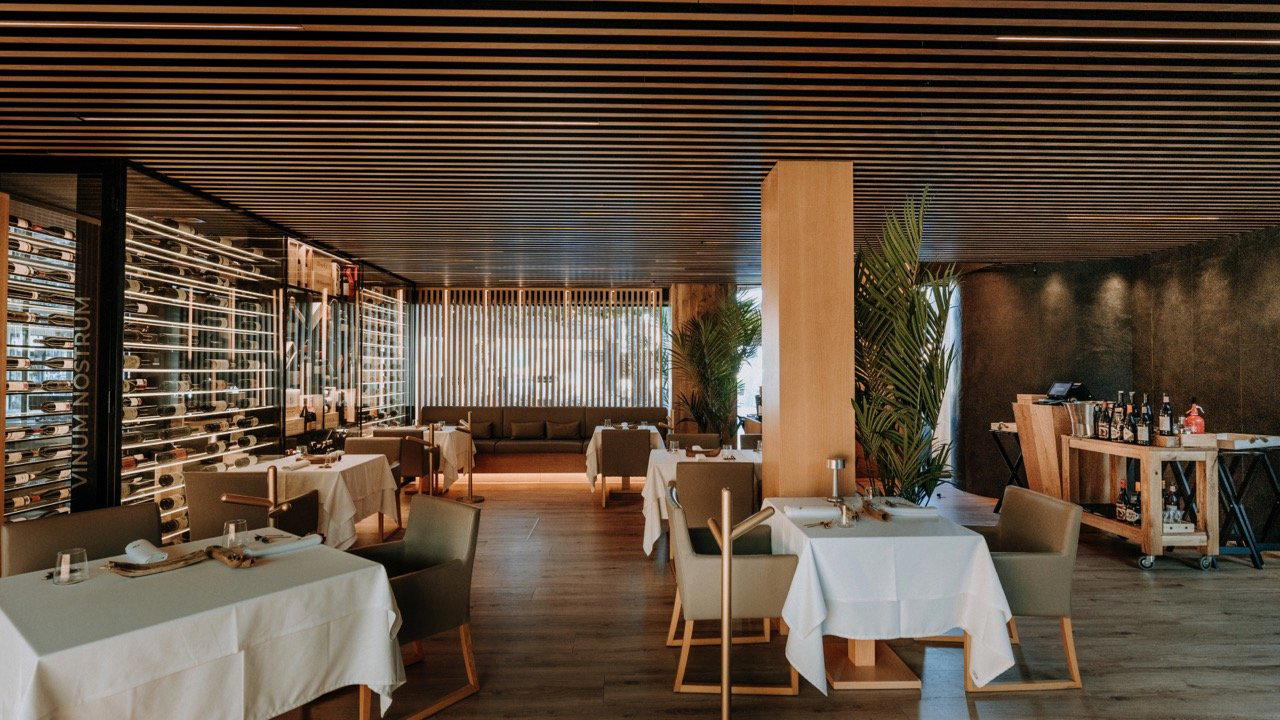
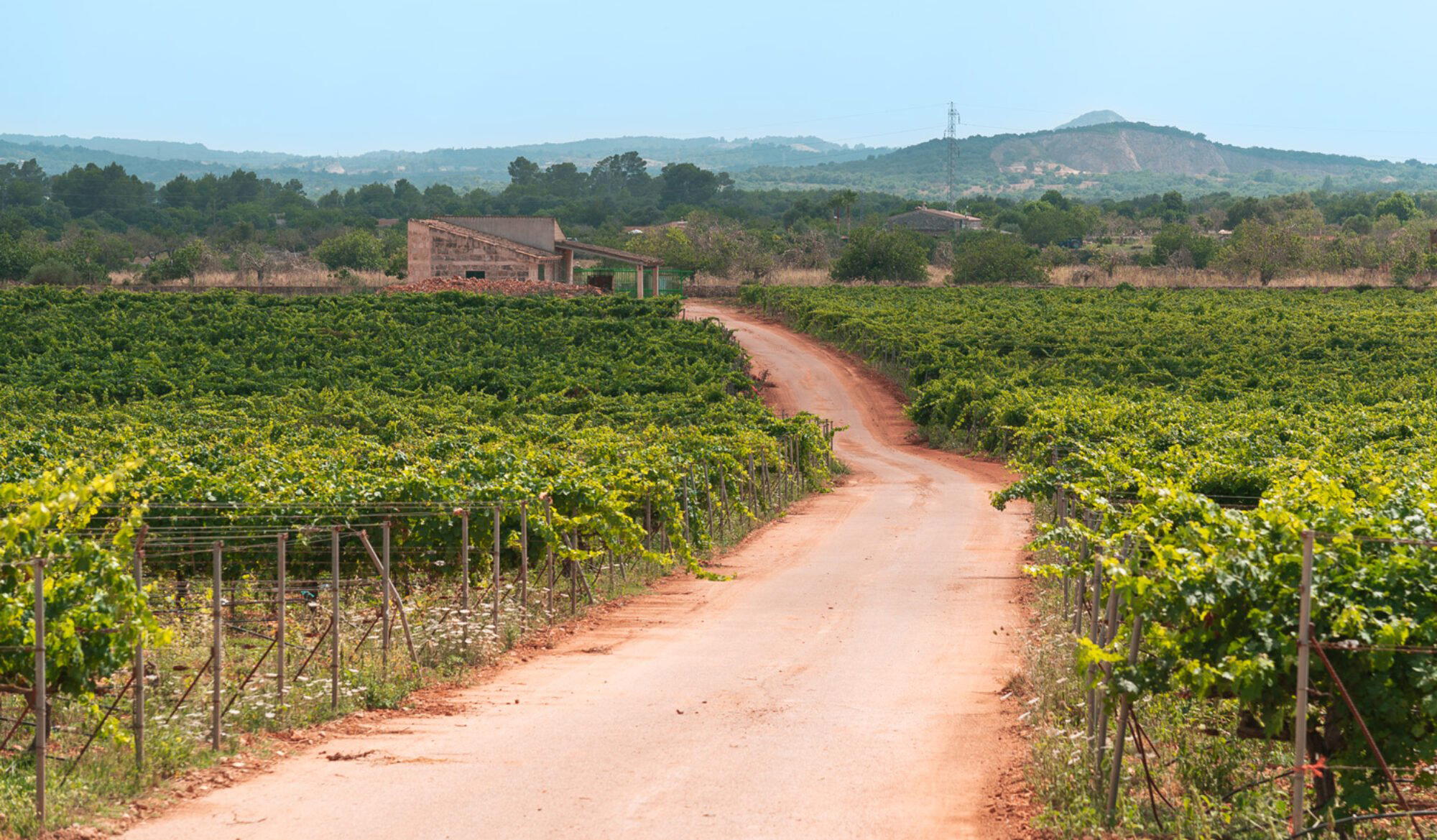
Restaurant at Es Racó d'Artà is not an imported concept. Three meals a day are served using produce drawn directly from the estate's organic garden, fruit and olive trees, and its own vineyards. What cannot be grown or harvested on site is sourced from local zero-kilometre suppliers, a sourcing discipline that goes further than the farm-to-table language common across Spanish rural hotels. The result is a dining programme defined less by a named chef's signature style and more by agricultural seasonality and estate output, a model that aligns with broader shifts in how serious European rural properties are approaching food.
This approach has drawn formal recognition: Es Racó d'Artà holds a Michelin Key (2024), part of the Michelin Guide's framework for recognising exceptional hotel stays rather than individual restaurants. The award places the property in a select group of Spanish rural estates where the overall experience, including dining, meets Michelin's evaluative threshold. La Liste's 2026 ranking assigned the property 93 points, a score that positions it among the top tier of European boutique hotels on that index.
The health-conscious, sustainable framing of the kitchen isn't incidental. It connects directly to the estate's broader wellness identity: a spa with an indoor pool, a Turkish bath, Watsu (a waterborne form of shiatsu massage), yoga instruction, and meditation programming. The dining and wellness programmes reinforce each other rather than operating as separate departments. For guests whose primary purpose is reset rather than restaurant-hopping, that coherence matters. Comparable Spanish properties with serious food-wellness integration include Terra Dominicata in Escaladei, which pairs its winery estate with a health-oriented kitchen in Catalonia, and Abadía Retuerta LeDomaine, which combines a working winery with a spa programme in Castile. Es Racó d'Artà's point of difference is the natural park adjacency, which extends the wellness offer into the landscape itself.
The Estate and Its Accommodation Logic
Thirty-two rooms across a 200-hectare property produces a density that is, by design, almost imperceptible. The main building holds rooms and suites of notably generous proportions, each configured differently, drawing on the irregular geometry of a medieval farmhouse rather than the standardised layouts of purpose-built hotels. Equipment levels match what guests expect from contemporary luxury resorts, without the corporate uniformity that typically accompanies it.
The casitas add a private plunge pool and outdoor lounge space to each unit. At the far end of the accommodation range, two self-contained Casas sit approximately half a kilometre from the main complex, with private swimming pools and full residential infrastructure. For guests who want the estate experience without any shared amenity contact, the Casas provide it. This graduated privacy model, from main-house suite to fully detached Casa, gives the property flexibility that most finca hotels, operating at smaller scale, cannot match.
Rates begin at approximately $602 per night, positioning the property at the premium end of Mallorcan rural hospitality but below the ultra-luxury ceiling represented by a property like Cap Rocat, a converted coastal fortress near Palma operating in a different architectural and experiential register. On the broader Spanish luxury hotel spectrum, properties including Mandarin Oriental Ritz Madrid and Akelarre in San Sebastián command higher prices through urban or gastronomy-led positioning. Es Racó d'Artà's rate makes more sense in the context of what it delivers: estate acreage, protected park access, a Michelin-recognised experience, and 32 rooms spread across a medieval landscape.
Position Within Artà and the Northeast
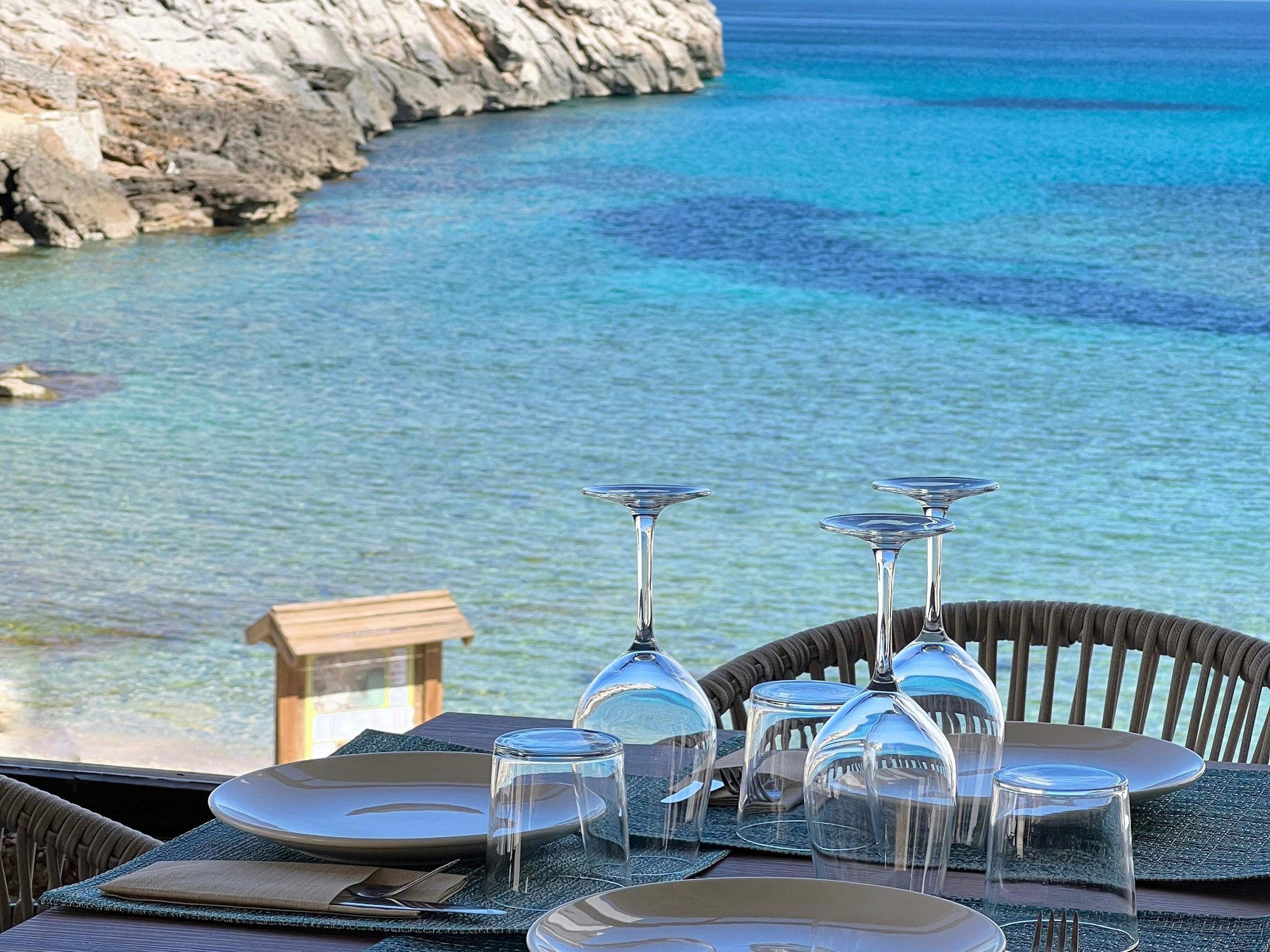
Artà sits in the northeast of Mallorca, well outside the tourist corridors that concentrate around Palma and the southwest coast. The town retains a working Mallorcan character, and the surrounding terrain, the Serra de Llevant and the adjacent Parc Natural de Llevant, gives the area a landscape quality distinct from the more visited parts of the island. Es Racó d'Artà's address on the Camí des Racó, at Km 1.5 from the main road, places it at the edge of the natural park, with direct access to hiking terrain that few comparable hotel estates can claim. For a wider orientation to the area's food, drink, and culture, our full Artà guide covers the town's restaurants and points of interest in more depth.
Across the Balearic Islands, the luxury hotel market has segmented sharply: BLESS Hotel Ibiza and Hotel Can Cera in Palma each represent urban or lifestyle-oriented positions within the Balearic offer, while Can Alberti 1740 in Mahón anchors the Menorca boutique tier. Es Racó d'Artà belongs to none of those subsets. Its reference points are rural, agricultural, and wellness-centred, with the natural park as a defining amenity rather than a backdrop.
Planning Your Stay
The property's 32 rooms, spread across main building, casitas, and two private Casas, mean that availability is limited and demand concentrated in the peak Mallorcan season from late spring through early autumn. Guests seeking the Casas, the most private and self-sufficient option, should plan well ahead. The website and direct booking channels are the appropriate route for enquiries, given the property's positioning as a private retreat rather than a chain-affiliated hotel. The Artà location requires either a rental car or arranged transfers; the estate sits 1.5 kilometres from the main road, and the surrounding terrain rewards independent mobility for those who want to explore the natural park on their own schedule.
Price and Positioning
Comparable venues nearby, for context on price, style, and recognition.
| Venue | Price | Awards | Notes |
|---|---|---|---|
| Es Raco d'ArtàThis venue (the venue you are viewing) | $300–500 | 1 Michelin Key · La Liste Top Hotels | Not listed |
| Carrossa Hotel & Spa | $200–300 | La Liste Top Hotels | Artà, Luxury mountain spa retreat with contemporary wellness focus and Mediterranean hospitality |
| Finca Serena Mallorca | $300–500 | 1 Michelin Key · Mr & Mrs Smith Seal of Approval | Montuiri, Luxury boutique estate hotel emphasizing wellness, gastronomy, and connection to Mallorcan countryside with minimalist Mediterranean design. |
| Wittmore Hotel Barcelona | $100–200 | 1 Michelin Key · La Liste Top Hotels | Barri Gotic, Contemporary English country house style in a historic Gothic Quarter building |
| Cap Vermell Grand Hotel | $500–750 | 2 Michelin Keys · Virtuoso Luxury Hotel Partner | Canyamel, Grand luxury resort inspired by traditional Mallorcan architecture with contemporary wellness focus and gastronomic excellence. |
| Can Bordoy Grand House & Garden | $300–500 | 1 Michelin Key · La Liste Top Hotels | La Lonja (Old Quarter), Art Deco luxury boutique hotel merging historic Old Quarter charm with contemporary design, positioned as an intimate urban sanctuary. |
Recognition history
Dated appearances from independent guides and award organizations, with the underlying list record or original source where available.
Michelin 1 Key
Michelin
La Liste Top Hotels
La Liste
Design Hotels Member
Design Hotels
Full recognition history (5 entries)
Michelin 1 Key
Michelin
Michelin 1 Key
Michelin
Continue exploring
More in Artà
Hotels in Artà
All hotels in Artà →
Bars in Artà
All bars in Artà →
Restaurants in Artà
All restaurants in Artà →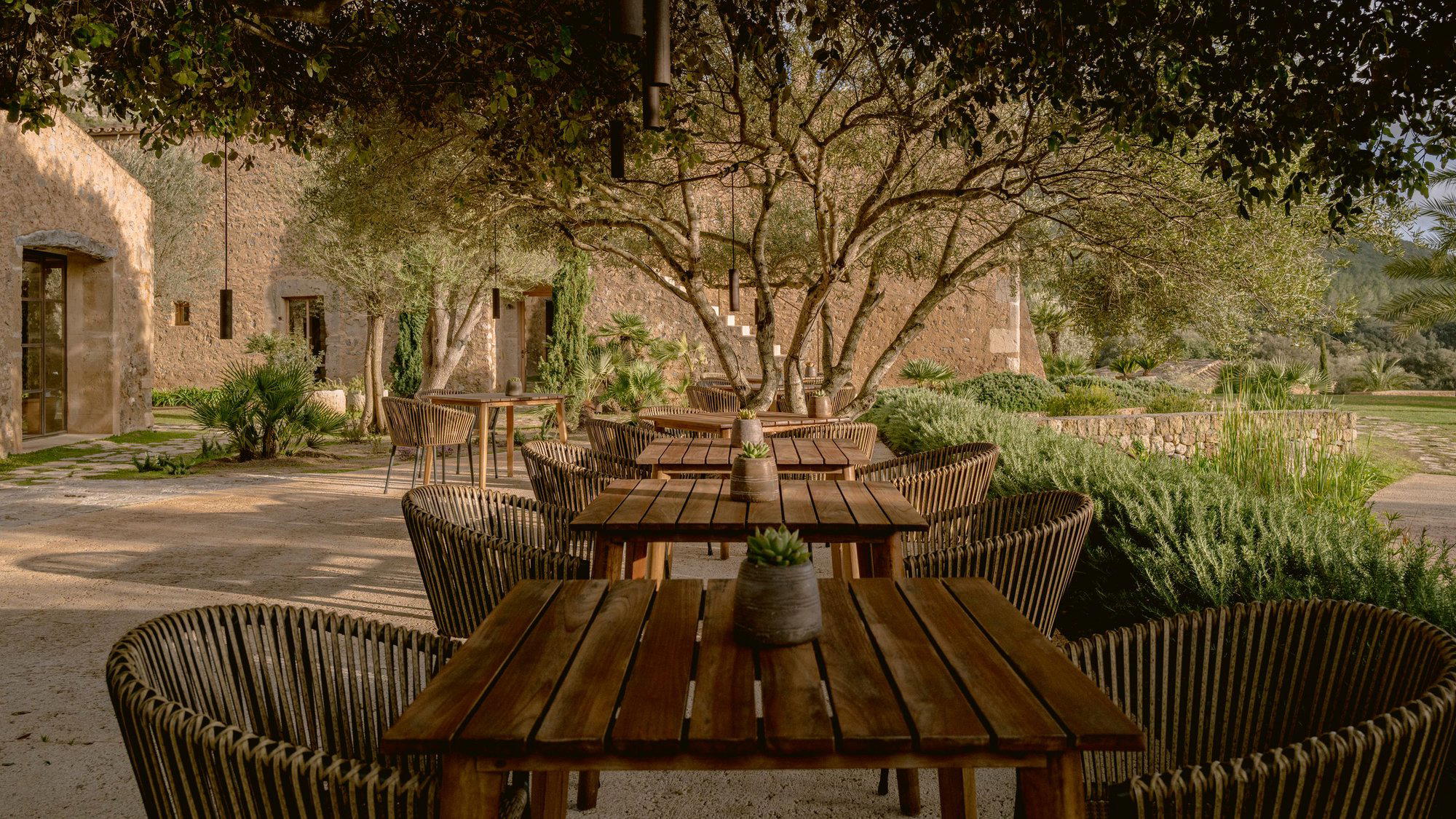

Details
- Romantic
- Quiet
- Scenic
- Rustic
- Elegant
- Sophisticated
- Wellness Retreat
- Romantic Getaway
- Anniversary
- Weekend Escape
- Private Villa
- Destination Spa
- Garden
- Terrace
- Historic Building
- Design Destination
- Panoramic View
- Infinity Pool
- Wi Fi
- Pool
- Spa
- Fitness Center
- Room Service
- Concierge
- Restaurant
- Sauna
- Bicycle Rental
- Hot Tub
- Mountain
- Vineyard
- Garden
- Wheelchair Accessible
- Accessible Parking
- Accessible Restroom
Serene and contemplative with natural stone and wood elements, soft lighting in spa pavilions, and secluded outdoor spaces that create an intimate sense of privacy despite the property's size.