

Michelin Plate · Guía Repsol 1 Sol
Our verdict
In the quiet agricultural village of Llubí, Daica occupies a Mallorcan-style townhouse where two rustic-contemporary dining rooms and a patio frame menus built almost entirely on island-sourced ingredients. The kitchen earns consecutive Michelin Plate recognition (2024 and 2025) for cooking that keeps traditional Mallorcan foundations intact while allowing creative touches to surface where they count. Two set menus, Temporada and Festa, structure the experience, with an optional cheese course available on either.

Pearl is the En Primeur Club membership app, where members save venues, book tables and use the concierge.
Where the Interior Comes to the Table
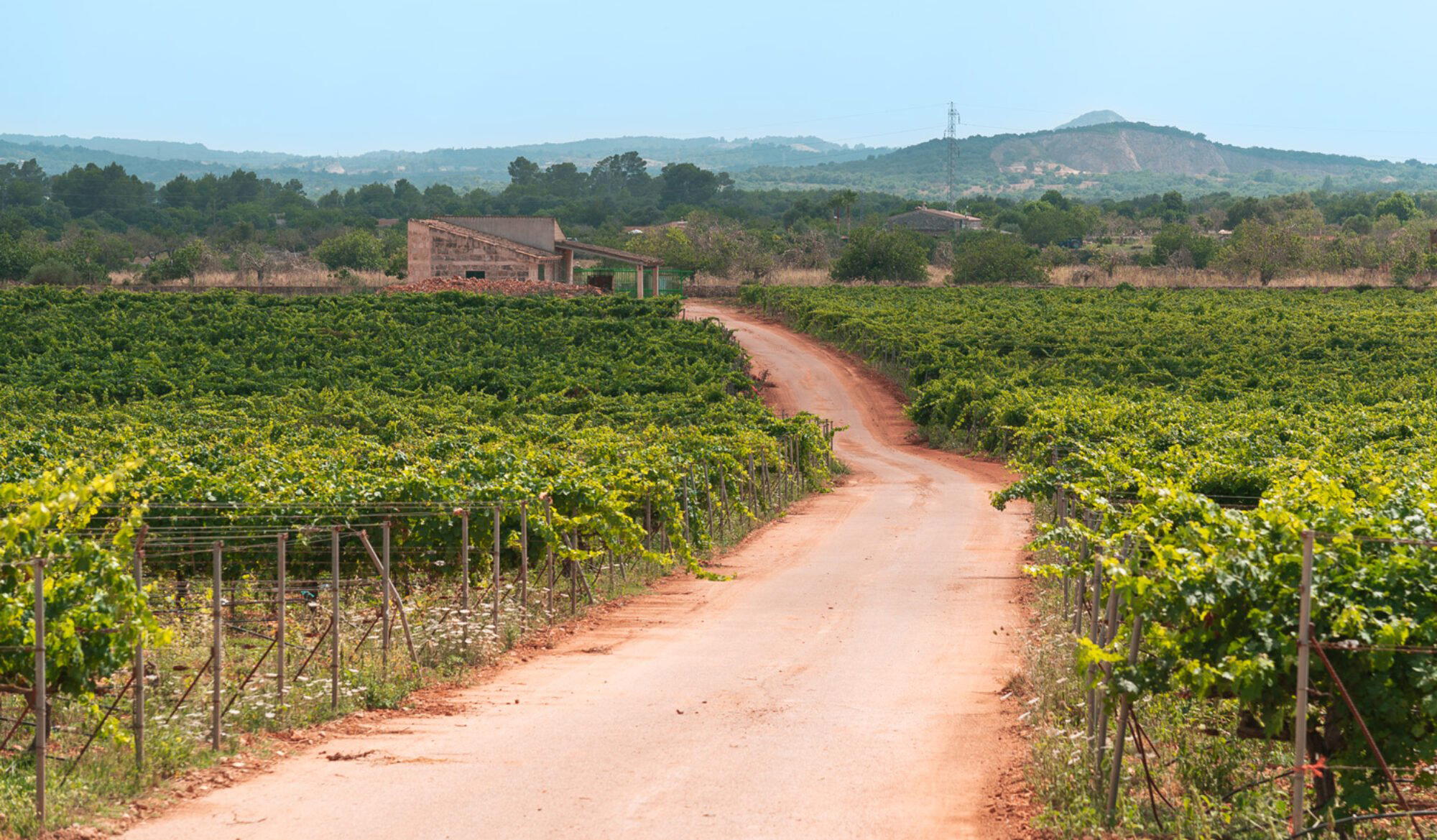
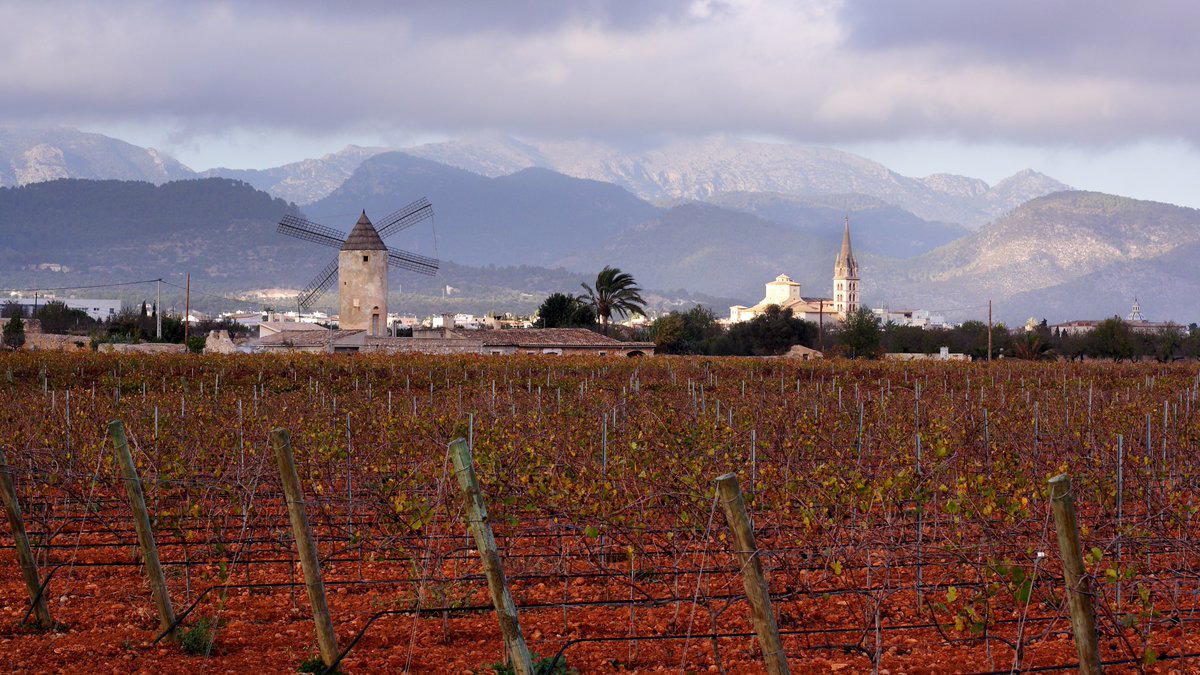
Llubí sits in the flat, agricultural heartland of Mallorca, away from the coastal resort circuits and the well-worn restaurant trail between Palma and the Serra de Tramuntana. The village is small enough that arriving by car along the Carrer de la Farinera feels like a genuine detour from the island's more obvious dining geography. That detour is, in large part, the point. Restaurants in this part of central Mallorca are not competing for tourist footfall; they are cooking for a different kind of attention, one shaped by the fields and smallholdings that surround the town rather than by the harbour views that dominate so much of the island's food conversation. For context on what else the area offers, see our full Llubí restaurants guide.
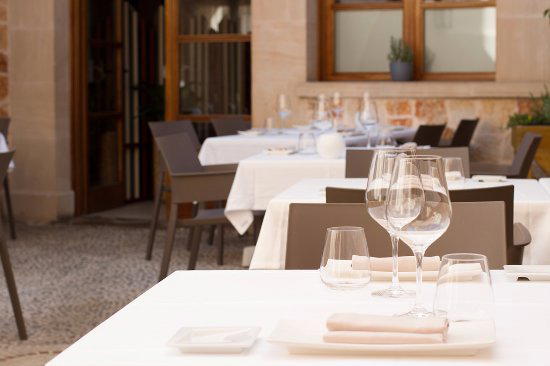
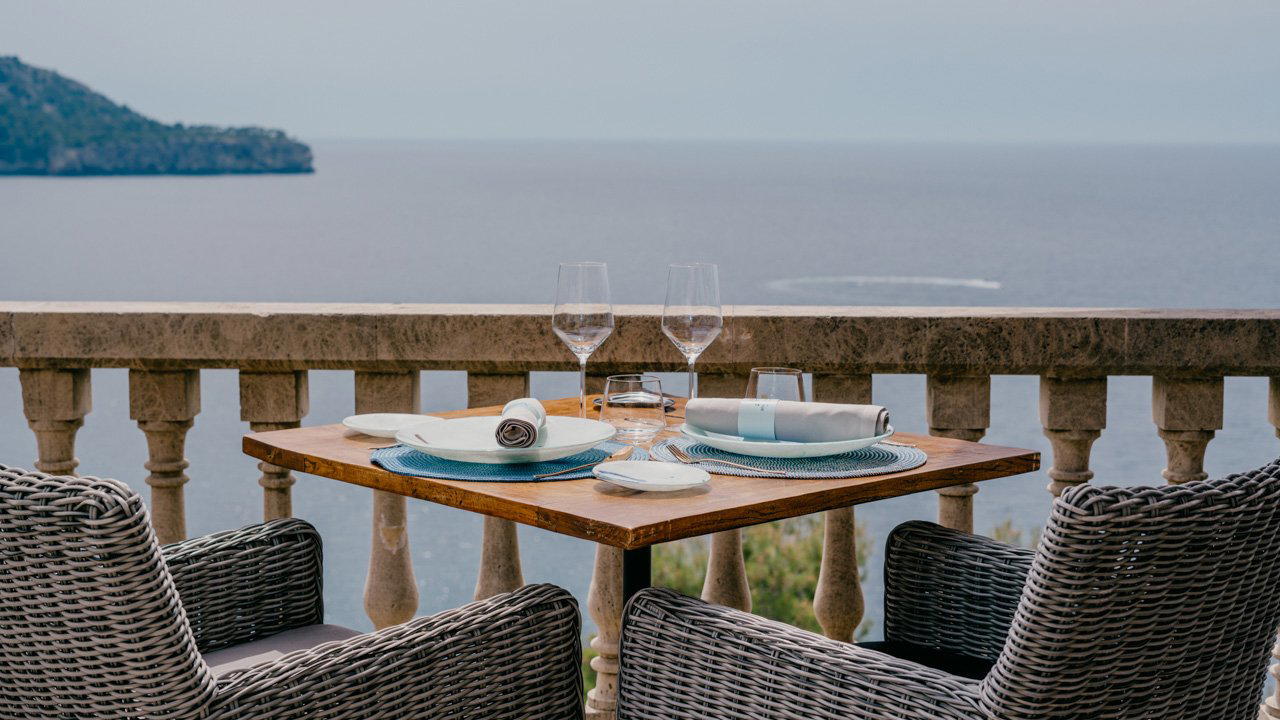
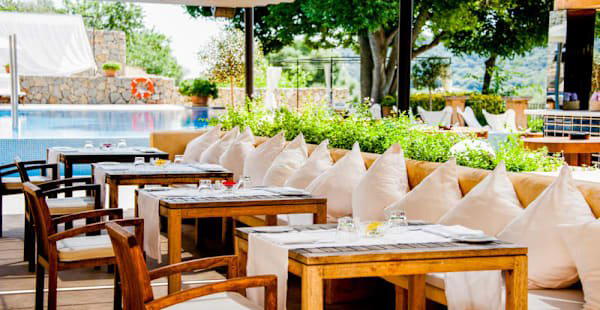
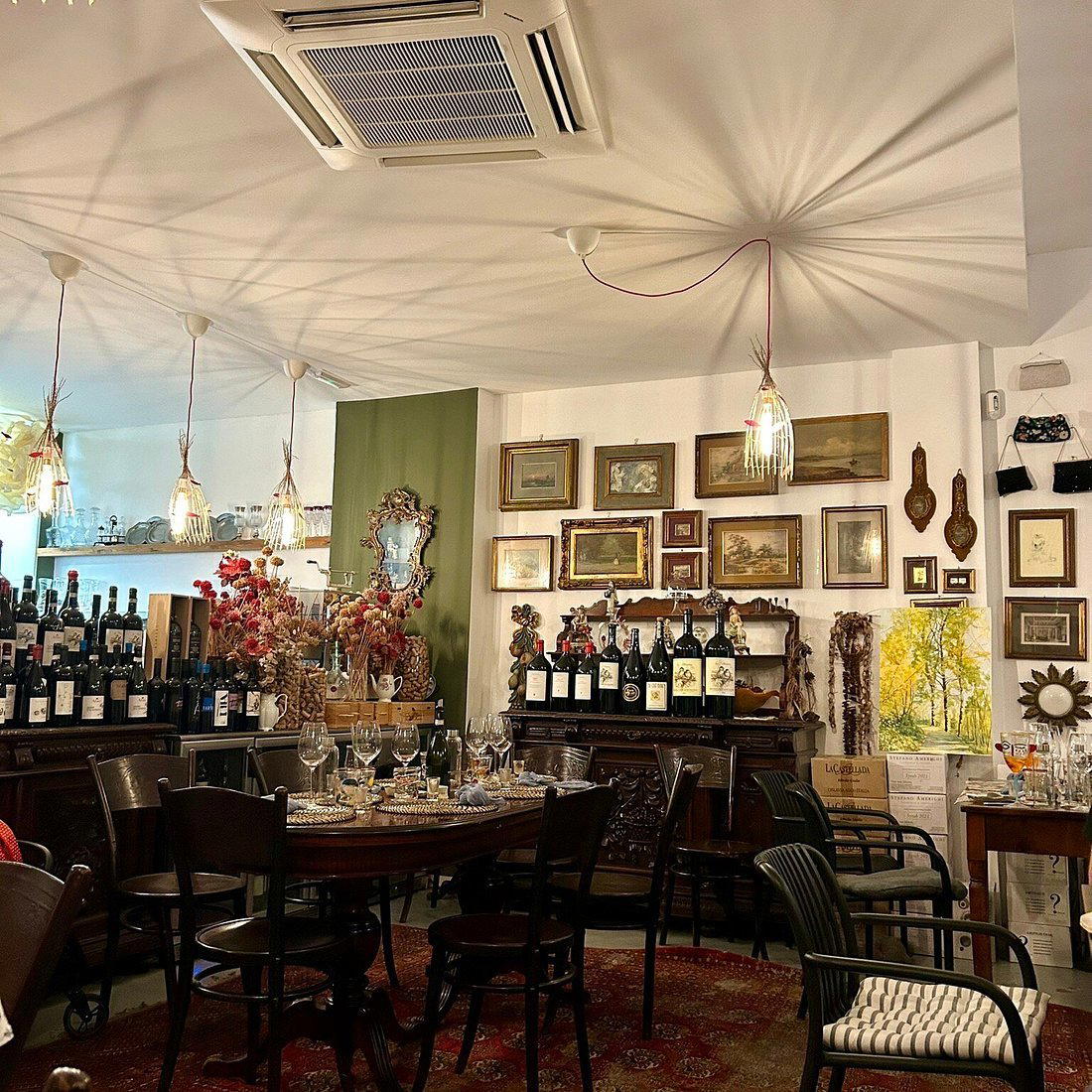
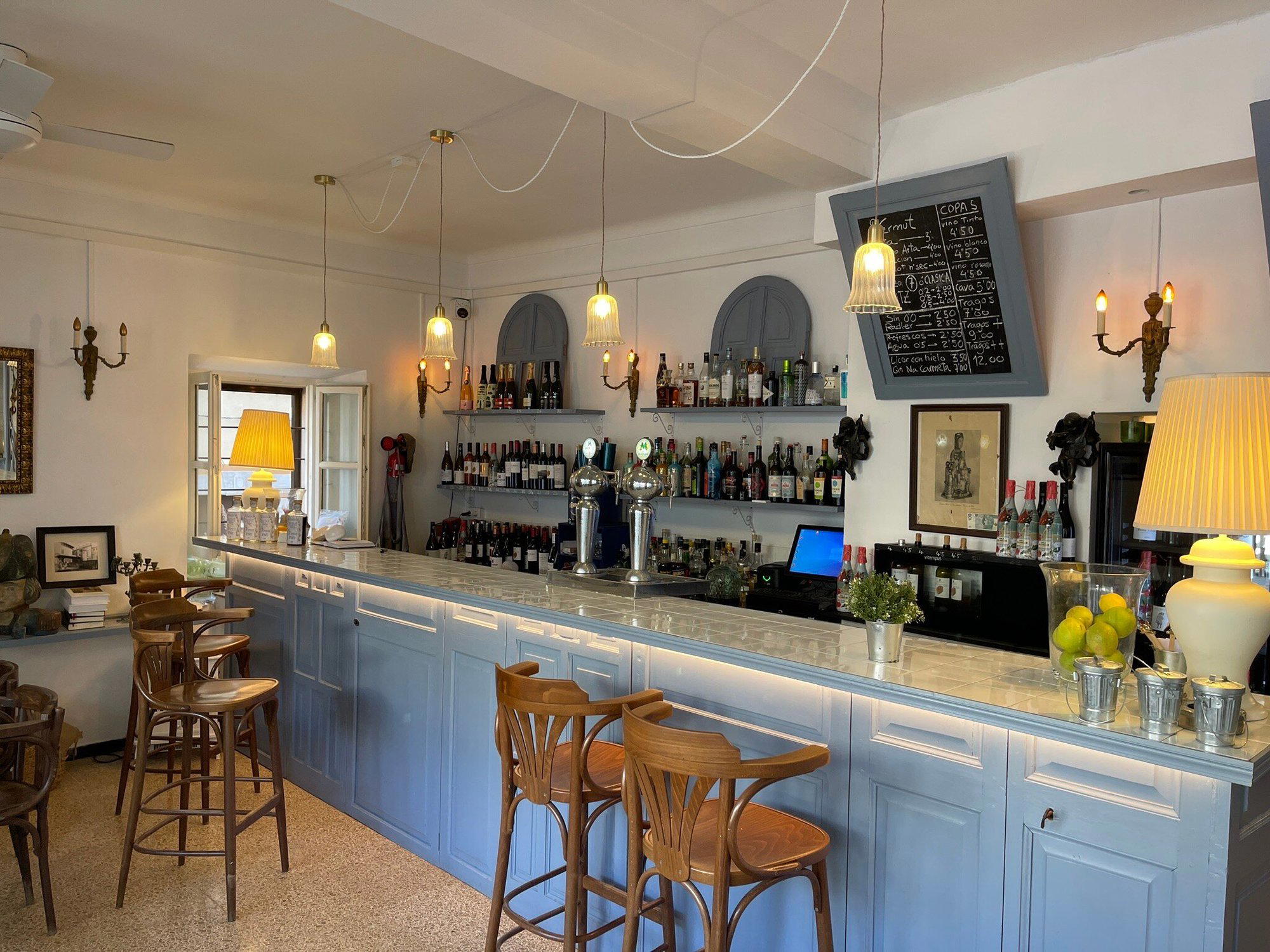
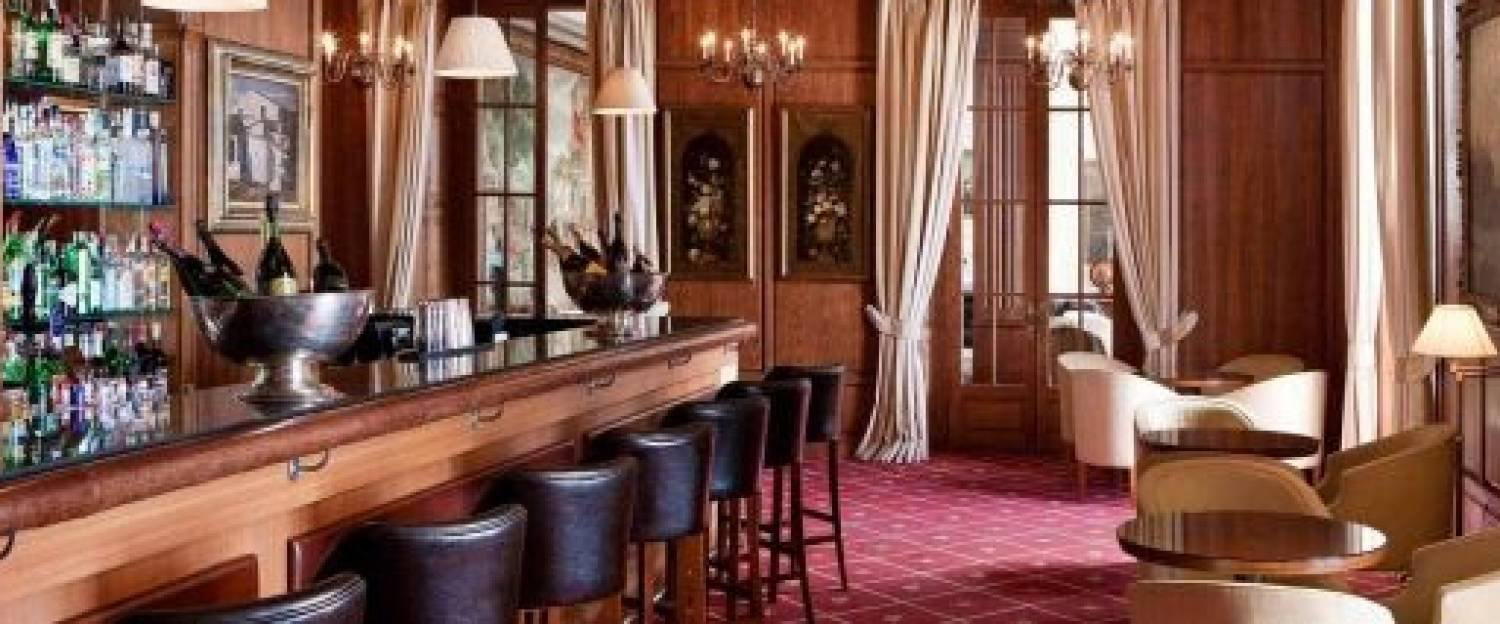
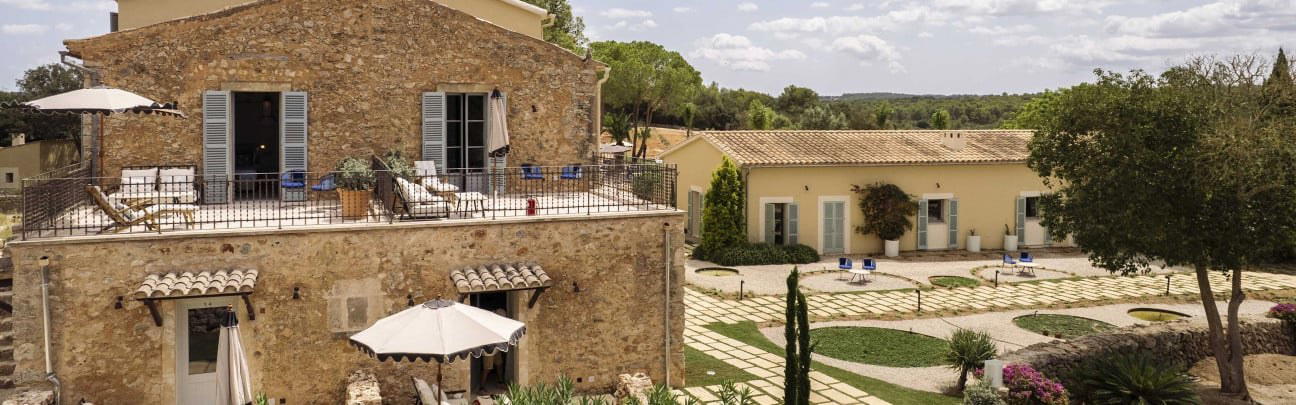
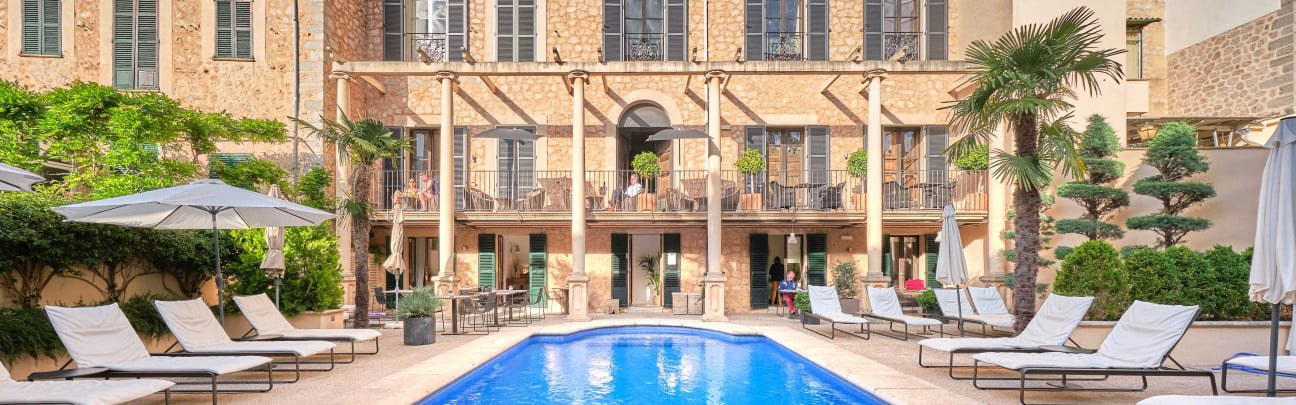
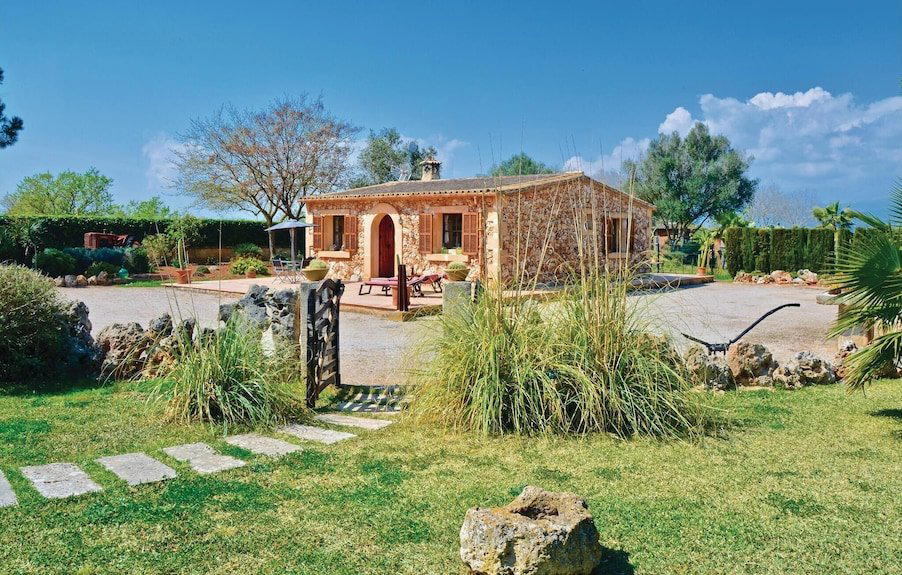
Daica occupies a traditional Mallorcan townhouse on that same street, and the building's character sets the register before the first course arrives. The structure is stone, as most of Llubí is, and the interior resolves into two dining rooms that sit somewhere between rustic and contemporary without committing entirely to either. Exposed materials, restrained decoration, and the kind of architectural confidence that old buildings carry naturally. When weather and season allow, the patio extends the room outward and gives the meal a different tempo: slower, more open, with the unhurried quality that defines the inland Mallorcan pace in general.
An Island on a Plate: The Sourcing Logic Behind the Menu
The approach at Daica is not complicated to describe, but it is harder to execute than it sounds: source from the island, cook with a traditional foundation, and introduce creative movement without displacing the recognisable character of Mallorcan cuisine. What that means in practice is a kitchen that is operating within a defined geography of supply. Mallorca's interior produces sobrasada, capers, almonds, figs, and a range of vegetables and pulses that form the backbone of the island's domestic cooking. The coastal waters contribute fish and shellfish that vary by season. The island's newer wave of small producers, many working in and around the Raiguer comarca that includes Llubí, have expanded what a restaurant with this sourcing commitment can actually put on the menu.
This is the same tension that defines an increasingly wide band of Spanish regional cooking: how to remain rooted in a culinary tradition without becoming a museum of it. The Michelin inspectors who awarded Daica consecutive Plate recognitions in 2024 and 2025 are tracking a specific quality threshold, one that sits below star level but signals consistent cooking worth a journey. In Spain's broader restaurant conversation, the Plate sits in a competitive middle ground: above casual, below the transformative ambition of the country's most decorated kitchens. For comparison, Spain's starred tier at the highest level includes restaurants like El Celler de Can Roca in Girona, Arzak in San Sebastián, and Azurmendi in Larrabetzu, all operating at €€€€ price points with expansive creative programmes. Daica operates at €€€, in a register that prioritises ingredient fidelity and traditional cooking over progressive spectacle. That is a deliberate position, not a limitation.
Temporada and Festa: How the Menus Work
The kitchen structures its offer around two tasting menus: Temporada, which tracks the season's produce, and Festa, which carries a celebratory register in both scope and composition. Both menus reflect the same sourcing logic, and both allow for a cheese course to be added at supplementary cost. This is a detail worth noting for guests who prefer their cheese as a formal course rather than an afterthought; Mallorca's local cheese production, particularly from the interior, gives that add-on more than token value.
The two-menu format is common across Spanish regional fine dining, and it serves a clear function: it lets a kitchen signal seasonal responsiveness through Temporada while offering a more expansive, occasion-shaped version through Festa. What distinguishes Daica's version is the consistent emphasis on Mallorcan provenance running through both. The creative touches that the kitchen introduces are not impositions from outside the island's culinary logic; they are refinements operating within it. This positions Daica differently from the more globally influenced creative restaurants elsewhere in Spain, including the progressive seafood experiments of Aponiente in El Puerto de Santa María or the boundary-testing format of DiverXO in Madrid. The ambition here is narrower in geographic scope and the more focused for it.
Guests who want to understand where Daica sits in the broader context of traditional-leaning Spanish restaurant cooking might also consider Auga in Gijón or Auberge Grand'Maison in Mûr-de-Bretagne, both of which operate in a similar register of ingredient-led, regionally grounded cooking. Further afield in Spain, Ricard Camarena in València, Quique Dacosta in Dénia, Martin Berasategui in Lasarte-Oria, Cocina Hermanos Torres in Barcelona, Atrio in Cáceres, and Mugaritz in Errenteria represent the higher-starred tier of the country's regional fine dining spectrum, where the investment in both price and occasion is substantially greater.
Planning a Visit
Daica is located at Carrer de la Farinera, 7, in Llubí, a village in the Raiguer interior of Mallorca. Reaching it requires a car; public transport to Llubí is limited, and the restaurant's position in the village centre is most practically approached by driving from Palma (roughly 35 to 40 kilometres) or from Inca (around 10 kilometres). The price range sits at €€€, which positions it as a considered occasion rather than a casual meal, though not at the top of the island's price spectrum. Booking in advance is advisable, particularly for the patio in warmer months and for weekend evenings year-round. Contact details are not currently listed online; direct enquiry through local booking channels or an on-the-ground contact in Mallorca is the most reliable approach. For accommodation nearby, see our full Llubí hotels guide, and for wider exploration of the area, consult our Llubí bars guide, our Llubí wineries guide, and our Llubí experiences guide.
Frequently asked questions
What does dinner at Daica typically cost?
Pricing at Daica is listed as €€€.
| Venue | Cuisine | Price | Awards | Notes |
|---|---|---|---|---|
| DaicaThis venue (the venue you are viewing) | Modern Mallorcan Fine Dining | Not listed | Michelin Plate · Guía Repsol 1 Sol | Not listed |
| Aponiente | Avant-Garde Marine Seafood | $200–300 | 3 Michelin Stars · World's 50 Best #84 | Progressive - Seafood, Creative |
| Arzak | Contemporary Basque Fine Dining | $300–500 | 3 Michelin Stars · World's 50 Best #31 | Modern Basque, Creative |
| DiverXO | Avant-Garde Spanish Tasting Menu | $300–500 | 3 Michelin Stars · World's 50 Best #4 | Progressive - Asian, Creative |
| El Celler de Can Roca | Creative Catalan Fine Dining | $300–500 | 3 Michelin Stars · World's 50 Best #2 | Progressive Spanish, Creative |
| Quique Dacosta | Avant-Garde Spanish Fine Dining | $300–500 | 3 Michelin Stars · World's 50 Best #65 | Creative |
Recognition history
Dated appearances from independent guides and award organizations, with the underlying list record or original source where available.
Michelin Plate
Michelin
Guía Repsol 1 Sol
Guía Repsol
Full recognition history (4 entries)
Michelin Plate
Michelin
Michelin Plate
Michelin
Continue exploring
More in Llubí
Restaurants in Llubí
All restaurants in Llubí →
Bars in Llubí
Browse all →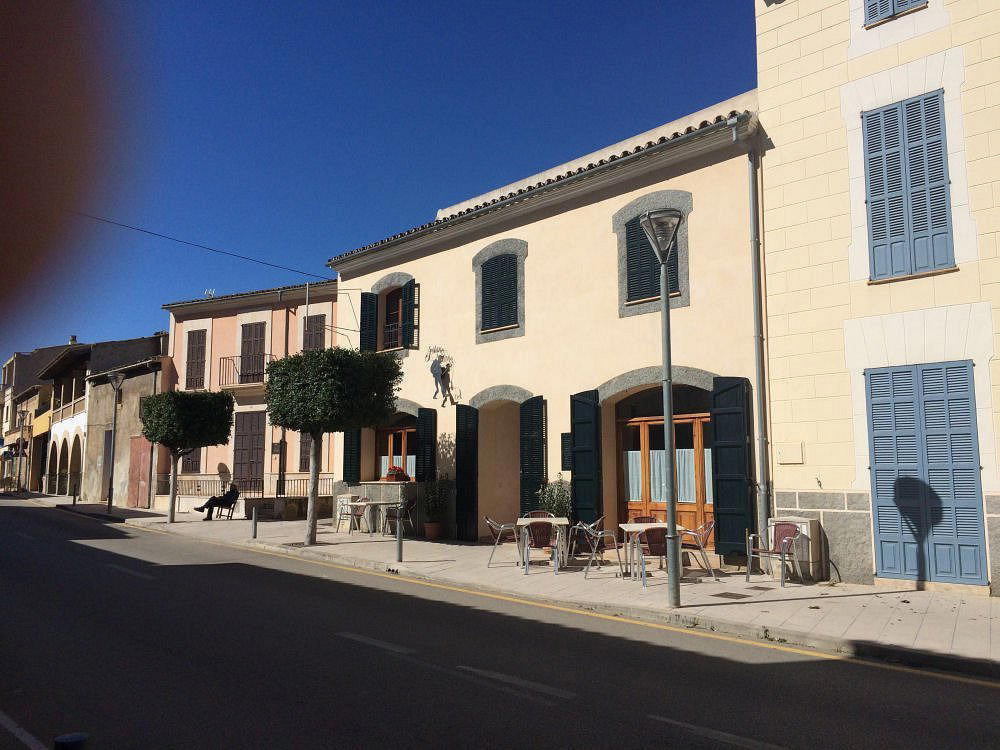

Details
- Rustic
- Cozy
- Elegant
- Intimate
- Date Night
- Special Occasion
- Open Kitchen
- Extensive Wine List
- Sommelier Led
- Local Sourcing
- Tasting Menu
- Vegan Options
- Vegetarian Friendly
- Allergy Accommodating
Current opening hours
- Monday
- Closed
- Tuesday
- Closed
- Wednesday
- Closed
- Thursday
- 1–5 PM
- Friday
- 1–5 PM, 8 PM–12 AM
- Saturday
- 1–5 PM, 8 PM–12 AM
- Sunday
- 1–5 PM
Hours can change for holidays and private events. Hours as of .
Rustic-contemporary dining rooms and attractive patio with quiet, welcoming atmosphere.