Teresita's
Our verdict
Teresita's occupies a specific address on 1st Street in East Los Angeles, a corridor where family-run kitchens and neighborhood institutions have long coexisted with newer arrivals. Positioned alongside Los Angeles's broader conversation about Eastside dining traditions, the restaurant draws attention from those tracking how collaborative front- and back-of-house teams shape the character of neighborhood restaurants in working-class communities.

Pearl is the En Primeur Club membership app, where members save venues, book tables and use the concierge.
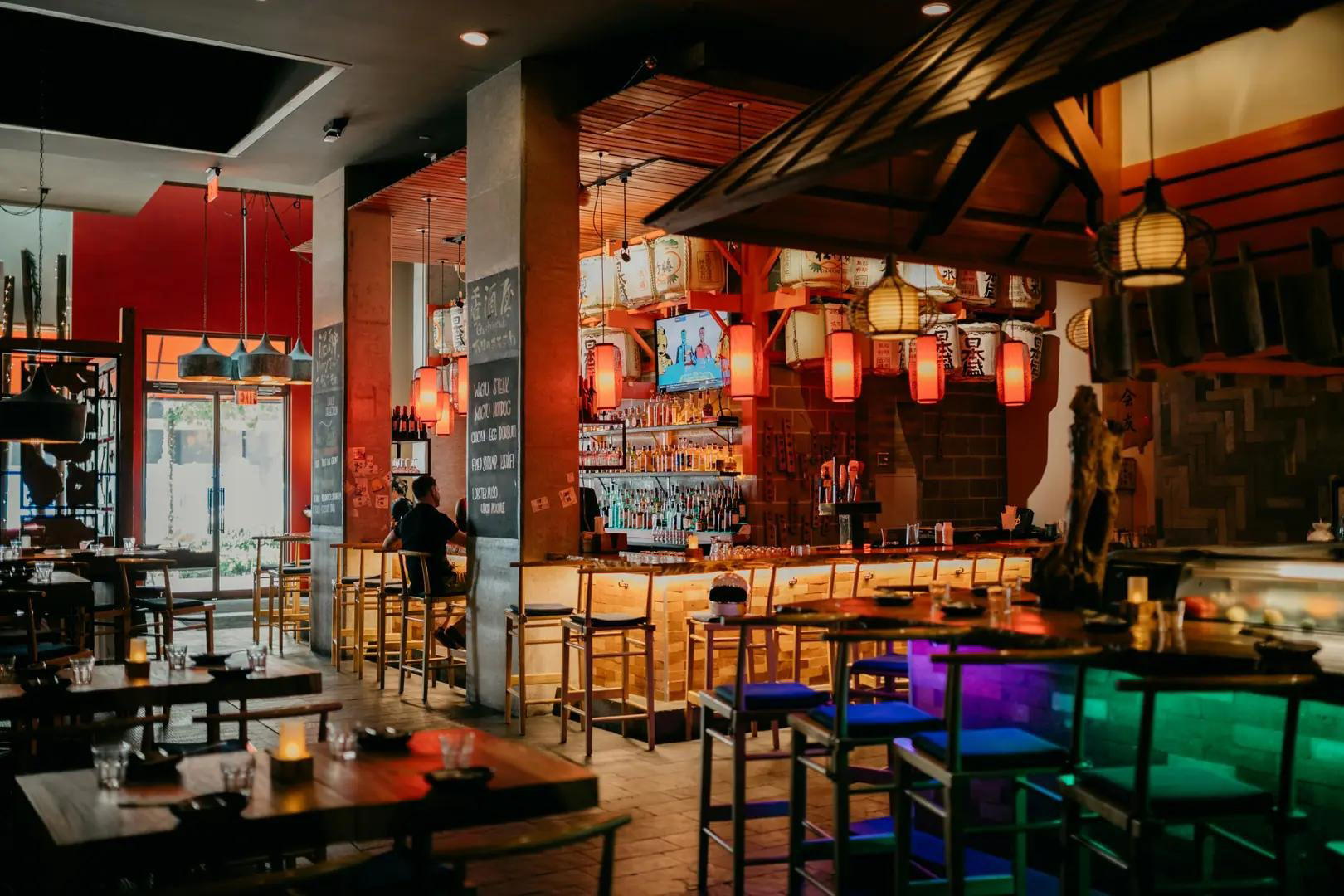
East Los Angeles and the Architecture of the Neighborhood Restaurant
The stretch of 1st Street running through the Boyle Heights and East Los Angeles corridor carries a dining history that predates the city's current obsession with chef-driven tasting menus and reservation apps. This is a part of the city where restaurants have traditionally been built on community trust rather than critical recognition, where the front-of-house knows the regulars by name and the kitchen operates with a consistency shaped by years of repetition rather than seasonal reinvention. Teresita's, at 3826 1st St, sits within that tradition, in a neighborhood that has functioned as one of Los Angeles's most durable culinary communities.
Los Angeles dining in 2024 occupies two almost entirely separate registers. At the leading end, counters like Hayato and Kato operate with extended tasting formats, lengthy waitlists, and price points that place them in the same conversation as Somni or the city's other ambitious progressive kitchens. Below that tier, the restaurants doing the most consistent work are often in neighborhoods where critical coverage is sparse and word-of-mouth carries more weight than a Michelin Guide listing. East Los Angeles belongs firmly to the second category, which is precisely why it repays attention.
The Collaborative Framework Behind Neighborhood Dining
The editorial angle that matters most when assessing restaurants in communities like Boyle Heights is not the individual genius of a single chef but rather the coordination between kitchen, floor, and community. Restaurants in this register succeed or fail based on whether the people running the dining room understand the rhythm of the kitchen, and whether that rhythm reflects something real about the neighborhood rather than a concept imported from elsewhere.
This kind of team dynamic is underappreciated in fine dining coverage, which tends to privilege the named chef over the full cast of people who make a restaurant function. Consider how places like Lazy Bear in San Francisco or Single Thread Farm in Healdsburg have built their reputations on front- and back-of-house integration as an explicit part of the offer. At the neighborhood level, that integration is often even more complete, because the team frequently includes family members or long-term staff whose tenure at the restaurant matches the restaurant's own history.
In East Los Angeles, the most durable restaurants have operated on exactly this model. The front-of-house functions as a community liaison, the kitchen maintains consistency across years rather than pivoting with trends, and the collaboration between the two produces a dining experience that a rotating cast of external consultants could not replicate. Teresita's address places it squarely in that tradition.
Situating 1st Street Within the Wider Los Angeles Dining Map
Los Angeles's dining geography is not a single scene but a set of overlapping communities with different reference points. The Westside operates by different logic than the Eastside. Restaurants like Providence or Osteria Mozza belong to the city's established prestige tier, carrying the kind of credentials that place them alongside destinations tracked by serious diners across the country. That tier is well documented. The Eastside, by contrast, has a dining culture that is older in some respects, rooted in Mexican and Central American culinary traditions that shaped Los Angeles long before the current wave of ambitious restaurant openings.
That context matters when assessing any restaurant on 1st Street. The cuisine type, pricing, and format of places in this corridor reflect community priorities rather than market positioning aimed at food media. The comparison is not Alinea in Chicago or The French Laundry in Napa. It is the accumulated weight of a neighborhood's own standards, enforced by regulars who have been eating in these rooms for decades.
For the reader planning a visit, that distinction is practical. East Los Angeles restaurants on this end of the spectrum do not typically require advance reservations weeks out, unlike the tasting-counter tier where allocation-level scarcity is a feature of the model. The barriers to entry are different: knowing where to look, understanding the neighborhood's geography, and arriving with expectations calibrated to what the restaurant is actually doing rather than what the city's most-discussed kitchens are doing.
What Neighborhood Consistency Signals in a City of Turnover
Restaurant longevity in Los Angeles is worth taking seriously. The city has one of the highest restaurant turnover rates in the country, and the neighborhoods that sustain long-running independent restaurants tend to do so because the relationship between the room and its community is genuine rather than transactional. Restaurants that have operated for extended periods in East Los Angeles have done so by maintaining quality standards that satisfy regulars week after week, not by chasing the attention of visitors or critics.
That model of sustained neighborhood trust is something that even the most awarded restaurants in the country try to approximate. Blue Hill at Stone Barns in Tarrytown and Bacchanalia in Atlanta have each built identities around depth of relationship with their immediate communities, even at price points far removed from the neighborhood restaurant model. The difference is that in East Los Angeles, that relationship was never a concept. It was the operating condition from the beginning.
For readers who have worked through our full Los Angeles restaurants guide, the picture that emerges is of a city with far more depth on its Eastside than coverage typically reflects. Places like Teresita's occupy a tier that does not map neatly onto the frameworks used to evaluate destinations like Addison in San Diego or The Inn at Little Washington, but that does not make them less worth tracking. It makes them worth understanding on their own terms.
Planning Your Visit
Teresita's is located at 3826 1st St, Los Angeles, CA 90063, in the East Los Angeles area accessible via the Metro Gold Line's Indiana or Maravilla stations, placing it within reach for visitors staying elsewhere in the city. Given that current public data does not include hours, reservation requirements, or pricing details confirming opening times directly before visiting is advisable. East Los Angeles restaurants in this neighborhood tier are generally walk-in friendly rather than reservation-dependent, but operating hours and weekly schedules can vary. The surrounding 1st Street corridor also offers broader context for the neighborhood's food culture, making it a reasonable destination for an afternoon or early evening visit rather than a tightly scheduled dinner booking.
Frequently asked questions
What part of town is Teresita's in?
Teresita's is located at 3826 1st St, Los Angeles, CA 90063, Los Angeles.
Is Teresita's a good option for visitors coming from outside East Los Angeles?
The Indiana and Maravilla stops on the Metro A Line (formerly Gold Line) put 1st Street within reach without a car, which removes one of the usual barriers for visitors unfamiliar with East LA's street geography. Teresita's address at 3826 1st St places it in a corridor that functions as one of Los Angeles's oldest continuous Mexican-American dining communities, offering context that no Westside or Downtown restaurant replicates. For visitors whose Los Angeles dining map has stayed west of the river, this part of the city runs on different logic, local consistency over trend cycles.
What should I eat at Teresita's?
What the 1st Street corridor in East Los Angeles does reliably support is a tradition of Mexican and Mexican-American cooking with deep roots predating the city's current chef-driven moment. Order based on what regulars are eating rather than a printed highlight, in neighborhood restaurants of this kind, the daily rhythm of the kitchen is the most accurate guide.
How hard is it to get a table at Teresita's?
Teresita's sits at 3826 1st St in East Los Angeles, a part of the city where neighborhood restaurants operate on walk-in culture rather than weeks-out reservation systems. That said, peak lunch and dinner windows at community anchors on this corridor can fill quickly with regulars. Arriving during off-peak hours is the more practical approach than planning around a booking window.
Compact Comparison
Comparable venues nearby, for context on price, style, and recognition.
| Venue | Cuisine | Price | Awards | Notes |
|---|---|---|---|---|
| Teresita'sThis venue (the venue you are viewing) | Authentic Mexican from Zacatecas | $20–30 | Not listed | Not listed |
| Pez Cantina | Coastal Mexican Seafood | $30–50 | Not listed | Financial District, Coastal Mexican Seafood |
| Tacolina | Modern Baja Mexican Taqueria | $20–30 | Not listed | Silver Lake, Modern Baja Mexican Taqueria |
| El Coyote | Traditional Mexican | $20–30 | Not listed | Fairfax, Traditional Mexican |
| Sky’s Tacos | Mexican with Southern Soul Fusion Tacos | $10–20 | LA Taco Best Tacos in LA #65 | Mid-Wilshire, Mexican with Southern Soul Fusion Tacos |
| Casita Del Campo | Classic Mexican | $20–30 | Not listed | Franklin Hills, Classic Mexican |