Casita Del Campo
A Silver Lake institution on Hyperion Avenue, Casita Del Campo has anchored the neighbourhood's Mexican dining scene for decades. The setting reads as festive without being frivolous, and the kitchen draws on traditional preparations that predate the current wave of fine-dining Mexican in Los Angeles. For the area, it occupies a category unto itself: long-running, community-facing, and culturally specific in ways that newer arrivals are not.
Pearl is the En Primeur Club membership app — saves, bookings, and concierge access live there. Same editors, same standards.
- Address
- 1920 Hyperion Ave, Los Angeles, CA 90027
- Phone
- +13236624255
- Website
- casitadelcampo.net
- Directions
- Get directions
 Saves & bookings on Pearl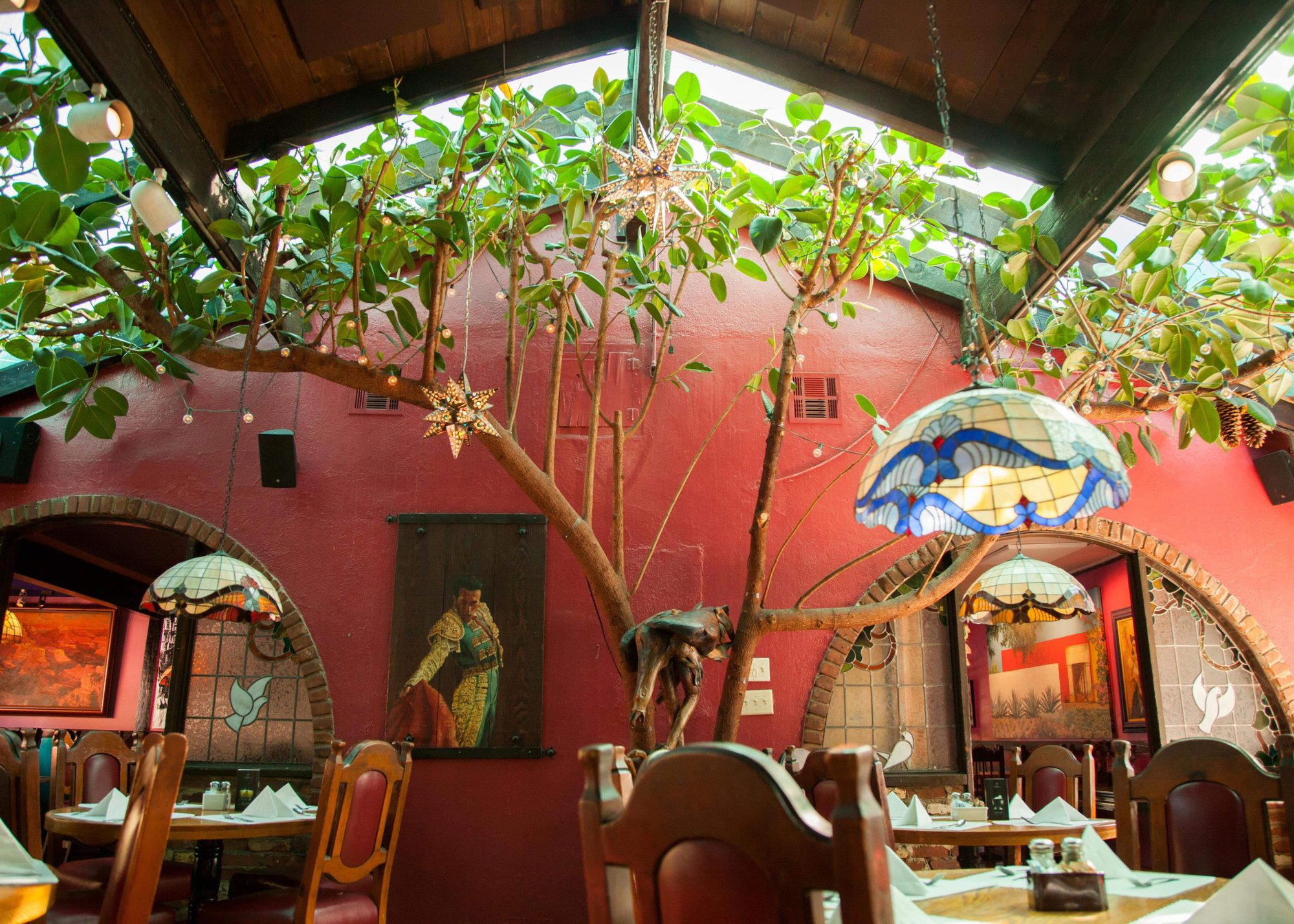
Hyperion Avenue and the Long Argument About Mexican Food in Los Angeles
Los Angeles has had a complicated relationship with Mexican cuisine and prestige. For most of the twentieth century, the city's critical infrastructure treated Mexican food as a category below serious consideration, something discussed in terms of price and portion rather than technique and tradition. That has shifted dramatically in the past decade, with venues like Kato demonstrating that LA's immigrant food traditions could anchor tasting-menu ambition, and the broader scene outlined in our full Los Angeles restaurants guide reflecting a city that now takes its own culinary inheritance seriously. Against that backdrop, Casita Del Campo on Hyperion Avenue reads differently depending on when you arrived in this city. For longtime Silver Lake residents, it predates the conversation entirely.
The address, 1920 Hyperion Ave, sits in Silver Lake, Los Angeles, where the restaurant has long been a neighborhood fixture. Casita Del Campo is part of that history. Its longevity on this particular block is a data point about community anchoring that newer, higher-profile Mexican restaurants in the city cannot claim by definition. Where venues like Hayato or Somni represent Los Angeles cuisine at its most rarefied and controlled, Casita Del Campo operates in a register that is deliberately accessible and neighbourhood-facing.
What the Setting Communicates
Approaching the building on Hyperion, the visual language is festive in the specific way that older California-Mexican restaurants understand festivity: colour-saturated, warm, and oriented toward groups rather than couples on occasion. This is not the spare, minimalist staging of contemporary tasting-menu venues, nor the designed-for-Instagram aesthetic that has come to define so much new restaurant architecture. The interior maintains a visual tradition rooted in mid-century Mexican restaurant culture in California, which itself drew on a particular reading of colonial and post-colonial Mexican decorative styles. That tradition has largely been erased in favour of cleaner, more internationally legible design, which makes spaces that retain it worth noting for what they preserve rather than simply what they look like.
The atmosphere at peak service leans loud and communal. Margaritas are a significant part of the programme here, which positions the venue differently from the wine-forward, technique-centred Mexican restaurants that have emerged in LA over the past several years. This is a place where the social ritual of the meal takes equal weight to the food itself.
The Culinary Frame: Cal-Mex Tradition and Its Ongoing Reassessment
The cuisine at the restaurant sits within what is broadly called Cal-Mex or California-Mexican, a regional tradition that developed distinct characteristics from the cooking of northern Mexico and Baja as filtered through California's specific ingredient availability, labour history, and cross-cultural exchange over more than a century. This is a tradition that has been both celebrated and dismissed: celebrated by food historians and cultural critics for its genuine depth and dismissed by a certain strain of food writing that treats it as a corrupted or simplified version of "authentic" Mexican cooking.
That dismissal has itself come under sustained critical pressure. The argument that Cal-Mex represents a legitimate regional cuisine, as coherent in its own terms as the regional cuisines of Oaxaca or Yucatan, has gained substantial traction. Comparing across the broader American fine-dining spectrum, places like Emeril's in New Orleans illustrate how regional American food traditions can carry significant cultural weight without requiring validation from European fine-dining frameworks. The same argument applies here. Where Providence or Osteria Mozza engage with international culinary traditions at a premium price tier, the restaurant operates within a specifically local tradition that those venues do not touch.
Within the Los Angeles Mexican dining scene, the price positioning matters. The restaurant is priced in an accessible middle range: a full-service neighborhood restaurant with a bar program and a menu broad enough to accommodate group orders of varying appetites. This tier has historically been the primary site of everyday Mexican dining in California, and it faces greater pressure from both ends of the market.
How Casita Del Campo Positions Within the Wider Scene
Nationally, the reassessment of regional American cuisines has produced particularly discussed dining in the country. Blue Hill at Stone Barns in Tarrytown, Single Thread Farm in Healdsburg, and The French Laundry in Napa each make arguments about American terroir at the high end of the market. Smyth in Chicago, Lazy Bear in San Francisco, and Frasca Food and Wine in Boulder represent different regional registers. Atomix in New York City and Le Bernardin in New York City sit at the apex of formal dining. Addison in San Diego and The Inn at Little Washington show how regional character can anchor destination dining. Atelier Moessmer Norbert Niederkofler in Brunico represents how deeply rooted regional identity can drive international recognition.
The restaurant's claim is different: it is the kind of restaurant that a neighborhood builds its eating habits around and that provides a baseline of familiar, consistently executed food for people who return for continuity.
Planning Your Visit
The restaurant is located at 1920 Hyperion Ave in Silver Lake. The venue recommends reservations, especially for evenings and weekends. The bar program supports the meal: margaritas are a natural starting point.
Quick reference: 1920 Hyperion Ave, Los Angeles, CA 90027. Classic Mexican restaurant in Silver Lake. Reservations recommended.
- Fajitas
- Pollo Mexicano
- Camarones a la Veracruzana
- Cochinita Pibil
- Carne Asada
- Enchiladas Mole Poblano
- Carnitas
Cost Snapshot
Comparable venues nearby, for context on price, style, and recognition.
| Venue | Cuisine | Price |
|---|---|---|
| Casita Del CampoThis venue — the venue you are viewing | Franklin Hills, Classic Mexican | $$ |
| B.S. Taqueria | Financial District, Modern Taqueria | $$ |
| Beach House | Westwood, Baja Mexican | $$ |
| Escuela Taqueria | Fairfax, Modern Mexican Taqueria | $$ |
| SOL Mexican Cocina | Playa Vista, Coastal Baja Mexican | $$ |
| Tu Madre | Los Feliz, Mexican Fusion Tacos | $$ |
Continue exploring
More in Los Angeles
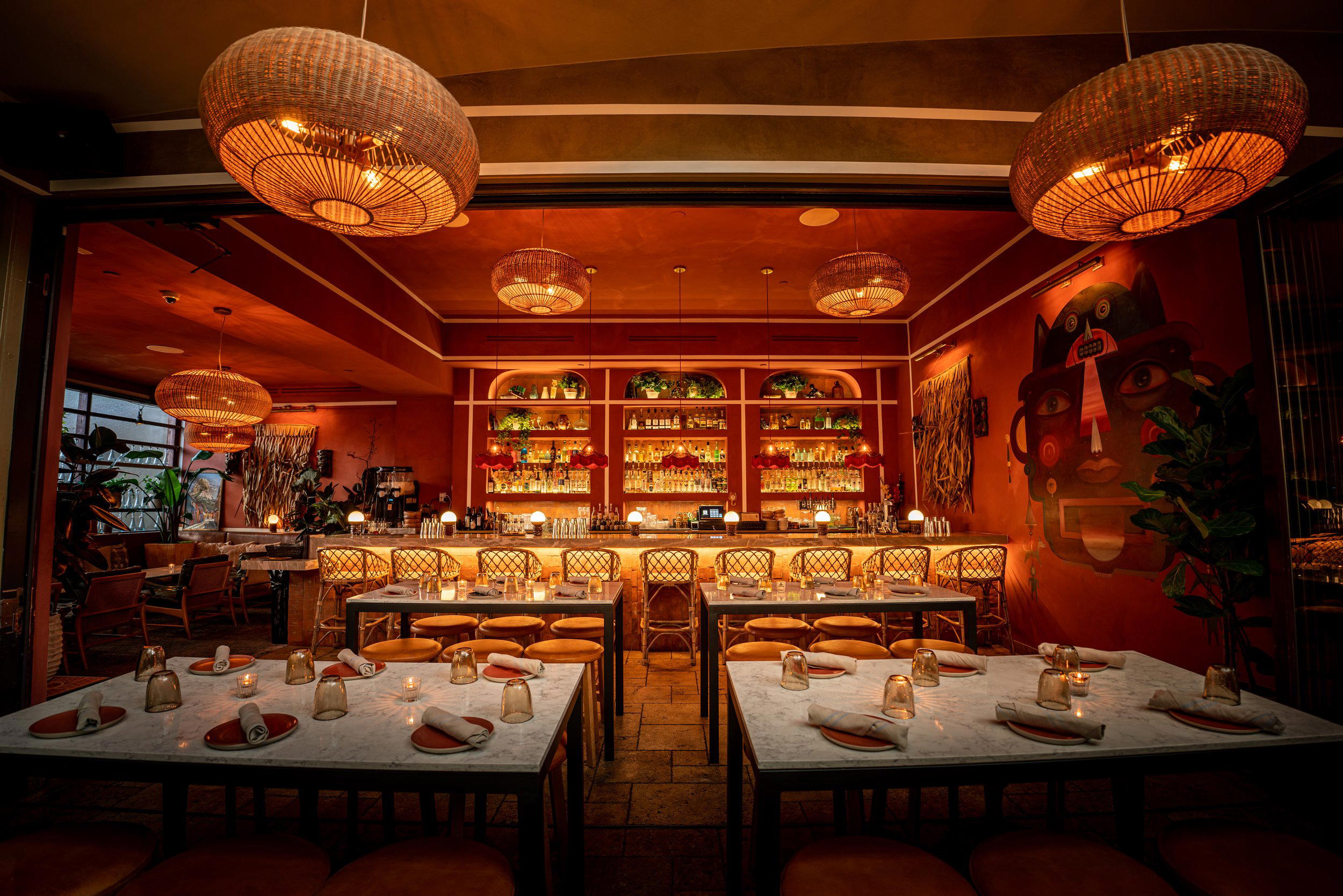
Restaurants in Los Angeles
Browse all →
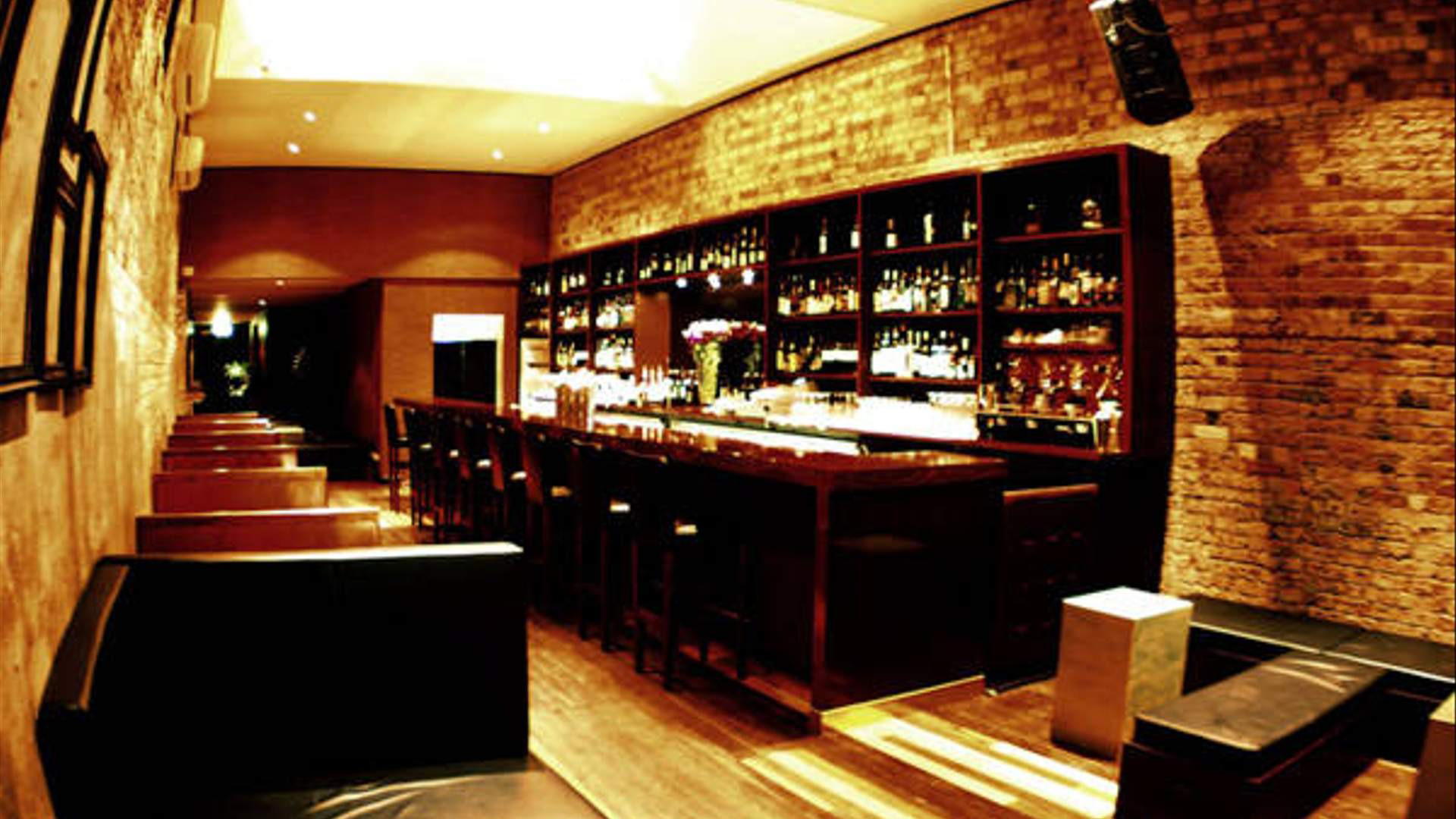
Bars in Los Angeles
Browse all →

Hotels in Los Angeles
Browse all →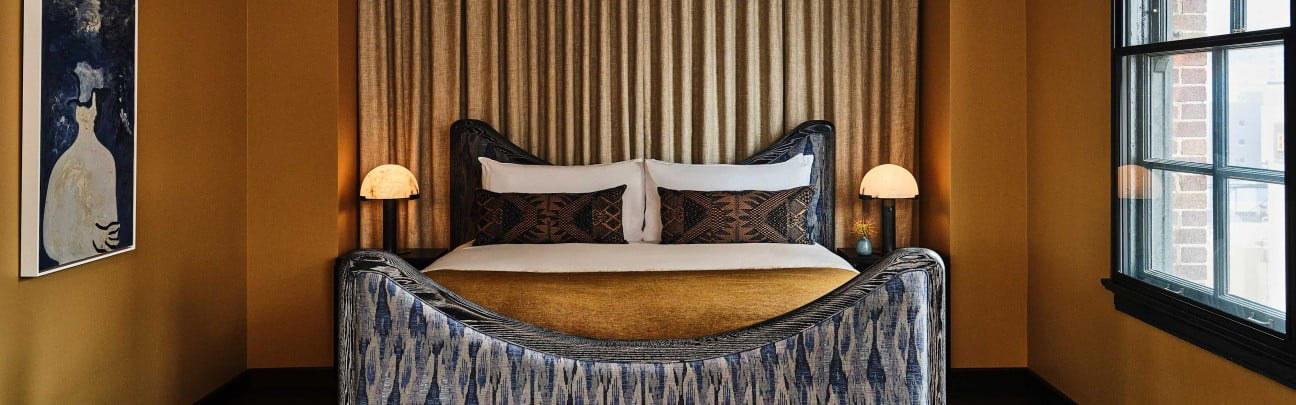
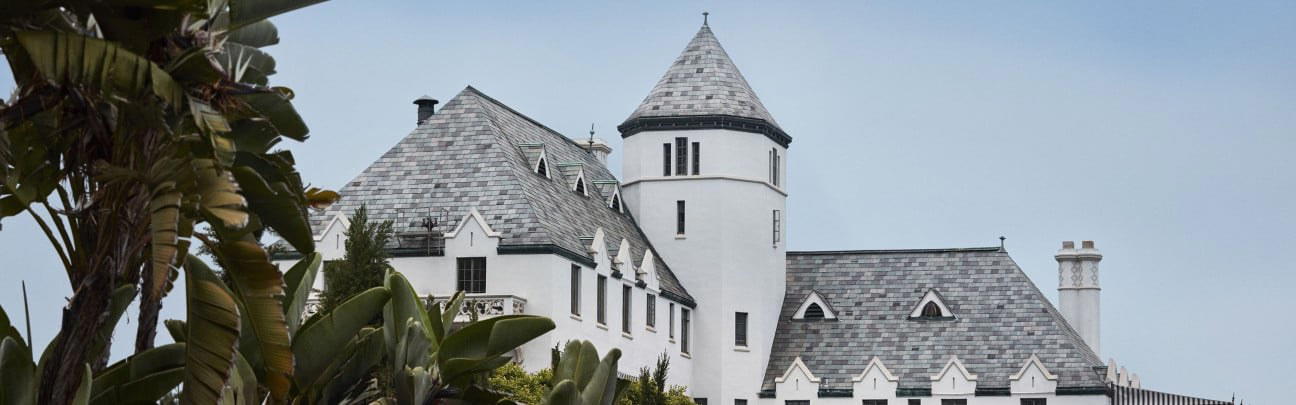
Wineries in Los Angeles
Browse all →
At a Glance
- Well Known
- Classic
- Whimsical
- Bohemian
- Family
- Group Dining
- Celebration
- Casual Hangout
- Special Occasion
- Date Night
- Private Dining
- Terrace
- Historic Building
- Craft Cocktails
Current opening hours
- Monday
- 11:30 AM–9 PM
- Tuesday
- 11:30 AM–9 PM
- Wednesday
- 11:30 AM–9 PM
- Thursday
- 11:30 AM–9 PM
- Friday
- 11 AM–10 PM
- Saturday
- 11 AM–10 PM
- Sunday
- 11 AM–9 PM
Hours can change for holidays and private events. Last verified .
Charming and eclectic with warm lighting from dozens of Tiffany stained glass pendant lamps, creative and distinctive artwork throughout, and a lively, welcoming atmosphere that reflects decades of community history.