Located on Rue Camille Desmoulins in the 11th arrondissement, Ter. sits within a Paris dining generation that prizes restraint, precision, and neighbourhood roots over grand-room formality. The address places it in the 11th's creative dining corridor, where format and pacing matter as much as the plate. Plan ahead and arrive curious about how the meal unfolds as a sequence rather than a collection of dishes.
Pearl is the En Primeur Club membership app — saves, bookings, and concierge access live there. Same editors, same standards.
- Address
- 11 Rue Camille Desmoulins, 75011 Paris, France
- Phone
- +33745280155
- Website
- restaurant-ter.fr
- Directions
- Get directions
 Saves & bookings on Pearl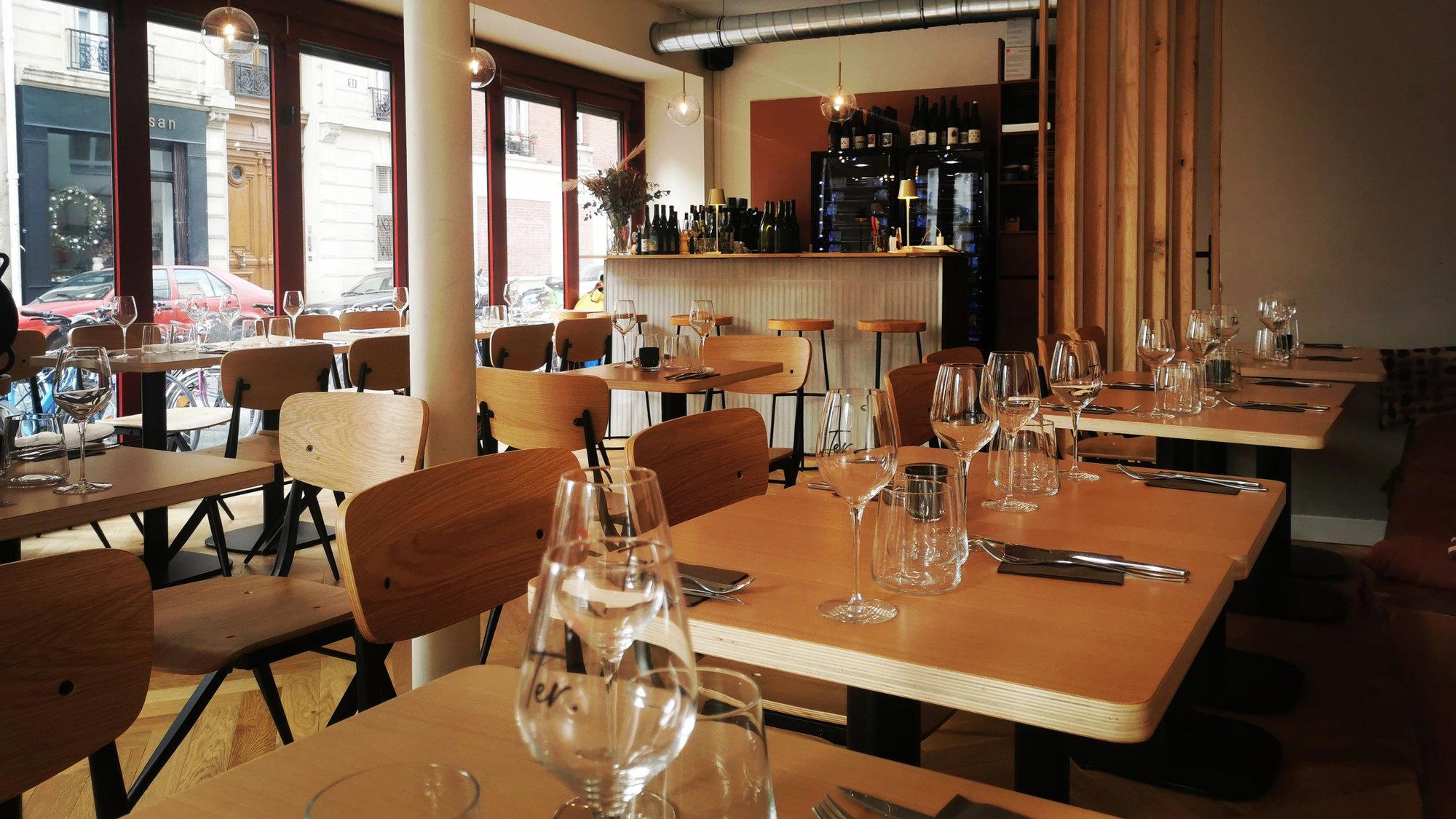
The 11th's Approach to the Dining Ritual
Paris has long sorted its restaurant culture into two broad registers: the grand institutions of the 8th and 1st arrondissements, where rooms are high-ceilinged and service is ceremonial, and a newer generation of smaller rooms across the 10th, 11th, and 20th, where the formality has been stripped back but the seriousness about food has not. Ter. at 11 Rue Camille Desmoulins in the 11th, belongs firmly to the second register. The address itself signals something: this is not the Paris of Le Cinq at the Four Seasons George V or the grand classical tradition of L'Ambroisie on the Place des Vosges. It is a different kind of ambition, one that operates at close range.
The 11th arrondissement developed its dining identity over roughly two decades, accelerating after 2010 as a cluster of chef-driven rooms displaced the neighbourhood's older café and bistro fabric. What emerged was a style of eating that French critics sometimes call bistronomie at its most disciplined: tasting sequences or short menus with high technique, served in rooms without white tablecloths, at prices that sit below the grand Michelin tier but well above casual dining. Ter. occupies that position.
How a Meal Here Is Structured
The ritual of eating in this category of Paris restaurant differs from its grand-room equivalents in several important ways. Pacing tends to be tighter. Courses arrive with less ceremony but with more directness, and the service model often collapses the distance between kitchen and table: the cook who prepared a dish may be the person who places it in front of you. That informality is not accidental — it reflects a deliberate choice about what kind of attention a room wants to draw toward the food itself rather than toward the theatre of being served.
At venues like Ter. the sequence of the meal functions as an editorial argument. Small opening courses establish a flavour logic — often built around a single season, a single region, or a single technique, and later courses develop or complicate that logic rather than simply continuing it. This is the structural principle that distinguishes serious small-format restaurants in Paris from the city's more casual bistros, and it is what places Ter. in a competitive conversation with rooms like Kei, where a cross-cultural technical programme is also articulated through a carefully sequenced menu, or with the creative ambition of Alléno Paris at Pavillon Ledoyen, even though the scale and price tier are entirely different.
In France's broader dining geography, that sense of sequenced argument is also what defines the country's most sustained restaurant projects outside Paris: Troisgros in Ouches, Bras in Laguiole, and Mirazur in Menton all treat the meal as a cumulative experience rather than a succession of individual dishes. The 11th's better rooms import that discipline into a format that costs less and seats fewer.
The 11th Arrondissement as Dining Context
Understanding Ter. requires understanding the neighbourhood. The 11th sits east of the Marais, bordered by République to the north and Bastille to the south. Its dining fabric is dense and competitive: the streets around Oberkampf, Charonne, and Rue de la Roquette contain some of the highest concentrations of chef-driven restaurants in the city, and the market pressure is real. Restaurants here do not survive on tourist traffic alone; the clientele is local, informed, and quick to move on. That environment rewards consistency and specificity over novelty.
It is worth situating this against what has happened in French regional cities over the same period. In Marseille, AM par Alexandre Mazzia developed a highly individual tasting format outside any obvious tradition. In Reims, Assiette Champenoise holds its position at the top of a region with strong gastronomic identity. In Strasbourg, Au Crocodile operates within Alsatian tradition. The Paris 11th's contribution to this picture is a format that is urban, compressed, and deliberately unmonumental, which is its own kind of statement.
What the Dining Ritual Asks of the Guest
Eating well in this category of restaurant in Paris requires a different posture than eating at an institution. The expectation is not that you will be guided through a performance, it is that you will arrive with some attention to bring. Small rooms reward engagement: with the menu logic, with the wine list (which in this tier of Paris restaurant often carries as much curatorial thought as the food), and with the pacing of the evening. Rushed guests and early departures work against the format.
For context on how France's most committed restaurants frame that kind of guest engagement across different formats and price points, it is worth knowing the full range: from the alpine precision of Flocons de Sel in Megève, to the institutional legacy of Paul Bocuse in Collonges-au-Mont-d'Or, to the quiet Alsatian seriousness of Auberge de l'Ill in Illhaeusern, or the remote intensity of Auberge du Vieux Puits in Fontjoncouse. The 11th's mode is the urban, accessible version of that same commitment. And internationally, the closest structural analogues, restaurants where the sequence and ritual of the meal carry as much weight as individual dishes, are places like Atomix in New York or Le Bernardin, where the guest's attentiveness is built into the format's premise. The Arpège model, in Paris's 7th, does the same at three-star scale.
Planning Your Visit
Ter. is at 11 Rue Camille Desmoulins, 75011 Paris. The 11th arrondissement is served by several Métro lines, with Oberkampf (lines 5 and 9) and Richard-Lenoir (line 5) the most proximate stations depending on direction of approach. Reservations: Given the neighbourhood's dining density and the small-room format standard in this tier, advance booking is advisable; plan a minimum of two to three weeks ahead for weeknight seats, longer for Friday and Saturday. Dress: The 11th's restaurant culture is consistently smart-casual; jackets are not required, but the rooms are not casual either. Budget: This tier of Paris restaurant typically runs in the €60–120 per person range for food, with wine adding significantly depending on selection, though specific pricing for Ter. should be confirmed directly at time of booking. For the broader Paris picture, see our full Paris restaurants guide.
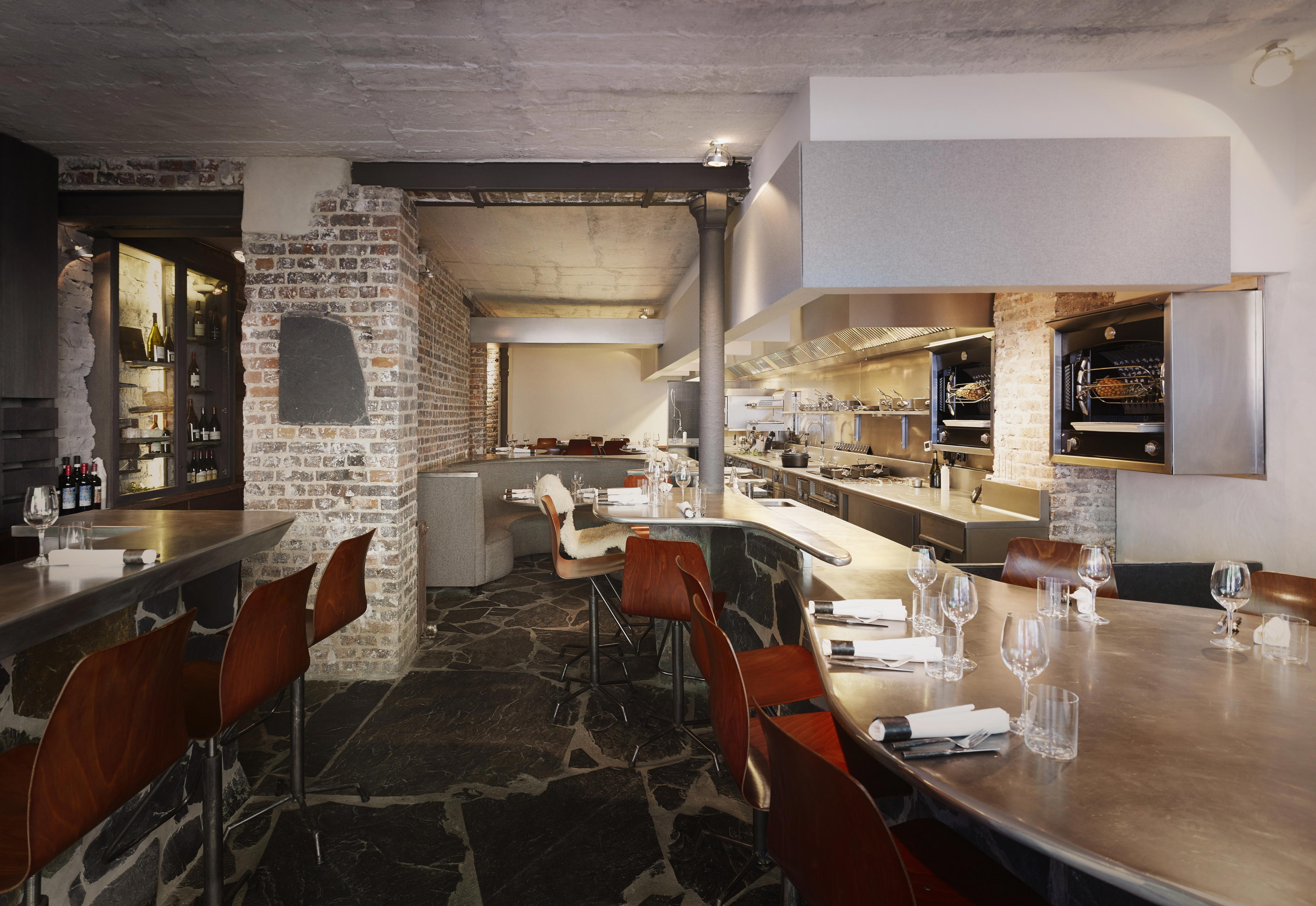
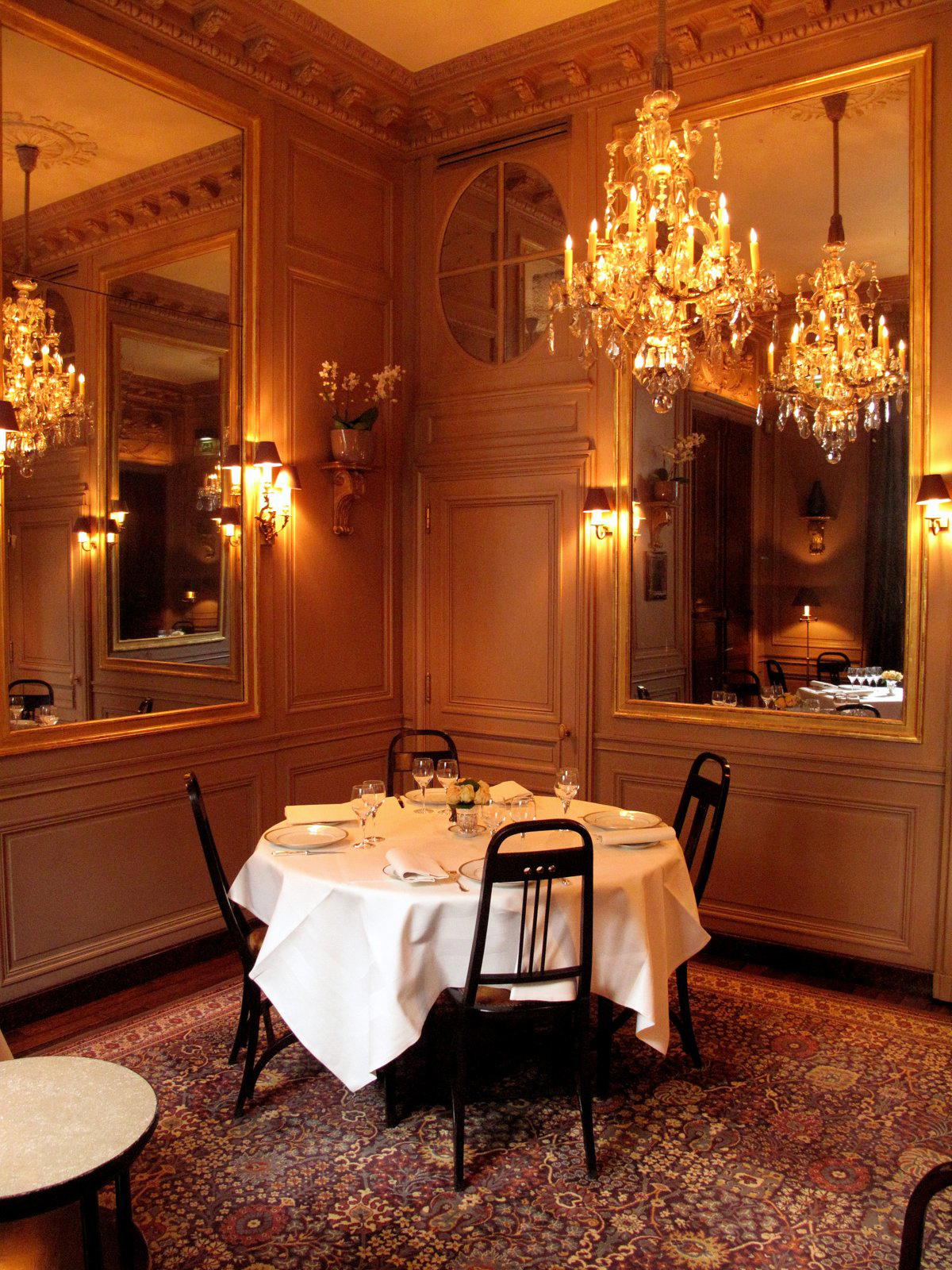
How Ter. Paris compares with similar nearby venues.
| Venue | Cuisine | Price |
|---|---|---|
| Le Servan | Neo-bistro, Modern Cuisine | €€ |
| Eunoé | Modern Cuisine | €€ |
Continue exploring
More in Paris
Restaurants in Paris
Browse all →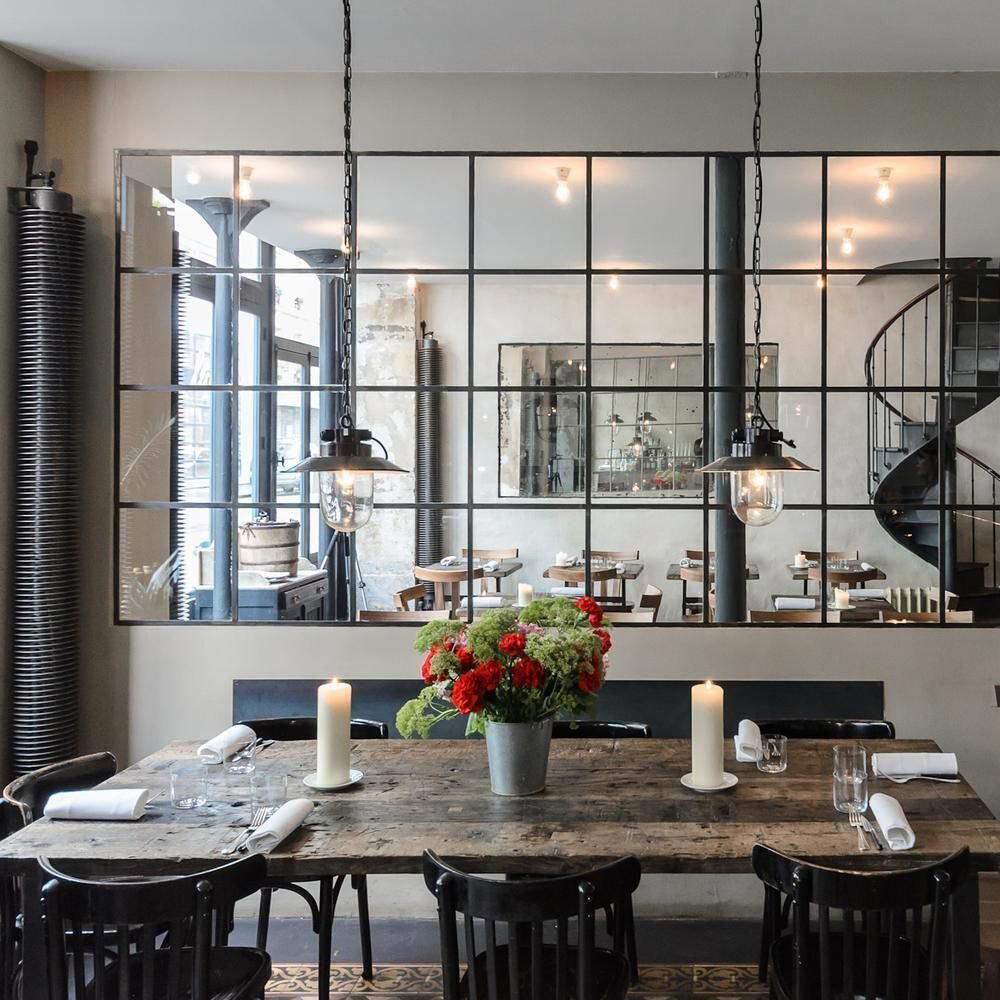
Bars in Paris
Browse all →
Hotels in Paris
Browse all →



At a Glance
- Cozy
- Intimate
- Trendy
- Casual Hangout
- Brunch
- After Work
- Terrace
- Standalone
- Natural Wine
- Craft Cocktails
- Farm To Table
- Organic
- Natural Wine
- Local Sourcing
- Street Scene
Current opening hours
- Monday
- Closed
- Tuesday
- 6–11 PM
- Wednesday
- 6–11 PM
- Thursday
- 6–11 PM
- Friday
- 6–11 PM
- Saturday
- 11:30 AM–3 PM, 6–11 PM
- Sunday
- 11:30 AM–3 PM, 6–11 PM
Hours can change for holidays and private events. Last verified .
Intimate 30-seat neighborhood restaurant with a charming terrace featuring a folding façade that creates an inviting outdoor feel; warm, relaxed, and friendly atmosphere designed as a local hangout.
Know Before You Go
- Getting there
- 11 Rue Camille Desmoulins, 75011 Paris, France