Tensho
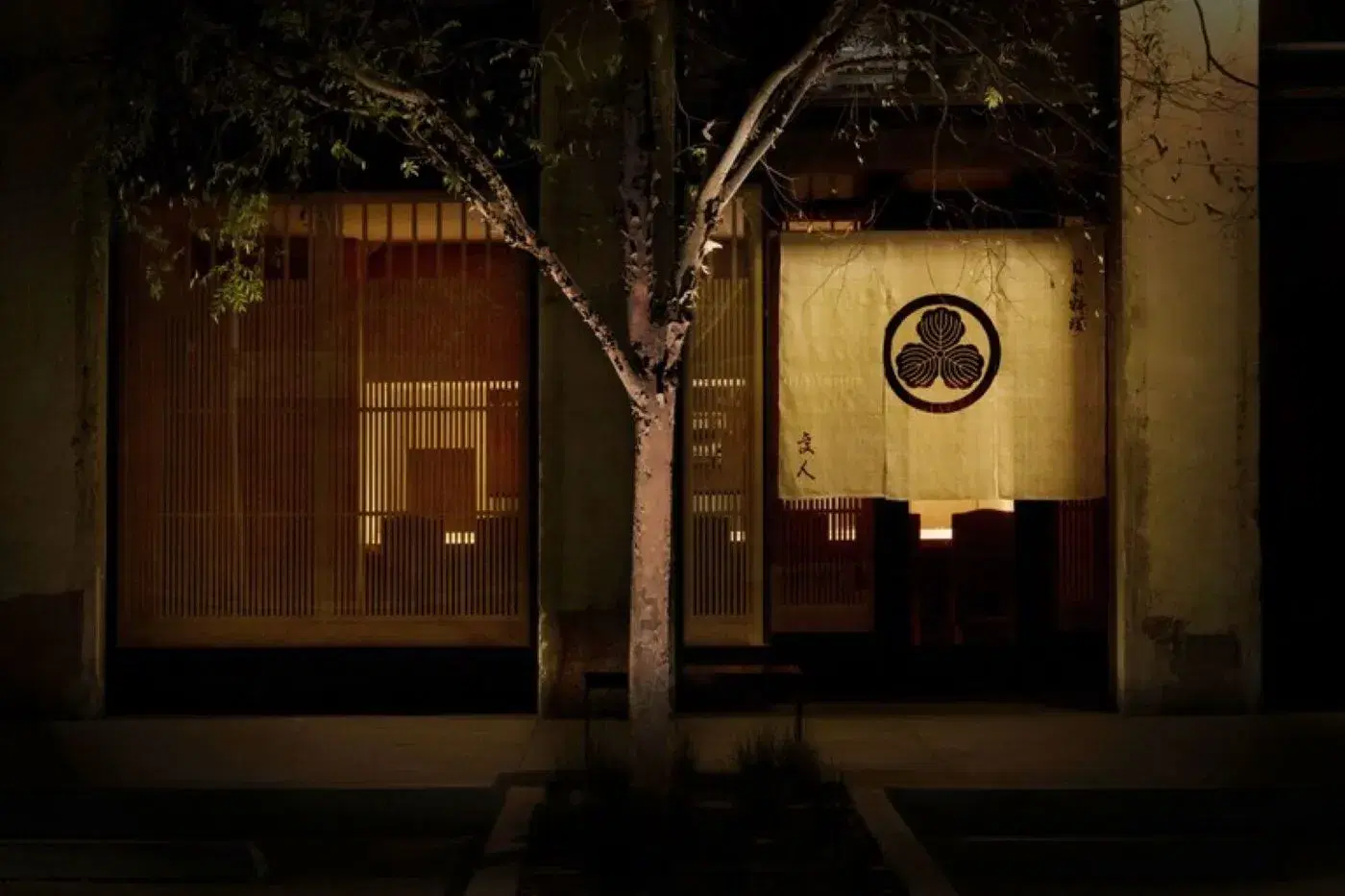
Tensho occupies a specific address in Los Angeles's Little Tokyo district, at 418 E 2nd St, placing it inside one of the city's most concentrated pockets of serious Japanese dining.
Pearl is the En Primeur Club membership app — saves, bookings, and concierge access live there. Same editors, same standards.
- Address
- 418 E 2nd St, Los Angeles, CA 90012
- Phone
- +12136171016
- Website
- opentable.com
- Directions
- Get directions
 Saves & bookings on Pearl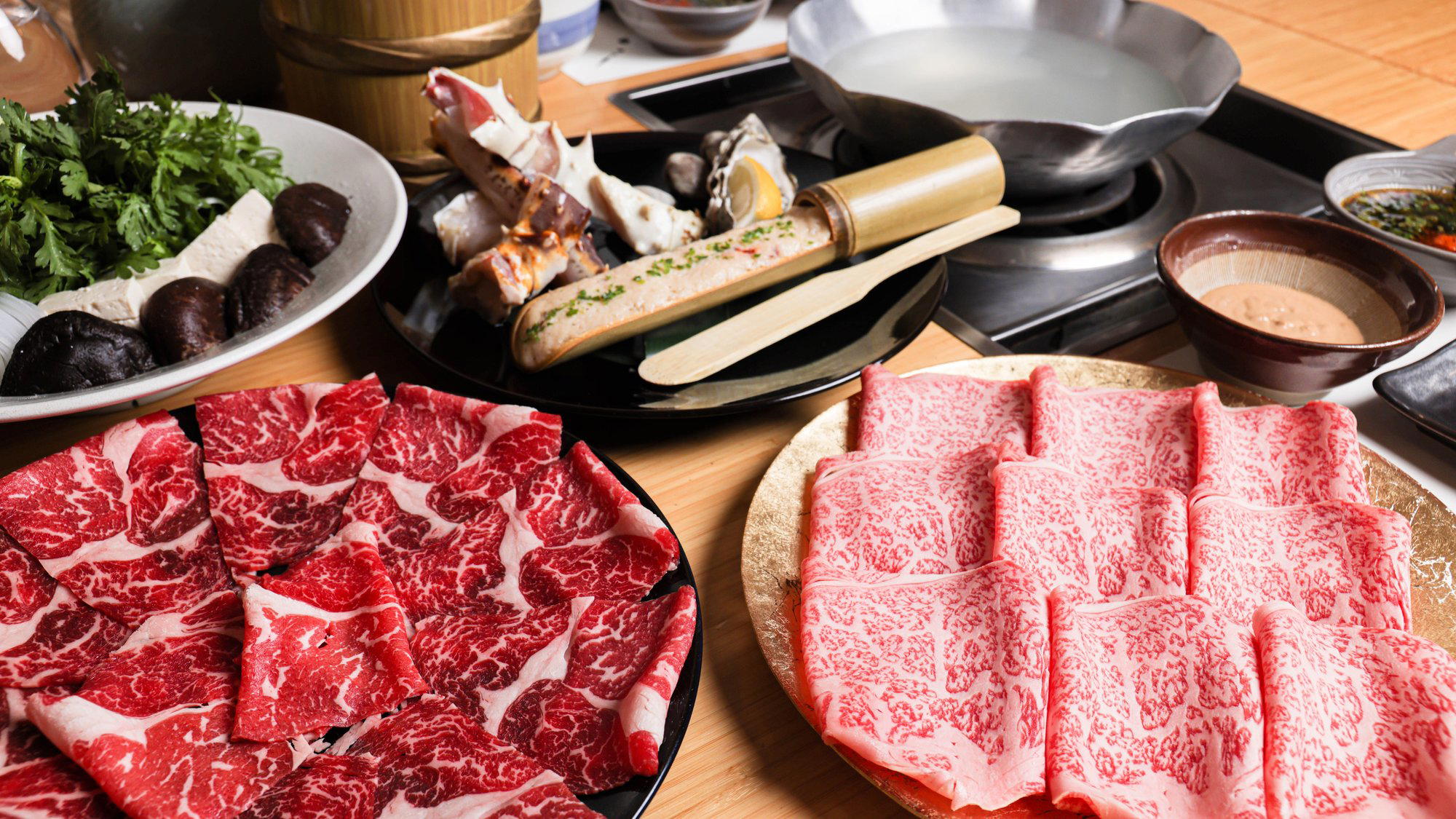
Little Tokyo's Tasting-Counter Tier and Where Tensho Sits
Los Angeles has developed one of the most consequential Japanese dining scenes outside Japan, and much of its serious upper tier is concentrated in and around Little Tokyo. The address at 418 E 2nd St places Tensho directly inside that geography, a stretch of downtown Los Angeles where the density of Japanese restaurants ranges from casual ramen counters to structured multi-course formats that price and operate more like their peers in Tokyo's Ginza district than anything else in Southern California. That positioning matters because it shapes everything from the booking window to the expectations a diner should carry through the door.
The broader category Tensho inhabits, the serious Japanese tasting counter or omakase-adjacent format, has grown more competitive in Los Angeles over the past decade. Venues like Hayato, which operates a deeply traditional kaiseki format in the Row DTLA complex a short distance from Little Tokyo, have established that downtown Los Angeles can support the kind of disciplined, high-attention Japanese dining that once required a flight to Japan or a trip to New York. That credibility has made the area attractive to ambitious formats, and Tensho's presence on E 2nd St is consistent with that pattern.
The Booking Reality: Planning Before You Arrive
The editorial angle that matters most for any serious tasting counter in Los Angeles right now is not the menu itself but the logistics that precede it. In a city where the top-tier Japanese and progressive formats routinely book weeks to months ahead, arriving at a venue like Tensho without a reservation is not a viable strategy. The category operates on reservation-first principles, and the booking window at comparable addresses in the Little Tokyo and downtown Los Angeles area typically opens thirty to sixty days in advance, sometimes longer for weekend seatings.
For planning purposes, the physical address at 418 E 2nd St in the 90012 zip code is well-served by the Metro A and E Lines, which stop at Little Tokyo/Arts District station within walking distance. Street parking in the area is limited during dinner service hours, and the adjacent Arts District and DTLA core mean that ride-share drop-off is the more practical approach for most diners arriving from elsewhere in the city. These are not minor details when the evening's format is structured around a fixed start time.
The lesson across all of them is that the experience begins with the reservation, not the arrival.
Los Angeles's Upper-Tier Japanese Scene in Context
To understand what Tensho represents, it helps to situate it against the wider arc of Japanese dining in Los Angeles. A decade ago, the city's serious Japanese options were more narrowly defined: sushi bars of varying formality, a handful of izakayas with real depth, and a small number of kaiseki rooms. The category has since diversified and stratified. Omakase counters now occupy a clear upper pricing tier, kaiseki has found a small but committed audience beyond Japanese-American diners, and hybrid formats drawing on Japanese technique while incorporating local California produce have created a new middle layer.
Hayato, at the traditional end, offers a kaiseki sequence rooted in Kyoto conventions. Kato applies Taiwanese and broader Asian culinary logic through a tasting format that borrows structural ideas from the Japanese multi-course tradition without replicating it. Tensho, located in the heart of the geography where this scene is densest, operates within that broader shift toward structured Japanese or Japanese-influenced dining that treats the tasting counter as both a culinary and a social format.
Nationally, the venues that have shaped expectations for this kind of dining include Atomix in New York, which applies Korean fine dining logic in a structured multi-course format, and Le Bernardin, whose long-running influence on seafood-forward precision has set a reference point for how a single-focus tasting format can sustain relevance across decades. On the West Coast, The French Laundry in Napa and Single Thread Farm in Healdsburg represent the farm-to-table tasting format at its most considered, while Lazy Bear in San Francisco has demonstrated how a counter-format communal experience can hold a two-Michelin-star position. These are the coordinates against which ambitious Los Angeles tasting counters are increasingly measured.
What the Address Tells You About the Experience
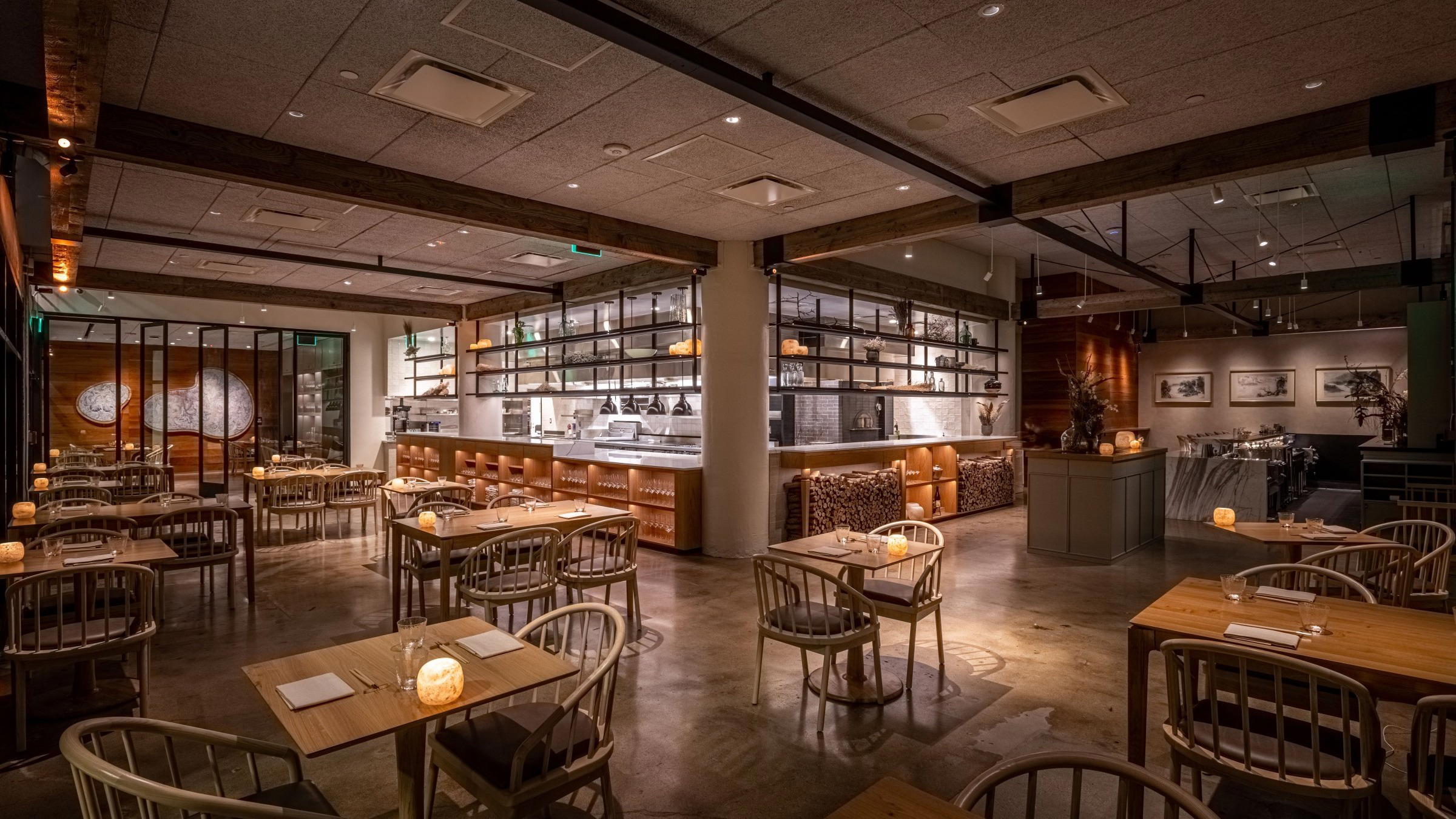
Little Tokyo as a dining district has a character distinct from the Westside or the more tourist-oriented sections of downtown Los Angeles. The restaurants here are not positioned around a hotel lobby or a celebrity-chef brand that migrated from elsewhere. The clientele tends to be more knowledgeable about Japanese dining conventions, and the formats are generally less performative than comparable venues in West Hollywood or Beverly Hills. A structured dinner in this district, at this address, is likely to be quieter, more restrained, and more focused on the plate than on the room.
That restraint is itself a tradition. The leading Japanese dining formats, from Tokyo's high-counter omakase rooms to Kyoto's kaiseki houses, operate on the principle that the diner's attention should be on the food and the sequence, not on ambient spectacle. Los Angeles venues that have absorbed that principle most fully, including Hayato and the upper tier of the Little Tokyo scene, are the ones that have built the most durable critical reputations. For comparison, venues like Providence on Melrose demonstrate how a formal tasting format can sustain long-term recognition through consistency and focus rather than novelty, a lesson that applies equally to Japanese-inflected counters in downtown Los Angeles.
Further afield, the same principle holds at Addison in San Diego, Alinea in Chicago, Blue Hill at Stone Barns in Tarrytown, and The Inn at Little Washington: the tasting counter format rewards diners who arrive with preparation, patience, and some prior knowledge of the cuisine's conventions.
Planning Your Visit
Tensho is located at 418 E 2nd St, Los Angeles, CA 90012, in the Little Tokyo district of downtown Los Angeles. Given the format and peer-set context, reservations should be treated as non-negotiable. Diners unfamiliar with the Little Tokyo area should account for parking constraints and plan for Metro or ride-share access. For broader context on the Los Angeles dining scene and how this venue fits within it, see our full Los Angeles restaurants guide.
Comparable venues for reference when calibrating expectations include Osteria Mozza for a different price-tier and cuisine-type benchmark within the city, and Bacchanalia in Atlanta or Emeril's in New Orleans for how structured tasting formats operate in other American cities with serious dining cultures. For the Asian fine dining register specifically, 8½ Otto e Mezzo Bombana in Hong Kong illustrates how a European-trained precision applied to a non-European dining city can produce a category of its own, a logic not entirely distant from what Los Angeles's leading Japanese counters are attempting.
How Tensho Los Angeles compares with similar nearby venues.
| Venue | Cuisine |
|---|---|
| Prime Pizza | Pizzeria |
| Dave's Hot Chicken | Hot Chicken |
| Kinjiro | Japanese |
| Sushi Gen | Sushi |
Continue exploring
More in Los Angeles
Restaurants in Los Angeles
Browse all →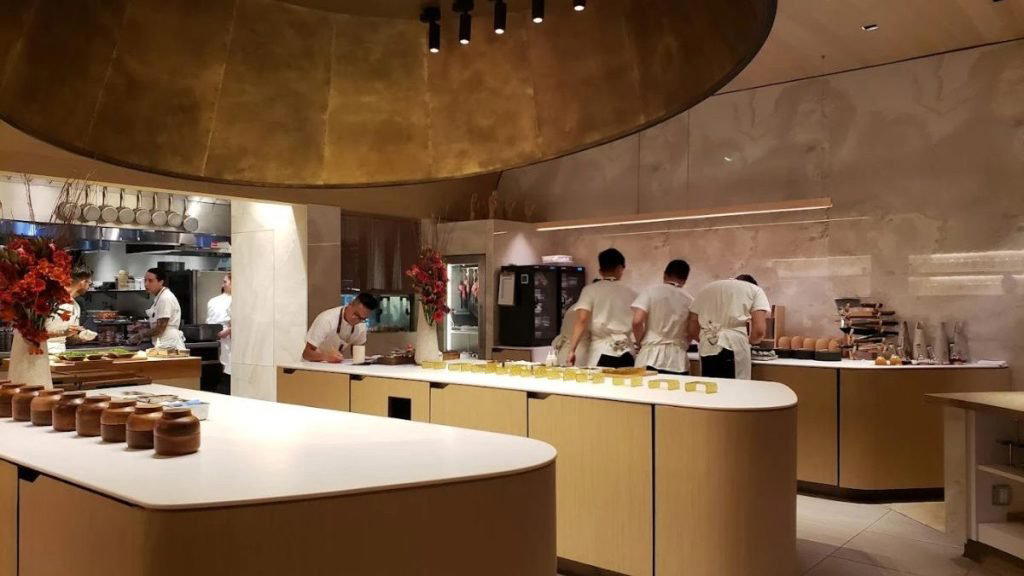
Bars in Los Angeles
Browse all →

Hotels in Los Angeles
Browse all →
Wineries in Los Angeles
Browse all →
At a Glance
- Elegant
- Intimate
- Sophisticated
- Special Occasion
- Date Night
- Group Dining
- Sake Program
Current opening hours
- Monday
- Closed
- Tuesday
- 5–9:30 PM
- Wednesday
- 5–9:30 PM
- Thursday
- 5–9:30 PM
- Friday
- 5–9:30 PM
- Saturday
- 5–9:30 PM
- Sunday
- 5–9:30 PM
Hours can change for holidays and private events. Last verified .
Elegant and refined atmosphere with imported Japanese art and tableware, creating an authentic fine-dining hot pot experience.
Know Before You Go
- Getting there
- 418 E 2nd St, Los Angeles, CA 90012