


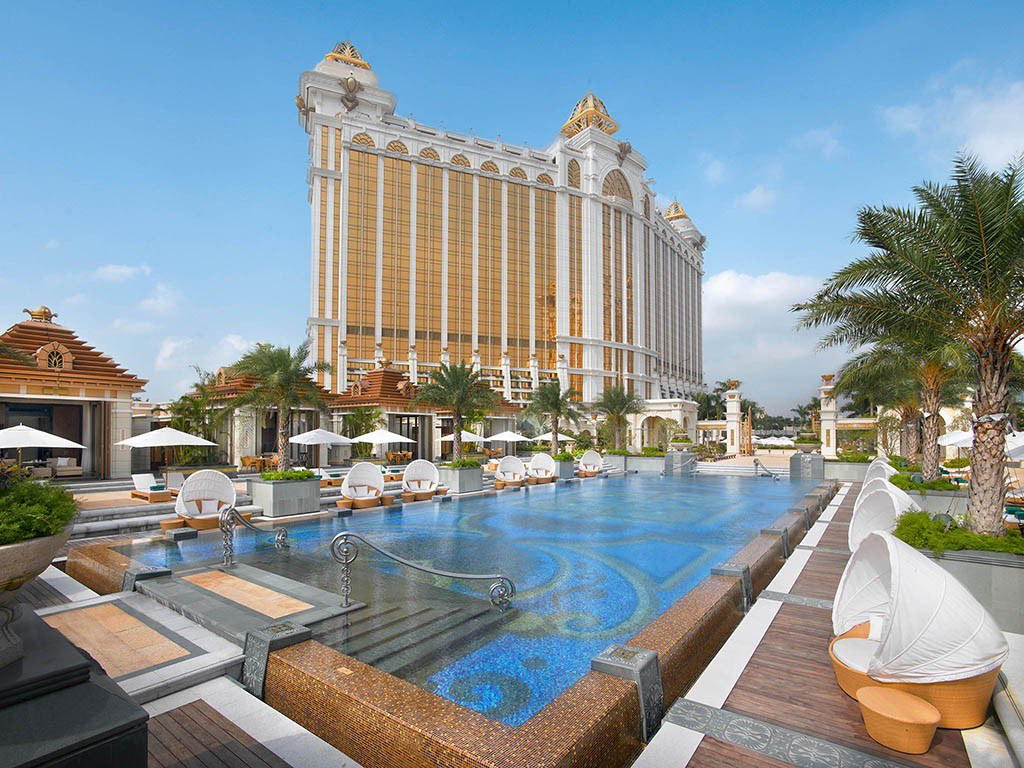
Tenmasa at Altira Macau carries tempura techniques and recipes from its original 1937 Tokyo founding to an eleventh-floor room on Taipa Island, recognised by La Liste 2026 with 83 points and housed within a Forbes Travel Guide Five-Star hotel. The stone-and-bamboo interior, sake bar, and table-side preparation make it one of Macau's most clearly focused Japanese dining rooms, set apart from the city's dominant Cantonese and French fine-dining tier.
Pearl is the En Primeur Club membership app — saves, bookings, and concierge access live there. Same editors, same standards.
- Address
- MacaoAv. de Kwong Tung, MO Tenmasa, Level 11 Altira
- Phone
- +853 2886 8868
- Website
- altiramacau.com
- Directions
- Get directions
 Saves & bookings on Pearl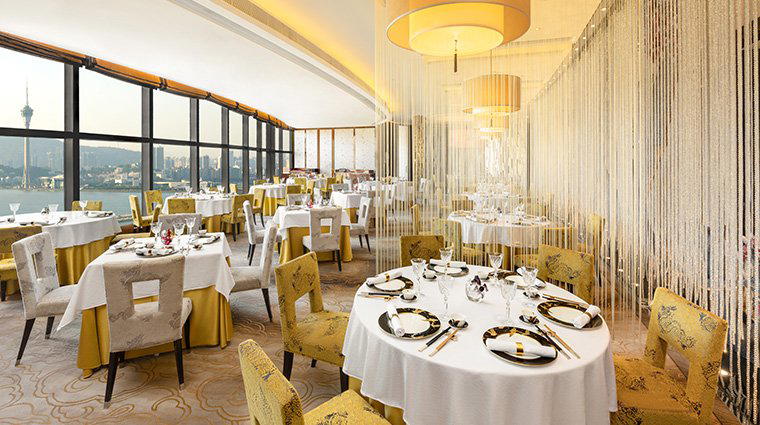
Tempura at Altitude: The Case for a Specialist Counter in a Casino City
Macau's premium dining scene is heavily weighted toward Cantonese traditions and French fine-dining rooms, from Chef Tam's Seasons and Jade Dragon to Robuchon au Dôme and Alain Ducasse at Morpheus. Japanese cuisine is present but plays a smaller role, and within it, a disciplined tempura specialist focused on a single technique and its history occupies an even narrower niche. Tenmasa at Altira Macau fills that niche with a lineage that traces directly to a Tokyo founding in 1937, earning 83 points from La Liste in its 2026 rankings.
The approach this signals is worth understanding before you arrive. While much of Macau's Japanese dining leans toward omakase formats or broad izakaya-style menus, Tenmasa orients itself around a single preparation tradition and the discipline of executing it to an 87-year-old standard. The competitive set here is the small number of restaurants internationally that take tempura seriously as a craft with its own vocabulary and pacing.
The Room Before the Meal Begins
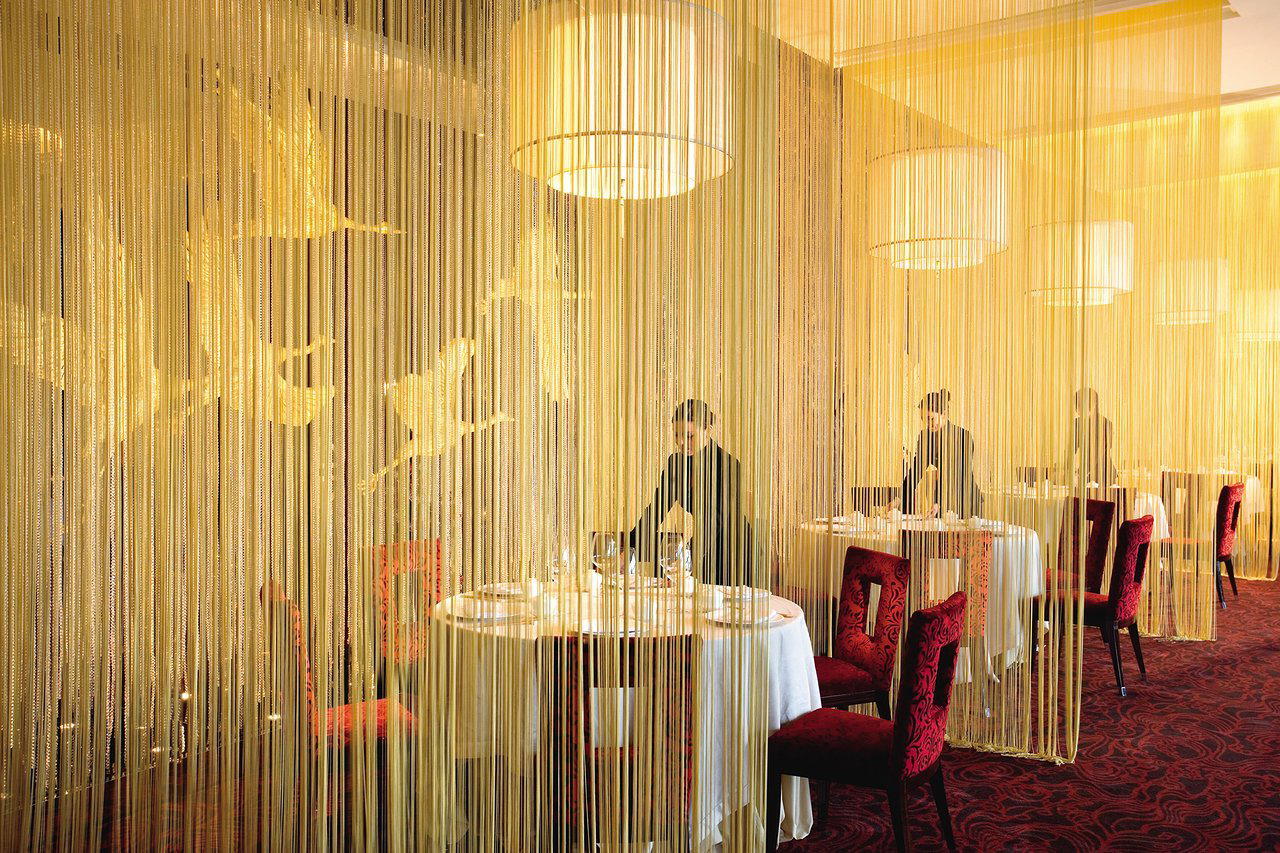
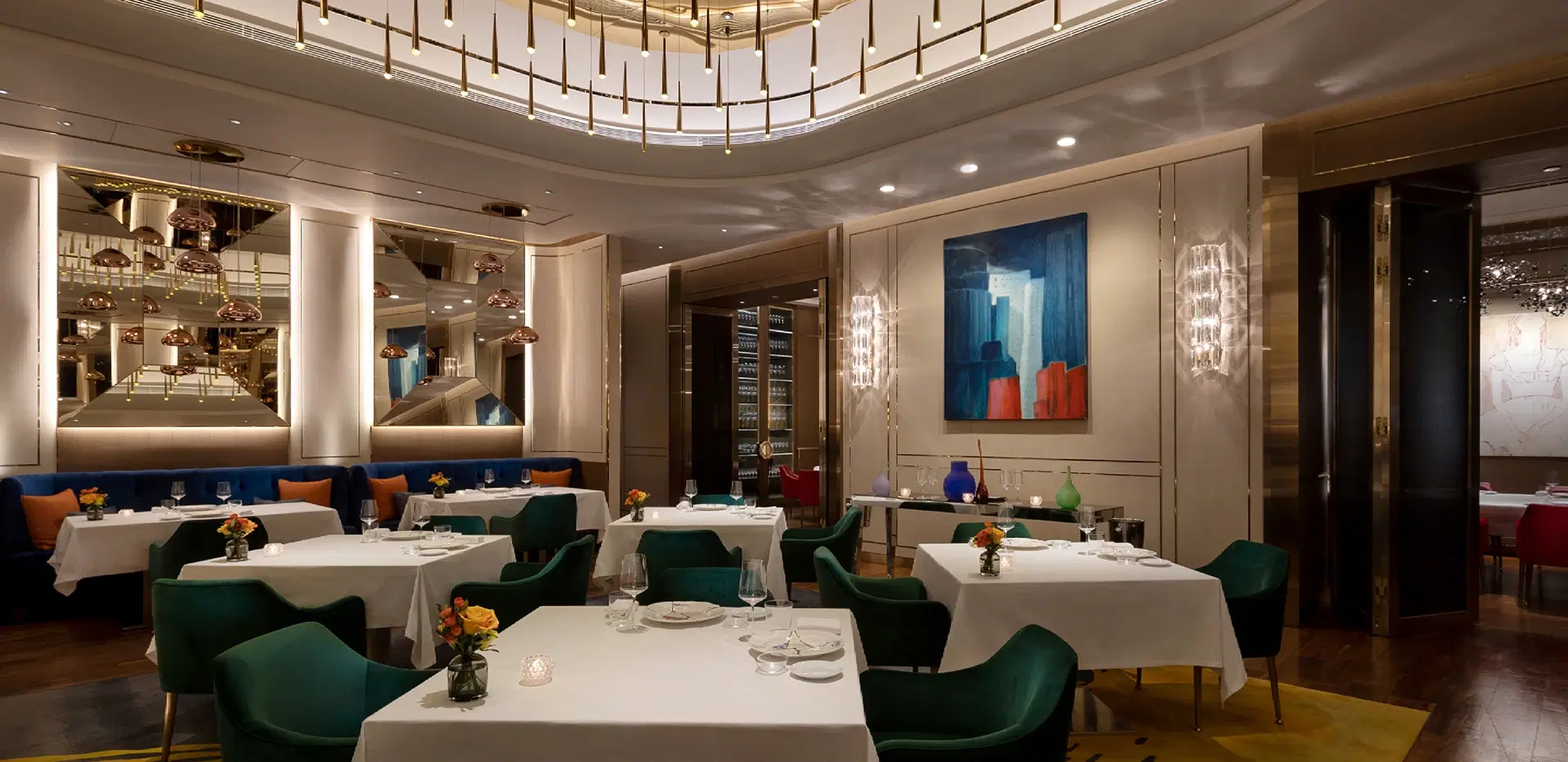
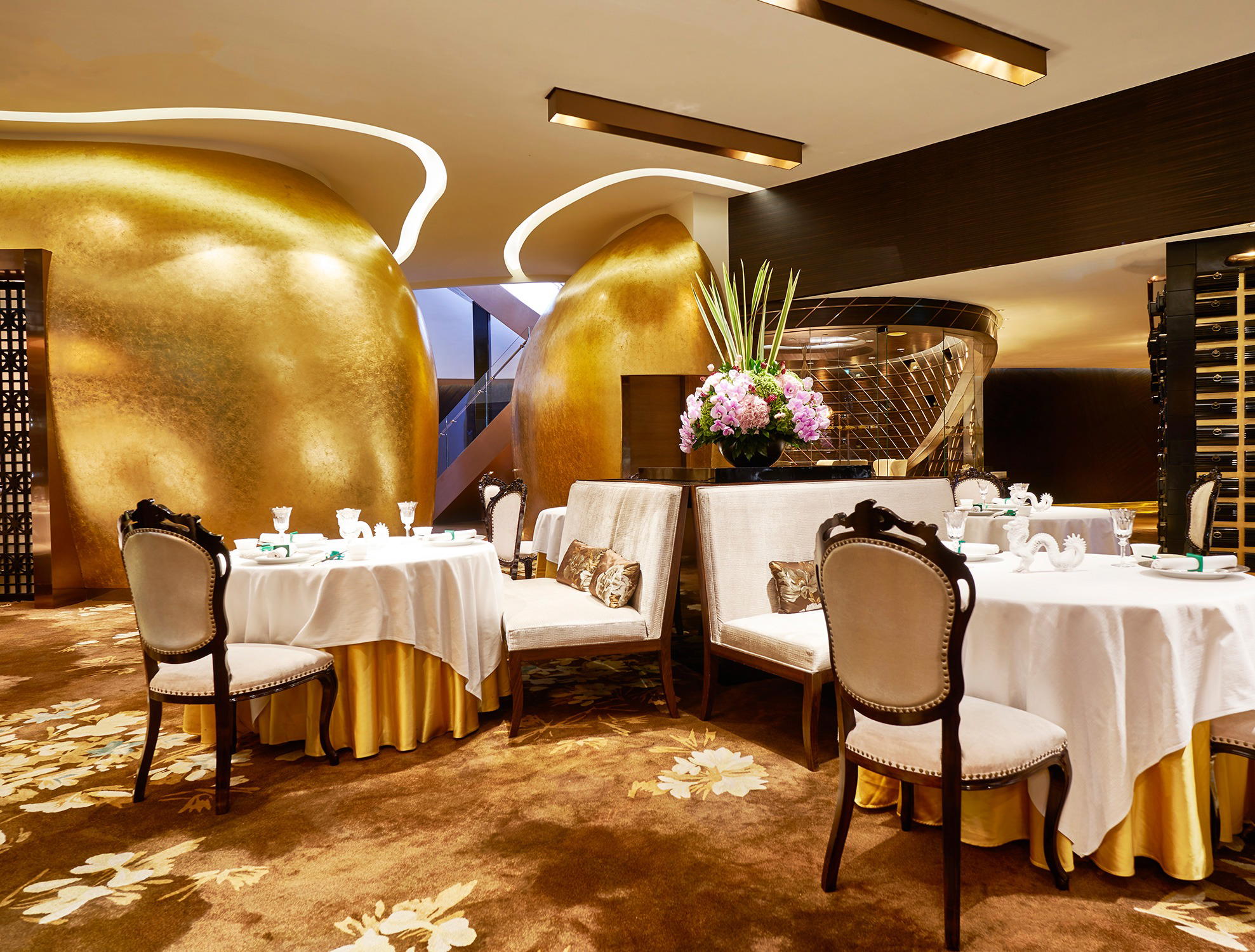
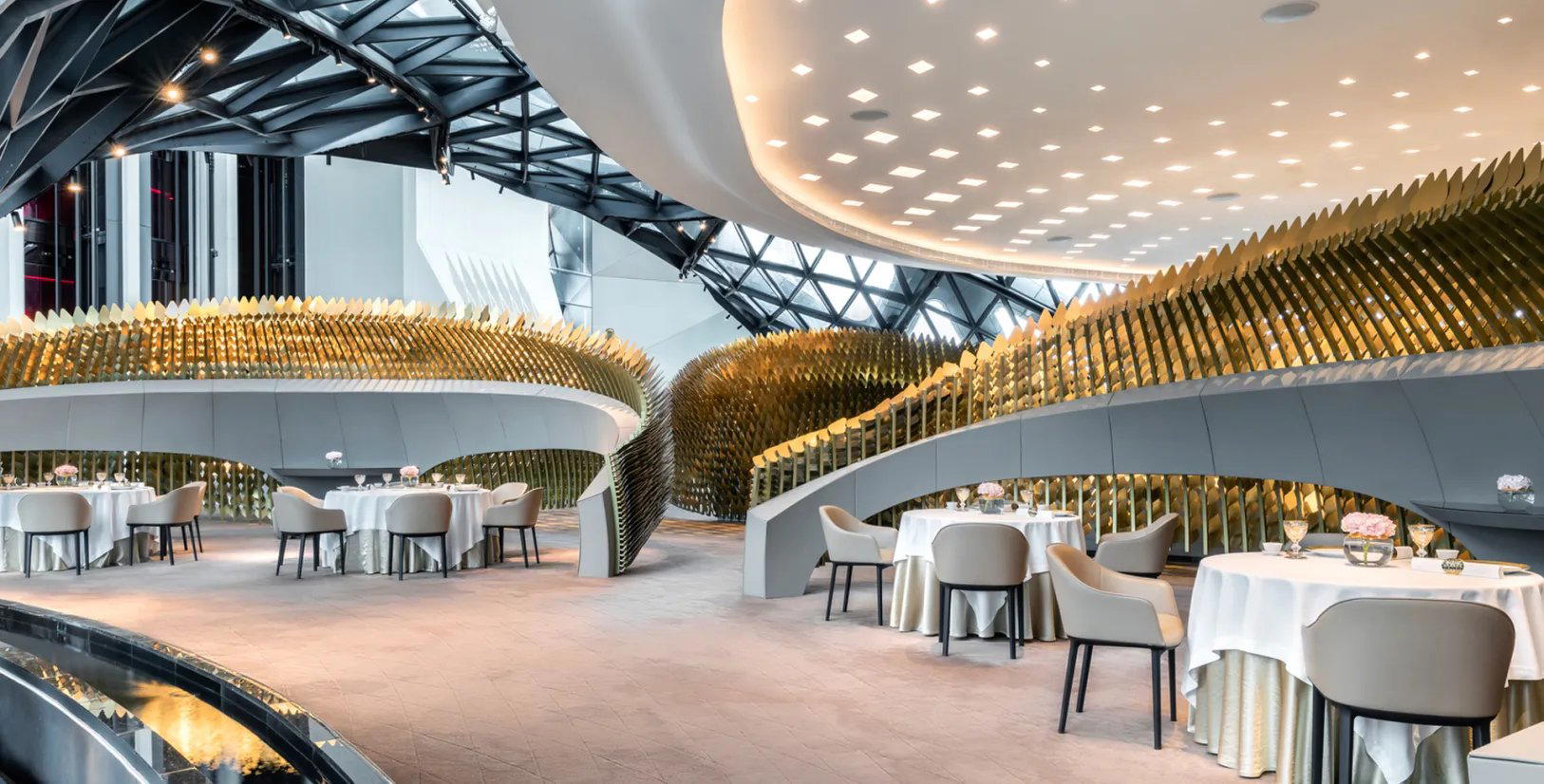
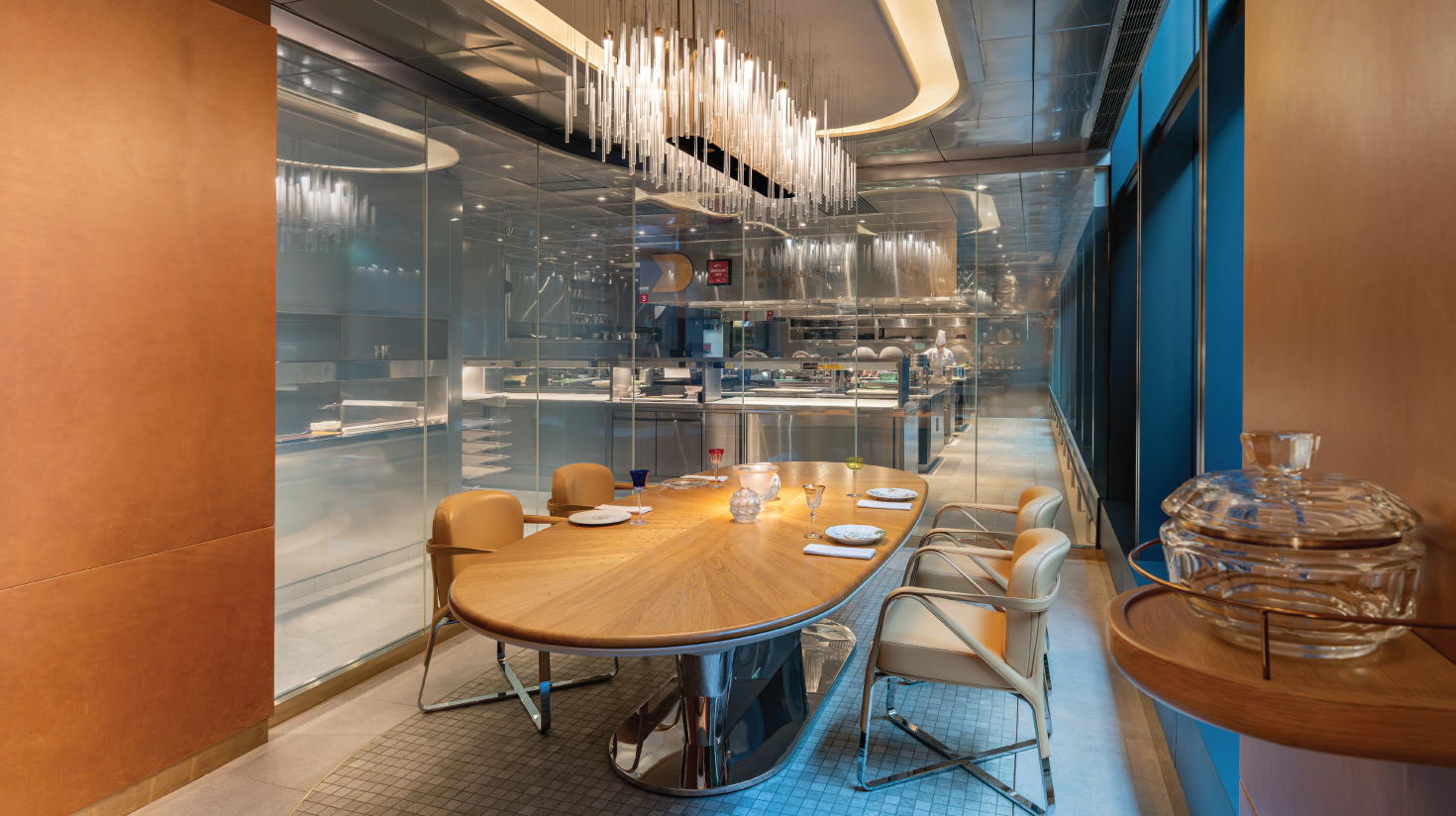
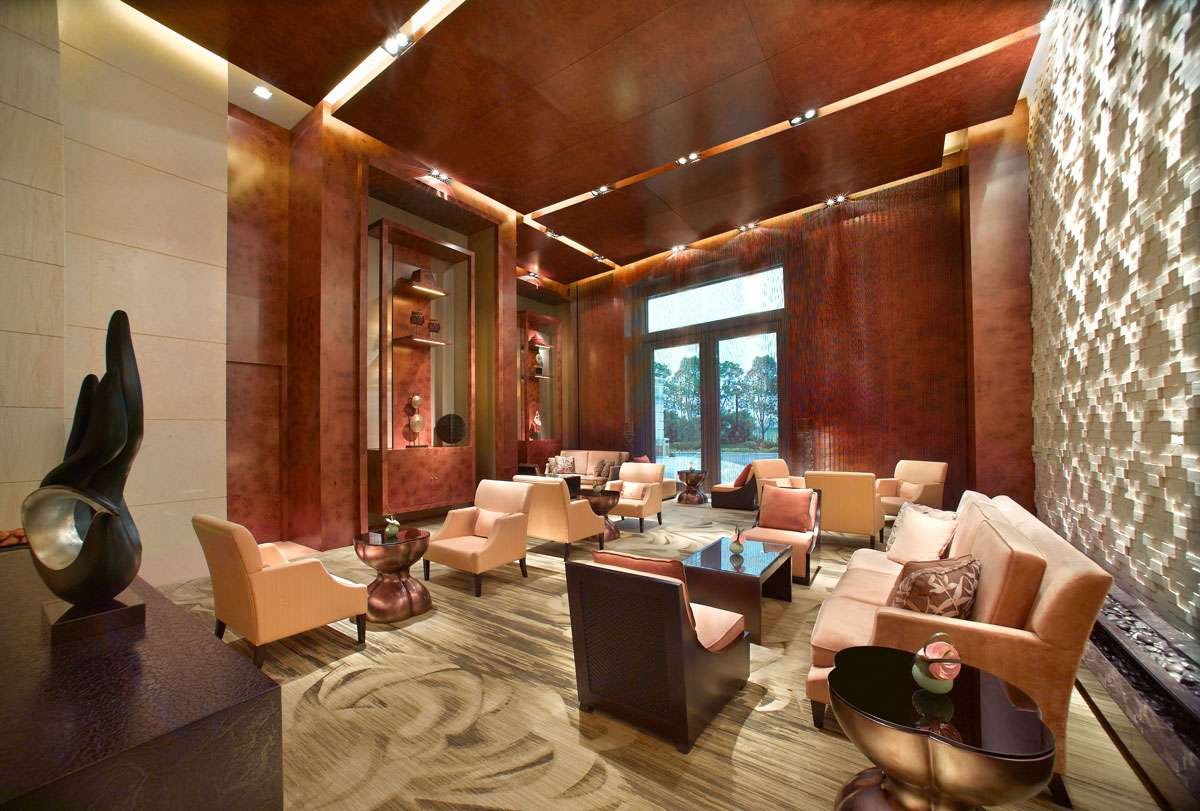
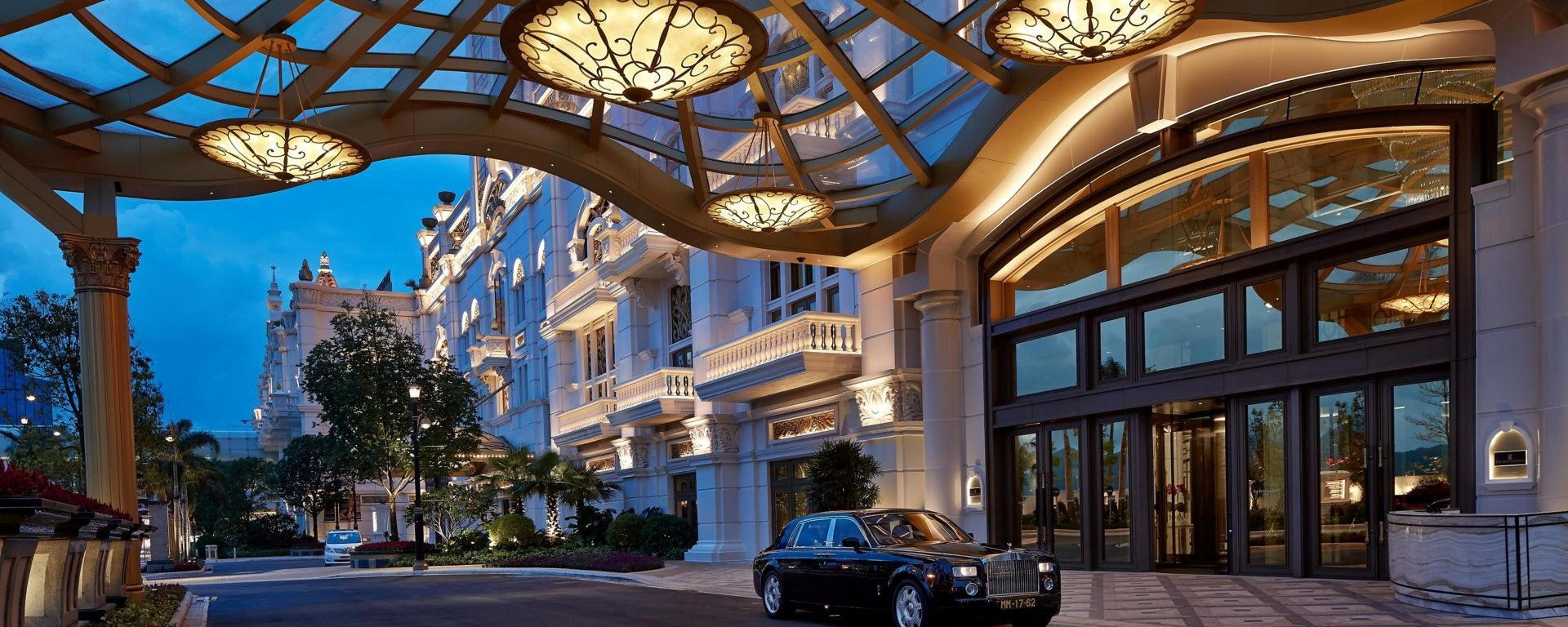
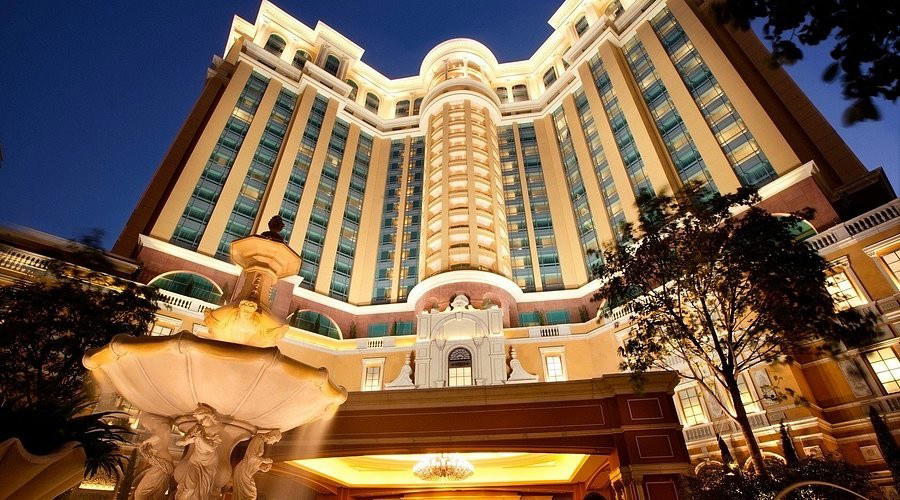
On the eleventh floor of the Altira, the physical approach to Tenmasa already separates it from the hotel's broader dining offer. The restaurant has its own dedicated street entrance in addition to the hotel elevator, giving it a self-contained identity. Stone surfaces and bamboo detailing frame the room, with tatami seating options that pull the atmosphere away from the generic luxury hotel register and toward something quieter and more deliberately Japanese. Floor-to-ceiling windows run along the main room and select private rooms, providing unobstructed sightlines across the Macau peninsula.
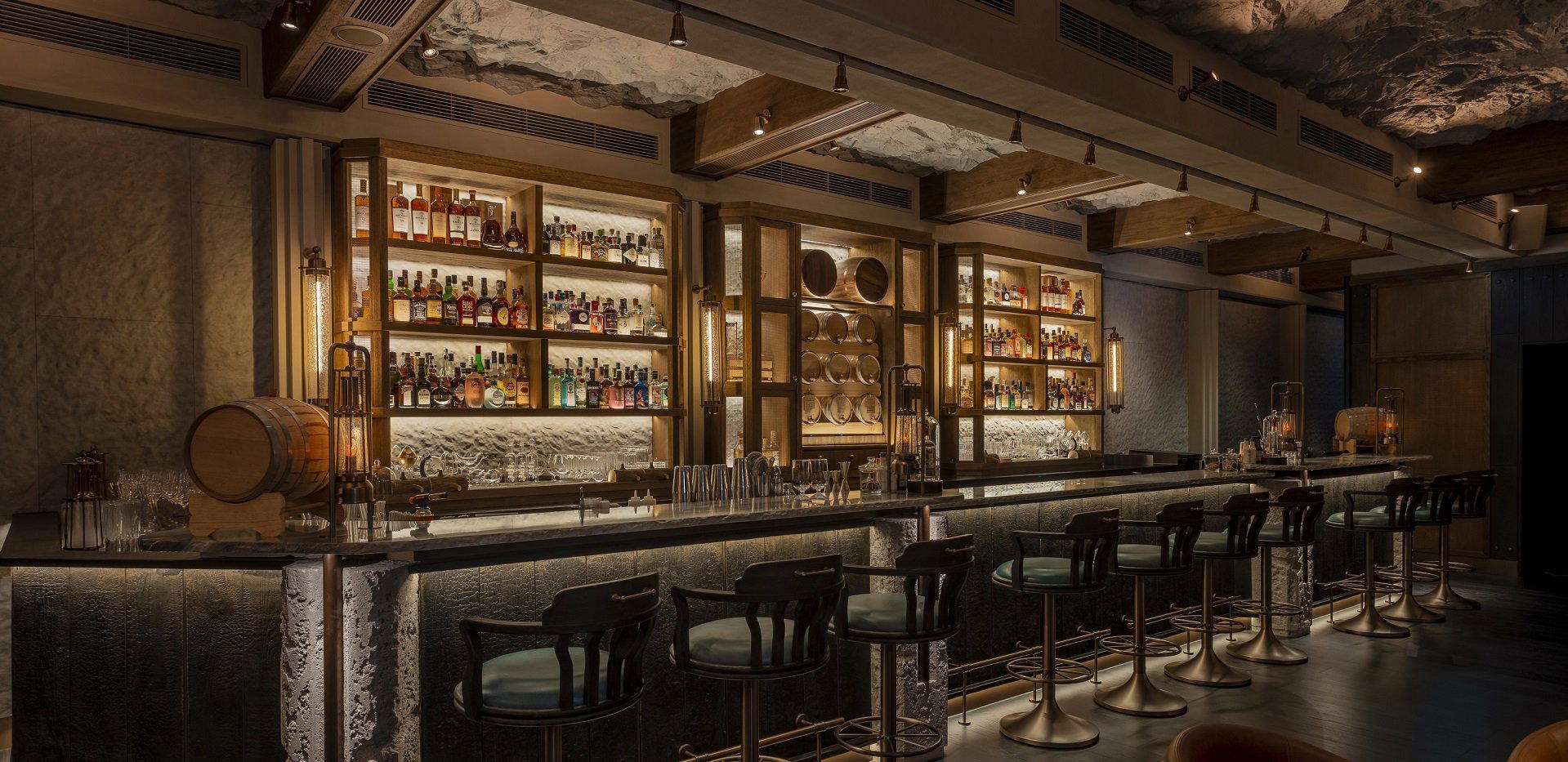
The sake bar at the entrance is where a measured meal should begin. A dedicated sake cellar backs it. The tone is calm rather than theatrical, which is the correct environment for a cuisine that rewards attention to texture and temperature.
How the Meal Moves: A Tasting Progression Built Around Technique
Tempura at this level is not a side dish or a supporting act. The table-side preparation format at Tenmasa places the cooking process inside the dining experience rather than behind it, with chefs working from the same techniques passed down since the original Tokyo location opened. That visibility is not spectacle for its own sake; it is how tempura has traditionally been served in serious specialist houses, where batter temperature, oil behaviour, and timing are not things that survive a long journey from kitchen to table.
The meal moves in deliberate stages. For those taking the prix fixe, the arc runs from raw preparations through to the tempura sequence itself. Bluefin tuna sashimi and wagyu steak appear within the multi-course format as markers of the kitchen's broader range, but the tempura remains the organising principle around which the rest of the menu is arranged. Eating à la carte follows a similar logic if you let the seasonal listings guide your choices; dishes flagged as seasonal use produce that exists in the kitchen only during a specific window, and a recent summer menu included a tempura fish cake made with abalone, prawn, and seasonal vegetables topped with sea urchin, which is the kind of composition that makes the à la carte case without needing elaboration.
A typical meal runs between two and three hours. This is not a room designed for a fast pre-theatre dinner or a casual mid-afternoon stop.
Position in Macau's Dining Hierarchy
Macau's restaurant scene is large but concentrated at its upper end around a handful of cuisines. The Cantonese tier, anchored by rooms like Jade Dragon, and the European fine-dining tier, which includes Robuchon au Dôme and Alain Ducasse at Morpheus, absorb much of the premium dining attention. Regional Chinese alternatives like Feng Wei Ju occupy a different value tier. Tenmasa sits outside all of these competitive sets, which is precisely where its value lies for a visitor whose itinerary already includes one or two of the major Cantonese or French rooms.
The La Liste 83-point recognition positions it within the upper band of Macau's listed restaurants, a fit for its focused format. For visitors building a multi-day Macau itinerary, it offers a contrast in register to the rooms that dominate the territory's dining scene. Readers planning across Greater China may also find useful reference points at restaurants including Xin Rong Ji in Beijing, 102 House in Shanghai, Ru Yuan in Hangzhou, Xin Rong Ji in Chengdu, Imperial Treasure Fine Chinese Cuisine in Guangzhou, and Dai Yuet Heen in Nanjing. For the technically precise, long-format seafood dining that Tenmasa's tier invites comparison with, rooms like Le Bernardin in New York City and Atomix in New York City occupy equivalent positions in their own cities as specialists with deep lineage.
Planning Your Visit
Tenmasa is located on the eleventh floor of the Altira Macau on Taipa Island, at the intersection of Avenida Dr. Sun Yat Sen and Avenida de Kwong Tung, The restaurant opens Monday and Tuesday, then Thursday through Sunday, for lunch from 12:00 to 3:00 p.m. and dinner from 6:00 to 10:00 p.m. Both sessions offer set menus and à la carte options, and both are framed around the same two-to-three-hour pace. Chef Takenori Noguchi leads the kitchen. For those staying in the territory,
Compact Comparison
Comparable venues nearby, for context on price, style, and recognition.
| Venue | Cuisine | Price |
|---|---|---|
| Tenmasa at Altira MacauThis venue — the venue you are viewing | Taipa, Traditional Japanese Tempura | $$$$ |
| Golden Flower | NAPE, Imperial Tan Cuisine | $$$$ |
| Zuicho Grand Lisboa Palace | Cotai, Kappo Omakase | $$$$ |
| Mesa by José Avillez | Cotai, Contemporary Portuguese | $$$$ |
| Ying at Altira Macau | Taipa, Michelin-Starred Cantonese | $$$$ |
| Chún – MGM Cotai | Cotai, Modern Cantonese Fine Dining | $$$$ |
Recognition history
Dated appearances from independent guides and award organizations, with the underlying list record or original source where available.
Forbes 5-Star
Forbes
La Liste Top Restaurants
La Liste
Wine Spectator Best of Award of Excellence
Wine Spectator
Forbes 5-Star
Forbes

At a Glance
- Elegant
- Sophisticated
- Intimate
- Classic
- Business Dinner
- Date Night
- Special Occasion
- Private Dining
- Hotel Restaurant
- Panoramic View
- Sake Program
- Skyline
Current opening hours
- Monday
- 12–3 PM, 6–10 PM
- Tuesday
- 12–3 PM, 6–10 PM
- Wednesday
- Closed
- Thursday
- 12–3 PM, 6–10 PM
- Friday
- 12–3 PM, 6–10 PM
- Saturday
- 12–3 PM, 6–10 PM
- Sunday
- 12–3 PM, 6–10 PM
Hours can change for holidays and private events. Last verified .
Refined and intimate Japanese dining room with tatami seating, panoramic city views, and a tranquil atmosphere requiring shoe removal.