





Macau's omakase scene gets a rare Hokkaido pedigree at Sushi Kissho by Miyakawa, the first overseas outpost of chef Masaaki Miyakawa's celebrated Sapporo counter. Set inside Raffles at Galaxy on Cotai, the ten-seat hinoki cypress counter earned a Michelin star in 2024 and holds the Star Wine List top ranking for 2025, pairing Edomae sushi with a 175-selection wine program overseen by Wine Director Hervé Pennequin.
Pearl is the En Primeur Club membership app — saves, bookings, and concierge access live there. Same editors, same standards.
- Address
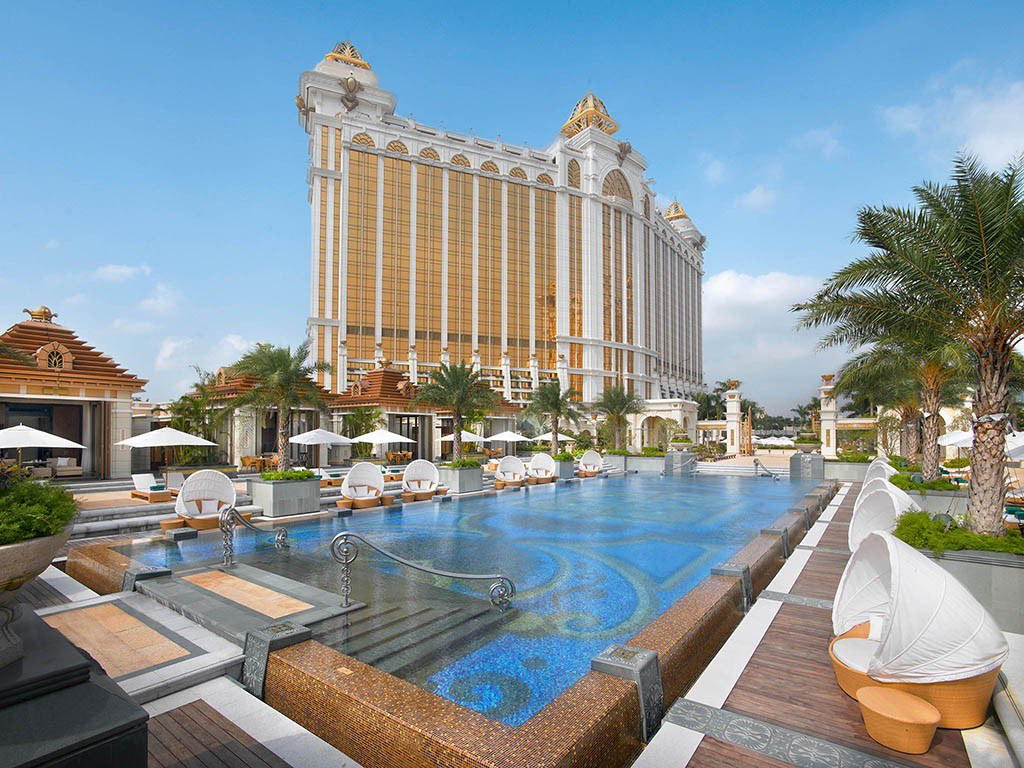
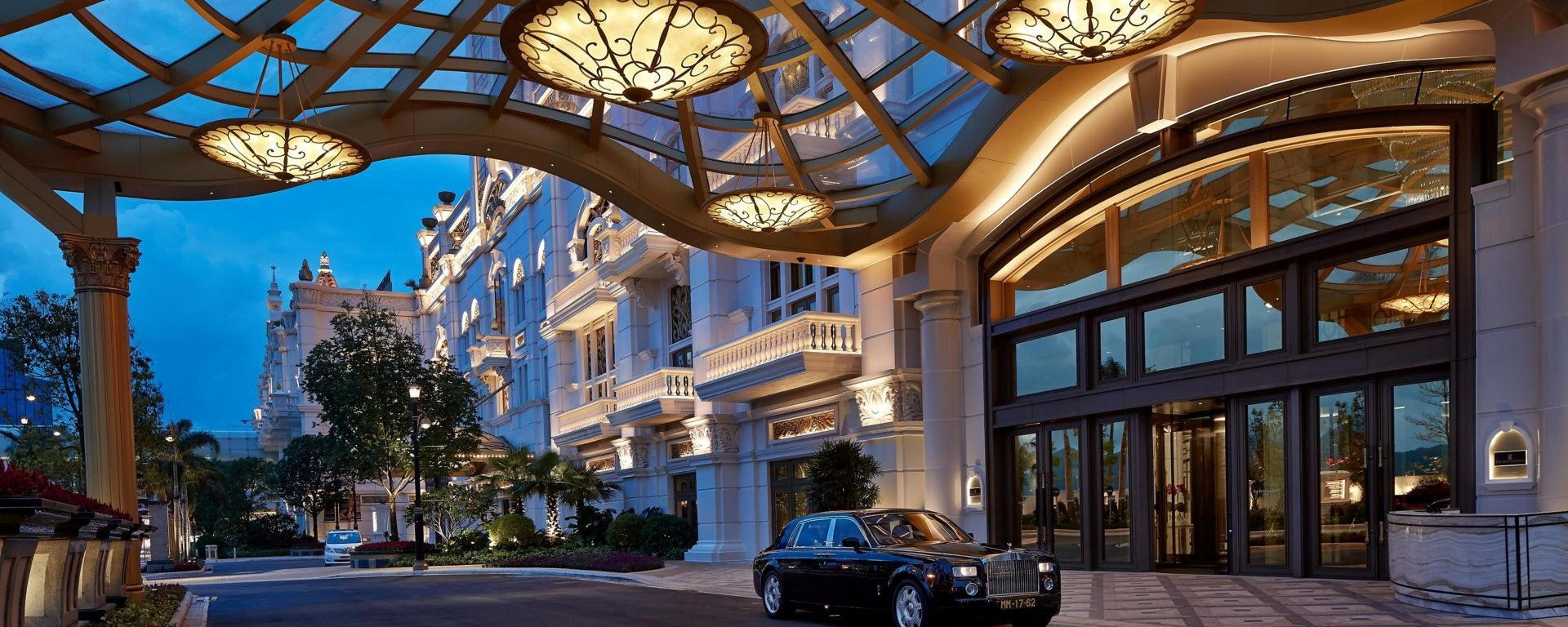
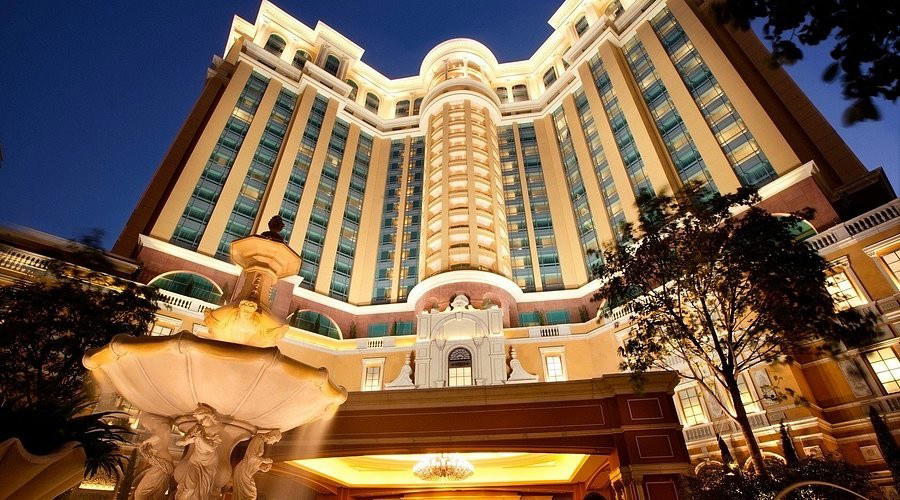
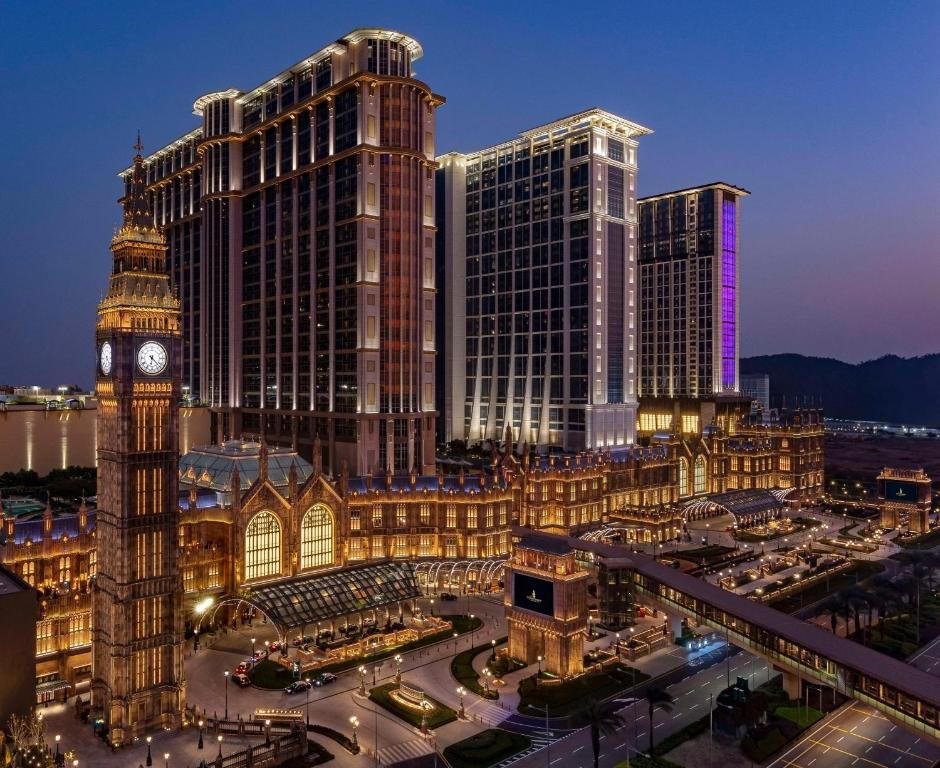
- Raffles at Galaxy, Galaxy Macau™ Integrated Resort, Cotai, Macau 2F, Macao
- Phone
- +853 8883 2221
- Website
- galaxymacau.com
- Directions
- Get directions
 Saves & bookings on Pearl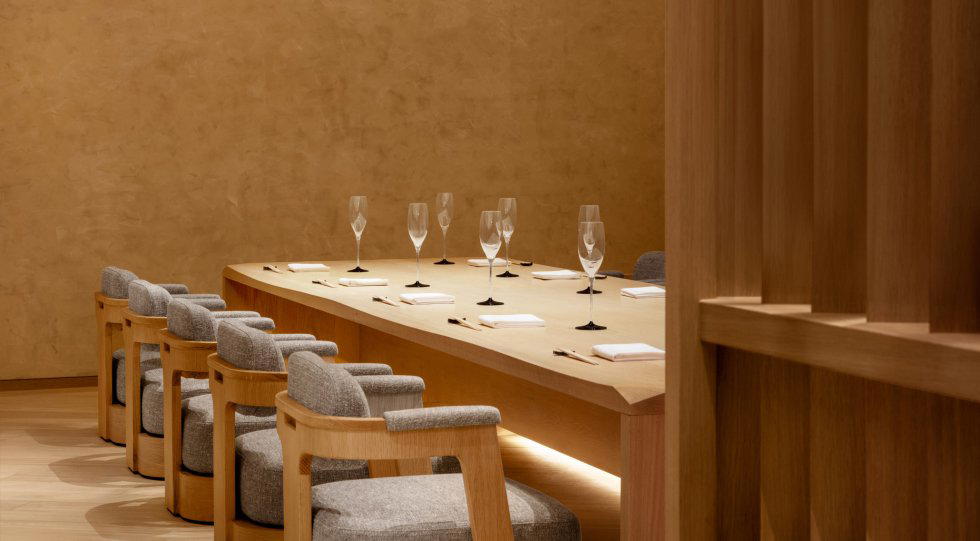
Hinoki, Wabi-Sabi, and the Logic of Edomae in Macau
Walk the second floor of Raffles at Galaxy Macau and the ambient noise of the integrated resort drops away before you reach the counter. The room is built on restraint: raw hinoki cypress, ten seats arranged in a single arc, and a format that gives the chef almost no room to hide. This is Edomae sushi in its most disciplined physical expression, and the setting is not decorative, it reflects a culinary logic that predates most of the dining rooms it now influences.
Edomae, literally "in front of Edo," was the sushi tradition that developed in nineteenth-century Tokyo around the catch of Tokyo Bay and the techniques, curing, marinating, vinegar-dressing, needed to prepare fish in an era before refrigeration. What distinguished it from regional styles was the centrality of the shari, the vinegared rice, as an active flavour component rather than a neutral base. That principle still governs how serious omakase counters operate, and it is the framework Sushi Kissho by Miyakawa brings to Cotai. Here, three rice varieties sourced from Hokkaido and Akita prefectures are dressed with a blend of three red vinegars, a detail that signals how much conceptual weight the kitchen places on a component most casual diners never examine.
A Hokkaido Counter, Transported
Macau's relationship with Japanese fine dining has deepened considerably over the past decade, but most high-end Japanese restaurants in the city belong to the Cantonese-influenced hybrid tier or are branded adjuncts of international hotel groups without strong chef provenance. Sushi Kissho by Miyakawa occupies a narrower niche: it is the first outpost outside Japan of a Hokkaido establishment with documented critical standing.
Chef Masaaki Miyakawa's involvement gives the restaurant credentials that function as category signals for informed diners. The omakase format is dinner-only, structured around a sequence of Edomae-style sushi, appetisers, miso soup, and dessert. Seasonal catch, sourced predominantly from Hokkaido, forms the ingredient base, which is notable in a city where most premium Japanese restaurants draw fish from multiple international suppliers rather than a single regional source. That specificity is a form of editorial positioning: it tells you what the kitchen is arguing about quality and provenance.
The Wine Program as a Separate Argument
A detail that separates Sushi Kissho by Miyakawa from most comparable omakase rooms in the region is the seriousness of the wine list. In 2025, Star Wine List ranked it number one in Macau. The list runs to 175 selections with a cellar inventory of 1,800 bottles.
This is worth pausing on. Most premium omakase counters in Asia treat wine as a secondary consideration. The decision to invest in a serious wine programme suggests the restaurant is positioning itself for a Macau clientele that arrives with different expectations than a Tokyo counter would face. It is an adaptation without a compromise on the core format: the sushi discipline remains intact while the beverage programme is calibrated for the room it actually occupies.
Where It Sits in Macau's Fine Dining Map
Macau's upper-tier dining is anchored by a cluster of Michelin-recognised rooms that span French, Cantonese, and Japanese traditions. The French end of the market is represented by properties like Robuchon au Dôme and Alain Ducasse at Morpheus, while Cantonese at the highest level is covered by rooms such as Jade Dragon and Chef Tam's Seasons. Sushi Kissho by Miyakawa's Michelin star places it inside this tier, but its competitive set is narrower: it is specifically a ten-seat counter doing a single format at dinner.
That restriction is a design choice. Intimate-format omakase rooms in Asia have consistently demonstrated that the counter constraint, the inability to scale, the forced interaction between guest and chef, is part of the value proposition, not a limitation. Globally, this pattern shows up across peer counters: Harutaka in Tokyo and Sushi Shikon in Hong Kong both operate on similar logic, where the tightly constrained format is inseparable from the experience. With ten seats and a dinner-only programme, the restaurant runs in that tier.
The Wabi-Sabi Argument in a Casino Resort
There is an inherent tension in placing a wabi-sabi omakase room inside one of Asia's largest integrated resort properties, and the tension is worth acknowledging rather than glossing over. Wabi-sabi, the Japanese aesthetic that finds value in imperfection, transience, and material honesty, is a difficult philosophy to sustain in an environment designed around spectacle and accumulation. The hinoki counter and the ten-seat format are genuine structural commitments to that aesthetic, but the surrounding resort context means the silence and deliberateness the format requires must be manufactured more deliberately than it would be in a Ginza basement or a Sapporo side street.
That said, Raffles at Galaxy is among the higher-design properties on Cotai, and the second-floor placement does create some separation from the casino floor energy. Guests who have experienced the original Hokkaido counter or peer rooms in Tokyo will notice the difference in ambient context; guests arriving primarily from the Macau resort circuit are more likely to find the room startlingly calm by comparison. Both responses are reasonable, and neither undermines the food's credentials.
Planning Your Visit
The restaurant is located on the second floor of Raffles at Galaxy Macau, within the Galaxy Macau Integrated Resort on Cotai. The restaurant operates for dinner only and seats ten guests at the hinoki counter. Given the format and capacity, advance reservations are strongly recommended. The wine programme carries a corkage fee of $125 for outside bottles, and the 1,800-bottle cellar with 175 listed selections means the in-house list is broad enough for most pairings. The overall dining price tier is in the upper bracket of Macau's restaurant market, consistent with its Michelin-starred comparable set.
Across greater China, comparable standards of Japanese precision show up in different forms: Xin Rong Ji on Xinyuan South Road in Beijing and 102 House in Shanghai demonstrate how regional fine dining has matured at the leading end, while Ru Yuan in Hangzhou, Xin Rong Ji in Chengdu, Imperial Treasure Fine Chinese Cuisine in Guangzhou, and Dai Yuet Heen in Nanjing illustrate the breadth of premium dining now distributed across the mainland.
The Minimal Set
Comparable venues nearby, for context on price, style, and recognition.
| Venue | Cuisine | Price | Notes |
|---|---|---|---|
| Sushi Kissho by MiyakawaThis venue — the venue you are viewing | Cotai, Edomae-Style Omakase | $$$$ | Not listed |
| Sushi Kinetsu | Cotai, Edomae Omakase Sushi | $$$$ | Not listed |
| Mizumi | Cotai, Modern Japanese Fine Dining | $$$$ | Not listed |
| 8 1/2 Otto e Mezzo Bombana (Macau) | Not listed | $$$$ | Cotai, Modern Sicilian Italian Fine Dining |
| Five Foot Road | Cotai, Modern Sichuan Fine Dining | $$$$ | Not listed |
| Imperial Court – MGM Macau | NAPE, Modern Cantonese | $$$$ | Not listed |
Recognition history
Dated appearances from independent guides and award organizations, with the underlying list record or original source where available.
Forbes 5-Star
Forbes
Michelin 1 Star
Michelin
Opinionated About Dining Top Restaurants in Asia Recommended
Opinionated About Dining
SCMP 100 Top Tables Restaurants
SCMP 100 Top Tables
Star Wine List
Star Wine List
Wine Spectator Award of Excellence
Wine Spectator
Michelin 1 Star
Michelin
Star Wine List
Star Wine List
Wine Spectator Award of Excellence
Wine Spectator
Michelin 1 Star
Michelin
At a Glance
- Elegant
- Intimate
- Minimalist
- Sophisticated
- Special Occasion
- Date Night
- Chefs Counter
- Private Dining
- Sake Program
Current opening hours
- Monday
- 6–10:30 PM
- Tuesday
- 6–10:30 PM
- Wednesday
- Closed
- Thursday
- 6–10:30 PM
- Friday
- 6–10:30 PM
- Saturday
- 6–10:30 PM
- Sunday
- 6–10:30 PM
Hours can change for holidays and private events. Last verified .
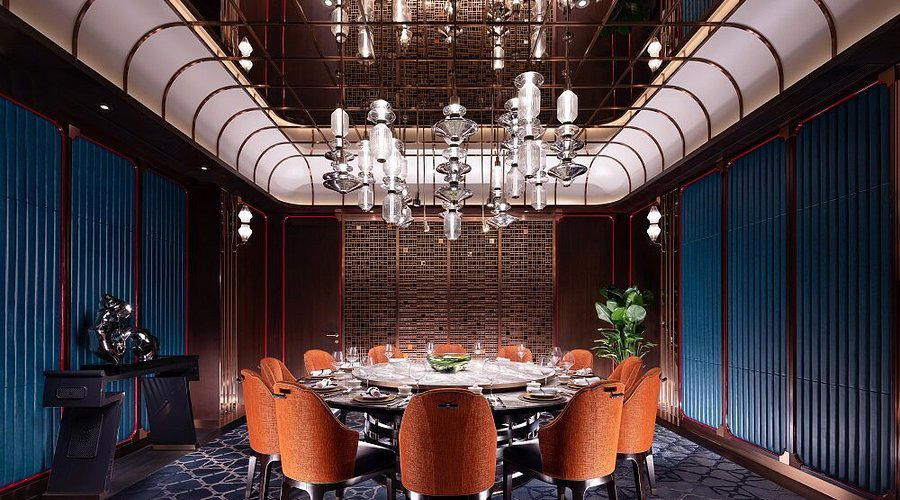
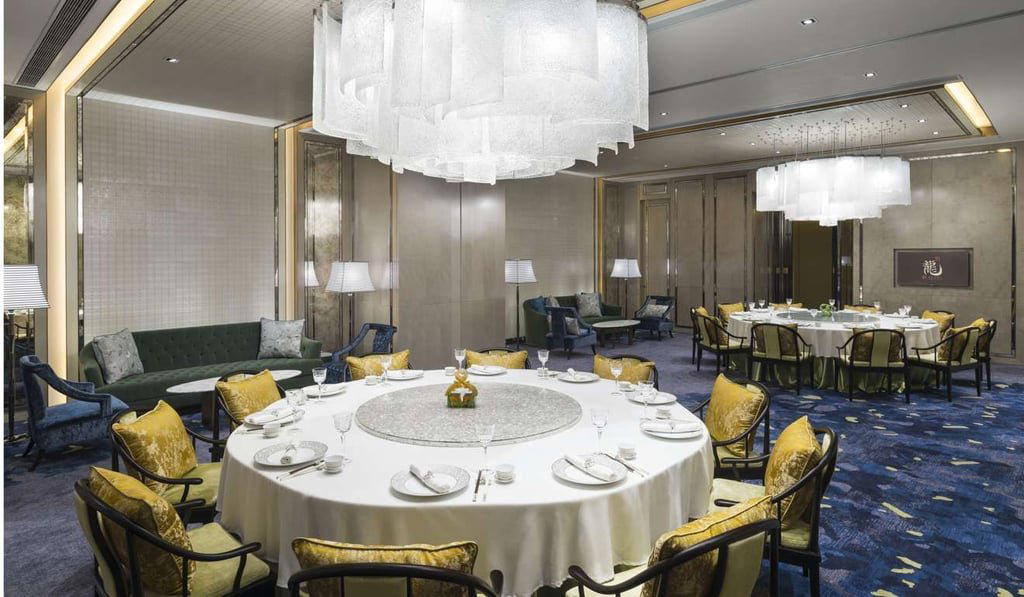
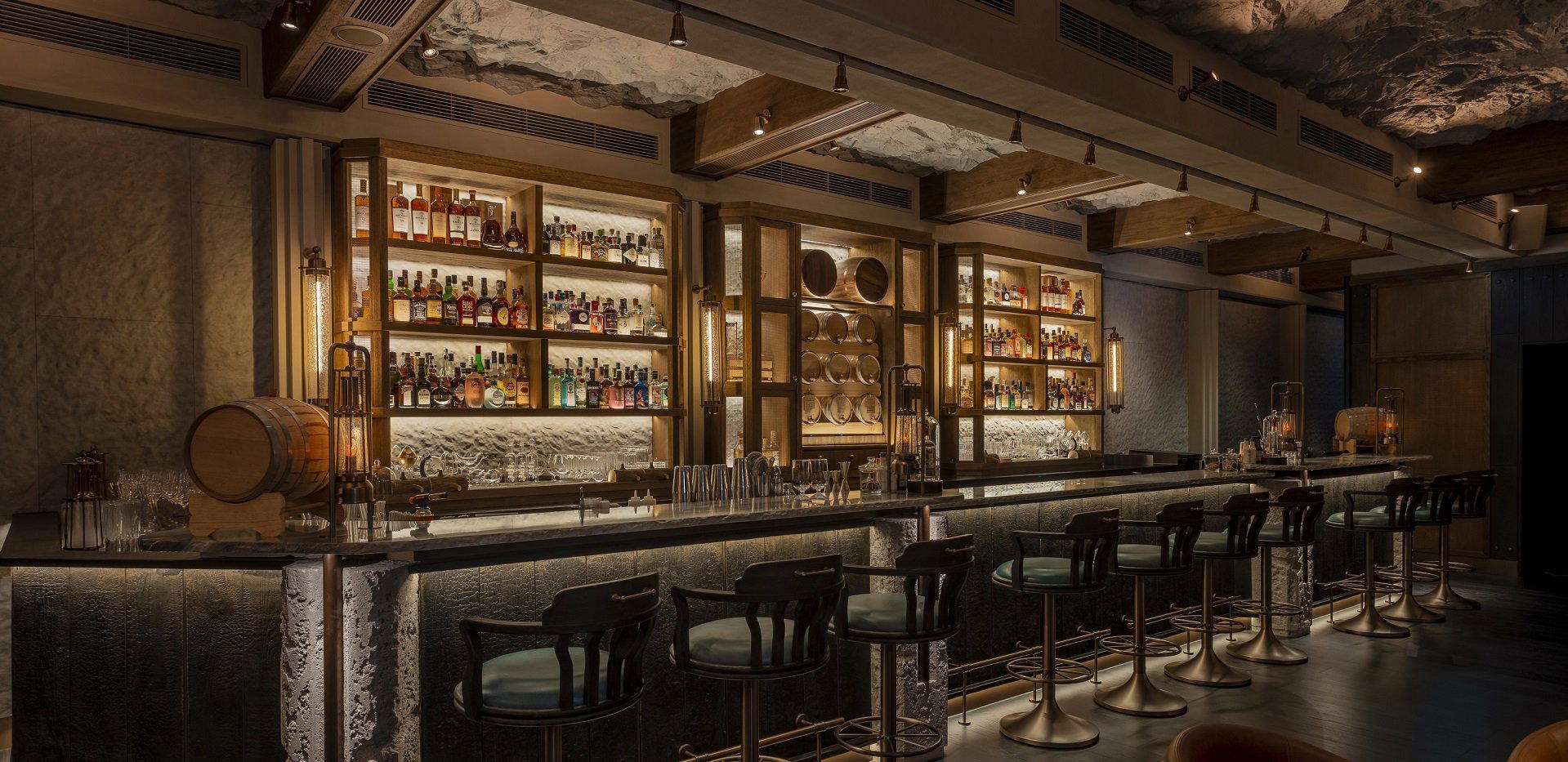
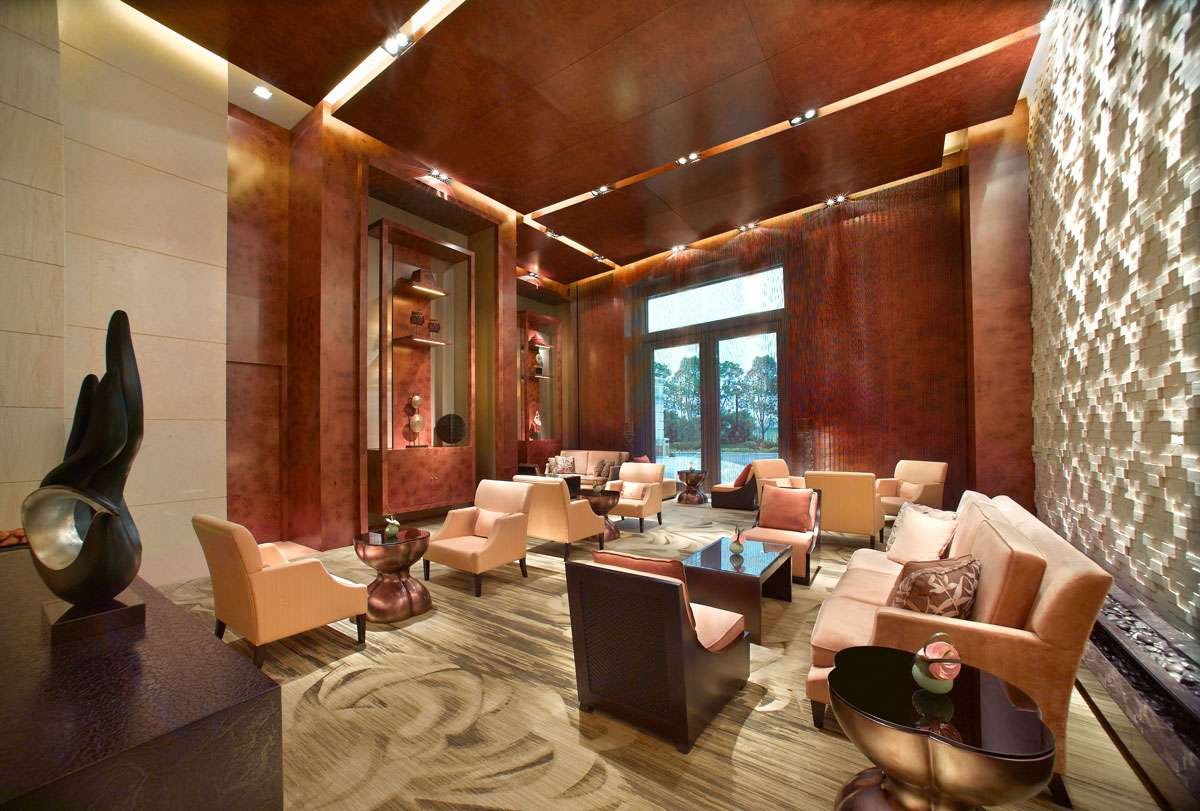
Serene, minimalist surroundings with wabi-sabi simplicity, featuring a carved Kiso Hinoki Cypress sushi counter and handmade Japanese pottery.