
Osaka’s tempura culture rewards restraint as much as heat control, and Tempura Ando sits in the small-counter tier where seafood sourcing, oil choice, and pacing carry the meal. Its 2025 Tabelog 100 Tempura selection, eight-seat counter format, and fish-focused cooking place it well above casual fry shops and closer to specialist kappo in tempo and cost.
Pearl is the En Primeur Club membership app — saves, bookings, and concierge access live there. Same editors, same standards.
- Address
- Japan, 〒542-0084 Osaka, Chuo Ward, Souemoncho, 5−2 B1F
- Phone
- +81 6-6786-8178
- Website
- tenpura-ando.com
 Saves & bookings on Pearl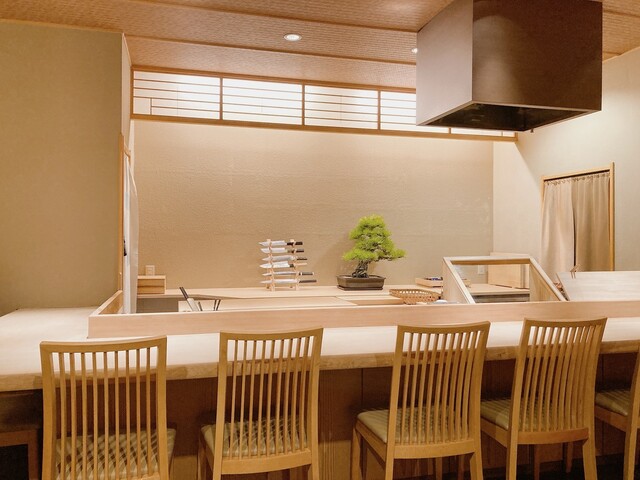
Souemoncho is better known for late-night neon, river traffic, and Dotonbori’s appetite economy than quiet specialist counters. That contrast matters: a serious tempura room here resists the neighbourhood’s volume with fewer seats, fewer distractions, and close attention to the instant batter, oil, seafood, and timing meet. Tempura Ando belongs to that smaller register, where the drama is control, not excess.
Tempura is often reduced abroad to crunch. In Japan, especially at specialist counters, the sharper question is stewardship: what enters the fryer, which oil is chosen, how much batter is needed, and how little waste the kitchen tolerates when immediacy defines the format. Tempura Ando’s public positioning is clear: fish is a stated focus, and the restaurant is noted for tempura fried in extra-virgin olive oil, placing it in a contemporary conversation about lighter frying mediums, seafood-led courses, and a less anonymous approach to ingredients.
Fish-led tempura in a city that usually shouts louder
Osaka’s dining identity is often summarized by takoyaki, okonomiyaki, kushikatsu, and impulse eating. That is real, but it can obscure a quieter strain: compact counters treating seasonality and repetition as craft, not spectacle. Tempura at this level is close to sushi and kappo. The meal depends on sequence, temperature, and the chef’s ability to make seafood feel precise rather than heavy.
The sustainability angle is not a slogan; it sits in the cuisine’s mechanics. A fish-focused tempura counter must decide portioning, trimming, frying order, and oil management before a small audience. Extra-virgin olive oil, used deliberately, departs from heavier deep-frying associations and asks diners to see tempura as transparent medium, not covering. That does not make the restaurant an environmental manifesto. It does make the format accountable: eight counter seats leave little room for anonymous production.
The 2025 Tabelog 100 Tempura selection gives the room a measurable credential in a category where public ratings can be more useful than generic acclaim. Tempura Ando’s Tabelog score is listed at 3.74, meaningful because Japan’s restaurant-rating culture compresses scores more tightly than international platforms. Editorially, the recognition places the counter among specialist tempura addresses, not general Japanese restaurants that fry a few courses.
That distinction helps when reading Osaka against other choices. Kamado, listed in Osaka as contemporary and priced in the higher bracket, represents another mode of modern dining. Tori Ichi, at JPY 8,000 to JPY 9,999, sits in a more accessible tier. The Dotonbori beef venues in the comparison set serve the city’s tourist appetite for spectacle and meat. Tempura Ando competes for a narrower decision: the diner seeking a controlled seafood counter meal, not a broad night out.
The counter format makes waste visible
Small counters are unforgiving. They expose prep discipline, pacing, and the relationship between guest count and ingredient use. Tempura Ando’s eight-seat counter aligns with a low-capacity model where purchasing can be tighter and cooking more responsive than in larger dining rooms. In a cuisine where seconds matter, scale is not neutral; it changes the meal’s texture and the kitchen’s margin for error.
The environmental reading should stay grounded: no need to claim zero waste or invent sourcing programs. The defensible point is structural. Reservation-only, counter-led tempura reduces the mismatch between production and demand. Built course by course, the kitchen works with a defined number of diners rather than a casual fry shop’s open-ended flow. For travelers reading where Japanese fine dining is going, that matters more than decorative sustainability language.
Drink service places the restaurant in the specialist Japanese register rather than the tourist shorthand of “tempura and beer.” Sake, shochu, and wine are all part of the stated drinks program, with particular attention to sake and wine. The range reflects a broader Osaka pattern: high-end Japanese counters increasingly expect diners to move between domestic and international pairings without turning the meal into a Western tasting-menu imitation.
Context helps. A day in Osaka can run from a bakery stop at 52CHO-ME BAKERY to pork buns at 551 Horai (551蓬莱), coffee at .cafe, or pizza at 99 Pizza Napoletana Gourmet. Those addresses map the city’s breadth. Tempura Ando narrows the lens to technique, restraint, and how seafood behaves under heat.
How to read it within an Osaka itinerary
The right diner is not seeking a long menu of Osaka clichés. The appeal is tempura as a disciplined seafood format, with the intimacy and cost structure that follow. The listed budget is JPY 20,000 to JPY 29,999, with a 10 percent service charge noted, putting the meal in a deliberate-dinner category rather than a spontaneous Dotonbori stop. The price makes sense only if precision matters more than abundance.
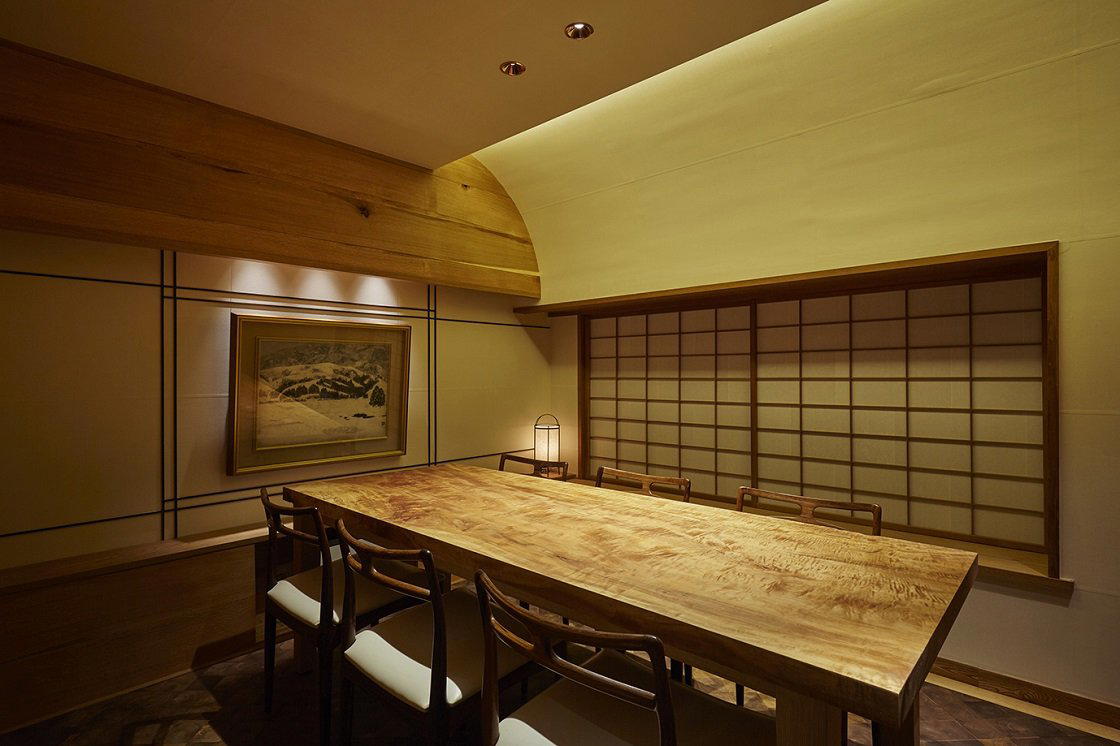
Boundaries are useful. The restaurant is non-smoking, private rooms are not part of the format, and children are accepted only when dining on the same course, with preschoolers not permitted. The scent policy is explicit: strong perfume can compromise a counter meal built around oil, seafood, and aroma. That may sound severe to first-time visitors, but in a small tempura room it is practical, not etiquette theatre.
For a broader Osaka plan, place this meal beside contrasting categories rather than another formal Japanese counter on the same day. Italian cooking at a canto (Italian) gives another view of the city’s serious dining culture, while Our full Osaka restaurants guide is better for building a sequence across casual, specialist, and high-spend meals. Travelers pairing dinner with sleep, drinks, or culture can also use Our full Osaka hotels guide, Our full Osaka bars guide, Our full Osaka wineries guide, and Our full Osaka experiences guide.
The broader Japanese context is instructive. A sukiyaki-focused meal such as -Grilled beef Sukiyaki- KAMAKURA TANUKIAN 鎌倉 たぬき庵 in Kamakura speaks to beef and simmering tradition; 鮪と炭火焼き うお炭 秋葉原店 in Tokyo frames tuna through charcoal;.know in Kumamoto, (Shoku) Vietnam in Kawasaki, [Curry Senmon Ten] Maruyama Kyoju. in Sapporo, and [ki:] in Kyoto show how regional dining in Japan resists a single narrative. Outside Japan, Jōdo Saké Bar in Los Angeles and Onigiri Time in Pasadena translate Japanese drinking and rice traditions into Californian settings. Tempura Ando is more specific: a compact Osaka counter where fish, oil, and restraint carry the argument.
Peers in This Market
Comparable venues in the metro at similar price points.
| Venue | Cuisine | Price | Notes |
|---|---|---|---|
| Tempura AndoThis venue — the venue you are viewing | Contemporary Tempura Omakase | $$$$ | |
| Sushi Uchida | Seasonal Osaka Sushi Omakase | $$$$ | Kita |
| Kamon | Luxury Teppanyaki at Imperial Hotel Osaka | $$$$ | Kita |
| Nikushou Nakata Honten | High-End Wagyu Yakiniku & Steak | $$$$ | Chūō |
| Yakitori Ichimatsu | Michelin-starred Yakitori Chicken Kaiseki | $$$$ | Kita |
| Wagyu Kaiseki Tajimaya Umeda | Members-only Wagyu Kaiseki with Dry-Aged Japanese Beef | $$$$ | Kita |
Continue exploring
More in Osaka
Restaurants in Osaka
Browse all →



Bars in Osaka
Browse all →


Hotels in Osaka
Browse all →



Wineries in Osaka
Browse all →
At a Glance
- Hidden Gem
- Intimate
- Elegant
- Cozy
- Sophisticated
- Date Night
- Special Occasion
- Celebration
- Business Dinner
- Solo
- Chefs Counter
- Open Kitchen
- Standalone
- Design Destination
- Sake Program
- Local Sourcing
- Sustainable Seafood
A small, hidden basement counter with warm, gentle lighting, hinoki wood counter and a calm Japanese aesthetic that feels like a quiet escape from the busy Namba streets.