
Tabelog 100 #17
Our verdict
Kamon places Osaka teppanyaki in a polished hotel setting, with counter seating, private rooms, a sommelier, English menus, and repeat selection in Tabelog’s Steak / Teppanyaki 100 WEST list. The appeal is less about novelty than discipline: a grill-led format where ingredient handling, portion control, and service rhythm matter as much as luxury cues.

Pearl is the En Primeur Club membership app — saves, bookings, and concierge access live there. Same editors, same standards.
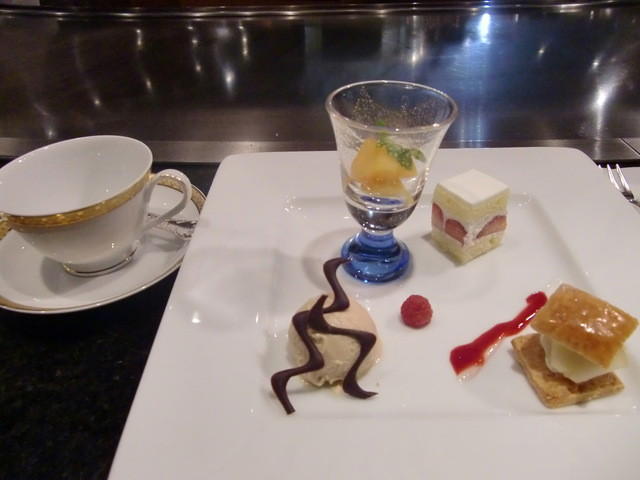
The menu
What to order
- Kobe and Matsusaka wagyu teppanyaki
- Seasonal fresh seafood teppanyaki
- Teppanyaki course combining Kyubey sushi and wagyu
In Osaka, Kamon belongs to a particular Japanese dining tradition: polished, high-touch, and built around the theatre of a hot iron plate without turning the meal into a circus. The city below matters. Osaka is often reduced to street food shorthand, but its upper-tier dining culture has long understood another register: composed restaurants, counter formats, and beef-led rooms where control is the point. At Kamon, that control is visible in the format before any menu detail enters the conversation.
Teppanyaki is one of Japan’s more misunderstood luxury formats. Abroad, it is too often associated with performance. In Japan, the serious version is closer to a conversation between product, heat, timing, and restraint. A grill station is not forgiving; it exposes overbuying, sloppy trimming, poor sequencing, and weak service pacing. That makes the format unusually relevant to sustainability conversations, not because every room publishes an environmental manifesto, but because the craft itself rewards precision. Portioning is visible, cooking is à la minute, and the relationship between ingredient and guest is unusually direct.
Osaka teppanyaki with polished service and less theatrical noise
Osaka’s premium grill rooms sit in a different competitive lane from sushi counters or seasonal Japanese dining rooms. Teppanyaki trades abstraction for contact: heat, knife work, timing, and the quiet authority of a counter. Kamon’s inclusion in Tabelog’s Hyakumeiten recognition for 2025, with a listed score of 3.62, places it within a field where consistency matters more than flash. That matters in a category where the difference between a good dinner and a serious one often comes down to repeatable technique.
The room’s polished setting also changes the social grammar. Kamon sits between intimate chef-counter dining and broader hospitality. That middle ground suits Osaka diners who want formality without the pressure of a tiny counter, and it suits travellers who need a room that can handle a composed meal without turning the evening into an exercise in uncertainty. In teppanyaki, fat, smoke, seasoning, and pacing all demand judgment, and the format gives those details room to register.
The sustainability angle is practical rather than decorative. Teppanyaki’s counter model can support tighter inventory, clearer portion control, and less back-of-house ambiguity than sprawling à la carte menus. Kamon is listed in the teppanyaki and steak categories, which places the meal firmly inside a product-focused format. That does not turn the restaurant into an environmental case study, but it does put the kitchen in a style where sourcing choices and waste decisions are difficult to hide. In a city where abundance is a civic instinct, restraint can be the more sophisticated gesture.
Where the format sits in the wider Osaka dining circuit
For travellers mapping Osaka by appetite, Kamon occupies the formal end of a broad spectrum. A day might start with unnamed bakery or café stops, move through the city’s casual carb logic, and end with a counter dinner where the pace slows. That contrast is the useful way to read Osaka: not as high versus low, but as a city unusually fluent in both speed and ceremony.
Compared with nearby dining options such as Chinese Cuisine Jasmine Garden, All Day Dining Café Couvert, and Sushi Kyubey, the teppanyaki proposition is more tactile. Chinese dining tends to emphasize the table and shared dishes; all-day dining offers breadth; sushi narrows the lens to rice, fish, and counter timing. Teppanyaki sits between those poles. It keeps the counter’s concentration while allowing a broader luxury vocabulary around steak, heat, seasoning, and hospitality. For travellers weighing Japanese dining formats in one trip, that distinction is useful.
It also explains why price alone is a blunt instrument in this category. A listing such as LAFCA answers a different question about the city’s dining identity, while other Osaka dining rooms do the same in their own registers. Kamon’s listed price range is JPY 10,000 - JPY 14,999, and teppanyaki’s cost structure is tied to product, counter labour, and the choreography of service. The better comparison is not “Is this cheaper than dinner elsewhere?” but “Does this format justify itself through control?”
Who should choose this counter, and who should look elsewhere
Kamon makes the strongest case for diners who want Osaka luxury without the opacity of a tiny, invitation-driven room. It will appeal to travellers planning a polished dinner, a celebration, or a business meal where the room must feel composed, not experimental.
Those seeking a chef-driven narrative, a named signature dish, or a radical sustainability program should choose with that in mind. The draw here is not manifesto dining. It is a durable Osaka format with enough recognition to matter, enough structure to reduce uncertainty, and enough counter intimacy to keep the meal anchored in craft. In practical editorial terms, Kamon belongs on an Osaka shortlist when teppanyaki is the desired language and the evening calls for precision over surprise.
For a wider itinerary, use Our full Osaka restaurants guide alongside Our full Osaka hotels guide, Our full Osaka bars guide, Our full Osaka wineries guide, and Our full Osaka experiences guide. Readers building a broader Japan or trans-Pacific food map may also compare format and mood with other dining rooms in Osaka and beyond, using Kamon as a reference point for teppanyaki, steak, and polished counter-driven hospitality.
Frequently asked questions
What days is Kamon closed?
Confirm current opening days directly with Kamon before visiting.
Is Kamon more mid-range or high-end?
Pricing at Kamon is listed as JPY 10,000 - JPY 14,999.
Where exactly is Kamon?
Osaka.
What is Kamon known for?
Kamon is known for teppanyaki and steak in Osaka.
Comparable Options
Comparable venues in the metro at similar price points.
| Venue | Cuisine | Price | Awards | Notes |
|---|---|---|---|---|
| KamonThis venue (the venue you are viewing) | Luxury Teppanyaki at Imperial Hotel Osaka | $100–150 | Tabelog 100 #17 | Not listed |
| Chinese Cuisine Jasmine Garden | Cantonese Chinese fine dining | $100–150 | Not listed | Not listed |
| All Day Dining Café Couvert | All-Day Dining Cafe | $30–50 | Not listed | Not listed |
| Sushi Kyubey | Traditional Tokyo-Style Sushi | Not listed | Not listed | Not listed |
| LAFCA | Cake Shop / Patisserie | $1–10 | Tabelog 100 #44 | JPY 1,000 - JPY 1,999 View spending breakdown |
Recognition history
Dated appearances from independent guides and award organizations, with the underlying list record or original source where available.
Tabelog 100 #17 · No. 17
Tabelog · Tabelog 100 - Steak / Teppanyaki - WEST - 2025
Continue exploring
More in Osaka
Restaurants in Osaka
All restaurants in Osaka →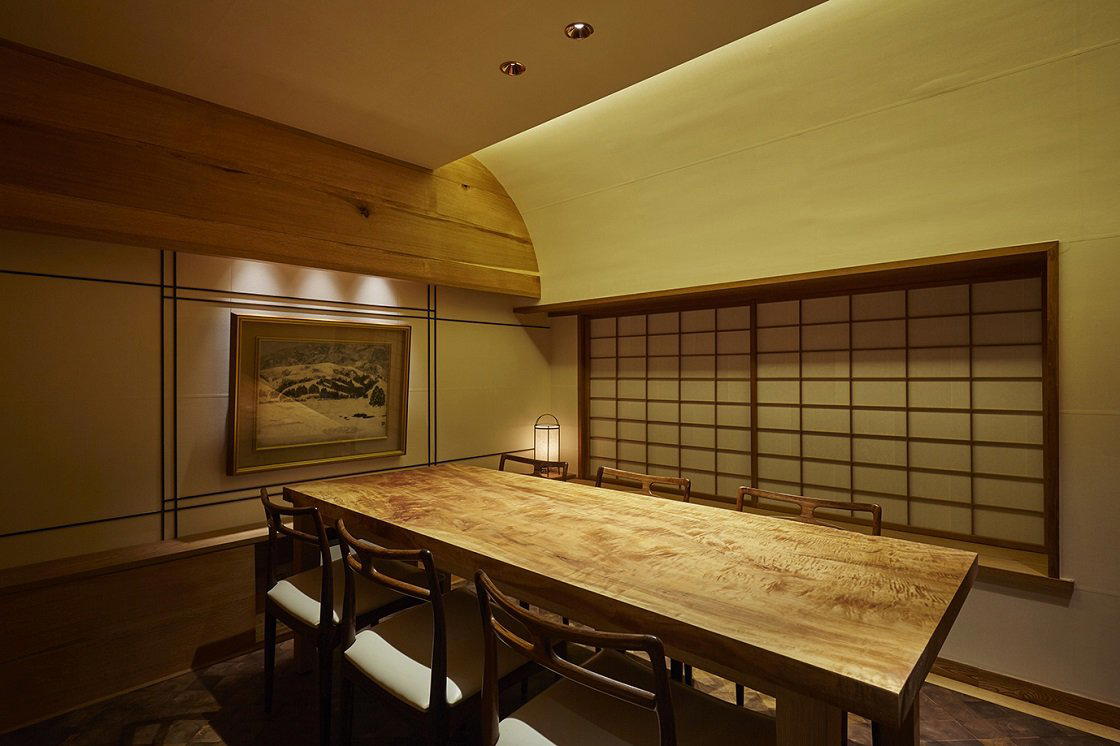

Bars in Osaka
All bars in Osaka →

Hotels in Osaka
All hotels in Osaka →



Wineries in Osaka
Browse all →
Kamon
The wine
- Wine program
- Curated wine list
- Extensive wine list
- Sake program
Details
- Elegant
- Romantic
- Scenic
- Sophisticated
- Well Known
- Special Occasion
- Celebration
- Business Dinner
- Date Night
- Group Dining
- Family
- Chefs Counter
- Panoramic View
- Private Dining
- Hotel Restaurant
- Extensive Wine List
- Sake Program
- Local Sourcing
- Sustainable Seafood
- Skyline
- Set Menu
- Tasting Menu
- Counter Dining
- Wine
- Sake
- Champagne
Current opening hours
- Monday
- 11:30 AM–2:30 PM, 5:30–9:30 PM
- Tuesday
- 11:30 AM–2:30 PM, 5:30–9:30 PM
- Wednesday
- 11:30 AM–2:30 PM, 5:30–9:30 PM
- Thursday
- 11:30 AM–2:30 PM, 5:30–9:30 PM
- Friday
- 11:30 AM–2:30 PM, 5:30–9:30 PM
- Saturday
- 11:30 AM–2:30 PM, 5:30–9:30 PM
- Sunday
- 11:30 AM–2:30 PM, 5:30–9:30 PM
Hours can change for holidays and private events. Last verified .
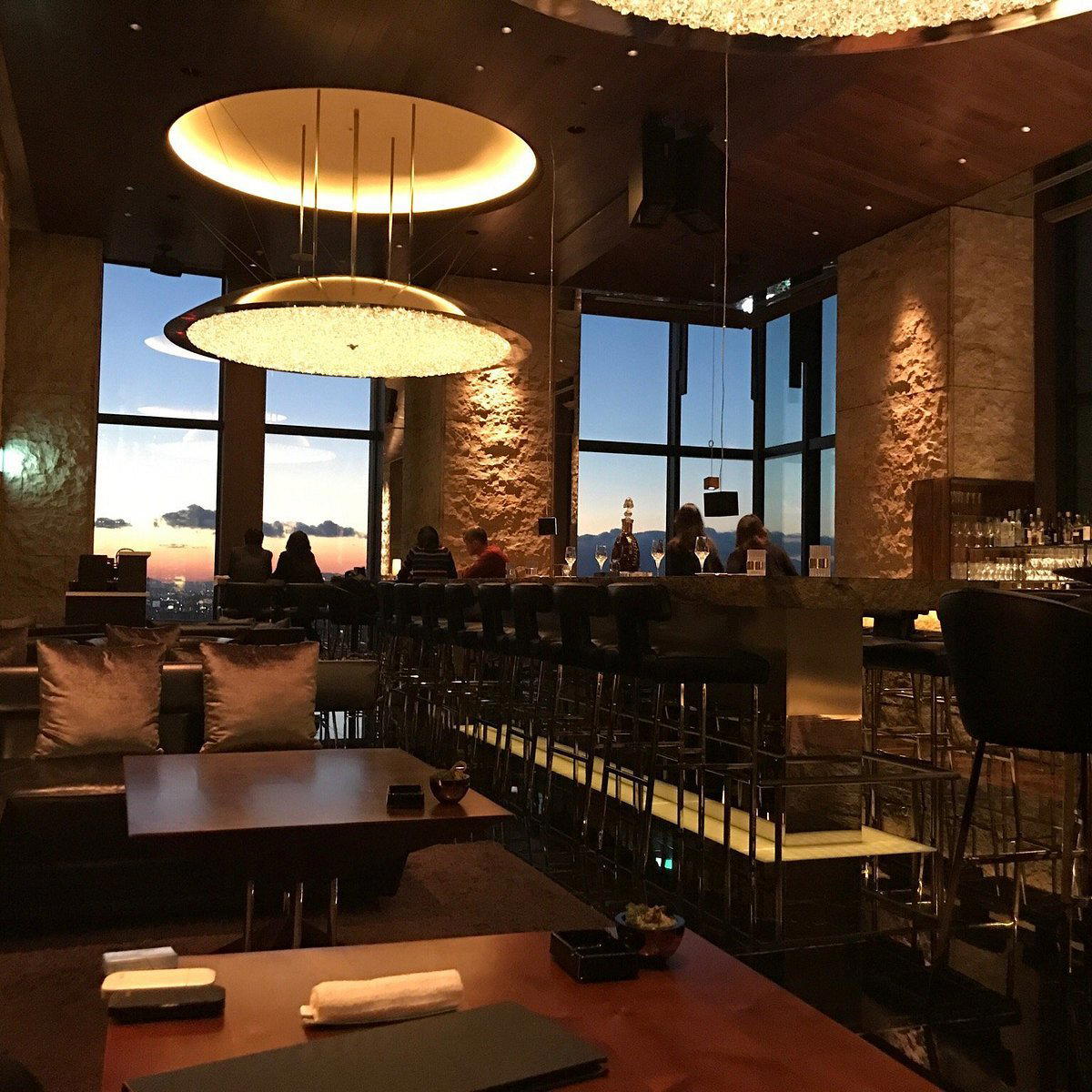
Refined hotel teppanyaki setting with counter seating around the grill, soft lighting, attentive formal service, and large windows offering dramatic city and night skyline views that create a calm yet special-occasion atmosphere.