
Set inside a building that housed a Knights Templar hospital until the 13th century, Casa Rusticale dei Cavalieri Templari holds consecutive Michelin Plate recognition for 2024 and 2025. The dining room blends rustic warmth with a quiet elegance, and the kitchen turns out generous, creative cooking grounded in the traditions of Romagna. A vine-shaded pergola extends the space outdoors when the season allows.
Pearl is the En Primeur Club membership app — saves, bookings, and concierge access live there. Same editors, same standards.
- Address
- Viale Bologna, 275, 47121 Forlì FC, Italy
- Phone
- +39 0543 701888
- Website
- osteriadeitemplari.it
- Directions
- Get directions
 Saves & bookings on Pearl
A Medieval Foundation, a Modern Table
The building on Viale Bologna has carried hospitality as its purpose for the better part of eight centuries. From the 13th century onward it served as the hospital of the Knights Templar dedicated to San Bartolo, a waypoint for pilgrims and travellers moving through the Romagna plain. That institutional memory is not simply decorative here; it frames the disposition of the place, where generous portions and a plainly warm welcome feel less like a marketing strategy and more like an inherited obligation. In a regional dining culture that takes hospitality seriously as a civic value, that lineage gives the restaurant a grounding that newer openings in Forlì cannot replicate.
Emilia-Romagna as a whole occupies a specific position in Italian food culture. It is the region that produces Parmigiano-Reggiano, Prosciutto di Parma, and Aceto Balsamico Tradizionale, and its restaurants tend to operate with an awareness of that productive weight. The eastern Romagna subregion, which includes Forlì and Cesena, tilts toward different emphases: handmade pasta, braised and roasted meats, and a direct relationship with the agricultural hinterland. Casa Rusticale sits within that tradition while adding a current of creative thinking to what could otherwise be purely conservative territory. The Michelin inspector's language is telling: "generous, substantial cuisine with a hint of creativity" is a description that respects the regional baseline while acknowledging that the kitchen is doing something beyond rote execution.
Michelin Recognition in a Mid-Market Register
Consecutive Michelin Plate recognition in 2024 and 2025 places Casa Rusticale in a defined tier of the Italian dining hierarchy. The Plate is Michelin's signal that a restaurant is delivering cooking of quality worth noting, positioned below the starred levels but above the general field. In practical terms, this means the kitchen is being evaluated by the same inspectors who award stars to operations like Osteria Francescana in Modena or, at the higher end of the regional Italian spectrum, Dal Pescatore in Runate and Enoteca Pinchiorri in Florence, which operate at the €€€€ price point. Casa Rusticale's €€ pricing occupies a different register entirely. That gap matters: for travellers accustomed to benchmarking Italian fine dining against Le Calandre in Rubano or Enrico Bartolini in Milan, this is the tier where Michelin quality signals translate into accessible price points.
In a city of Forlì's scale, that number reflects consistent repeat trade from local diners alongside visitors, which is a more reliable indicator of kitchen consistency than a smaller sample would provide.
The Room and the Setting
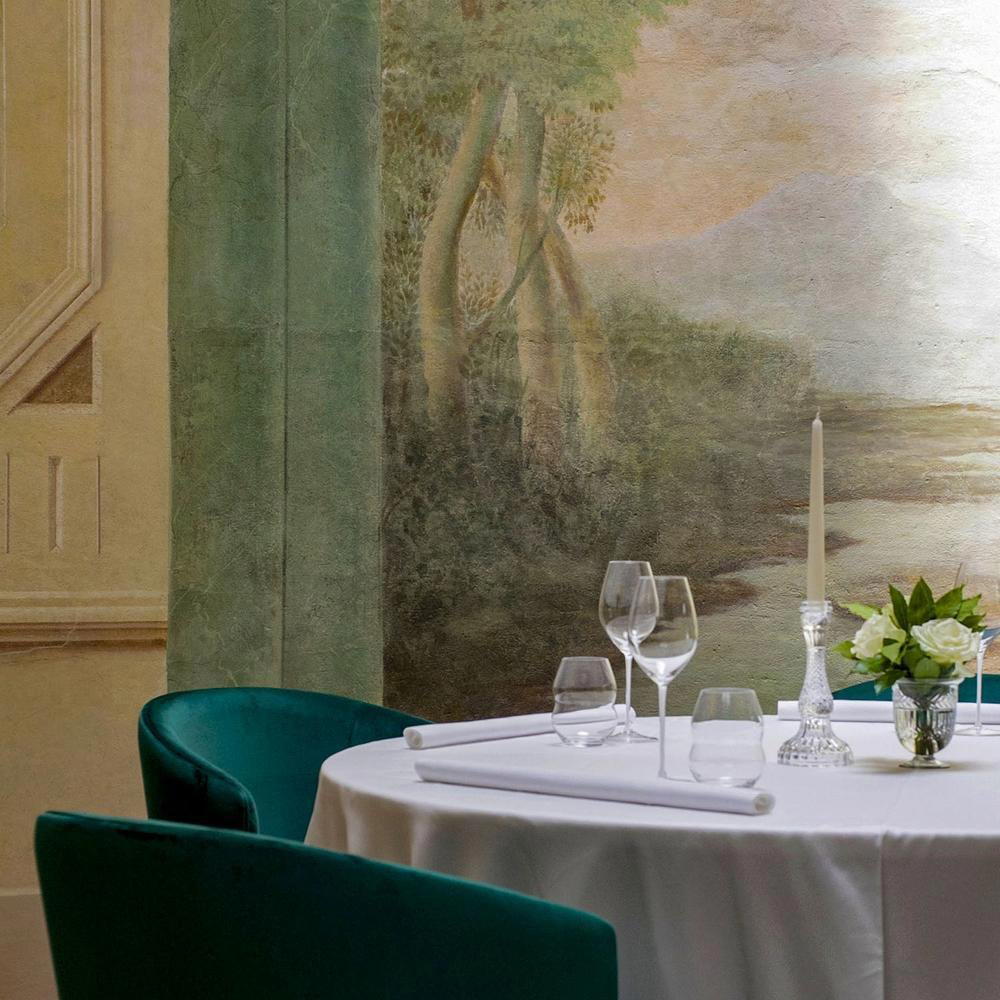
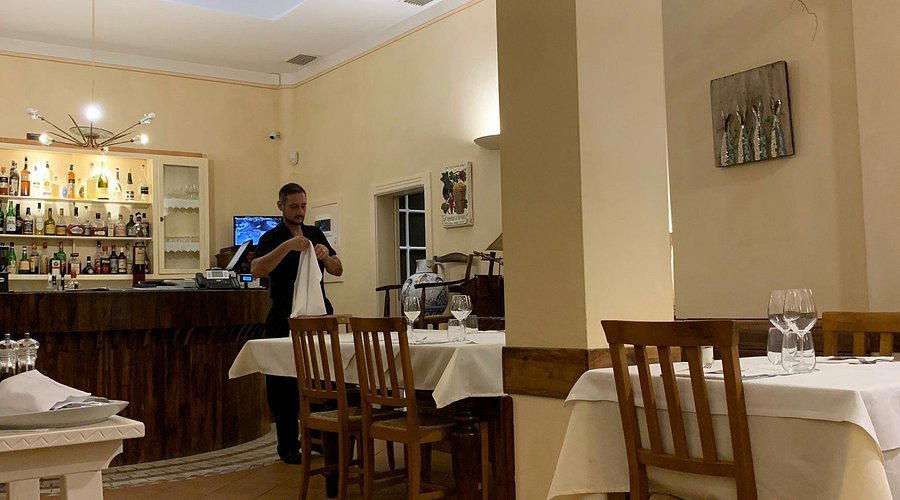
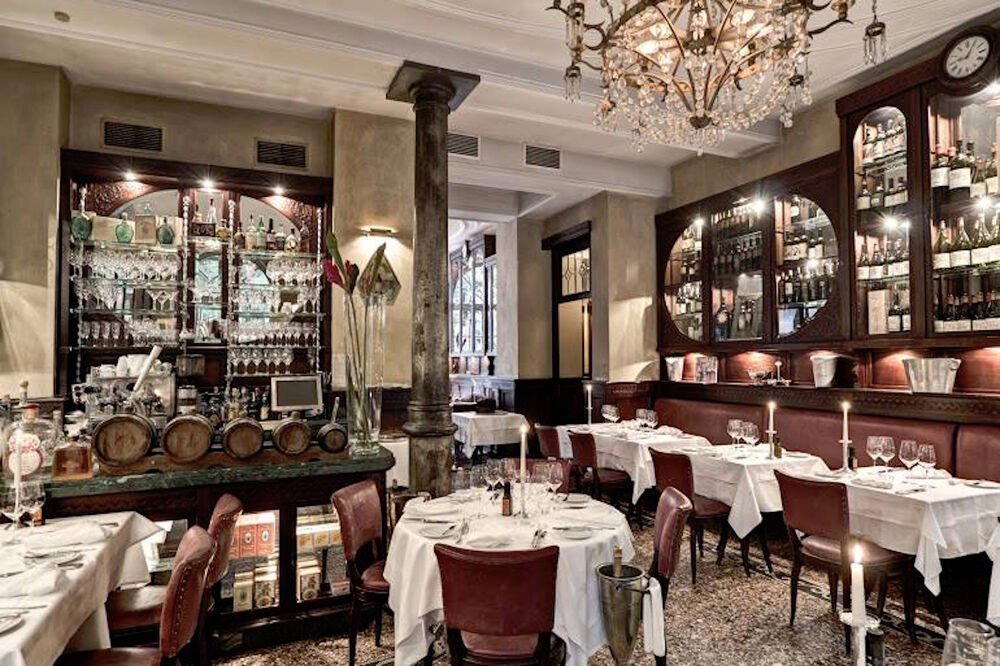
The dining room itself holds the tension between the building's age and its current function without forcing a resolution. The Michelin description captures it as "pleasantly rustic yet elegant," and that dual register is a deliberate achievement in rooms of this type. Medieval and early modern structures in Italy frequently host restaurants that lean entirely into the heritage aesthetic, filling the space with coarse stonework and theatrical torchlight. Casa Rusticale reads differently: the rusticity is structural and authentic, but the atmosphere it generates is warmth rather than theatre.
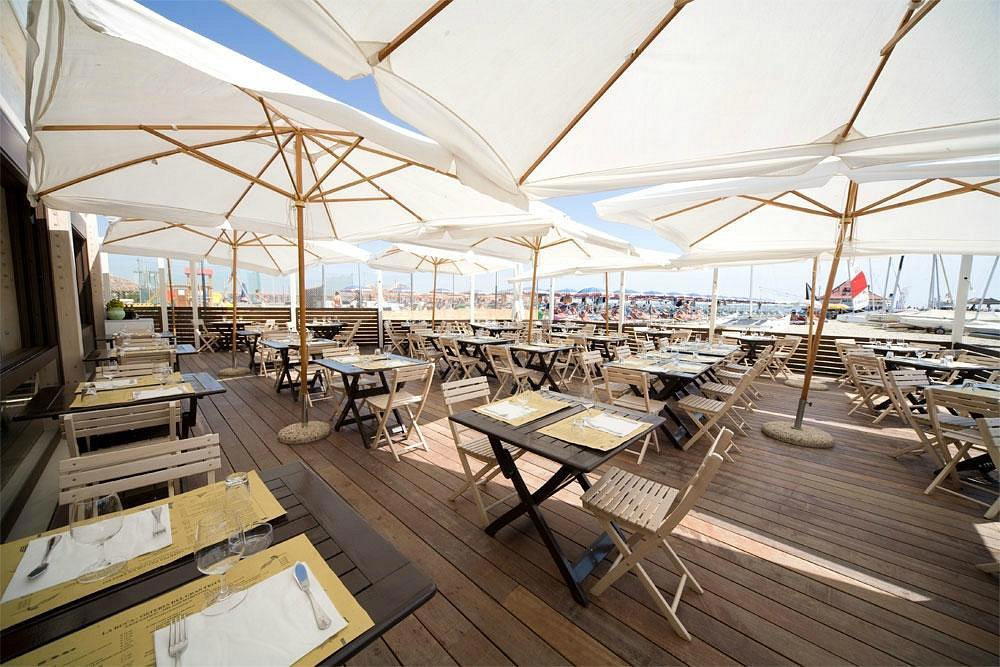
The outdoor pergola covered with vines extends the operation when weather allows. In the Romagna summer, outdoor dining under a working pergola represents a qualitatively different experience from a generic terrace; the vine canopy provides shade, the light filtered through leaves changes character through the afternoon, and the setting reinforces the agricultural roots of the cuisine being served. Timing a visit to coincide with the warmer months adds a dimension to the meal that the interior, however characterful, cannot replicate.
Where This Sits in Forlì's Dining Scene
Forlì does not have the culinary profile of Modena or Bologna, but it operates within the same regional tradition and produces restaurants that merit attention outside the well-worn Emilian circuit. Within the city, the competitive set for Casa Rusticale includes operations like Benso and Trattoria Petito, which focuses on cuisine from Romagna. The three restaurants together sketch a range of approaches to local cooking, from trattoria-register tradition to the moderate creativity that Casa Rusticale represents.
For visitors approaching from outside the region, the context of Romagna cuisine helps calibrate expectations. This is not the direction of maximum innovation that defines operations like Reale in Castel di Sangro or Piazza Duomo in Alba, nor the refined technical ambition of Atelier Moessmer Norbert Niederkofler in Brunico. It is also entirely different in register from the contemporary global direction represented by operations such as Frantzén in Stockholm or FZN by Björn Frantzén in Dubai. Casa Rusticale's value is precisely in not pursuing those reference points: it delivers regional cooking with considered creative input, in a historically significant space, at a price that reflects the local economy rather than the international luxury market.
That positioning is increasingly rare. As Italian regional dining has polarised between trattoria informality and high-end destination dining, the mid-tier Michelin-recognised restaurant with genuine historical character represents a dwindling category. The building's 13th-century origins are not a decorative asset here; they are the structural argument for why this kind of hospitality persists on this particular site.
Planning Your Visit
Casa Rusticale dei Cavalieri Templari is located at Viale Bologna, 275, on the western approach into Forlì's city centre, accessible by car and positioned within reach of the central districts. The €€ pricing makes it viable as a regular option rather than a special-occasion destination, and the. For visits during summer when the pergola is in use, or for larger groups, securing a reservation in advance is the practical approach.
Pricing, Compared
Comparable venues nearby, for context on price, style, and recognition.
| Venue | Cuisine | Price | Awards | Notes |
|---|---|---|---|---|
| Casa Rusticale dei Cavalieri TemplariThis venue — the venue you are viewing | Modern Cuisine | $$ | Michelin Plate | Not listed |
| Trattoria 'petito | centro storico, Romagnola Trattoria | $$ | Michelin Plate | Not listed |
| Benso | Not listed | $$$ | Michelin Plate | centro storico, Modern Italian Contemporary Bistro |
| Templarè | Not listed | $$ | Not listed | Viale Bologna, Traditional Romagna Trattoria |
| Ristorante MIC Ramen Forlì | I Portici, Authentic Japanese Ramen | $$ | Not listed | Not listed |
| Essentia | Not listed | $$ | Michelin Plate | historic centre, Modern Italian Country Cooking |
Recognition history
Dated appearances from independent guides and award organizations, with the underlying list record or original source where available.
Michelin Plate
Michelin
Michelin Plate
Michelin
Michelin Plate
Michelin
Continue exploring
More in Forlì
Restaurants in Forlì
Browse all →

At a Glance
- Rustic
- Elegant
- Cozy
- Date Night
- Business Dinner
- Family
- Historic Building
- Courtyard
- Extensive Wine List
- Garden
Current opening hours
- Monday
- Closed
- Tuesday
- 5 PM–12 AM
- Wednesday
- 5 PM–12 AM
- Thursday
- 5 PM–12 AM
- Friday
- 5 PM–1 AM
- Saturday
- 5 PM–1 AM
- Sunday
- 5–11 PM
Hours can change for holidays and private events. Last verified .
Pleasantly rustic yet elegant dining room with friendly historic atmosphere.