Ramen inside a Forlì shopping centre sounds like an odd proposition until you consider how the format has spread through Italy's mid-sized cities, adapting Japanese broth traditions to local eating habits. MIC Ramen sits within Centro Commerciale I Portici, making it one of the more accessible casual Asian options in the area. For those curious about where Japanese noodle culture has landed in Emilia-Romagna, it's a useful reference point.
Pearl is the En Primeur Club membership app — saves, bookings, and concierge access live there. Same editors, same standards.
- Address
- CENTRO COMMERCIALE I PORTICI, Via Guido Bonali, snc, 47122 Forlì FC, Italy
- Phone
- +393755280005
- Website
- micramenitalia.it
- Directions
- Get directions
 Saves & bookings on Pearl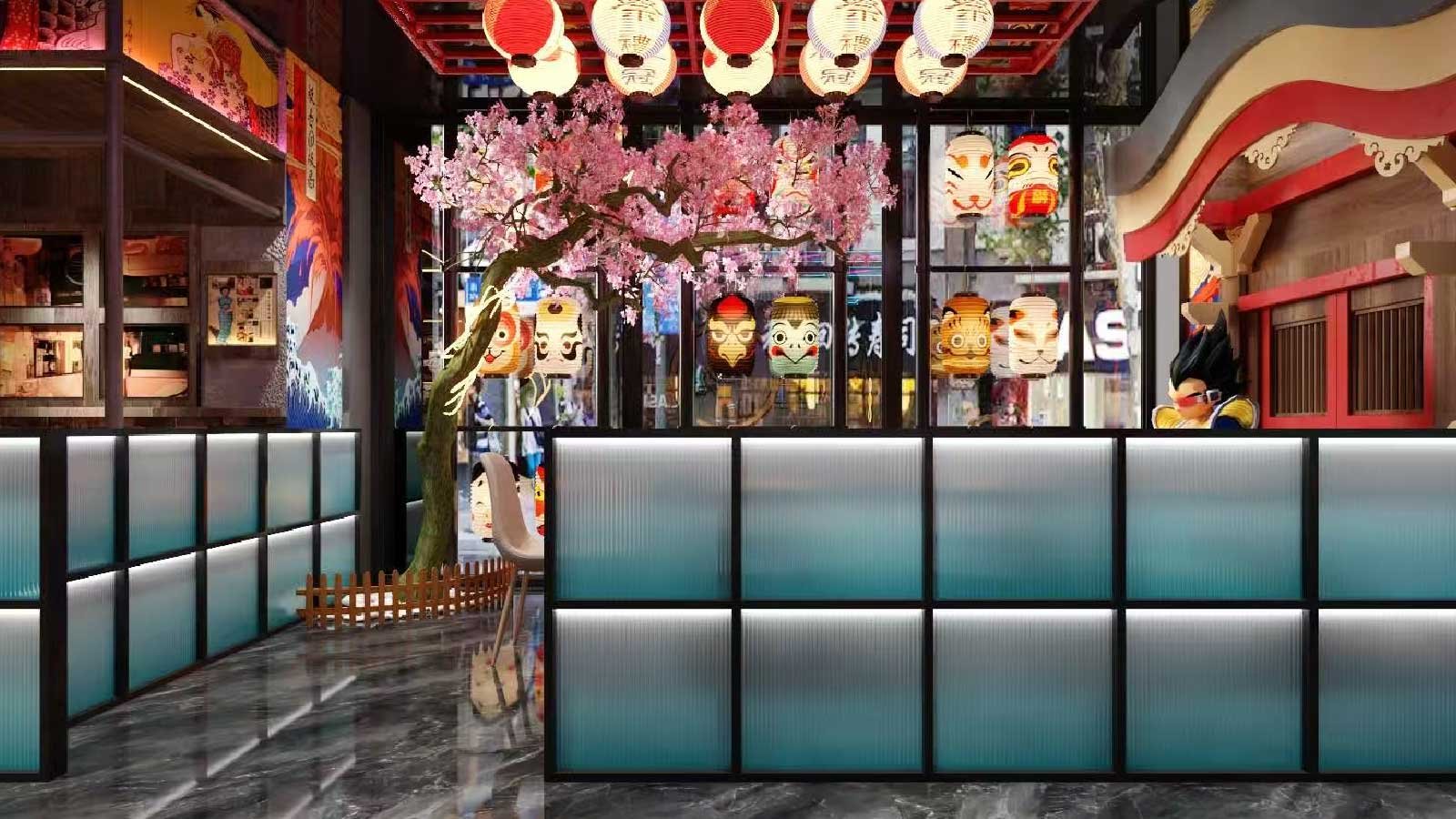
Japanese Noodle Culture in an Emilia-Romagna Context
Forlì is not a city that typically appears in conversations about ramen. Its dining identity is anchored in Romagna's pasta tradition: hand-rolled sfoglia, tagliatelle dressed simply with local ragù, and the kind of cooking that has defined this corridor between Bologna and the Adriatic for centuries. Against that backdrop, a ramen counter operating inside a shopping complex represents something worth examining, not as an anomaly, but as evidence of how Japanese noodle formats have moved into Italian provincial cities over the past decade.
The spread of ramen through Italy's mid-sized urban centres has followed a recognisable pattern. Larger cities absorbed the format first, with dedicated counters appearing in Milan and Rome in the early 2010s. By the mid-2010s, the format had filtered into regional capitals, then into smaller cities with university populations or commuter demographics that support casual international dining. Forlì, with its university and its position on the Via Emilia, fits that second wave of adoption.
Ristorante MIC Ramen Forlì operates from within Centro Commerciale I Portici on Via Guido Bonali, a setting that places it firmly in the casual, accessible tier of the city's eating options rather than the destination dining bracket occupied by places like Benso or Templarè.
What Shopping Centre Ramen Actually Means
Italian ramen in a retail context deserves a different evaluative framework than a specialist counter you'd seek out in Tokyo or even Rome. The question is not whether it competes with the broth-obsessed operations at venues like Atomix in New York or the sourcing rigour of Italy's leading dining addresses such as Osteria Francescana in Modena. The relevant question is what it does within its actual category: affordable, accessible, casual Japanese food in a provincial Italian city where the alternative lunch options lean heavily towards pizza, sandwiches, and piadina.
Shopping centre dining in Italy has historically been an underserved category. The format tends toward pizza chains and fast-casual pasta operations. A ramen offering in this environment functions as genuine category diversification for the local eating population, particularly for younger diners and those with a preference for something other than the Romagna canon.
That canon, it should be noted, is formidable. Forlì sits at the heart of a food region where the ingredient sourcing traditions are some of Italy's most documented. The Romagna table draws on local wheat for pasta, on pigs raised specifically for the cured meat traditions that define the area, and on vegetables grown in the Po Valley agricultural belt. For the restaurants working directly in that tradition, places like Trattoria 'petito and Casa Rusticale dei Cavalieri Templari, ingredient provenance is not a marketing point but a structural feature of the cooking.
Ingredient Sourcing in the Ramen Format
The sourcing question is where ramen in Italy gets genuinely interesting from a food culture perspective. Traditional Japanese ramen relies on ingredients that have no Italian equivalent: specific pork bone preparations, Japanese soy, mirin, particular noodle flour ratios calibrated for alkaline cooking. Italian operators working in this format face a choice between importing the core components, which increases cost and reduces the case for the casual price tier, or adapting with locally available substitutes, which changes the character of the broth.
Across Italy's regional ramen operations, this tension has produced a spectrum of outcomes. Some counters commit to imported Japanese components, positioning themselves as authenticity-first with corresponding price points. Others work with Italian pork, local aromatics, and adapted soy products to produce something that reads as ramen but carries a distinct regional inflection. Particularly interesting versions of this second approach have emerged in Emilia-Romagna specifically, where the local pork tradition (same animals, different preparation) creates a natural bridge between Japanese tonkotsu logic and Romagna charcuterie culture.
What can be said is that the broader regional context makes Emilia-Romagna a more interesting location for this kind of experiment than many parts of Italy, precisely because the local ingredient base is strong enough to support adaptation rather than simple import.
Where MIC Ramen Fits in Forlì's Dining Picture
Forlì's dining scene is smaller than Bologna's but more coherent than its size might suggest. The city supports a set of modern cuisine addresses alongside its traditional trattorias, and the gap between casual eating and destination dining is reasonably well-populated. MIC Ramen occupies the casual end of that range, in a format and location that requires no booking, no particular dress consideration, and no significant time commitment.
For travellers spending time in Emilia-Romagna on a broader circuit, moving between Osteria Francescana in Modena and coast-side stops near Uliassi in Senigallia, or building an itinerary around Italy's serious dining addresses like Le Calandre in Rubano or Dal Pescatore in Runate, Forlì reads as a day-stop rather than a destination. In that context, a quick, low-commitment lunch at a ramen counter is a practical option rather than a culinary priority. The city's more considered dining choices, including Benso and the traditional Romagna format at Trattoria 'petito, deserve more of a traveller's time and attention.
For visitors specifically interested in tracking how Japanese food formats adapt across European provincial cities, however, MIC Ramen is precisely the kind of data point worth checking. The Centro Commerciale I Portici location on Via Guido Bonali, 47122 Forlì, is direct to reach from the city centre. Reservations are recommended.
Comparable Spots, Quickly
Comparable venues nearby, for context on price, style, and recognition.
| Venue | Cuisine | Price | Awards | Notes |
|---|---|---|---|---|
| Ristorante MIC Ramen ForlìThis venue — the venue you are viewing | Authentic Japanese Ramen | $$ | Not listed | Not listed |
| Templarè | Traditional Romagna Trattoria | $$ | Not listed | Viale Bologna |
| Casa Rusticale dei Cavalieri Templari | Modern Emilian Italian | $$ | Michelin Plate | :null |
| Trattoria 'petito | Romagnola Trattoria | $$ | Michelin Plate | centro storico |
| Benso | Modern Italian Contemporary Bistro | $$$ | Michelin Plate | centro storico |
| Crazy Tuna Tropical sushi | Tropical Sushi Fusion | $$ | Not listed | outskirts |
Continue exploring
More in Forlì
Restaurants in Forlì
Browse all →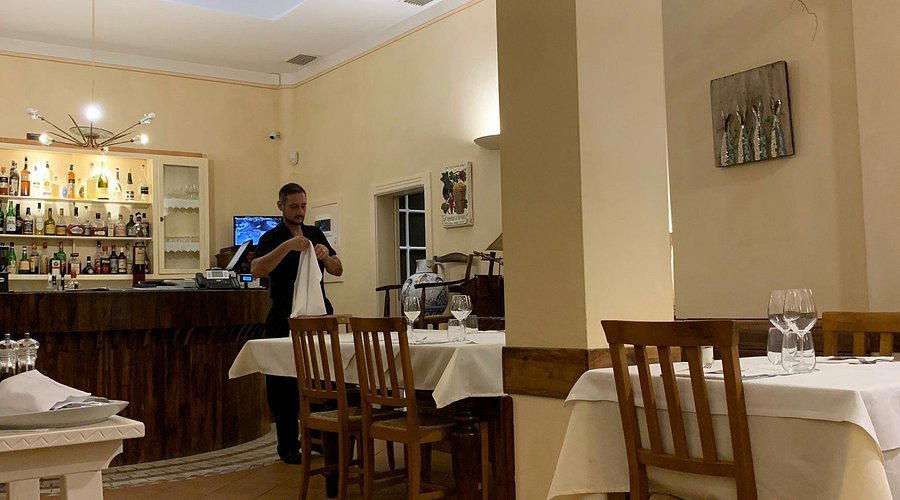
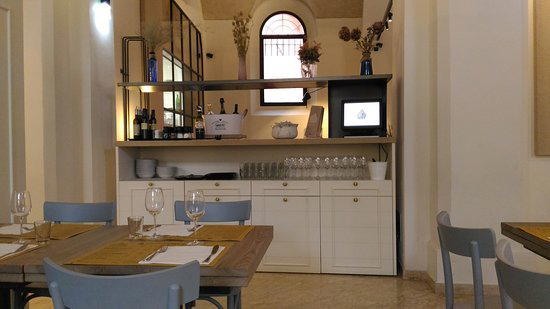
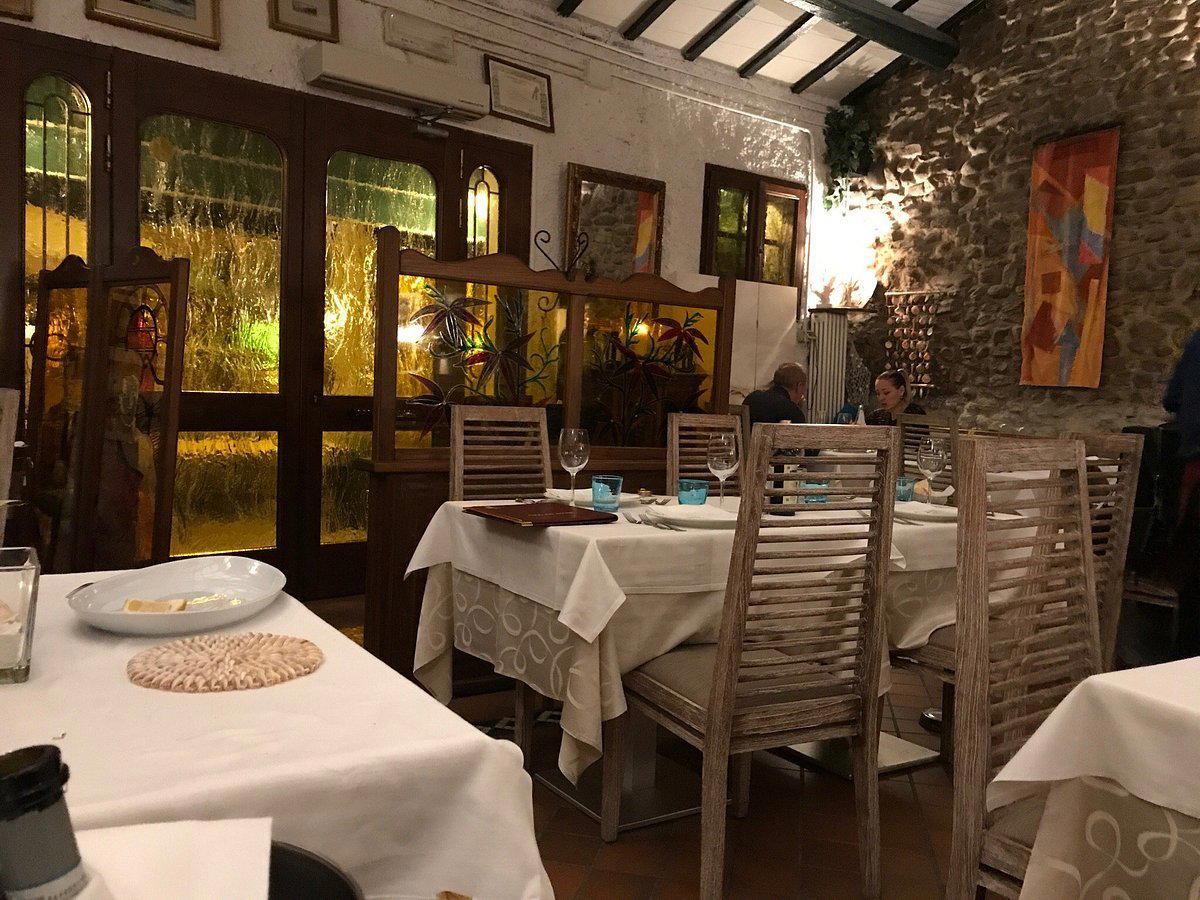
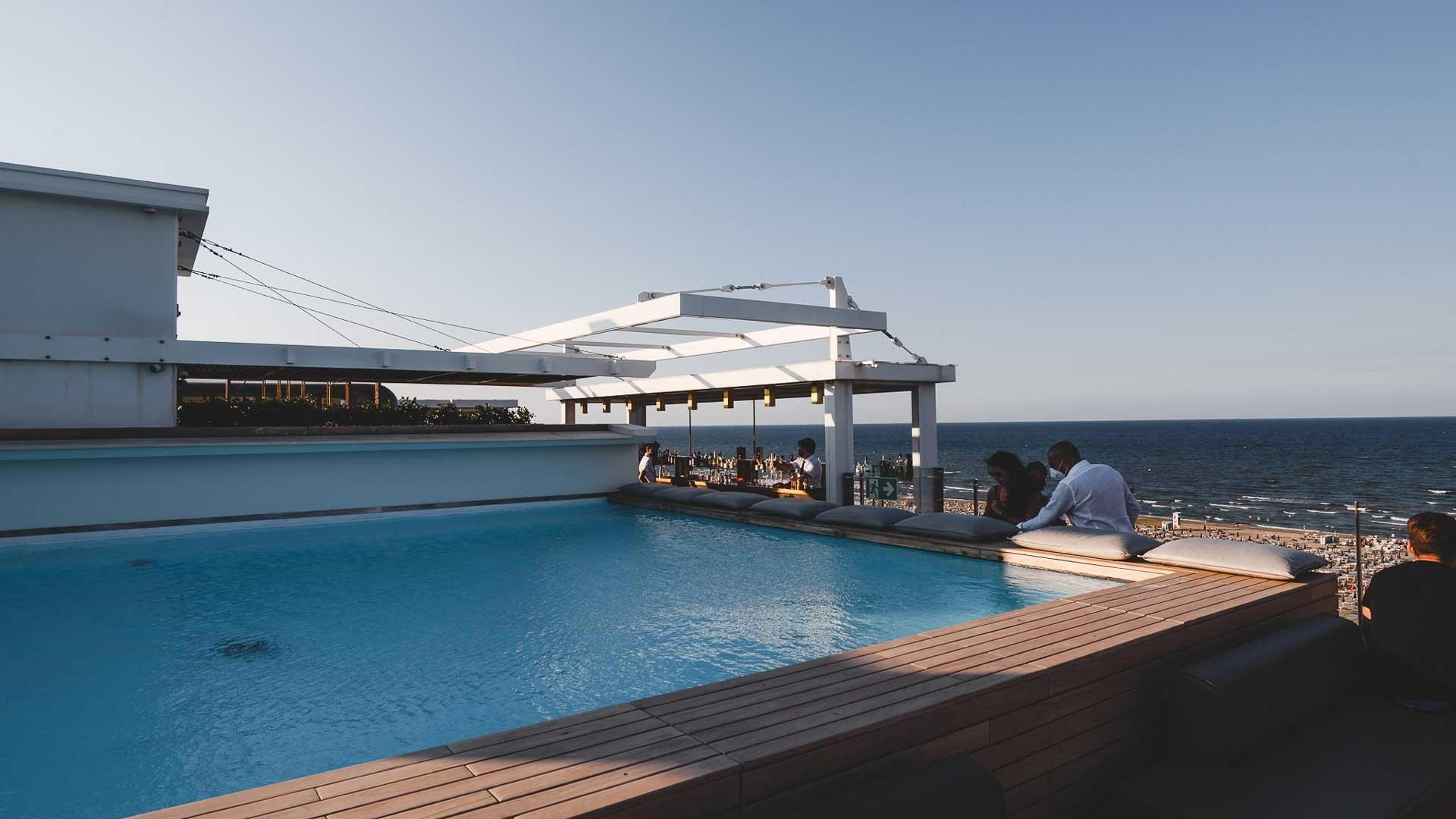
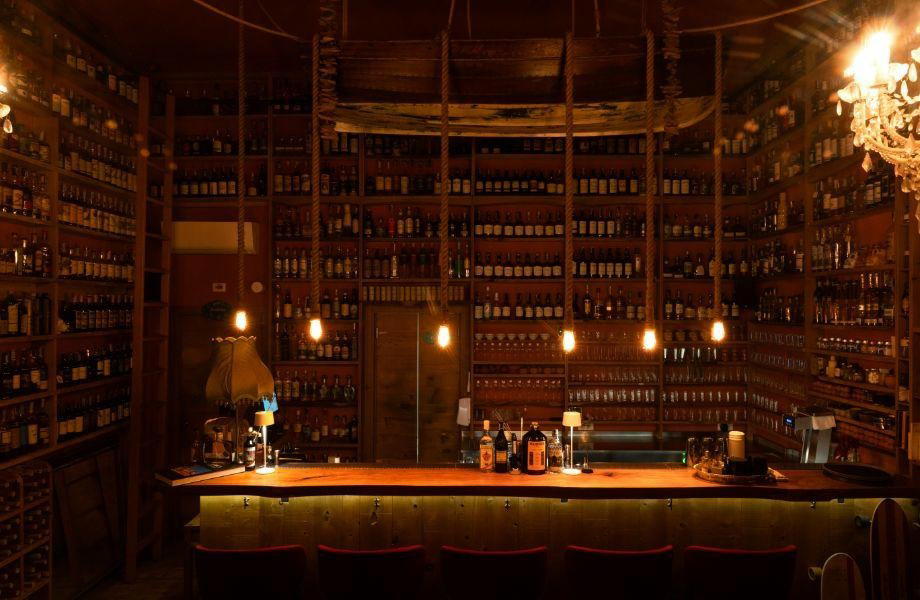

At a Glance
- Minimalist
- Cozy
- Casual Hangout
Current opening hours
- Monday
- 12–3 PM, 7–11 PM
- Tuesday
- 12–3 PM, 7–11 PM
- Wednesday
- 12–3 PM, 7–11 PM
- Thursday
- 12–3 PM, 7–11 PM
- Friday
- 12–3 PM, 7–11 PM
- Saturday
- 12–3 PM, 7–11 PM
- Sunday
- 12–3 PM, 7–11 PM
Hours can change for holidays and private events. Last verified .
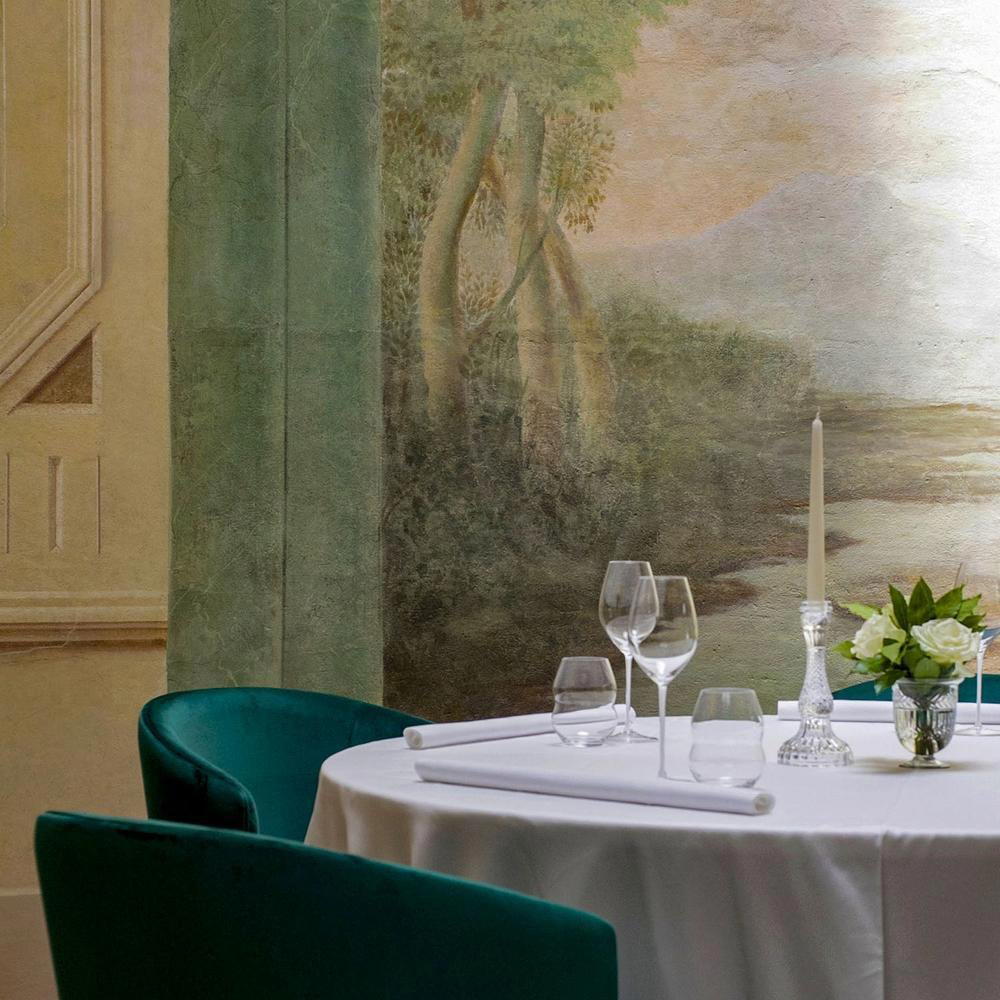
Minimalist yet cozy interior conducive to pleasant conversation.