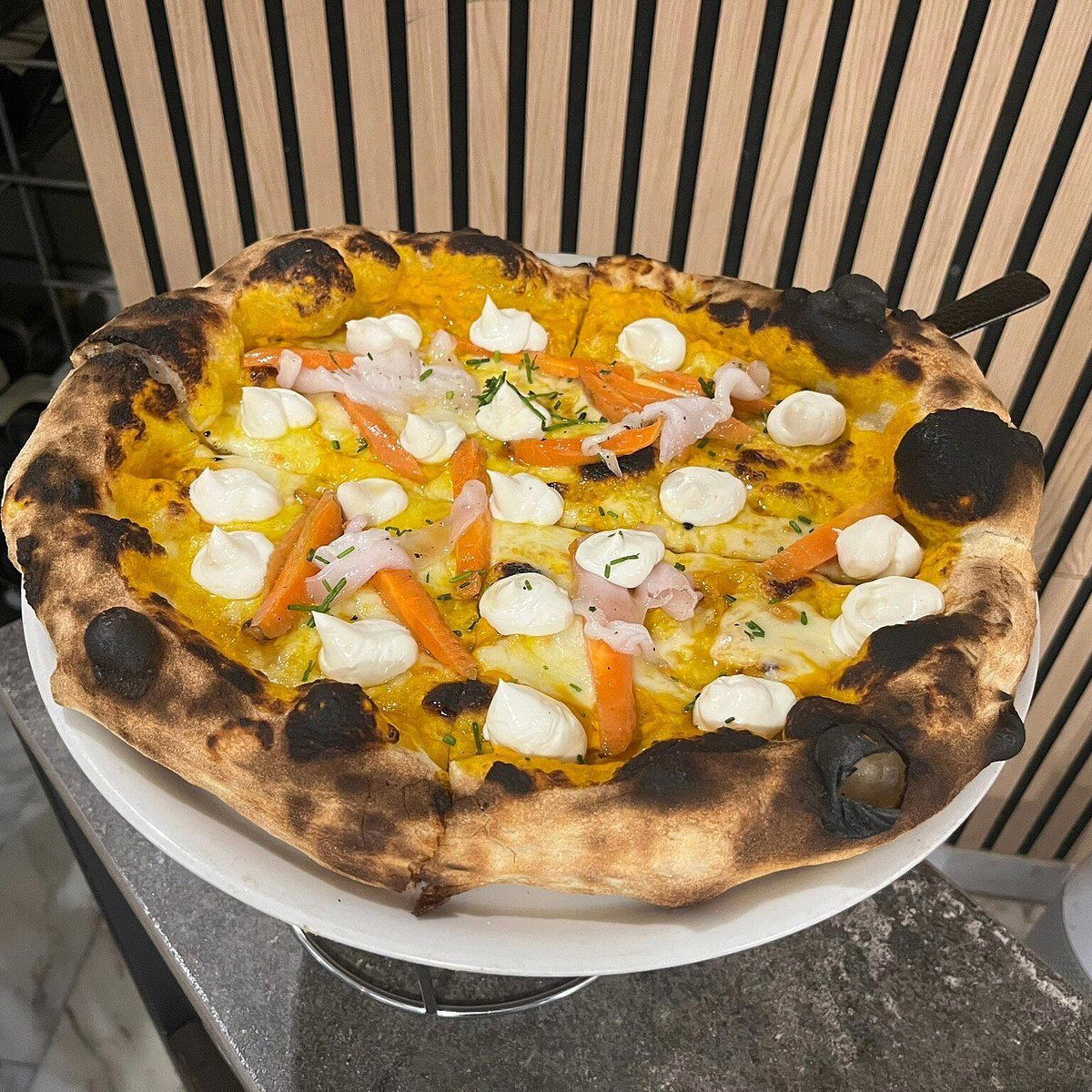
On Frosinone's main commercial artery, Teglia D'autore works within a regional tradition that prizes what the Ciociaria hinterland produces over what trends dictate. The name references the teglia, a baking dish central to central Italian cooking, and the kitchen's approach follows that signal: produce-led, place-specific, and resistant to the kind of menu drift that flattens regional character. A considered address for those tracing serious provincial cooking in Lazio's southern interior.
Pearl is the En Primeur Club membership app — saves, bookings, and concierge access live there. Same editors, same standards.
- Address
- Corso della Repubblica, n36, 03100 Frosinone FR, Italy
- Phone
- +39775960910
- Website
- m.facebook.com
- Directions
- Get directions
 Saves & bookings on Pearl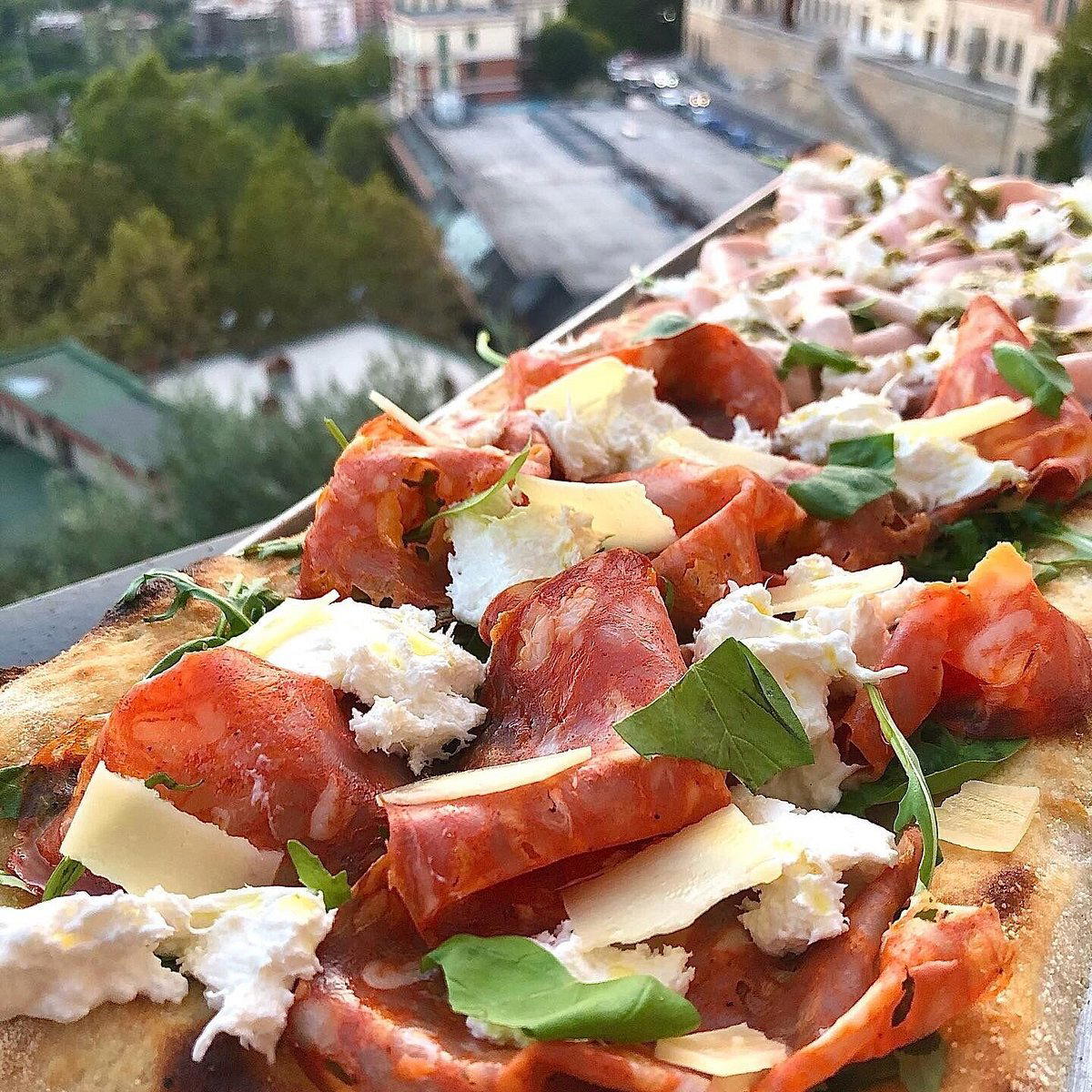
Frosinone and the Case for Provincial Seriousness
The restaurants that do much to preserve regional cooking rarely operate in capitals. In the southern Lazio province of Frosinone, the Ciociaria territory has a distinct food identity shaped by the Apennine foothills: charcuterie traditions, sheep's milk cheeses, legumes grown at altitude, and a baking culture that predates any national trend toward wood-fired anything. Teglia D'autore is a casual, walk-in-friendly restaurant in Frosinone, serving Traditional Ciociaria Pizza & Regional Italian on Corso della Repubblica. The teglia, a wide shallow baking vessel, is the functional object around which much of this region's communal cooking has historically been organised. Naming a restaurant after it is a positioning statement as much as anything else.
Frosinone sits roughly 80 kilometres southeast of Rome, close enough that its food producers have supplied the capital for generations, yet far enough that local cooking has retained its own grammar. That gap matters. The leading provincial restaurants in Italy often operate in this kind of productive tension: well-connected to a wider culinary conversation, but rooted in sourcing relationships and preparation methods that a Rome-facing address would have long since abandoned in favour of accessibility.
What the Ciociaria Supplies and Why It Matters
The editorial angle on any serious provincial Italian kitchen begins with what the surrounding territory actually produces. The Ciociaria is not a celebrated terroir in the way that, say, the Langhe or the Amalfi coastline are, but it supplies ingredients that carry real provenance. Pecorino from the hill communes, lentils from the Castelluccio-adjacent microclimate, pork from small operations that still practice seasonal slaughter, and dried legumes that take on a different character at altitude than anything available at a wholesale distributor. These are the materials around which a kitchen named for a baking dish should logically build its offer.
Italy's conversation about ingredient sourcing has, over the past decade, become dominated by the starred end of the market. Restaurants like Atelier Moessmer Norbert Niederkofler in Brunico, Piazza Duomo in Alba, and Reale in Castel di Sangro have built internationally recognised programs around hyper-local sourcing. But the more durable version of that commitment often plays out at the neighbourhood and provincial level, where there is no awards infrastructure to justify the effort and the sourcing decisions are made purely on culinary grounds. Frosinone does not have the critical infrastructure of Modena, where Osteria Francescana operates, or Florence, where Enoteca Pinchiorri has decades of institutional recognition behind it. What it has is proximity to producers and a food culture that has not required external validation to sustain itself.
The Address and What It Signals
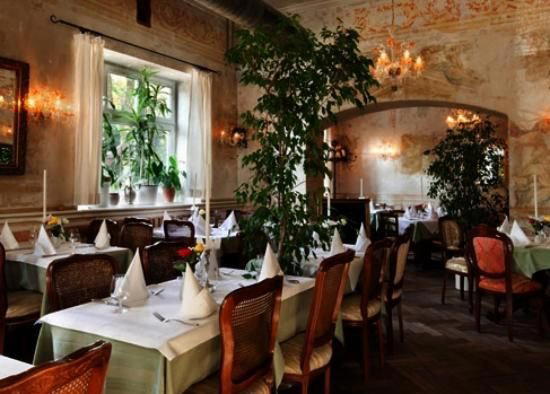
Corso della Repubblica is Frosinone's principal commercial corridor, a broad avenue that functions as the civic and commercial spine of the upper town. A restaurant here occupies a visible, accessible position rather than a tucked-away one, which shapes both the clientele and the register of the cooking. This is not a destination-only address aimed at visitors arriving from Rome for a single meal. The cooking at a restaurant in this position needs to work for regulars, for lunch as much as dinner, and for the kind of occasion that ranges from a working meal to a family celebration. That range, when handled well, produces a more grounded kind of restaurant than the tightly focused tasting-menu format that has come to dominate the coverage of Italian fine dining at places like Le Calandre in Rubano or Da Vittorio in Brusaporto.
Another Frosinone address worth cross-referencing is Luca, which operates in the same city and represents a point of comparison for understanding the breadth of what serious cooking in this provincial context looks like.
Provincial Cooking in a National Conversation
The broader Italian restaurant conversation in 2024 and 2025 has returned, with some insistence, to the question of what regional identity actually means when filtered through a contemporary kitchen. The risk of homogenisation is real: the same fermentation vocabulary, the same plating geometry, the same sourcing rhetoric, applied in Frosinone as in Milan, in Senigallia as in Rome. Uliassi in Senigallia and Dal Pescatore in Runate each demonstrate, in different registers, that deep regional rootedness and technical ambition are not mutually exclusive. The more interesting question at provincial level is whether a kitchen resists the pull toward a generic contemporary-Italian idiom in favour of something that could only come from its specific location.
The teglia as a concept is instructive here. It implies communal scale, slow cooking, and the kind of preparation that cannot be rushed into a single portion without losing something. Whether a kitchen named for that object holds to those implications across its full offer is the critical question, and one that requires visiting rather than reading about.
Planning Your Visit
Teglia D'autore is located at Corso della Repubblica 36 in Frosinone's upper town, reachable by train from Rome Termini in approximately 75 minutes on the regional line toward Cassino, with the station sitting in the lower town and the corso accessible by a short uphill walk or taxi. Frosinone's upper town has limited hotel infrastructure, making this a natural day-trip from Rome or an overnight stop when combining it with other addresses in the southern Lazio and northern Campania corridor, which includes Quattro Passi in Marina del Cantone further south. Teglia D'autore is open Tuesday to Friday from 11 AM to 2:30 PM and 5 to 10 PM, Saturday from 5 PM to midnight, and Sunday from 5 to 11:30 PM; it is closed Monday. Casa Perbellini 12 Apostoli in Verona, Villa Crespi in Orta San Giulio, and La Pergola in Rome the restaurant sits in the €€ price tier, with an average spend of about $20 per person. Le Bernardin in New York City or Atomix in New York City, both of which anchor the sourcing-forward conversation at a different scale and price point, and Enrico Bartolini in Milan for the Italian creative tier at its most decorated.
Comparison Snapshot
Comparable venues nearby, for context on price, style, and recognition.
| Venue | Cuisine | Price | Notes |
|---|---|---|---|
| Teglia D'autoreThis venue — the venue you are viewing | Traditional Ciociaria Pizza & Regional Italian | $$ | Not listed |
| Luca! | Creative Neapolitan Pizza | $$ | Frosinone |
| Arso Trattoria Moderna | Traditional Roman Trattoria | $$ | .null |
| Fradiavolo Roma Parioli | Contemporary Italian Pizzeria | $$ | Salario |
| Er Faciolaro | Classic Roman Trattoria | $$ | Colonna |
| Osteria Navona | Traditional Roman Osteria | $$ | Ponte |
Continue exploring
More in Frosinone
Restaurants in Frosinone
Browse all →
Hotels in Frosinone
Browse all →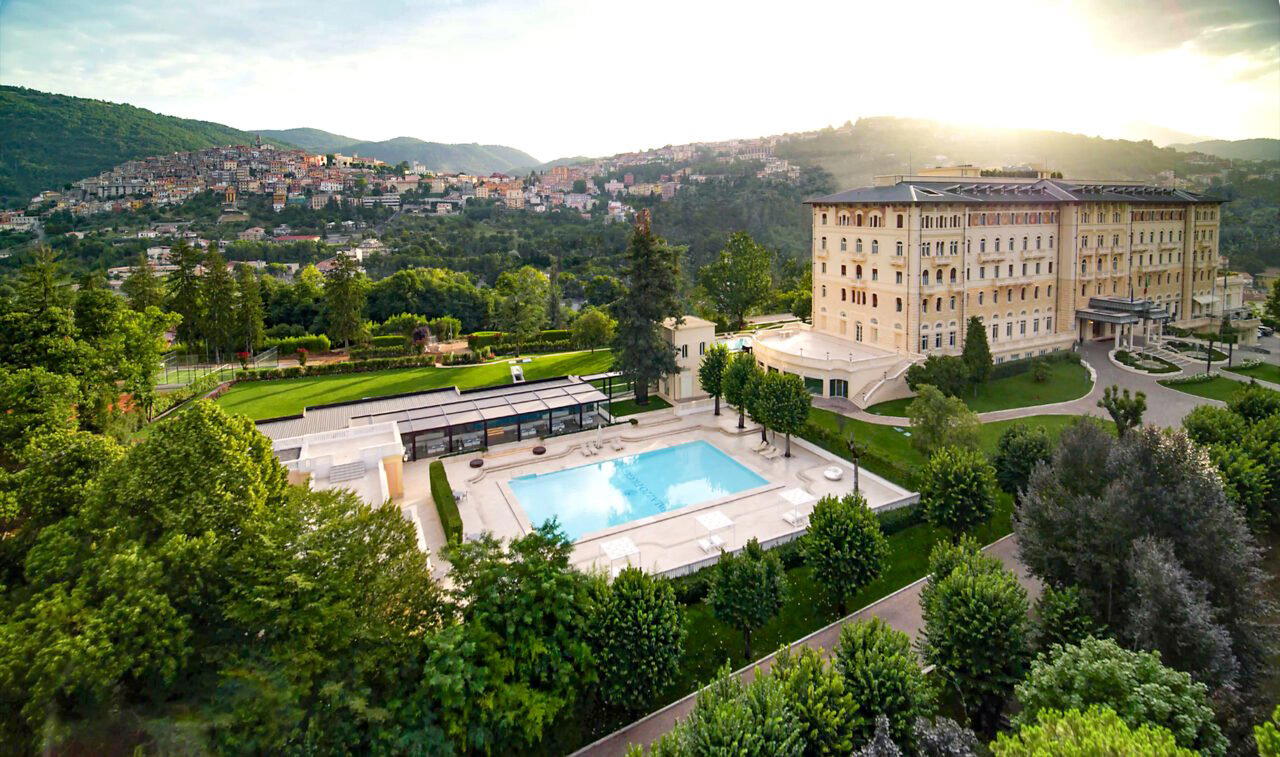

At a Glance
- Rustic
- Classic
- Cozy
- Casual Hangout
- Group Dining
- Family
- Live Music
- Local Sourcing
Current opening hours
- Monday
- Closed
- Tuesday
- 11 AM–2:30 PM, 5–10 PM
- Wednesday
- 11 AM–2:30 PM, 5–10 PM
- Thursday
- 11 AM–2:30 PM, 5–10 PM
- Friday
- 11 AM–2:30 PM, 5–10 PM
- Saturday
- 5 PM–12 AM
- Sunday
- 5–11:30 PM
Hours can change for holidays and private events. Last verified .
Casual neighborhood setting on Frosinone's main commercial street, welcoming and unpretentious with focus on authentic provincial cooking.