
Black Pearl 1 Diamond
Our verdict
Tea House at the Park Hyatt Sanya Sunny Bay Resort holds a Black Pearl 1 Diamond award (2025), placing it among the most formally recognised Chinese restaurants on Hainan island. Set within one of Sanya's resort addresses, the restaurant brings a tea-house tradition to a coastal setting where that kind of cultural precision is still rare. Book ahead and arrive with time to spare.

Pearl is the En Primeur Club membership app, where members save venues, book tables and use the concierge.
The menu
What to order
- Tea-Smoked Chicken
- Cantonese Dim Sum
- Claypot Braised Pork Belly
Chinese Tea-House Dining in a Resort City Still Finding Its Fine-Dining Register
Sanya occupies an unusual position in China's dining map. The city draws the kind of domestic and international leisure traveller who expects resort-grade hospitality, yet its fine-dining infrastructure has historically lagged behind its hotel stock. Most of Hainan's celebrated cooking lives in private clubs, resort dining rooms, and a thin tier of formally recognised restaurants that have, in recent years, started attracting serious awards attention. Tea House at the Park Hyatt Sanya Sunny Bay Resort belongs to that upper tier. Its 2025 Black Pearl 1 Diamond recognition places it in identifiable company: the Black Pearl Guide, operated by Meituan Dianping, functions as China's most widely cited domestic restaurant awards programme, and a 1 Diamond designation signals a kitchen operating at a standard comparable to the lower rungs of international starred dining.
The name is the first thing worth taking seriously. Tea-house culture in China is not simply a style of service; it is a structural approach to the meal, rooted in the idea that the table is a place for slow, iterative eating rather than sequential courses. The tradition connects Cantonese yum cha conventions to older literati practices of pairing tea with small, precisely made food. In a coastal resort environment, that culture is often softened into something more decorative than functional. Whether Tea House here maintains the depth of that tradition is a question the Black Pearl committee apparently answered affirmatively.
To understand what a Black Pearl 1 Diamond means in practice, it helps to look at comparable restaurants across the country. Xin Rong Ji (Xinyuan South Road) in Beijing and Xin Rong Ji in Chengdu represent the kind of regional Chinese cooking that earns sustained formal recognition by staying precise about provenance and technique. Ru Yuan in Hangzhou and Dingshan·Jiangyan (Xiangcheng) in Suzhou show how Jiangnan culinary traditions have been reframed for formal dining rooms. 102 House in Shanghai and Chef Tam's Seasons in Macau occupy similar award tiers within their respective cities. What links all of them is a commitment to a specific culinary identity rather than a generic interpretation of Chinese cuisine for an international audience.
Tea House's position within Sanya is arguably more significant than its national peer comparisons suggest. The city does not yet have the density of award-holding Chinese restaurants that Guangzhou, Hangzhou, or even Xiamen can offer. Imperial Treasure Fine Chinese Cuisine in Guangzhou operates in a market where the Cantonese dining tradition has decades of formal recognition behind it. Fleurs Et Festin in Xiamen and Jiangnan Wok·Rong in Fuzhou each sit in cities with more established fine-dining cultures than Hainan's resort corridor. Tea House's recognition, in that context, carries specific local weight.
For those interested in the wider Sanya dining scene, Fresh represents a different approach to resort dining on the island. Our full Sanya restaurants guide maps the broader picture.
The Cultural Architecture of the Tea-House Meal
The tea-house format, when taken seriously, demands a different kind of attention from the diner. It is not structured around a chef's imposed progression of courses in the way that a tasting menu at, say, Atomix in New York City or Le Bernardin in New York City would be. Instead, it tends toward a negotiated rhythm: tea poured at intervals, food arriving in response to the table's pace, a back-and-forth between the kitchen and the guests that requires the service team to read the room rather than execute a predetermined script. That kind of service demands genuine hospitality intelligence, and it is one of the things the Black Pearl assessment process weights alongside kitchen quality.
In Sanya's resort context, the tea-house structure also makes cultural sense. The city's high season runs from roughly October through April, when mainland visitors and international tourists from across Southeast Asia arrive to escape cooler temperatures. That demographic includes a large proportion of guests who understand tea-house culture from their own regional traditions, and a smaller but growing international visitor base encountering it for the first time. A restaurant that executes the format with rigour serves both audiences simultaneously, which is no small operational achievement.
The connection to Dai Yuet Heen in Nanjing is worth noting in this context: Cantonese-rooted restaurants operating outside their traditional geographic base have consistently had to make a case for their authenticity through precision, and the award record of restaurants in that position tends to reflect that extra burden of proof.
Planning a Visit to Tea House
Tea House is located at 5 Sunny Bay Road within the Park Hyatt Sanya Sunny Bay Resort. As a hotel restaurant with a formal awards profile, it draws both hotel guests and outside visitors, and the balance between the two will affect table availability during peak resort periods. Sanya's high season, concentrated between November and March, is when demand across the city's better restaurants tightens most significantly. Booking ahead is the sensible approach for this period, particularly for dinner, when award-holding hotel restaurants in resort destinations tend to fill well in advance.
For visitors building a wider itinerary around Sanya, the city's hospitality offer extends well beyond the dining room. Our full Sanya hotels guide, our full Sanya bars guide, our full Sanya wineries guide, and our full Sanya experiences guide cover the broader context.
Frequently asked questions
Is Tea House · Park Hyatt Sanya Sunny Bay Resort suitable for children?
Tea House holds a Black Pearl 1 Diamond (2025), which signals a formal dining register more aligned with adult occasions. The tea-house format, built around measured pacing and deliberate courses, suits guests who can engage with that rhythm. Families travelling with older children who are comfortable in composed dining settings will find it more manageable than those with young children.
What should I expect atmosphere-wise at Tea House · Park Hyatt Sanya Sunny Bay Resort?
Tea House sits within the Park Hyatt Sanya Sunny Bay Resort at 5 Sunny Bay Road, and carries the composed, low-distraction tone that Black Pearl-recognised venues in China typically maintain. The tea-house format shapes the pace of the room: quieter, more deliberate, and structured around the ritual of the meal rather than ambient energy. It reads closer to a private dining house than a resort showcase restaurant.
Has Tea House · Park Hyatt Sanya Sunny Bay Resort won any awards?
Tea House · Park Hyatt Sanya Sunny Bay Resort has received recognition including: Black Pearl 1 Diamond (2025).
What's the must-try dish at Tea House · Park Hyatt Sanya Sunny Bay Resort?
Given the tea-house format and Black Pearl 1 Diamond standing, the experience is built around the progression of the meal rather than any single dish. Asking staff at the time of booking or arrival for the current signature preparations is the most reliable approach.
What's Tea House · Park Hyatt Sanya Sunny Bay Resort's location?
Tea House · Park Hyatt Sanya Sunny Bay Resort is located at 5 Sunny Bay Road, Sanya, Hainan, China, 572000, Sanya.
How hard is it to get a table at Tea House · Park Hyatt Sanya Sunny Bay Resort?
Tea House operates within the Park Hyatt Sanya Sunny Bay Resort, which means hotel guests have a natural booking channel through the concierge. As a Black Pearl 1 Diamond restaurant in a resort city with concentrated leisure demand, availability tightens around peak domestic travel periods, including national holidays and the winter high season when mainland visitors favour Hainan's climate. Booking ahead of arrival is advisable.
What is Tea House · Park Hyatt Sanya Sunny Bay Resort known for?
Tea House earned a Black Pearl 1 Diamond in 2025, placing it among the formally recognised fine-dining addresses in Sanya, a city where that designation carries weight given the resort-skewed competition. Its identity is grounded in the tea-house dining format, which treats the ceremony and sequencing of the meal as core to the experience rather than incidental to it.
Price and Positioning
Comparable venues nearby, for context on price, style, and recognition.
| Venue | Cuisine | Price | Awards | Notes |
|---|---|---|---|---|
| Tea House · Park Hyatt Sanya Sunny Bay ResortThis venue (the venue you are viewing) | Cantonese Tea House | Not listed | Black Pearl 1 Diamond | Not listed |
| Fresh | Modern Australian Seafood Grill | Not listed | Black Pearl 1 Diamond | Dadonghai, Modern Australian Seafood Grill |
| Dadong Roast Duck Restaurant (大董烤鸭店) | Dongcheng, Modern Peking Roast Duck | Not listed | Not listed | Not listed |
| Hangzhou House at Amanfayun | Refined Zhejiang Cuisine | $100–150 | Not listed | Xihu, Refined Zhejiang Cuisine |
| West Lake No.1 | Modern Chinese Fine Dining | $50–100 | Black Pearl 1 Diamond | Shangcheng District, Modern Chinese Fine Dining |
| Gastro Esthetics at DaDong(Beijing Nanxincang Branch) | Contemporary Fine-Dining Beijing Cuisine by DaDong | $100–150 | Black Pearl 2 Diamond | Dongcheng, Contemporary Fine-Dining Beijing Cuisine by DaDong |
Recognition history
Dated appearances from independent guides and award organizations, with the underlying list record or original source where available.
Black Pearl 1 Diamond
Black Pearl
Full recognition history (2 entries)
Black Pearl 1 Diamond
Black Pearl
Continue exploring
More in Sanya
Restaurants in Sanya
All restaurants in Sanya →
Bars in Sanya
All bars in Sanya →
Details
- Elegant
- Scenic
- Cozy
- Family
- Casual Hangout
- Special Occasion
- Hotel Restaurant
- Sake Program
- A La Carte
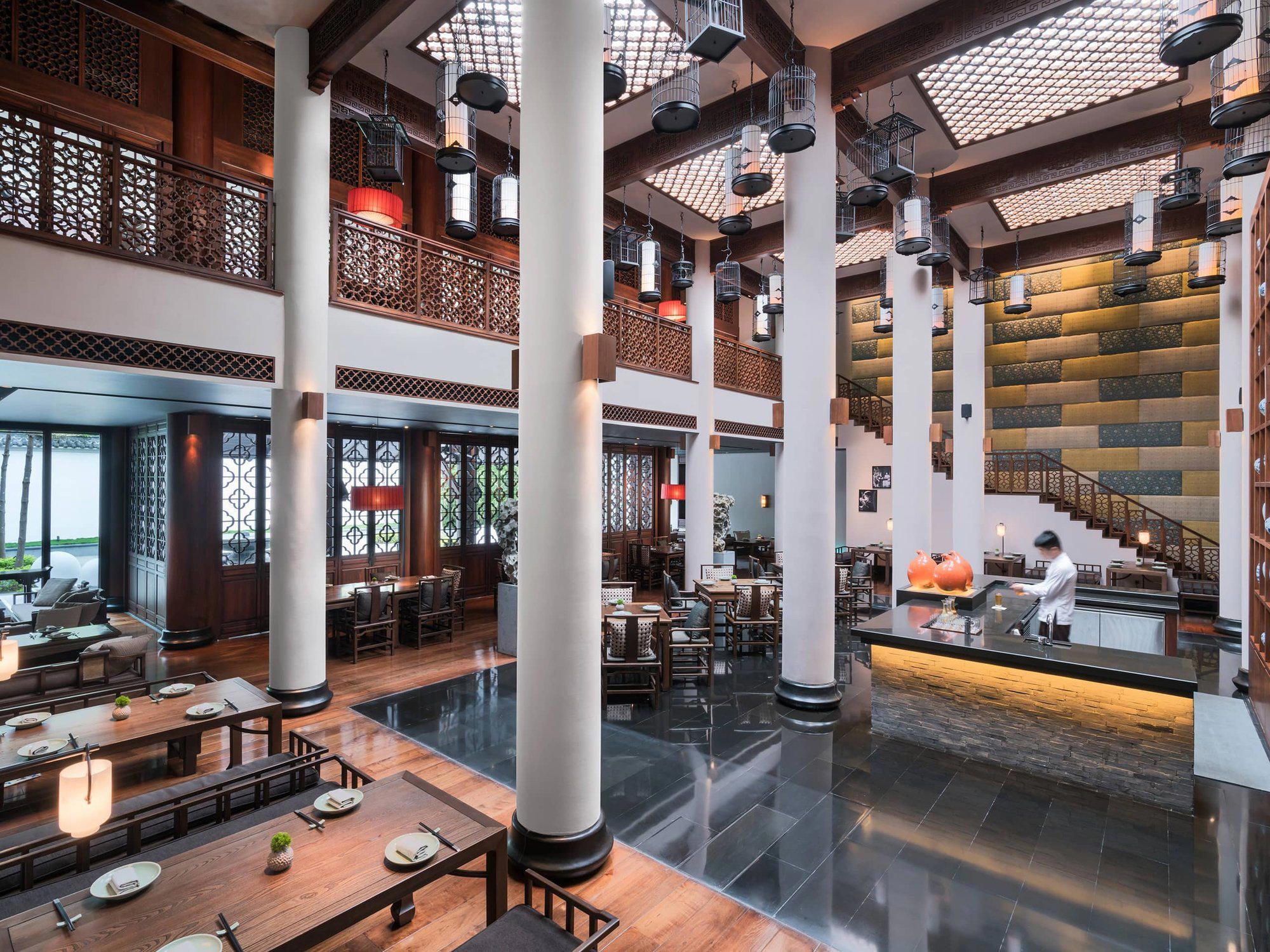
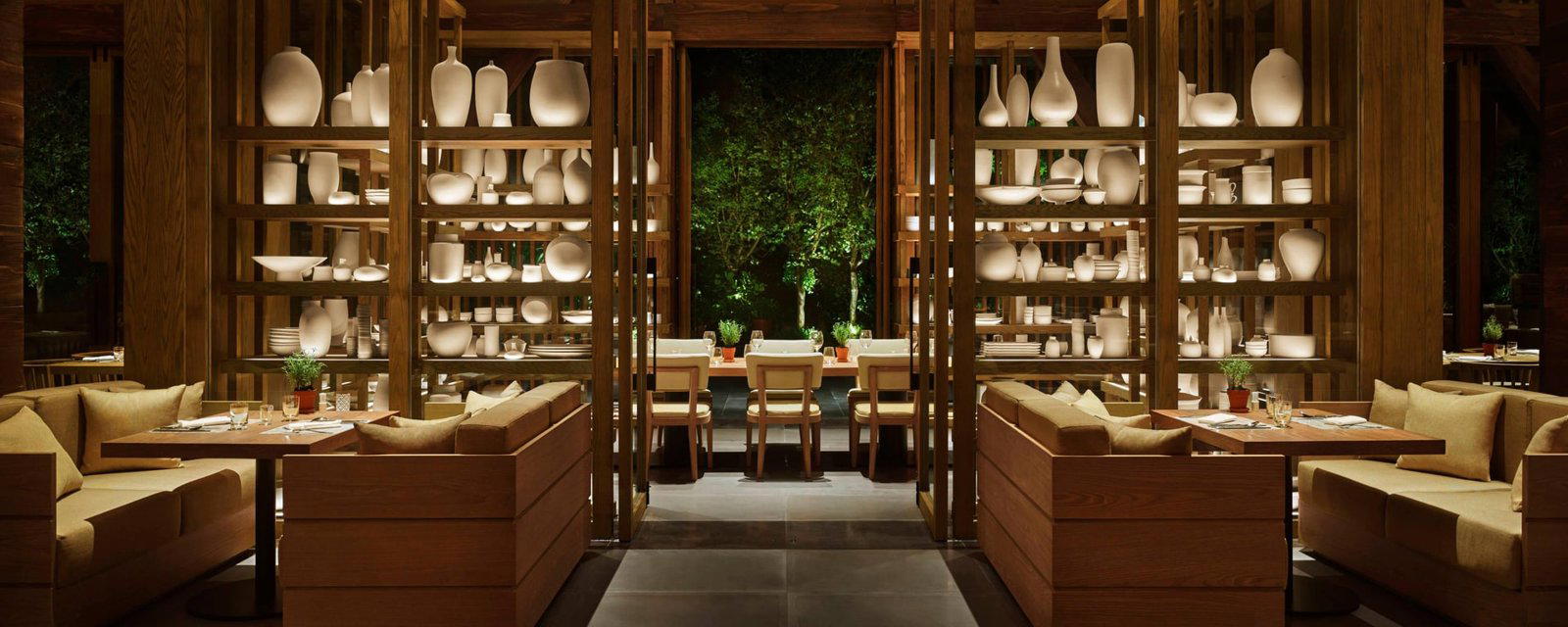
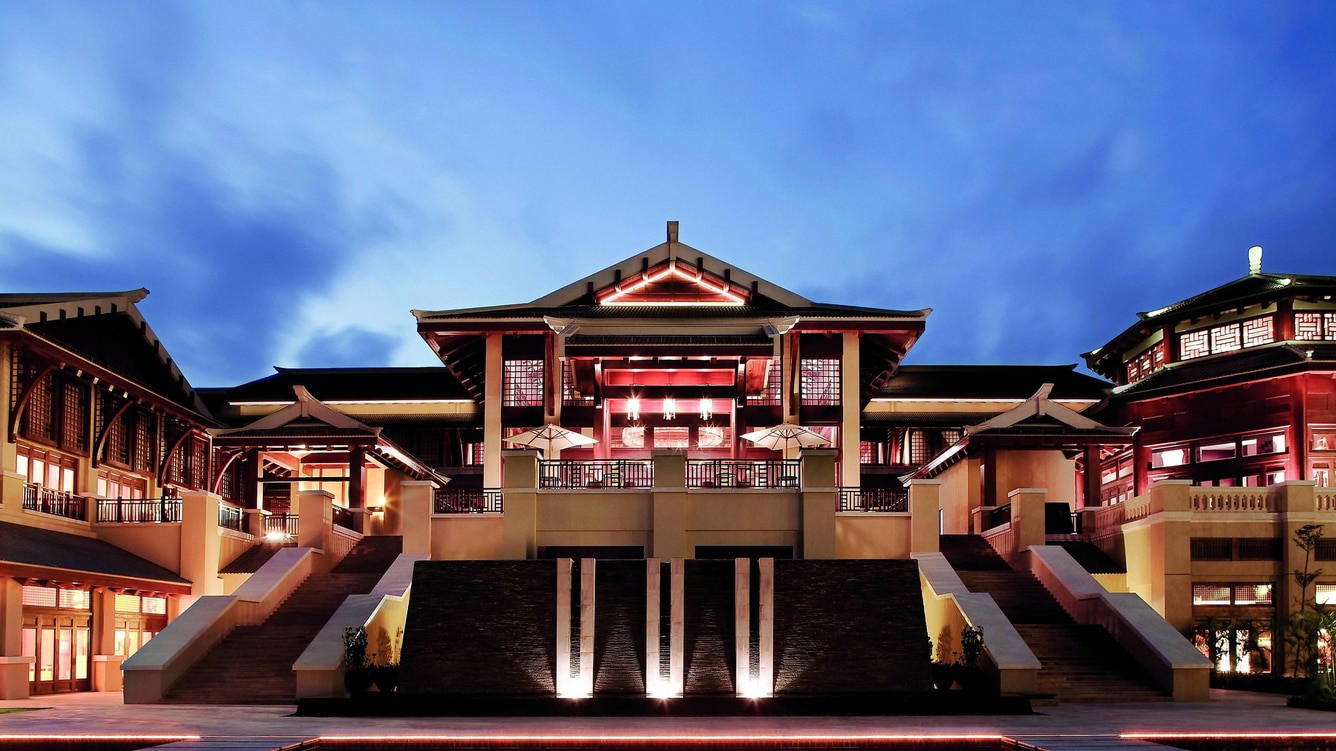
Light-filled space with natural daylight through high birdcage-filled ceiling, traditional roof tiles, and a restful, calm atmosphere blending ancient and modern elements.