


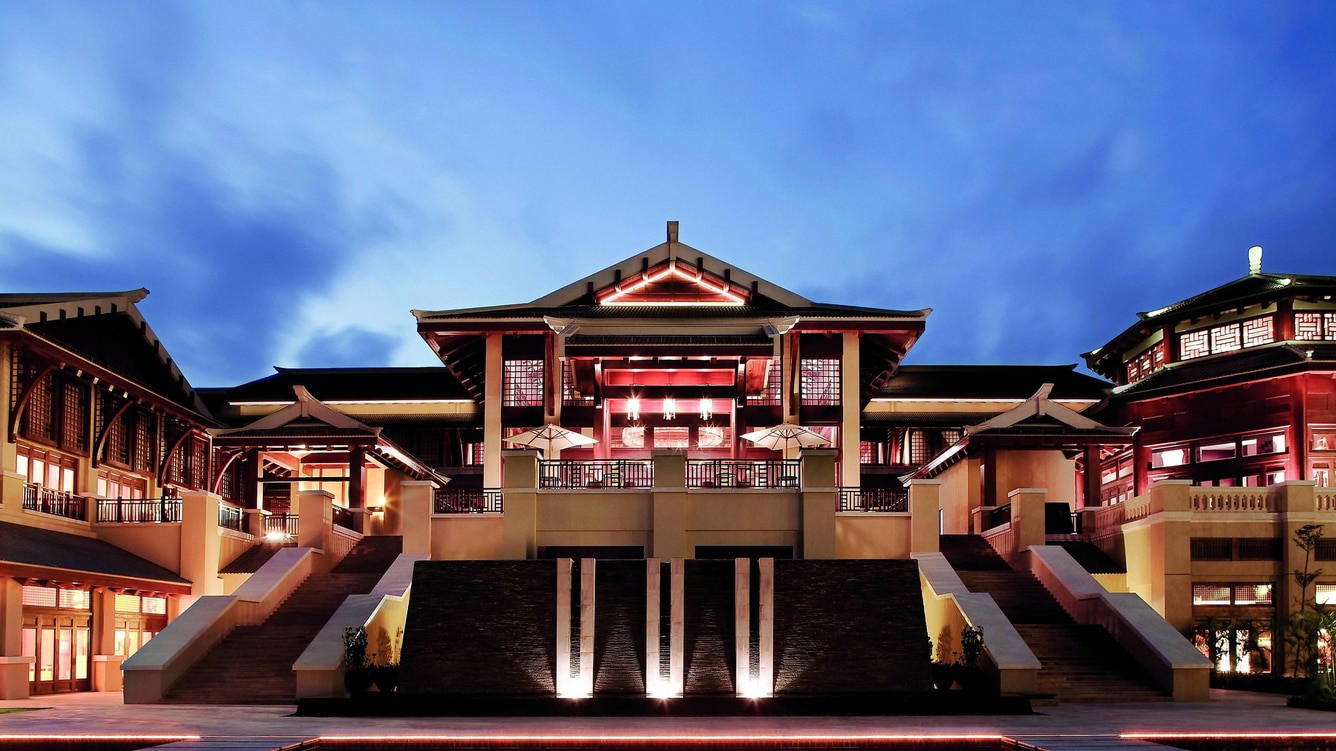
Set on Coral Bay along one of Hainan Island's most sheltered stretches of beach, Mandarin Oriental, Sanya spreads across 30 acres of beachfront property with guest rooms starting at 560 square feet. The property earned 93 points in the 2026 La Liste Top Hotels ranking and combines Hainanese and Cantonese dining at Yi Yang restaurant with an 18-treatment-room spa offering traditional Chinese medicine consultations.
Pearl is the En Primeur Club membership app — saves, bookings, and concierge access live there. Same editors, same standards.
- Address
- 12 Yuhai Road, 吉阳区三亚市海南省572000
- Phone
- +86 898 8820 9999
- Website
- mandarinoriental.com
- Directions
- Get directions
 Saves & bookings on Pearl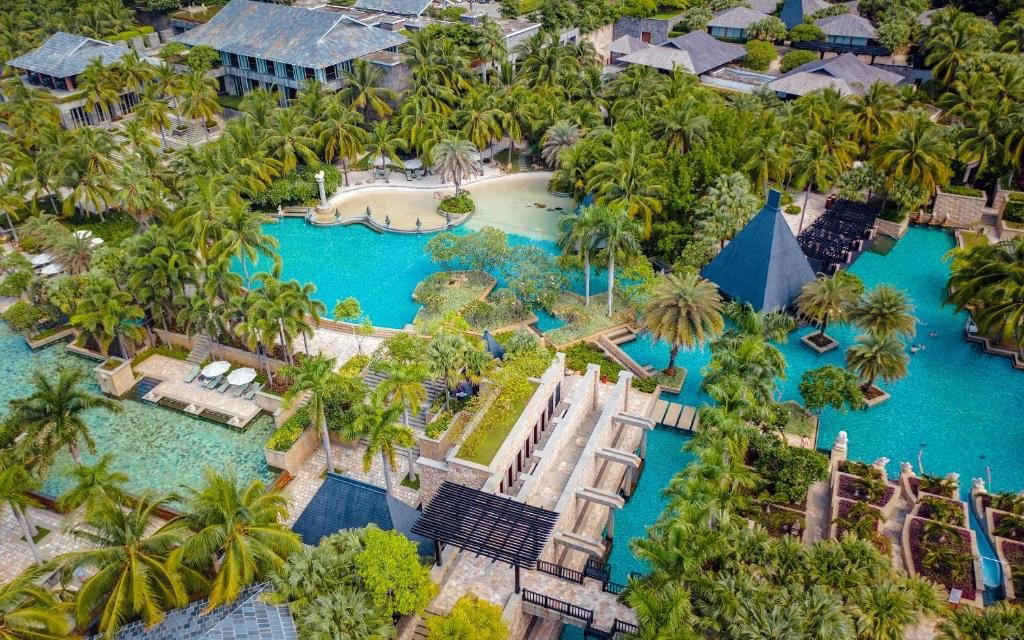
Coral Bay and the Case for Slowing Down
Hainan Island occupies an unusual position in China's resort geography. Positioned at the country's southernmost tip, roughly an hour's flight south of Hong Kong, it functions as the mainland's answer to a tropical escape, a place where the South China Sea replaces the city skyline and the agenda, if there is one, centres on water and warmth. Within that context, Sanya has become the island's principal resort city, drawing properties that compete on beachfront access, amenity depth, and the quality of the pause they can offer. Mandarin Oriental, Sanya sits on protected Coral Bay, one of the stretches of coastline that still justifies the comparison to more internationally prominent tropical destinations, and the property's 30 acres of beachfront give it a physical footprint that shapes everything else.
The Retreat Proposition
In China's premium resort tier, properties increasingly split between large-format entertainment complexes and quieter, wellness-oriented retreats. Atlantis Sanya represents the former model clearly, with waterparks, a casino-adjacent entertainment offering, and a deliberately maximalist approach to resort programming. Mandarin Oriental, Sanya sits in a different register entirely. The property's design logic, its scale, and its spa infrastructure all signal a retreat-first philosophy, where the point is decompression rather than stimulation.
That orientation shows up most clearly in the spa. Eighteen treatment rooms, hydrotherapy facilities, and a fitness centre form the technical core, but the programming extends further than most resort spas in the region. A traditional Chinese medicine doctor operates on-site, and tai chi and qi gong sessions are led by a practitioner trained in kung fu, giving the wellness offer a grounding in Chinese healing traditions that goes beyond the standard massage-and-facials menu. For travellers whose primary interest is a structured wellness stay rather than a beach holiday with spa access, that distinction matters. The Mandarin Oriental group's spa programme has been consistent across its portfolio, and the Sanya property reflects that discipline.
Comparable properties in Sanya approach wellness with varying depth. Banyan Tree Sanya has long positioned its spa as a signature asset, and the brand's Southeast Asian wellness heritage gives it credibility in that space. Rosewood Sanya brings a more contemporary wellness sensibility, while Park Hyatt Sanya Sunny Bay Resort emphasises design-led calm over programme depth. The Ritz-Carlton Sanya, Yalong Bay operates a more conventionally luxurious model. Among these, the Mandarin Oriental's integration of traditional Chinese medicine as a genuine clinical component, rather than an aesthetic flourish, gives it a specific edge for guests treating the stay as recuperation rather than reward.
Rooms Built for Stillness
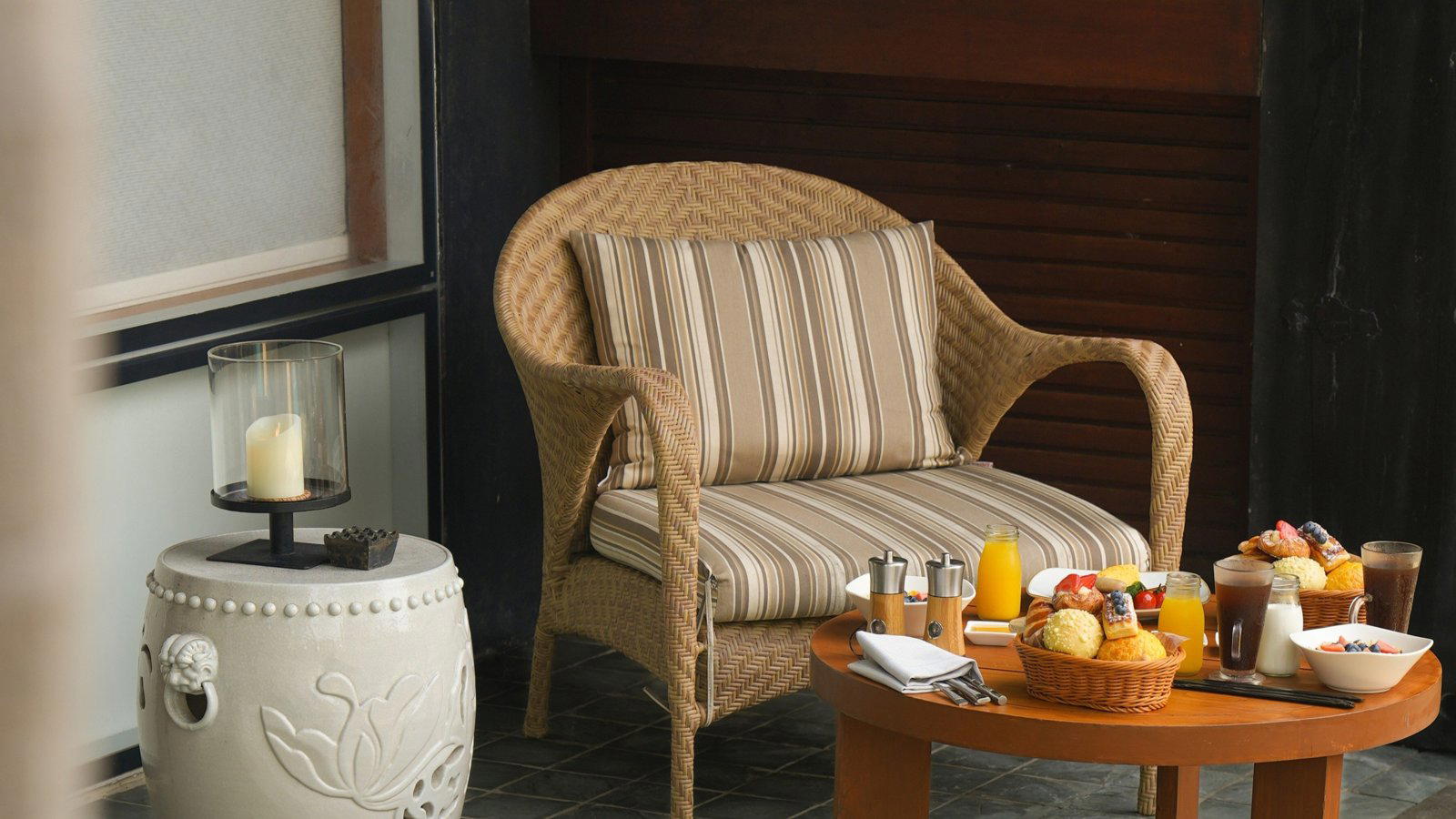
The rooms at Mandarin Oriental, Sanya start at 560 square feet, which puts them among the more generous room sizes on the island at this price tier. The design draws on Hainan's indigenous cultural heritage, with tribal-patterned upholstery and materials including tropical wood and volcanic rock creating an interior vocabulary that references place rather than defaulting to generic luxury hotel aesthetics. Specialty linens, espresso machines, and private decks are standard across the room categories, with plasma screens included for those who need them, though the property's physical setting makes a case for looking outward rather than at a screen.
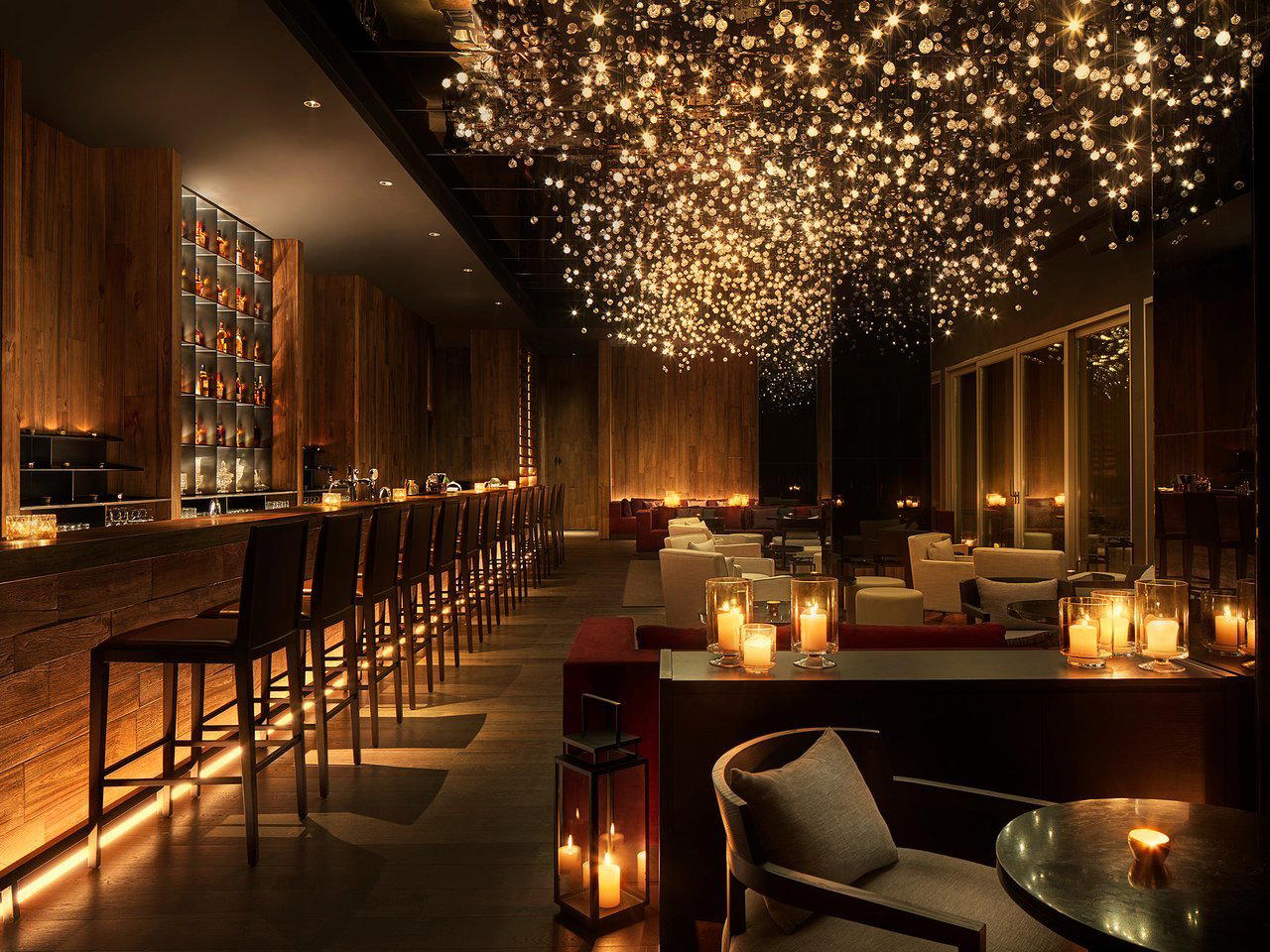
The differentiation between room types is meaningful. The Ocean Front pavilions add beachfront access, a private plunge pool, a patio, and a gazebo, shifting the experience from hotel room to private compound. At the upper end, the two-storey Coral Bay villa offers 1,615 square feet of space across two bedrooms, with gardens, gazebos, an outdoor lap pool, and exclusive access to The Cliff lounge. That configuration suits families or guests who want an extended stay with the infrastructure to support it. For a solo wellness trip or a couple prioritising the spa over social space, the standard room category at 560 square feet reads as generously sized rather than entry-level.
La Liste's 2026 rankings assigned Mandarin Oriental, Sanya Top Hotels recognition in 2026. That recognition reflects the guest experience consistency the Mandarin Oriental group maintains across its portfolio. The group's China presence spans a range of city and resort formats, and the Sanya property represents its clearest leisure-and-wellness expression in the country.
What You Actually Do Here
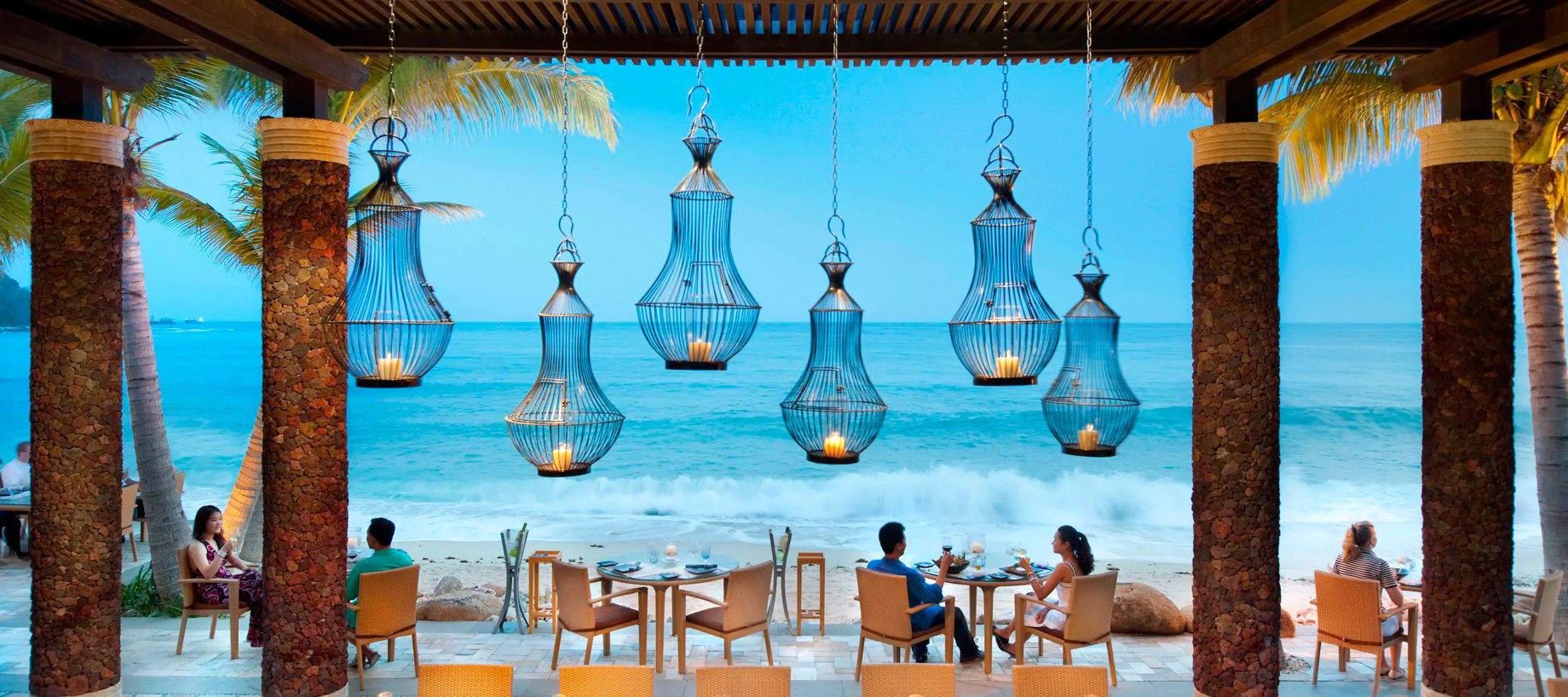
The protected status of Coral Bay makes the water itself an attraction. Snorkelling and diving access to the reef is available directly from the property, which is less common than resort marketing implies. Most Sanya beach hotels offer water sports as an activity list item rather than as a genuinely proximate experience. The coral reef access changes that calculus for guests who care about it.
Sanya's sightseeing offer is nature-led rather than cultural in the conventional sense. Jianfeng Peak and the island's lush interior, covering rainforest and mountain terrain, provide context for half-day excursions, and the island's golf infrastructure is substantial, with multiple courses within driving distance of the property. Golfers treating Sanya as a dedicated golf destination will find the Mandarin Oriental a practical base, with the spa available as recovery infrastructure between rounds rather than just as a standalone attraction.
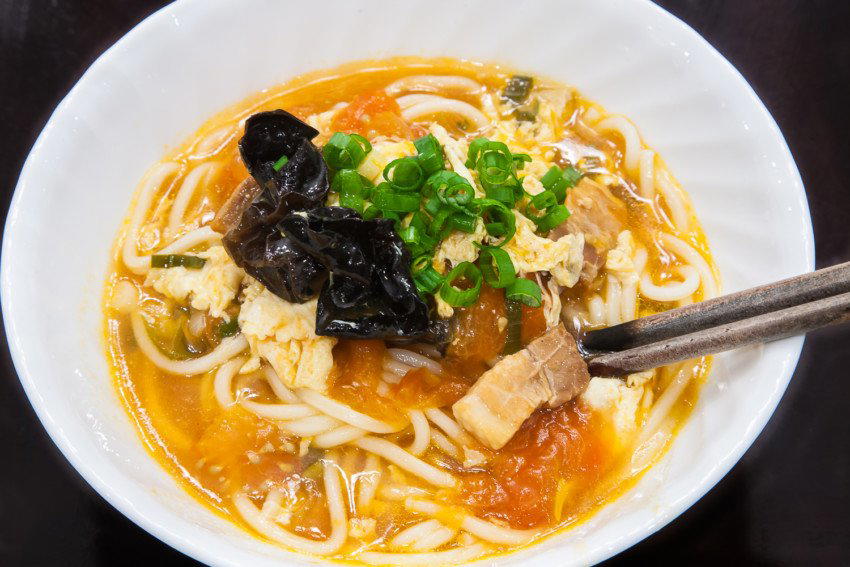
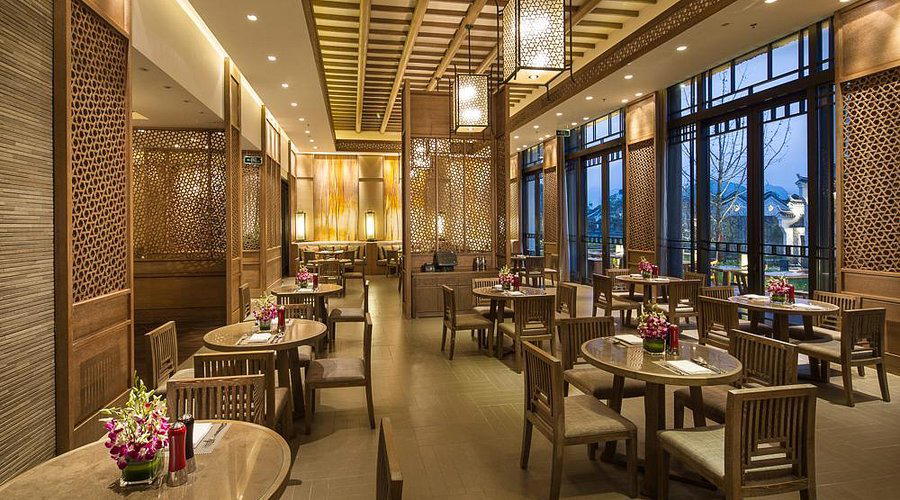
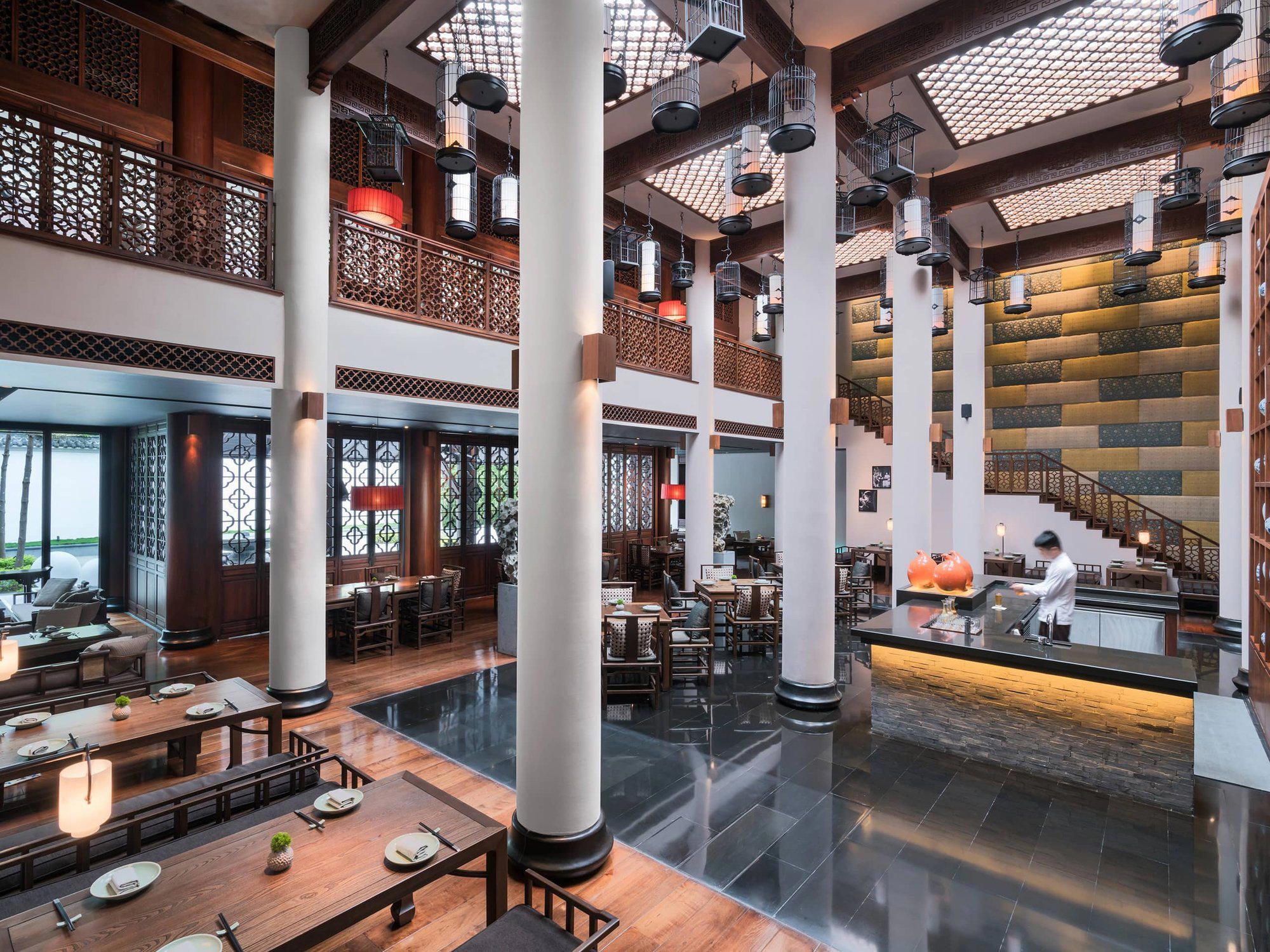
The dining at Yi Yang, the property's Chinese restaurant, focuses on Hainan and Cantonese cuisine with seasonal and locally sourced ingredients. That regional specificity is worth noting: Hainanese cooking has a distinct character from Cantonese cuisine, and a restaurant that treats both as separate disciplines with their own ingredient logic is doing something more considered than the standard resort Chinese restaurant, which tends to offer a broad pan-Chinese menu without geographic rigour.
Getting There and Planning the Stay
Hainan island is accessible from Hong Kong in approximately one hour by air, and from any major mainland Chinese city. The hotel sits around 45 minutes east of Sanya Phoenix International Airport by road. Public transport on the island is limited, and the practical options reduce to taxis, which are available and affordable, or a private hotel transfer arranged in advance. For guests arriving after a long-haul flight to Hong Kong and then a connection, the transfer time is worth building into the arrival plan rather than discovering at the end of an already long travel day.
Seasonally, Hainan's tropical climate means the island is warm year-round, but the dry season, broadly from October through April, draws more visitors and commands higher rates. Guests with flexibility should weigh the shoulder periods around May and September, when the climate is still workable and demand eases. The Sanya market includes properties across the spectrum, from Capella Tufu Bay and The Sanya EDITION to 1 Hotel Haitang Bay, Sanya, each positioned at a slightly different point on the design-versus-amenity axis. For those planning a broader China itinerary that includes other resort formats, Amanfayun in Hangzhou and Amandayan in Lijiang represent comparable retreat-oriented properties in different geographic contexts.
A Credentials Check
Comparable venues nearby, for context on price, style, and recognition.
| Venue | Cuisine | Price | Awards | Notes |
|---|---|---|---|---|
| Mandarin Oriental, SanyaThis venue — the venue you are viewing | Tropical luxury resort woven into lush landscaped gardens on Hainan island's southern tip. | $$$$ | 5-Star | Not listed |
| The Sanya EDITION | Contemporary beach resort with horseshoe-shaped design and terraced hillside villas | $$$$ | 5-Star | Haitang Bay |
| Banyan Tree Sanya | Luxury tropical resort with contemporary oriental architecture and lush landscaping, positioned as an exclusive private villa destination. | $$$$ | 5-Star | Dadonghai |
| Atlantis Sanya | Contemporary luxury resort with themed ocean adventures | $$$$ | 5-Star | Haitang Bay |
| Sanya Haitang Bay Hotel | contemporary-luxe resort | $$$$ | 5-Star | Haitang Bay |
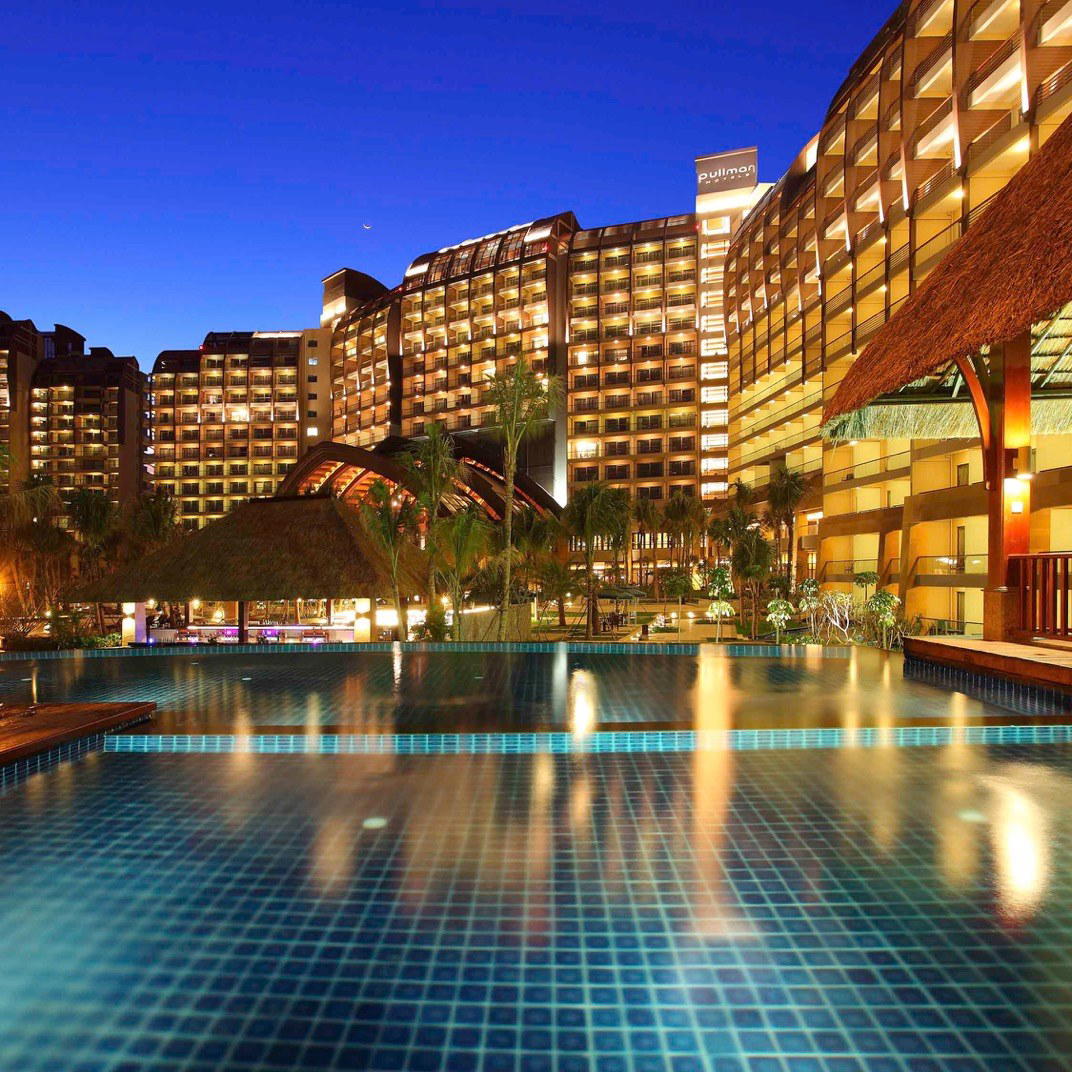
| Hotel Pullman Oceanview Sanya Bay Resort & Spa | Beachfront resort blending Southeast Asian culture with contemporary luxury | $$$$ | 5-Star | Tianya District |
Recognition history
Dated appearances from independent guides and award organizations, with the underlying list record or original source where available.
Forbes 4-Star
Forbes
La Liste Top Hotels
La Liste
Forbes 4-Star
Forbes
Michelin Selected
Michelin
Continue exploring
More in Sanya
Hotels in Sanya
Browse all →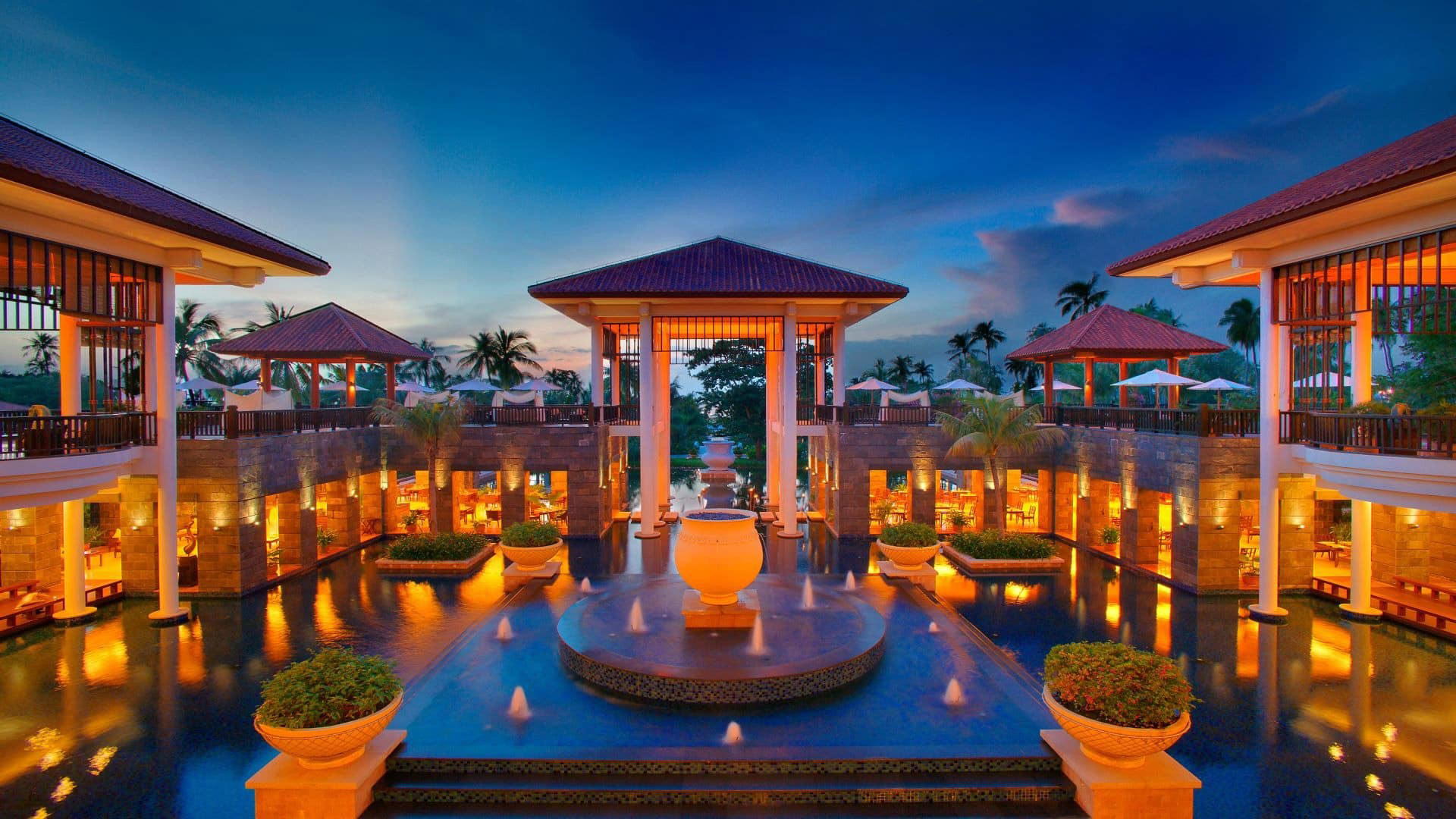
At a Glance
- Elegant
- Sophisticated
- Scenic
- Ornate
- Honeymoon
- Romantic Getaway
- Family Vacation
- Wellness Retreat
- Beachfront
- Infinity Pool
- Private Villa
- Destination Spa
- Pool
- Spa
- Fitness Center
- Room Service
- Concierge
- Business Center
- Wi Fi
- Kids Club
- Beach Access
- Waterfront
- Garden
- Mountain
- Pool
- Spa
- Fitness Center
- Room Service
- Concierge
- Business Center
- Wi Fi
- Kids Club
- Beach Access
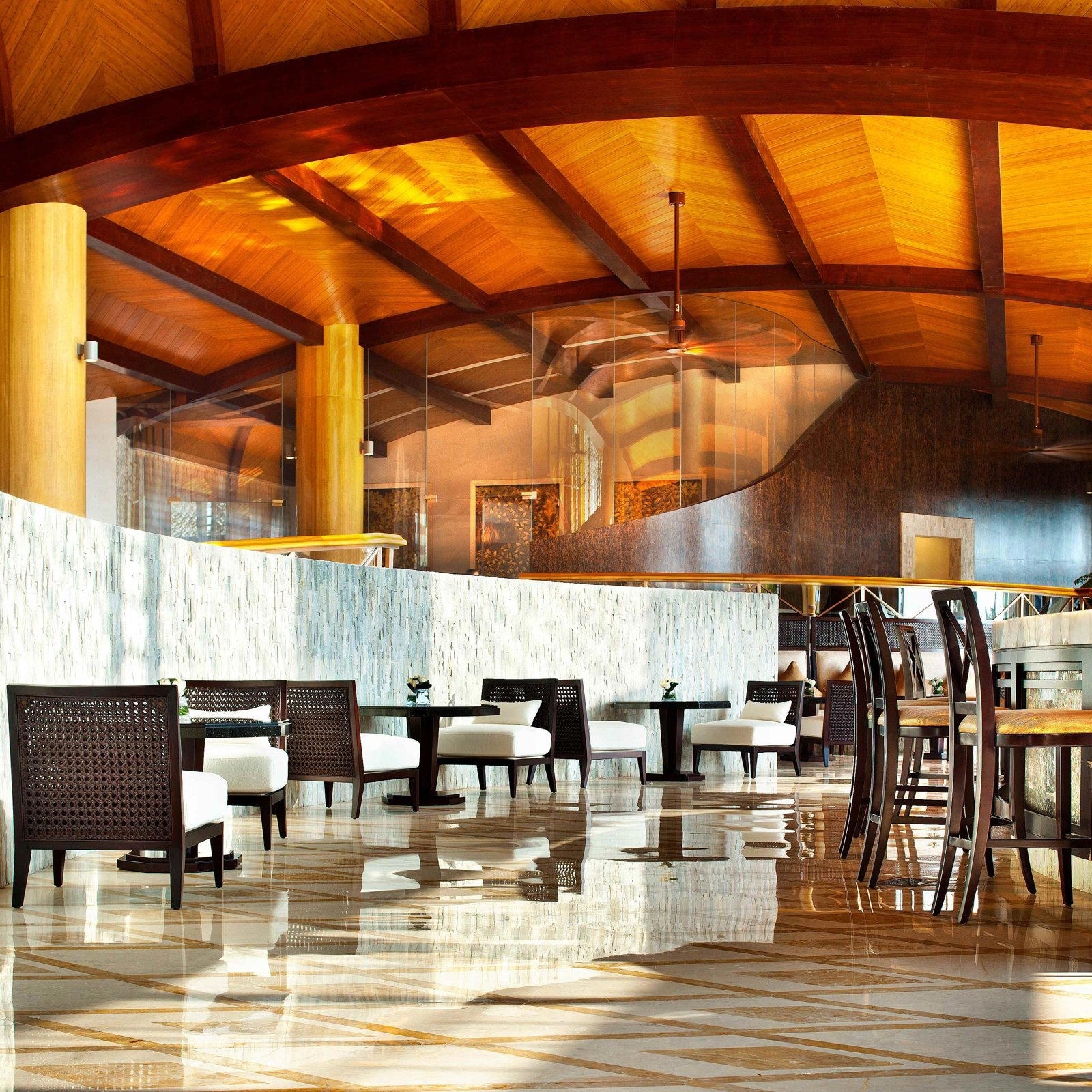
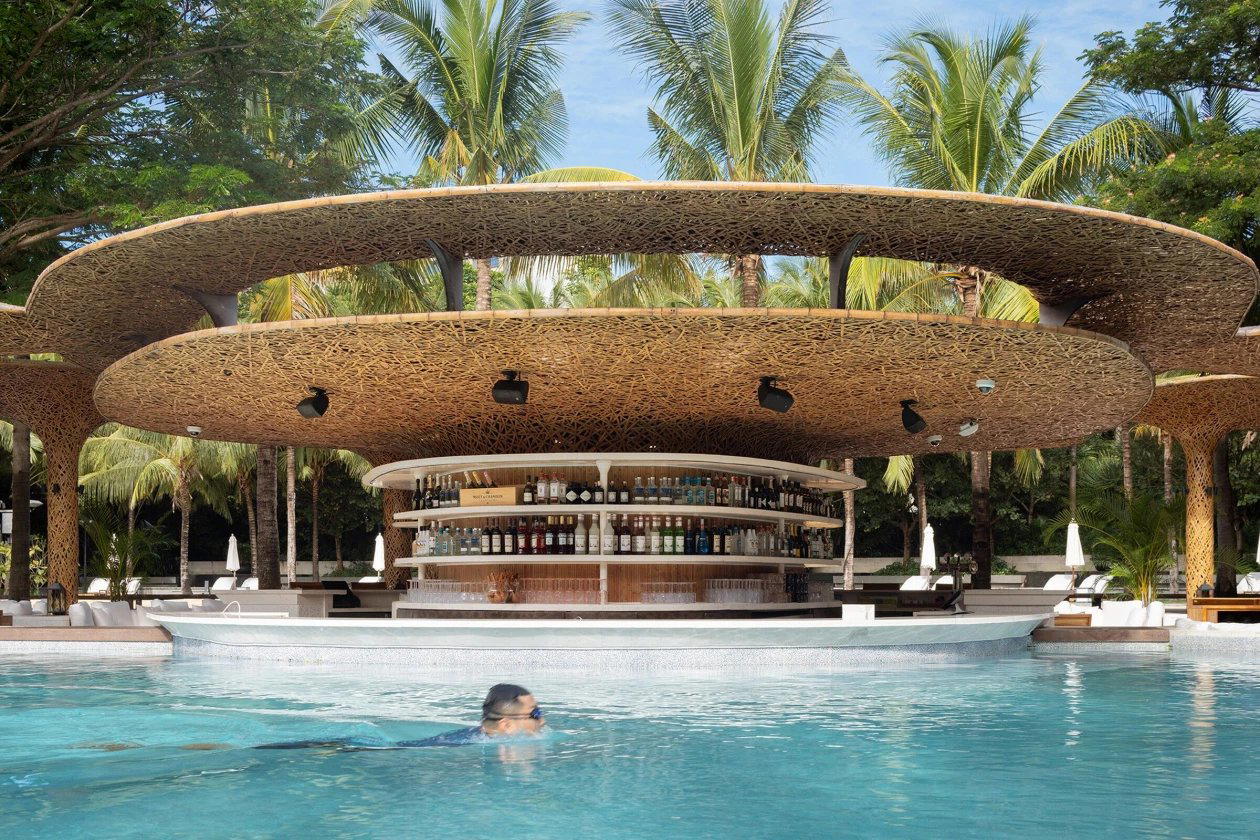
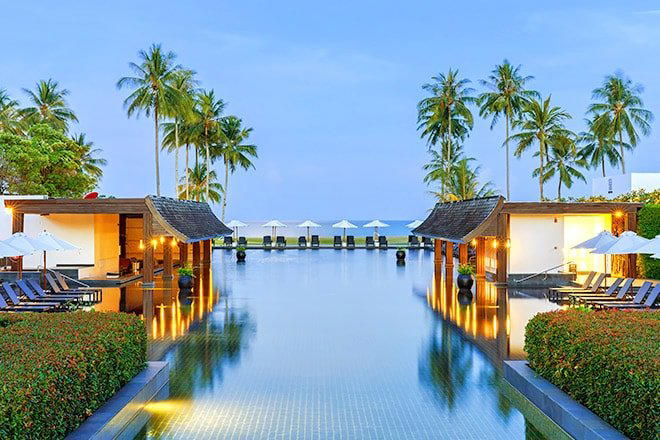
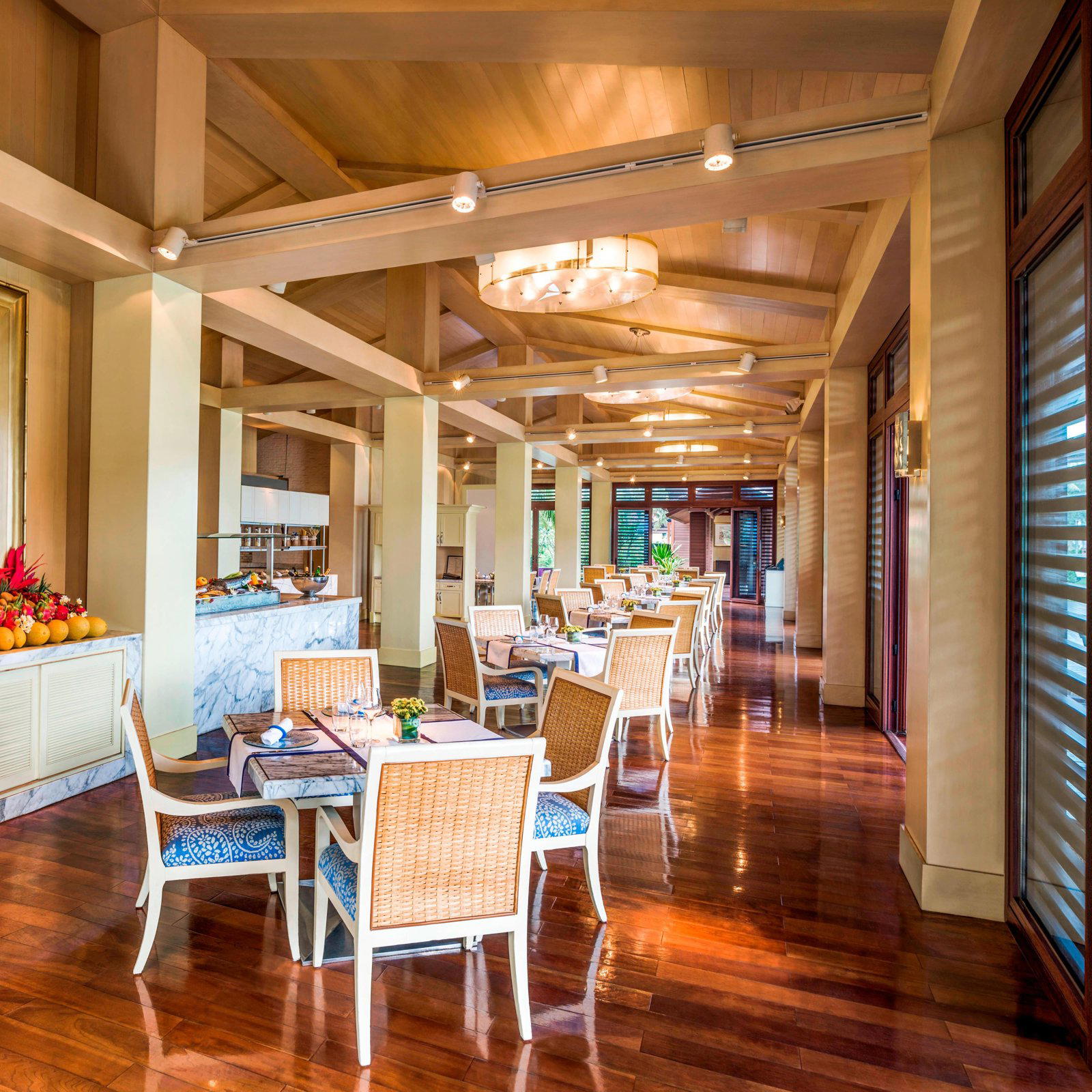
Tranquil and serene with lush tropical gardens, reflection ponds, and a peaceful Zen-inspired spa setting featuring natural light and rich wood furnishings.