
Black Pearl 1 Diamond
Our verdict
Fresh holds a Black Pearl 1 Diamond (2025), placing it in the upper tier of Sanya's emerging fine-dining scene. Located at 12 Yuhai Road, it draws serious attention for a kitchen approach grounded in Hainan's coastal and tropical larder. For a resort city still defining its culinary identity, this is a restaurant operating with genuine conviction.

Pearl is the En Primeur Club membership app, where members save venues, book tables and use the concierge.
The menu
What to order
- Rock lobster tails
- Fennel crusted turbot
- BBQ lobster
- BBQ steak
Hainan on the Plate: What Fresh Represents in Sanya's Dining Scene
Sanya occupies a peculiar position in Chinese gastronomy. Internationally, it reads as a beach resort, a winter escape for mainland visitors seeking sun along Yalong Bay and Haitang Bay. But the island province of Hainan has a larder that rewards serious attention: tropical fruits grown in volcanic soil, reef fish from the South China Sea, and agricultural produce shaped by a climate unlike anywhere else in China. The question for any serious kitchen here is how to translate that raw material advantage into a coherent dining proposition, rather than defaulting to the safe hotel-buffet model that still dominates the city's middle tier.
Fresh, at 12 Yuhai Road, is one of the city's answers to that question. Its Black Pearl 1 Diamond recognition in 2025 places it within the Black Pearl Guide's curated tier, a China-focused awards system that functions as a meaningful peer-set signal rather than a tourist marketing badge. That credential positions Fresh alongside a small cohort of restaurants across Chinese cities where ingredient sourcing and kitchen discipline define the competitive case. For context, other Black Pearl-recognised kitchens in the broader Chinese circuit include Xin Rong Ji (Xinyuan South Road) in Beijing, Ru Yuan in Hangzhou, and Fleurs Et Festin in Xiamen, restaurants that have earned recognition through specificity, not scale.
The Sourcing Argument: Why Hainan's Larder Is the Real Story
China's recognised fine-dining tier has increasingly split along a sourcing fault line. On one side sit kitchens that import prestige ingredients, Japanese A5 Wagyu, European truffles, Norwegian salmon, to signal luxury through familiar international references. On the other side, a smaller and more interesting cohort has turned toward hyperlocal sourcing as both a culinary and a philosophical position. The latter group tends to produce more distinctive cooking, because the ingredients themselves carry a sense of place that imported products, by definition, cannot.
Hainan offers unusual sourcing potential within China. The island's tropical climate produces Wenchang chicken, considered by many food writers covering Cantonese and Hainanese cuisine to be among the finest poultry in the country, the result of slow, free-range rearing that gives the meat a specific texture and flavour impossible to replicate through industrial farming. The surrounding South China Sea provides grouper, snapper, and other reef species harvested from waters that remain among China's most productive. Tropical produce, longan, wax apple, bitter melon, morinda root used in Hainanese medicinal cooking, gives a kitchen here access to flavour profiles that restaurants in Beijing or Shanghai have to import at significant cost and quality compromise.
A restaurant named Fresh, operating in this environment and earning formal recognition from a credentialed awards body, is making an implicit commitment to that sourcing narrative. The name itself signals orientation: toward the raw material, the just-caught, the ripe-today rather than the preserved, the imported, or the processed.
Where Fresh Sits in China's Recognised Dining Tier
A 1 Diamond rating sits at the guide's entry tier but still represents a meaningful editorial selection: the guide's total recognised list across China numbers in the low hundreds rather than the thousands, keeping the signal-to-noise ratio higher than most aggregator platforms.
Sanya's position within this tier is worth contextualising. The city's fine-dining infrastructure is younger and thinner than Shanghai, Beijing, or Guangzhou. A Black Pearl recognition here does not carry the same competitive density as, say, a similar rating earned in Shanghai's Xintiandi corridor, where a kitchen would be competing against dozens of recognised peers within a few square kilometres. But that relative scarcity cuts both ways: it means Fresh operates with less direct comparable competition locally, and it means the kitchen has had to make a credible case to a national panel without the reputational scaffolding that comes from operating in a city with an established fine-dining ecosystem.
Across the broader China circuit, the recognised tier includes kitchens with quite different orientations. Chef Tam's Seasons in Macau and Imperial Treasure Fine Chinese Cuisine in Guangzhou operate in more established markets with deeper local dining cultures. 102 House in Shanghai and Dai Yuet Heen in Nanjing reflect the diversity of culinary approach that the Black Pearl system spans. Fresh earns its place within that range by representing a city and an ingredient story that the others cannot replicate.
For international reference points on what serious sourcing-led cooking can achieve in a coastal context, Le Bernardin in New York City remains the benchmark case for how a kitchen can build a coherent identity entirely around the quality and provenance of what arrives from the water. That model, discipline around a single sourcing thesis, executed at a high technical level, is the most instructive comparison for any coastal-market restaurant making a credentialed claim.
Sanya's Dining Picture Beyond Fresh
Sanya's restaurant scene beyond the resort corridors is still developing its independent identity. The city's strongest consistent dining is concentrated in the major resort zones, where properties like the Park Hyatt Sanya Sunny Bay Resort operate credentialed in-house restaurants. Tea House at the Park Hyatt Sanya Sunny Bay Resort represents that hotel-anchored tier. Fresh operates outside that model, which in itself is an editorial point: independent fine dining in a resort city is a harder commercial proposition than a captive hotel audience, and the recognition accordingly carries more weight.
For visitors building a broader Sanya itinerary, our full Sanya restaurants guide maps the complete dining range, while our Sanya hotels guide, bars guide, wineries guide, and experiences guide cover the rest of the city's premium offering.
Planning Your Visit
Fresh is at 12 Yuhai Road, Sanya, Hainan. Given its Black Pearl standing and the limited supply of recognised fine-dining seats in the city, advance booking is advisable, particularly during Sanya's peak winter season, which runs roughly from November through February when mainland visitors arrive in volume.
Frequently asked questions
Is Fresh award-winning?
Fresh has received recognition including: Black Pearl 1 Diamond (2025).
What's Fresh's location?
Fresh is located at 12 Yuhai Road, Sanya, Hainan, China, 572000, Sanya.
What's the signature dish at Fresh?
What is documented is Fresh's Black Pearl 1 Diamond recognition for 2025, which in the context of Hainan's dining scene points to a kitchen serious about local sourcing, Hainan's larder of tropical produce, freshwater fish, and coastal seafood is the defining factor for restaurants operating at this tier in Sanya.
Can I walk in to Fresh?
No booking policy is confirmed, but Fresh's Black Pearl 1 Diamond standing (2025) places it among a very short list of recognised fine-dining addresses in Sanya. Seats at this level in the city are limited, so arriving without a reservation carries real risk, contact the restaurant at 12 Yuhai Road or plan ahead if your visit date is fixed.
In Context: Similar Options
Comparable venues nearby, for context on price, style, and recognition.
| Venue | Cuisine | Price | Awards | Notes |
|---|---|---|---|---|
| FreshThis venue (the venue you are viewing) | Modern Australian Seafood Grill | Not listed | Black Pearl 1 Diamond | Not listed |
| Tea House · Park Hyatt Sanya Sunny Bay Resort | Cantonese Tea House | Not listed | Black Pearl 1 Diamond | Yalong Bay National Scenic Resort |
| Robuchon au Dôme, Grand Lisboa Hotel | Contemporary French Fine Dining | $150–200 | 3 Michelin Stars · La Liste Top Restaurants | Sé |
| Hangzhou House at Amanfayun | Refined Zhejiang Cuisine | $100–150 | Not listed | Xihu |
| Yong Fu(Ning Bo) | High-end Ningbo seafood fine dining | $100–150 | Black Pearl 3 Diamond | Huangpu |
| The 8 Grand Lisboa Hotel Macau | Modern Cantonese Fine Dining | $150–200 | World's Best Wine Lists Awards WBWL 3-Star | Macau |
Recognition history
Dated appearances from independent guides and award organizations, with the underlying list record or original source where available.
Black Pearl 1 Diamond
Black Pearl
Full recognition history (2 entries)
Black Pearl 1 Diamond
Black Pearl
Continue exploring
More in Sanya
Restaurants in Sanya
All restaurants in Sanya →
Bars in Sanya
All bars in Sanya →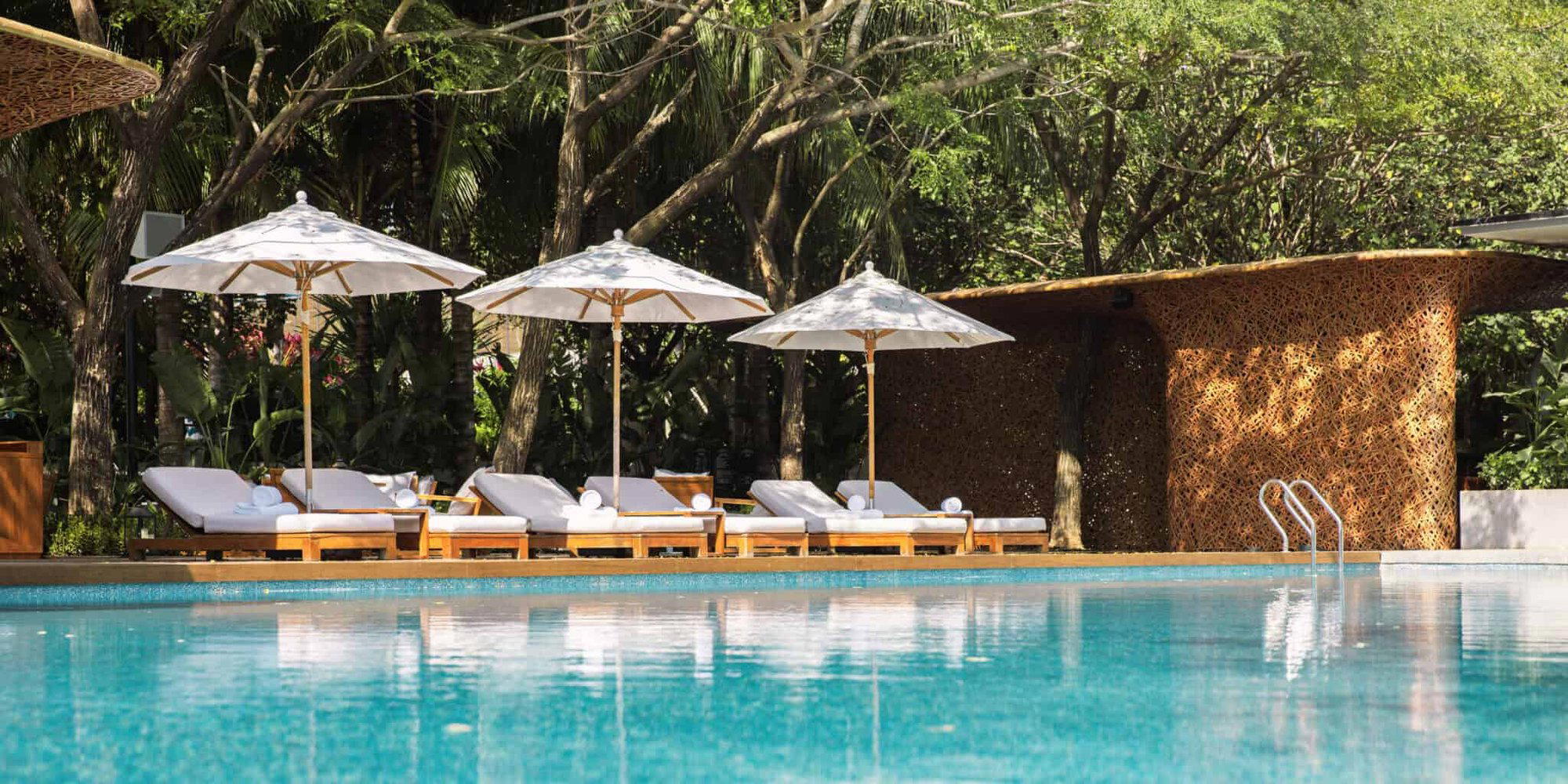
Details
- Romantic
- Elegant
- Scenic
- Rustic
- Date Night
- Family
- Celebration
- Special Occasion
- Beachfront
- Open Kitchen
- Terrace
- Extensive Wine List
- Waterfront
- A La Carte
- Tasting Menu
- Set Menu
- Buffet
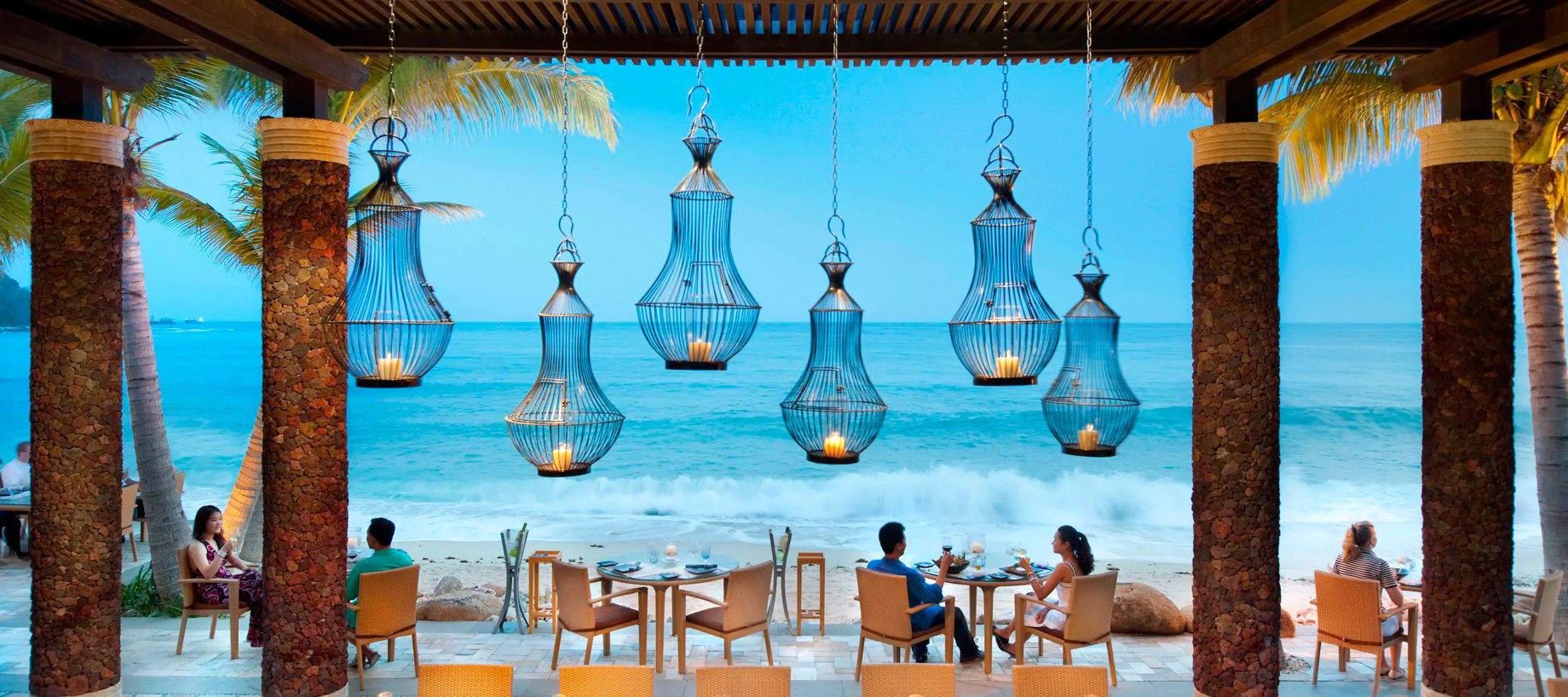
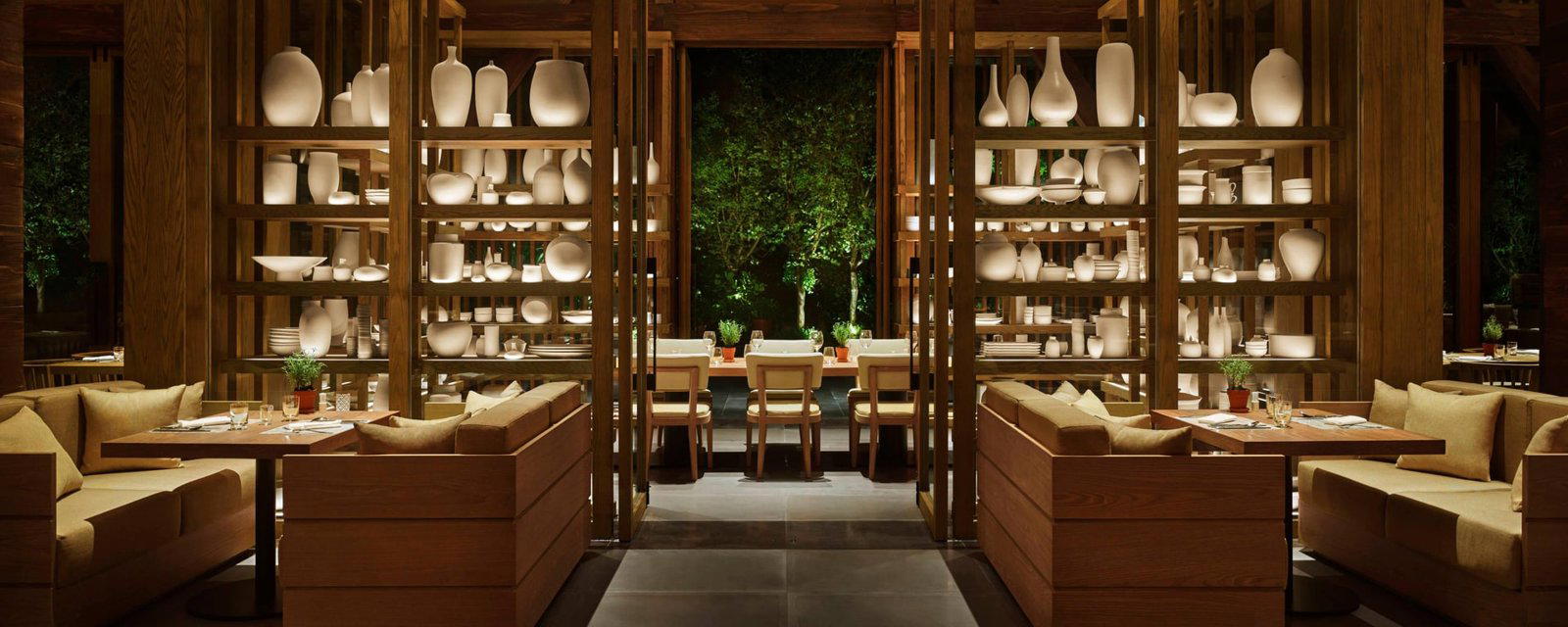
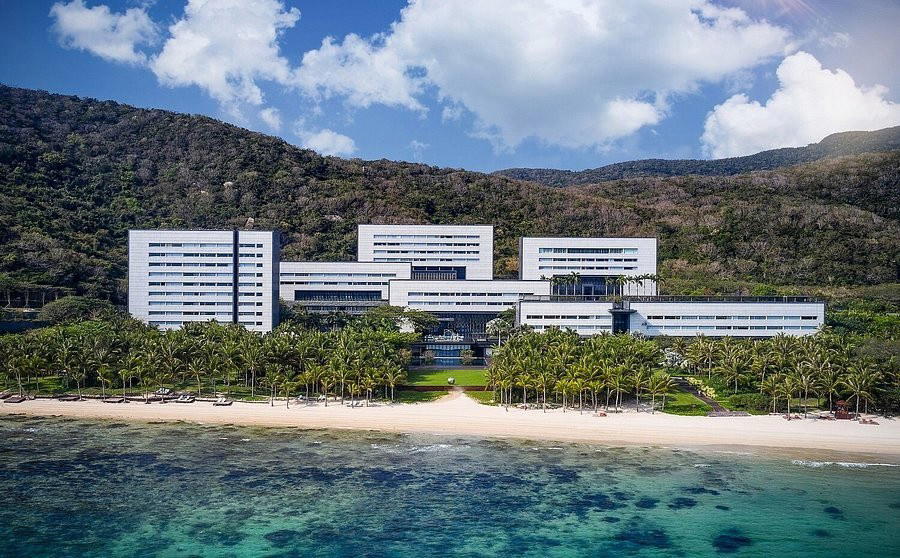
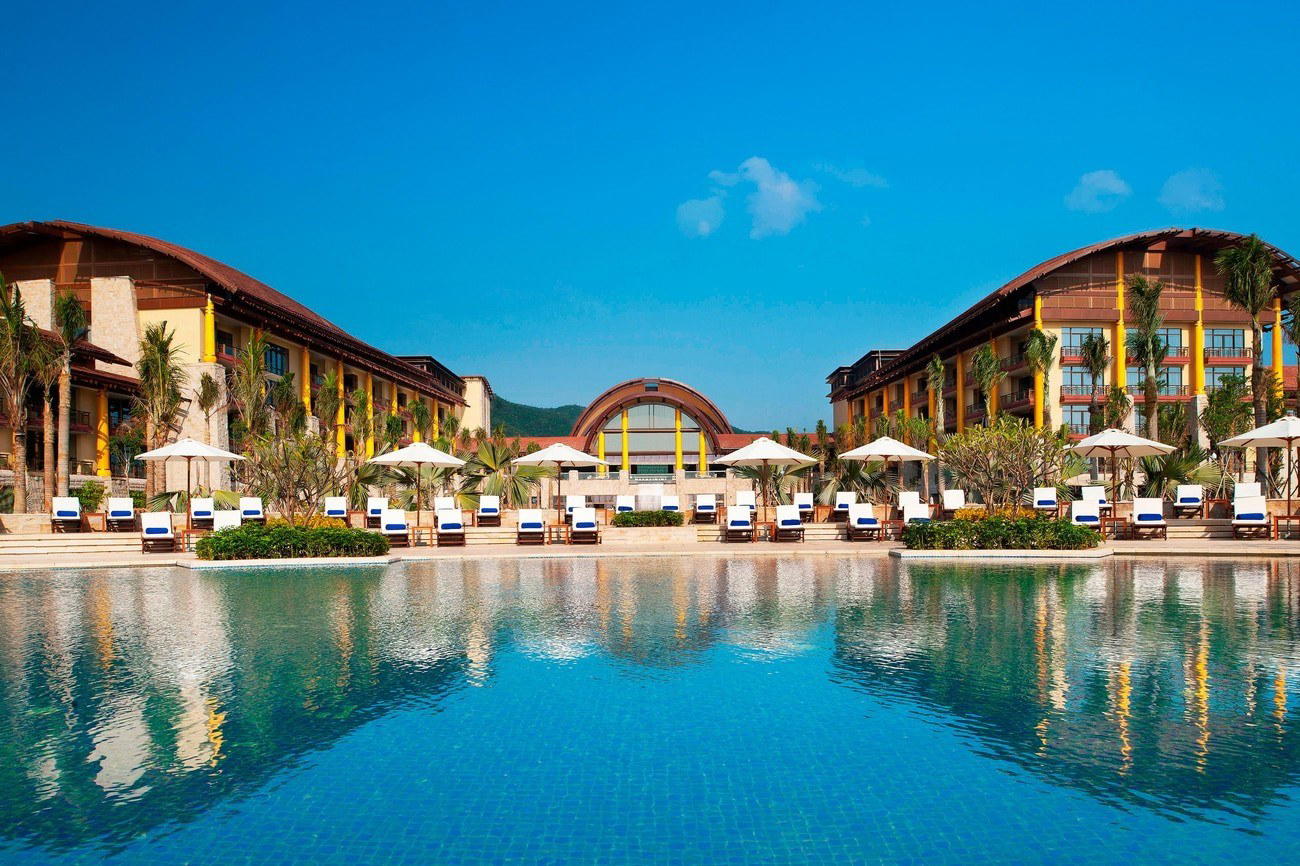
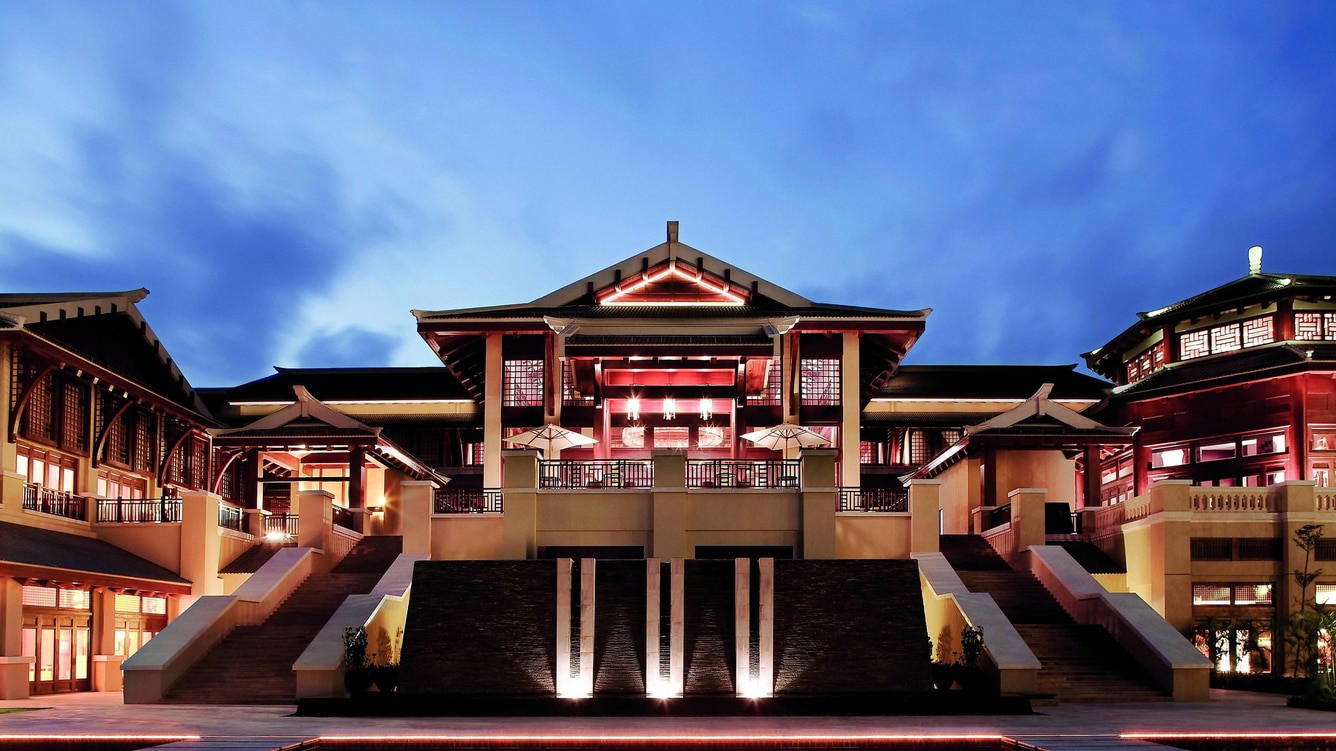
Rustic laidback atmosphere with dramatic lanterns, dark wicker and light wood furniture, illuminated by beachfront sunset views and ocean breezes.