Taverna del Castello

Michelin Plate
Our verdict
Sitting inside the medieval walls of Castello di Torrechiara, Taverna del Castello earns consecutive Michelin Plate recognition for its grounded Emilian cooking. Tortelli alle erbette and local salumi anchor a menu built around the produce and curing traditions of the Parma hills. The setting and the food are inseparable, this is what the region tastes like when it isn't performing for tourists.

Pearl is the En Primeur Club membership app, where members save venues, book tables and use the concierge.
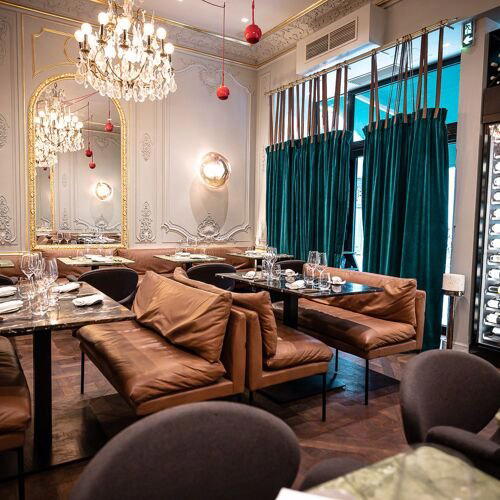
Where the Castle Walls Set the Context
The approach to Taverna del Castello is itself an argument for the meal that follows. Leaving the small car park near the village and walking up through Torrechiara's stone houses toward the castle, you are moving through a landscape that has been producing some of Italy's most tightly regulated food products for centuries. Parma ham, Parmigiano-Reggiano, culatello di Zibello, the Po Valley and its surrounding hills form one of the densest concentrations of Protected Designation of Origin (PDO) products in Europe. By the time you reach the restaurant on the first floor of the castle, the geography has already told you what to expect on the plate.
This part of the Emilia-Romagna region does not need to import culinary identity. The ingredients arrive with provenance already attached, and the kitchens that serve them well are largely the ones that resist the temptation to complicate that story. Taverna del Castello sits in that tradition, presenting a menu of emblematic local specialities rather than reinterpreting them for external audiences. It holds consecutive Michelin Plate recognition for 2024 and 2025, a designation that signals sound, honest cooking worth seeking out, and sits at the €€ price tier, making it accessible within the wider context of Emilian dining.
The Ingredients and Where They Come From
The Po plain and the Apennine foothills that frame this stretch of the Parma province are the source of most of what lands on the table here. Emilian cuisine is, at its structural core, a cuisine of process: the slow cure of prosciutto di Parma (which requires at least 12 months of aging under strict DOP protocols), the long pasta-rolling traditions that produce the region's stuffed pastas, and the careful selection of local herbs that fill dishes like tortelli alle erbette.
Tortelli alle erbette, one of the restaurant's emblematic dishes, is a stuffed pasta that speaks directly to the agricultural character of this terrain. The filling typically combines ricotta with foraged or cultivated herbs, often including bietola (Swiss chard) or other seasonal greens, bound into a pasta that has a specific texture shaped by generations of home kitchens in the Parma hills. It is a dish whose ingredients are grown within a short radius of the table where it is eaten, and that proximity is not incidental to the flavour.
The salumi served here include Parma ham produced under the same DOP framework that governs the entire production zone, a boundary defined by altitude, air circulation from the Apennines, and the specific microclimate of the area. The curing process is inseparable from where it happens, which is exactly why the DOP rules are geographic rather than merely procedural. Eating this ham a few kilometres from where it was produced is a meaningfully different experience from eating it abroad, where cold-chain transport has already altered its texture.
The Wine Selection and the Local Frame
Emilia-Romagna's wine identity is often reduced to Lambrusco and Sangiovese outside the region, but the local wine culture is more varied than that summary suggests. The province of Parma produces Malvasia di Candia Aromatica, a fragrant white with some local following, and the broader regional list extends to Colli di Parma DOC reds, which can complement the fat-rich salumi and pasta formats well. Taverna del Castello carries a wine list with a good selection of local and Italian bottles, structured to match a range of preferences and price points, a practical asset for a restaurant that sees both local regulars and visitors discovering the region for the first time.
Pairing a local Malvasia or a lightly sparkling Lambrusco Secco with the tortelli alle erbette is an exercise in regional coherence: the acidity cuts through the pasta's richness in a way that a heavier red from outside the region would not replicate as naturally. This is not a region where the wine list and the food list developed separately.
The Dining Format and the Service Register
The setting inside the castle gives the restaurant a context that few dining rooms in Italy can match architecturally, but the service register is informal rather than ceremonial. Dining in a medieval castle does not, in this case, mean white-glove formality. The approach is professional and attentive without the stiffness that such settings sometimes produce. This balance positions Taverna del Castello clearly within the broader Emilian dining tradition, where the quality of the plate has always mattered more than theatrical presentation of the room.
Emilian Dining at This Price Tier
The broader Emilian restaurant scene spans an enormous range. At the leading end, Osteria Francescana in Modena and Arnaldo - Clinica Gastronomica in Rubiera operate in entirely different registers of ambition, price, and spectacle. Osteria del Viandante in Rubiera offers another point of comparison within the Emilian tradition. Further afield, the Italian fine dining tier includes houses like Dal Pescatore in Runate, Le Calandre in Rubano, Piazza Duomo in Alba, Reale in Castel di Sangro, Uliassi in Senigallia, Quattro Passi in Marina del Cantone, Casa Perbellini 12 Apostoli in Verona, Enrico Bartolini in Milan, Enoteca Pinchiorri in Florence, and Atelier Moessmer Norbert Niederkofler in Brunico, all operating at €€€€ and representing different expressions of Italian regional ambition.
Taverna del Castello occupies the €€ bracket and does not compete with that tier. What it offers is a specific kind of value: the right ingredients, cooked correctly, in a location whose historical weight adds genuine texture to the experience. For visitors spending time in the Parma hills, the choice is not between this restaurant and Osteria Francescana. The choice is between eating Emilian food in its proper geographic context or eating it somewhere that has imported the tradition rather than lived inside it.
Getting There and Planning Your Visit
Torrechiara is a small village in the hills south of Parma, roughly 18 kilometres from the city centre. The standard approach is by car; public connections exist but require changes and add significant time. Park in the small car park close to the village rather than attempting to reach the castle gate by road, and walk up through the stone houses toward the restaurant. The walk itself is brief but puts the meal in its physical setting before you arrive. The restaurant operates on the first floor of the castle. Given the combination of Michelin recognition and a manageable price point, booking in advance is the practical approach, particularly for weekend visits when the area draws day-trippers from Parma and beyond. For more on eating and drinking in the area, see our full Torrechiara restaurants guide, our Torrechiara bars guide, our Torrechiara wineries guide, our Torrechiara experiences guide, and our Torrechiara hotels guide for where to stay nearby.
Frequently asked questions
Is Taverna del Castello expensive?
Pricing at Taverna del Castello is listed as €€.
What part of town is Taverna del Castello in?
Taverna del Castello is located at Castello di Torrechiara, Str. del Castello, 25, 43013 Torrechiara PR, Italy, Torrechiara.
Quick Comparison
| Venue | Cuisine | Price | Awards | Notes |
|---|---|---|---|---|
| Taverna del CastelloThis venue (the venue you are viewing) | Traditional Emilian | $30–50 | Michelin Plate | Not listed |
| Atelier Moessmer Norbert Niederkofler | Modern Alpine Fine Dining | $300–500 | 3 Michelin Stars · World's 50 Best #20 | Italian, Creative |
| Dal Pescatore | Classic Italian Fine Dining | $200–300 | 3 Michelin Stars · World's 50 Best #38 | Italian, Italian Contemporary |
| Enoteca Pinchiorri | Contemporary Italian Fine Dining | $200–300 | 3 Michelin Stars · World's 50 Best #32 | Italian - French, Italian Contemporary |
| Enrico Bartolini | Modern Italian Fine Dining | $300–500 | 3 Michelin Stars · World's 50 Best #85 | Creative |
| Osteria Francescana | Avant-Garde Italian Contemporary | $300–500 | 3 Michelin Stars · World's 50 Best #1 | Progressive Italian, Creative |
Recognition history
Dated appearances from independent guides and award organizations, with the underlying list record or original source where available.
Michelin Plate
Michelin
Full recognition history (3 entries)
Michelin Plate
Michelin
Michelin Plate
Michelin
Continue exploring
More in Torrechiara
Restaurants in Torrechiara
All restaurants in Torrechiara →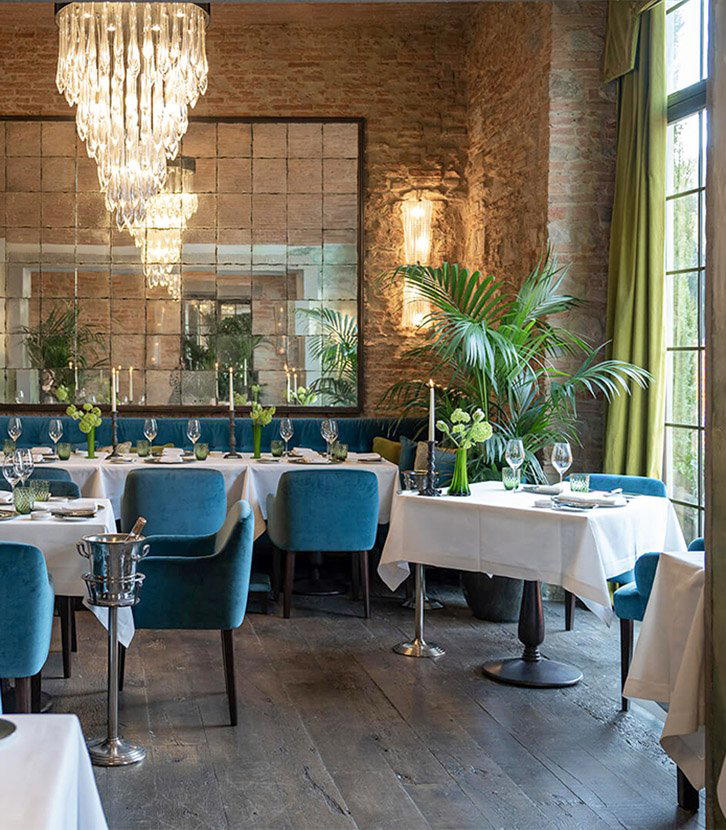
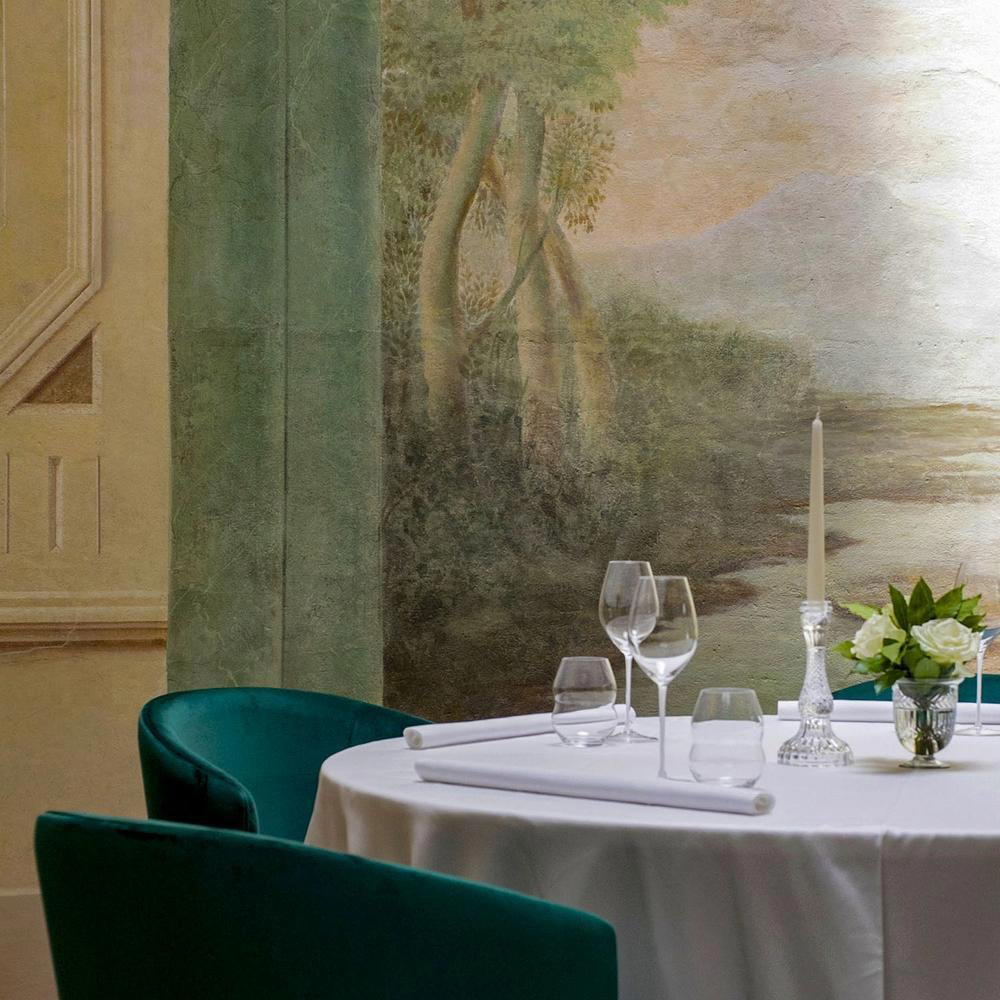
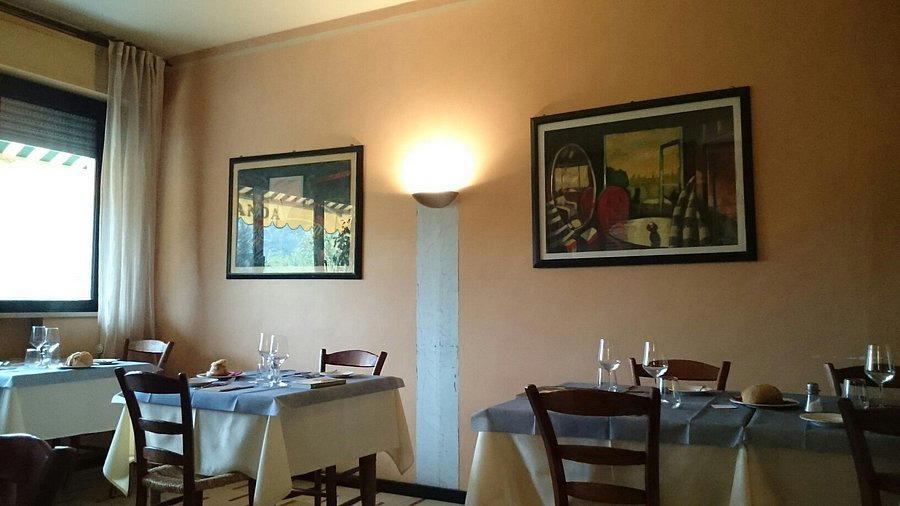
Hotels in Torrechiara
Browse all →



Details
- Rustic
- Cozy
- Romantic
- Scenic
- Historic
- Date Night
- Family
- Special Occasion
- Historic Building
- Terrace
- Extensive Wine List
- Local Sourcing
- Mountain
- Street Scene
- A La Carte
Current opening hours
- Monday
- Closed
- Tuesday
- 12:30–2:30 PM, 7:30–10:30 PM
- Wednesday
- 12:30–2:30 PM, 7:30–10:30 PM
- Thursday
- 12:30–2:30 PM, 7:30–10:30 PM
- Friday
- 12:30–2:30 PM, 7:30–10:30 PM
- Saturday
- 12:30–2:30 PM, 7:30–10:30 PM
- Sunday
- 12:30–2:30 PM, 7:30–10:30 PM
Hours can change for holidays and private events. Hours as of .
Warm and welcoming historic atmosphere with views of the valley and castle, featuring informal yet professional service in a quaint stone village setting.