Taverna by Gyro Project
Taverna by Gyro Project brings Greek-inflected cooking to West Midtown's 37th Street corridor, a neighborhood better known for Penn Station commuters than serious dining. The menu architecture follows the taverna tradition of shared plates and grilled proteins, translating a Mediterranean format that rewards group dining and sequential ordering rather than the tasting-menu logic that dominates New York's higher price brackets.
Pearl is the En Primeur Club membership app — saves, bookings, and concierge access live there. Same editors, same standards.
- Address
- 505 W 37th St, New York, NY 10018
- Phone
- +12122047647
- Website
- thegyroproject.com
- Directions
- Get directions
 Saves & bookings on Pearl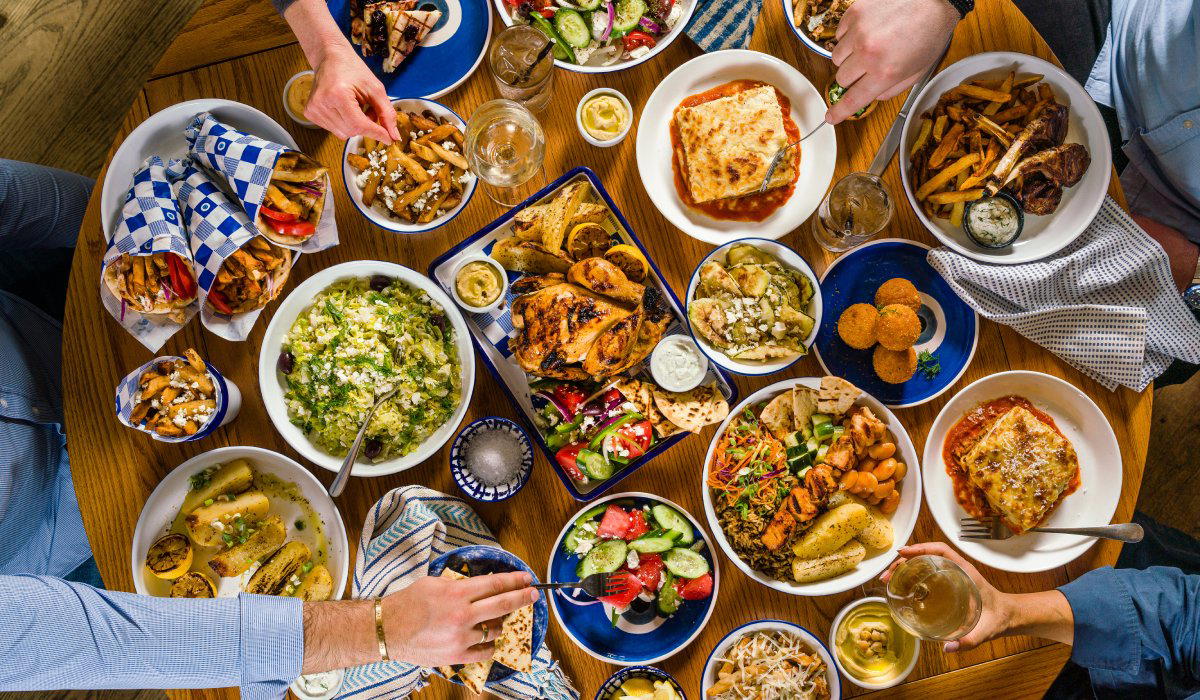
Greek Taverna Format in a City That Rarely Does It Well
New York handles Greek food in two registers: the diner-inflected neighborhood spot where souvlaki arrives with wedge salad, and the modernist reinterpretation where spanakopita gets deconstructed across six courses. The taverna middle ground, a format native to Athens and the islands where shared plates arrive in deliberate sequence and grilled proteins anchor the back half of the meal, has historically been harder to execute at meaningful scale in Manhattan. Taverna by Gyro Project, at 505 W 37th Street in West Midtown, is a modern Greek taverna. The name signals both lineage and ambition: the Gyro Project parentage suggests an operation that began with a specific product and grew outward, while "Taverna" frames the broader dining format the kitchen is working within.
What the Menu Structure Reveals
The taverna format is not arbitrary. In its traditional form, it is a sequenced architecture that moves from cold spreads and pickled vegetables through fried and grilled small plates before landing on large-format proteins, whole fish, and lamb. That structure carries editorial information about how the kitchen wants the meal to unfold: grazing before committing, building toward larger flavors, leaving room for the kind of slow deceleration that Greek dining culture built into the restaurant form centuries before the tasting menu existed.
When a kitchen adopts that architecture in New York rather than inventing its own, it is making a statement about restraint. The city's most-discussed dining rooms, from the omakase counters of Tribeca to the tasting-format rooms like Atomix or Jungsik New York, build their identity through menu authorship: every dish is a designed moment in a controlled sequence. The taverna model inverts that logic. The format is inherited, not invented. The kitchen's job is execution and sourcing quality within a structure the diner already understands. That is a harder editorial position to hold in a market where novelty is currency, but it is also the one more likely to produce food that actually tastes like Greece rather than a New York interpretation of it.
West Midtown as a Dining Address
The blocks around Penn Station and the Javits Center draw enormous numbers of travelers and convention attendees, but the dining infrastructure has lagged behind neighborhoods like Hudson Yards to the northwest or the Flatiron District to the east. That gap has been slowly closing. West Midtown has attracted a wider range of serious operators in recent years as real estate costs in more established dining neighborhoods have pushed operators toward less contested blocks.
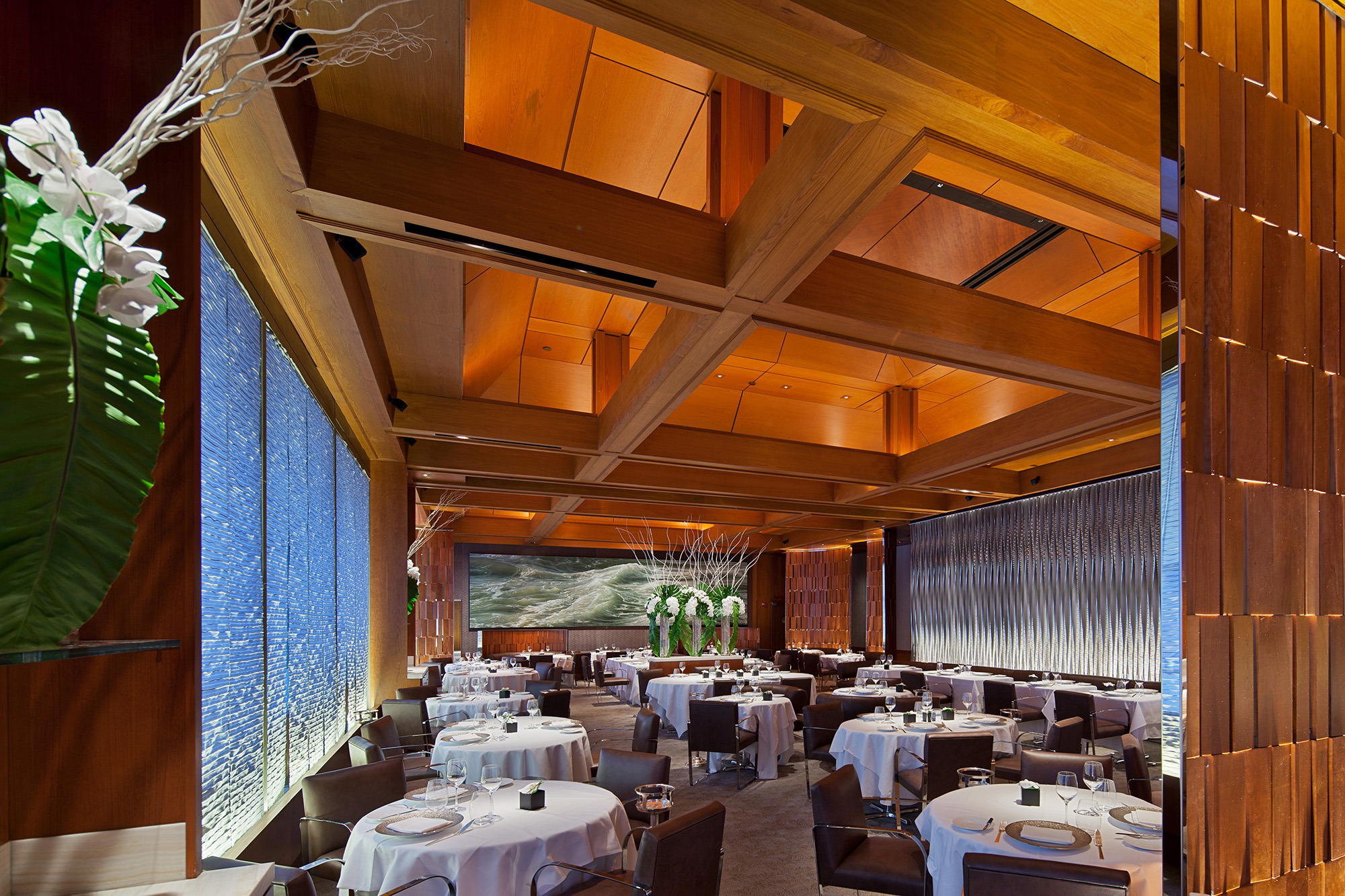
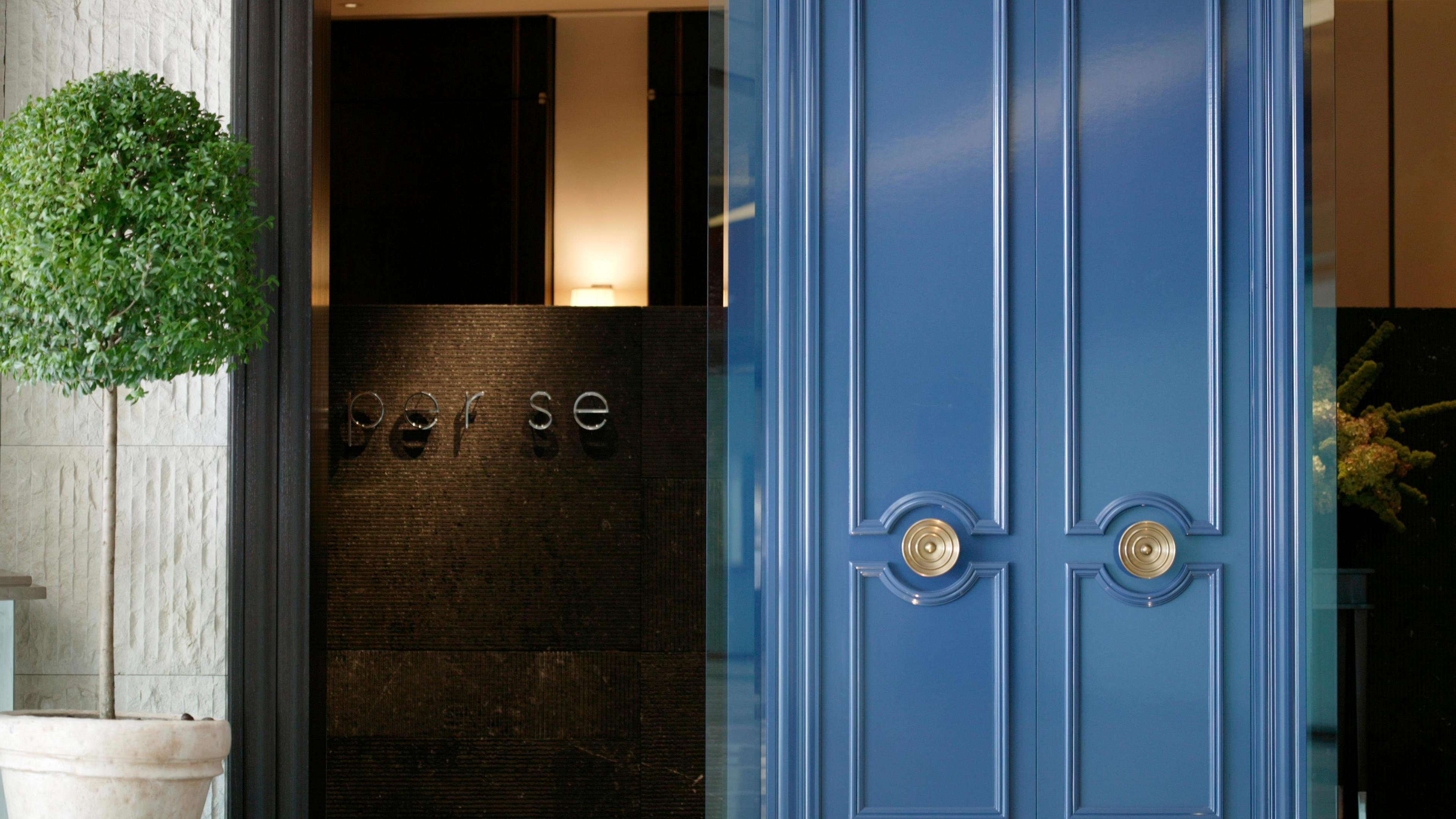
For a taverna-format restaurant, that location carries some logic. The format suits group dining, and West Midtown generates group diners in quantity: corporate lunches, pre-theater tables, convention overflow. The taverna's shared-plate structure scales well for tables of four to eight, which is a different operational math than the counter-service or prix-fixe rooms that populate Manhattan's more headline-generating zip codes. Compare this dynamic to how destination tasting rooms like Per Se, Le Bernardin, or Masa operate: those rooms require diners to travel to the address as a destination act. A taverna near Penn Station can capture diners who are already in the neighborhood, which is a fundamentally different business model and a more forgiving one.
The Gyro Project Lineage
Operating under a parent concept called Gyro Project places Taverna in a specific culinary development arc. Operations that begin with a single product, in this case the gyro, and expand into a fuller-format restaurant are testing whether the core audience will follow them up the price and complexity ladder. That transition is not automatic. The gyro, as a format, is associated in New York with fast-casual transactions: the cart on the corner, the Astoria takeout window, the $12 wrap. Building a taverna dining room from that starting point requires the kitchen to hold two identities simultaneously: the accessibility and Greek-food credibility implied by the parent brand, and the slower-paced, table-service experience that the Taverna format demands.
Restaurants that have managed similar expansions successfully, from single-item concepts into full dining rooms, tend to do so by keeping the original product visible on the menu rather than hiding it. If the gyro that built the brand disappears entirely from the Taverna menu, the connection becomes marketing rather than cooking. If it remains, recontextualized within the taverna's sequenced structure, it functions as an anchor that connects both audiences.
Where This Fits in New York's Broader Dining Map
New York's Greek dining scene has never carried the critical weight that the city's French, Japanese, or Korean restaurants do. That critical gap is not a reflection of quality but of attention. The rooms generating year-round press coverage, from Le Bernardin's seafood precision to the tasting formats at Atomix, operate in cuisines where New York critics have deep frameworks for evaluation. Greek food, and Mediterranean cooking more broadly, requires a different critical vocabulary: one centered on product quality, fire technique, and the cumulative logic of a shared table rather than the designed-moment logic of a tasting menu.
For readers building a New York itinerary across multiple meal types, Taverna by Gyro Project functions as a different register entirely from the city's high-end tasting rooms. Those seeking the prix-fixe and omakase tier should look toward Per Se, Masa, or Jungsik New York. Those looking for a format built around the table rather than the chef's sequence will find the taverna model more suited to their evening.
Across the country, the restaurant formats that have held editorial attention in recent years have tended toward either hyper-local sourcing models, as seen at Blue Hill at Stone Barns or Single Thread Farm, or chef-driven tasting formats like Alinea in Chicago or Lazy Bear in San Francisco. The taverna model sits outside both of those trajectories, which is part of what makes it a potentially durable format: it does not depend on a single chef's vision or a seasonally rotating concept to maintain identity. The format itself carries the identity.
Planning Your Visit
Side-by-Side Snapshot
Comparable venues nearby, for context on price, style, and recognition.
| Venue | Cuisine | Price | Notes |
|---|---|---|---|
| Taverna by Gyro ProjectThis venue — the venue you are viewing | Modern Greek Taverna | $$ | Not listed |
| The Greek Kitchen | Traditional Greek | $$ | Upper West Side-Lincoln Square |
| Mythos Authentic Greek Cuisine | Authentic Greek Cuisine | $$ | Auburndale |
| Meraki Greek Bistro - Brooklyn | Authentic Traditional Greek | $$ | Williamsburg |
| Aliada | Greek & Cypriot Cuisine | $$ | Astoria (Central) |
| Molyvos | Modern Greek with Mediterranean Influences | $$$ | Hell's Kitchen |
Continue exploring
More in New York City
Restaurants in New York City
Browse all →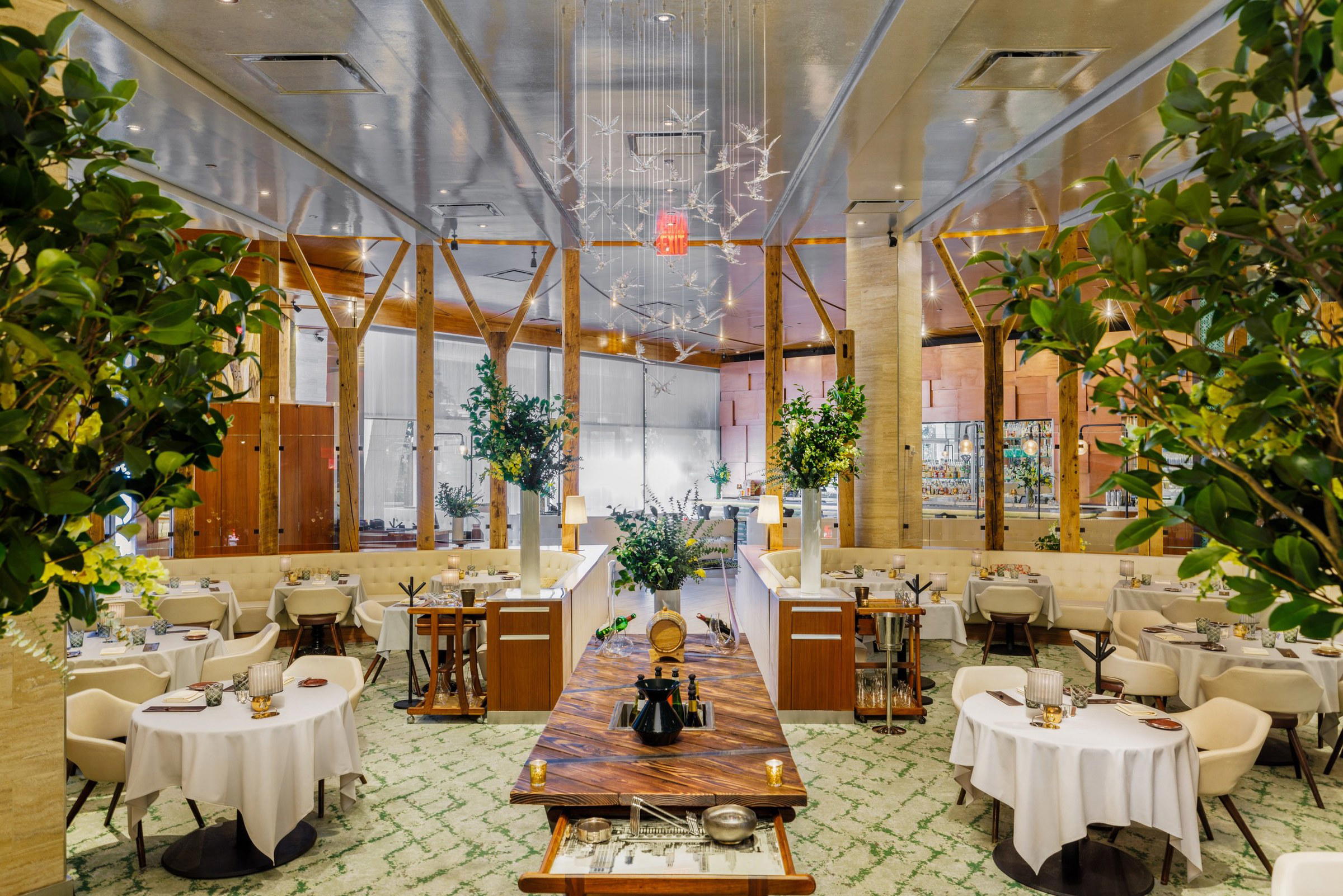
Bars in New York City
Browse all →

Hotels in New York City
Browse all →




At a Glance
- Modern
- Trendy
- Lively
- Casual Hangout
- Group Dining
- Open Kitchen
- Terrace
- Byob
- Local Sourcing
Current opening hours
- Monday
- 11 AM–10 PM
- Tuesday
- 11 AM–10 PM
- Wednesday
- 11 AM–10 PM
- Thursday
- 11 AM–10 PM
- Friday
- 11 AM–10 PM
- Saturday
- 11 AM–10 PM
- Sunday
- 11 AM–10 PM
Hours can change for holidays and private events. Last verified .
Casual indoor dining with bar seating, breezy Mediterranean palette, pleasant outdoor area, and moderate noise level.