Taverna Austin
Taverna Austin occupies a downtown address at 258 W 2nd St that places it squarely in Austin's most competitive dining corridor, where Italian-leaning tavern formats compete against the city's live-fire and New American establishments. The room reads as a counterpoint to the louder, more theatrical end of Austin dining, a format built around the rhythm of a proper sit-down meal rather than the spectacle of the kitchen.
Pearl is the En Primeur Club membership app — saves, bookings, and concierge access live there. Same editors, same standards.
- Address
- 258 W 2nd St, Austin, TX 78701
- Phone
- +15124771001
- Website
- tavernabylombardi.com
- Directions
- Get directions
 Saves & bookings on Pearl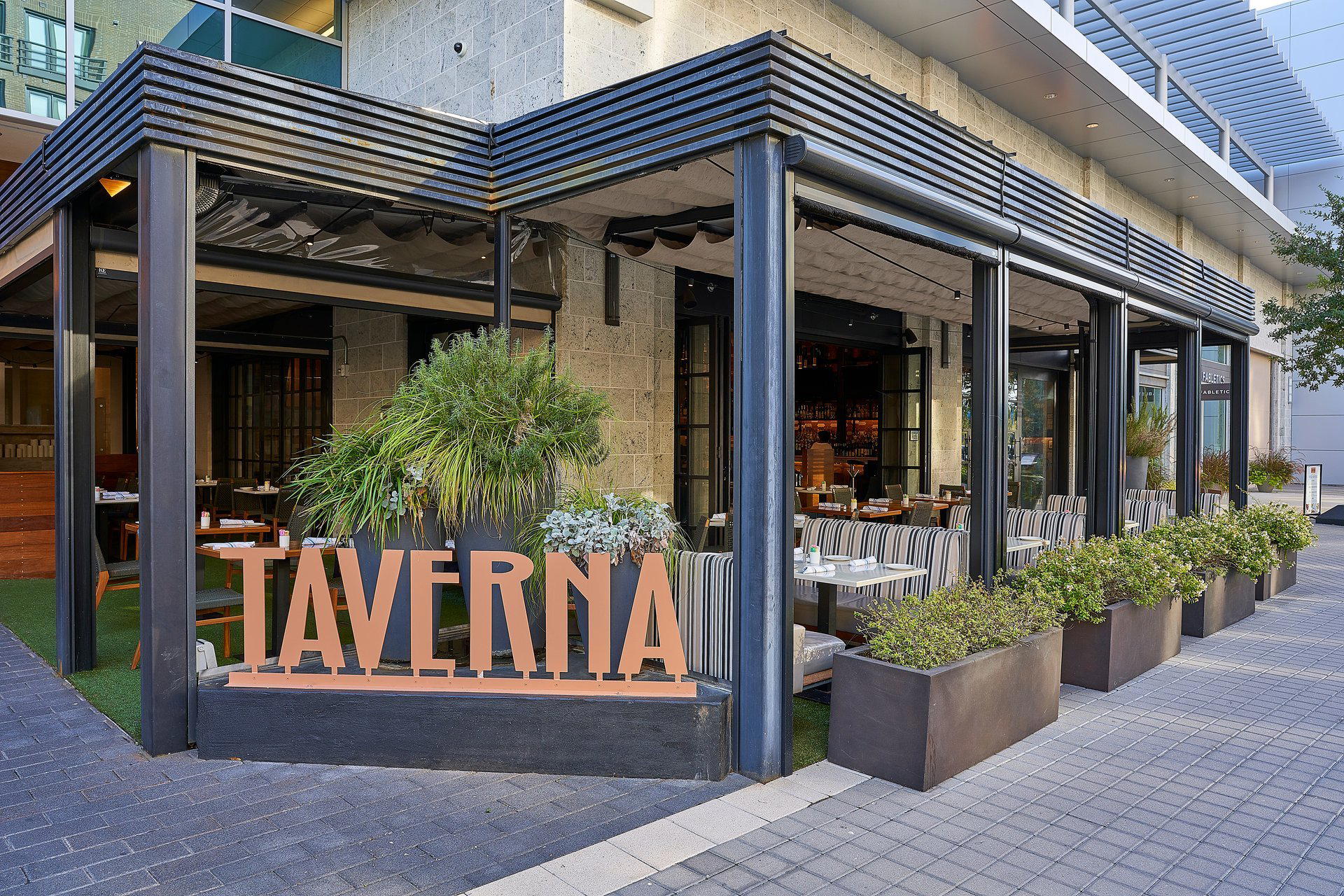
Downtown Austin's Dining Ritual, Framed in the Tavern Tradition
Austin's downtown dining corridor along 2nd Street has, over the past decade, sorted itself into distinct registers. The loudest end of the spectrum belongs to live-fire theatrics and barbecue temples, venues like Hestia, where the open hearth is the architecture, and InterStellar BBQ, where smoke is the medium. The quieter, more deliberate end belongs to formats that ask something different of the diner: a slower pace, a longer table, a meal structured around courses rather than communal platters. It sits in that second register, occupying a position in the downtown grid that is both central and, by Austin standards, conspicuously composed.
The taverna format, borrowed from Mediterranean tradition, carries certain implicit expectations. A proper taverna does not rush. The meal arrives in a rhythm that is set by the kitchen, not by the table's anxiety about the next reservation slot. Starters give way to something heavier, bread appears without being requested, and the space between courses is understood as part of the experience rather than dead time. Whether Taverna Austin adheres strictly to that tradition is a question the room itself begins to answer before the menu arrives: the address, the format, and the name together signal an intention toward the kind of dining that American cities have historically associated with Italian neighbourhood restaurants, affordable enough to visit regularly, serious enough to demand attention.
Where the Format Sits in Austin's Competitive Table
Austin's mid-range dining tier has become considerably more crowded and more accomplished than the city's barbecue reputation suggests to outside observers. Venues like Barley Swine have pushed New American tasting formats into the $$$$ bracket, while the Southern end of the market, Olamaie at $$$, has built a case for regional cuisine as fine dining. At the more casual end, la Barbecue and Kemuri Tatsu-ya hold the $$ tier with formats that are precise in their own terms. Taverna Austin enters this map as a restaurant named after a European dining institution with deep cultural roots, a positioning choice that invites comparison not just with Austin peers but with the broader American interpretation of the taverna or trattoria.
That broader American interpretation has produced some of the country's most enduring restaurants. The tavern-and-table format, stripped of molecular ambition and structured around the pleasures of well-sourced ingredients cooked with restraint, connects to a dining tradition that runs from neighbourhood Italian joints in New York to the more formally codified Italian-American canon. It is a format that does not require the conceptual architecture of, say, Alinea in Chicago or the farm-to-table rigor of Blue Hill at Stone Barns in Tarrytown, but it demands its own kind of discipline: consistency, sourcing honesty, and a kitchen that understands pacing as a craft.
The Meal as Architecture: Pacing, Order, and Expectation
The dining ritual at a taverna-format restaurant is, in structural terms, one of the more demanding to execute correctly. Unlike an omakase counter, where the chef controls the sequencing completely, as at Craft Omakase in Austin, or a tasting menu format where the kitchen's authority is contractual, the taverna depends on a negotiation between the kitchen's intentions and the diner's choices. Antipasti, primi, secondi: the architecture is familiar, but the execution of that sequence, and the service team's ability to read a table's pace, determines whether the meal feels assembled or merely served.
This is where the taverna tradition diverges from both the casual end of the Austin dining market and from the high-concept American fine dining represented by restaurants like The French Laundry in Napa or Le Bernardin in New York City. It occupies a middle register that is, in some ways, the difficult to sustain: too casual and it loses its reason for the dinner-reservation commitment; too formal and it forfeits the warmth that defines the taverna proposition. The restaurants that have held this position most credibly over time, Emeril's in New Orleans is a different format but a useful reference for the challenge of sustaining a dining institution in a city with a strong culinary identity, have done so through kitchen consistency rather than conceptual reinvention.
Austin's dining culture, historically more transactional than ceremonial, is in the process of developing an appetite for the slower meal. The growth of reservation-required, multi-course formats at venues like Hestia and the continued interest in tasting-menu formats across the city suggest that diners are increasingly willing to commit to an evening rather than a sitting. Taverna Austin's format, if executed with the discipline the tradition requires, addresses that emerging appetite directly.
The 2nd Street Address: Geography as Signal
Location on W 2nd St places Taverna Austin in the downtown entertainment and dining district, a corridor that attracts both the after-work professional crowd and the destination-dining visitor. This is distinct from the more neighbourhood-specific positioning of restaurants in South Congress or East Austin, where the surroundings contribute their own texture to the dining experience. A downtown address demands that the room itself do more of the atmospheric work. The risk is anonymity in a corridor of competing options; the advantage is foot traffic and visibility that neighbourhood spots have to earn through reputation alone.
For diners interested in how the West Coast and national fine dining scene compares to what Austin is building, reference points include Lazy Bear in San Francisco, Providence in Los Angeles, Single Thread Farm in Healdsburg, Addison in San Diego, The Inn at Little Washington, and Atomix in New York City. Further afield, 8 1/2 Otto e Mezzo Bombana in Hong Kong represents how Italian fine dining traditions translate at the highest level into non-European contexts, a useful lens for thinking about what an ambitious taverna-format restaurant in an American city is reaching toward.
Know Before You Go
- Address: 258 W 2nd St, Austin, TX 78701
- Neighbourhood: Downtown Austin, W 2nd Street dining corridor
- Format: Taverna-style sit-down dining; pace accordingly and allow the full meal sequence
- Booking: Reservations recommended
- Price range: About $40 per person
- Hours: Mon 11 AM-10 PM; Tue 11 AM-10 PM; Wed 11 AM-10 PM; Thu 11 AM-10 PM; Fri 11 AM-11 PM; Sat 10 AM-11 PM; Sun 10 AM-10 PM
- Dress: Smart casual
At a Glance
Comparable venues nearby, for context on price, style, and recognition.
| Venue | Cuisine | Price | Notes |
|---|---|---|---|
| Taverna AustinThis venue — the venue you are viewing | Not listed | $$$ | Not listed |
| La Traviata | East Oak Hill, Classic Italian Trattoria | $$$ | Not listed |
| Happy Slice Pizza | Meadows of Brushy Creek, Polished Pizza | $$ | Not listed |
| Juniper | Holly, Modern Northern Italian | $$$ | Not listed |
| Intero | Not listed | $$$ | Holly, Contemporary Italian with Local Influences |
| Arlo Grey by Kristen Kish | South Congress, Modern American Fusion | $$$ | Not listed |
Continue exploring
More in Austin
Restaurants in Austin
Browse all →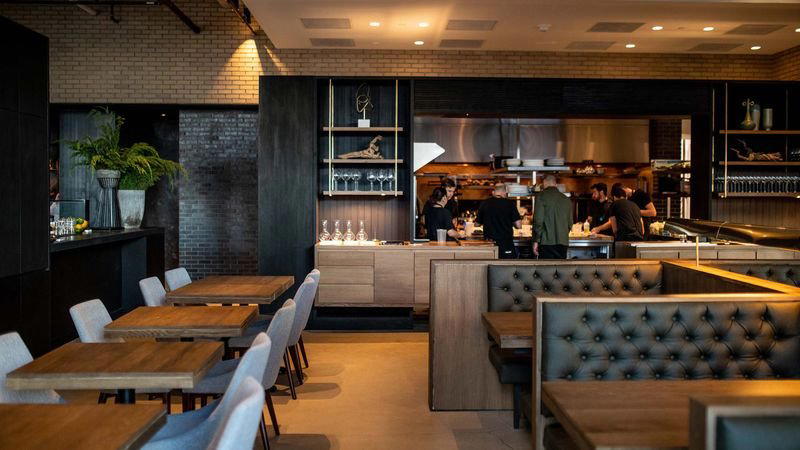
Bars in Austin
Browse all →
Hotels in Austin
Browse all →
At a Glance
- Rustic
- Cozy
- Warm
- Elegant
- Date Night
- Business Dinner
- Special Occasion
- Open Kitchen
- Extensive Wine List
- Craft Cocktails
- Farm To Table
Current opening hours
- Monday
- 11 AM–10 PM
- Tuesday
- 11 AM–10 PM
- Wednesday
- 11 AM–10 PM
- Thursday
- 11 AM–10 PM
- Friday
- 11 AM–11 PM
- Saturday
- 10 AM–11 PM
- Sunday
- 10 AM–10 PM
Hours can change for holidays and private events. Last verified .
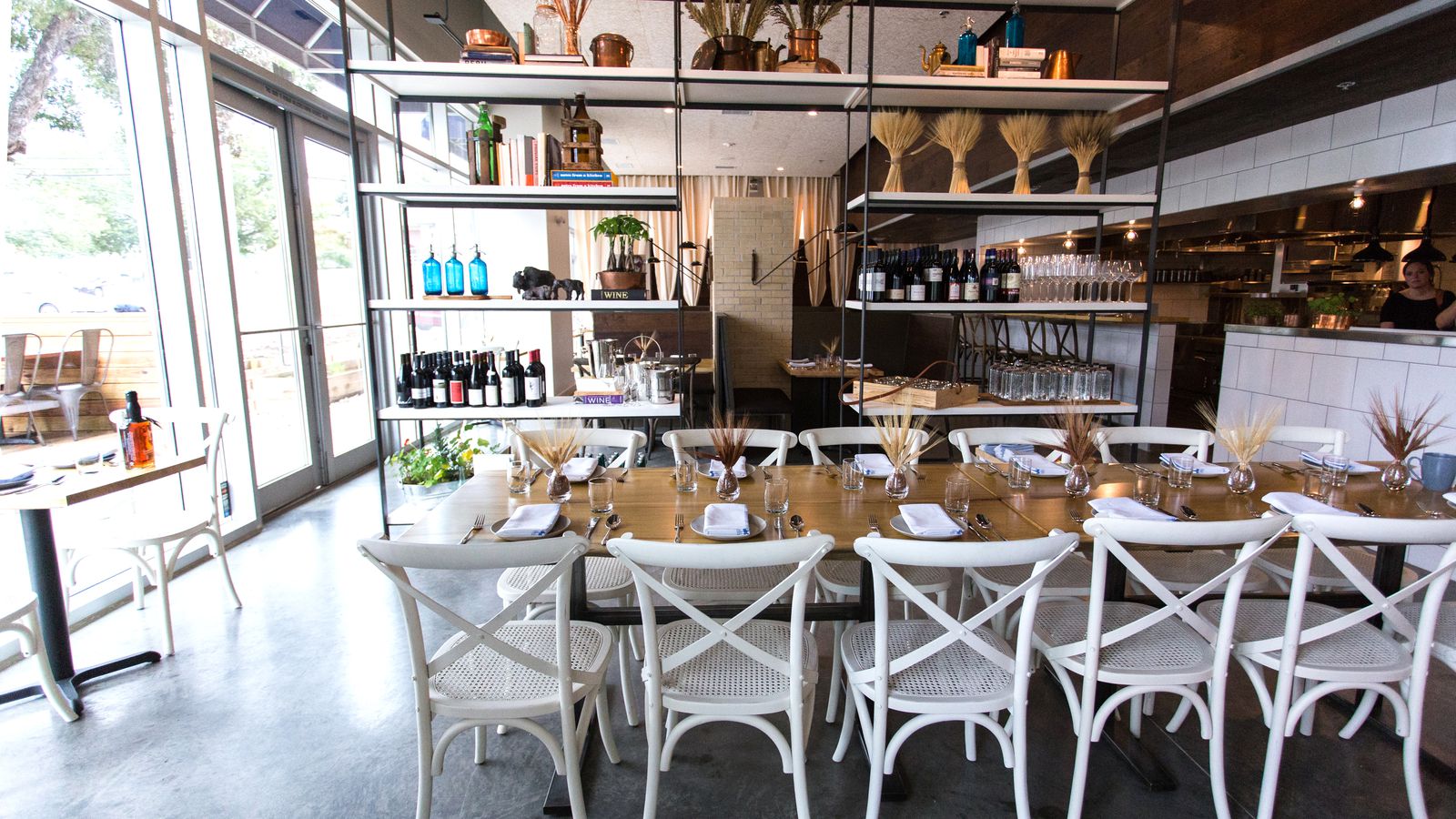
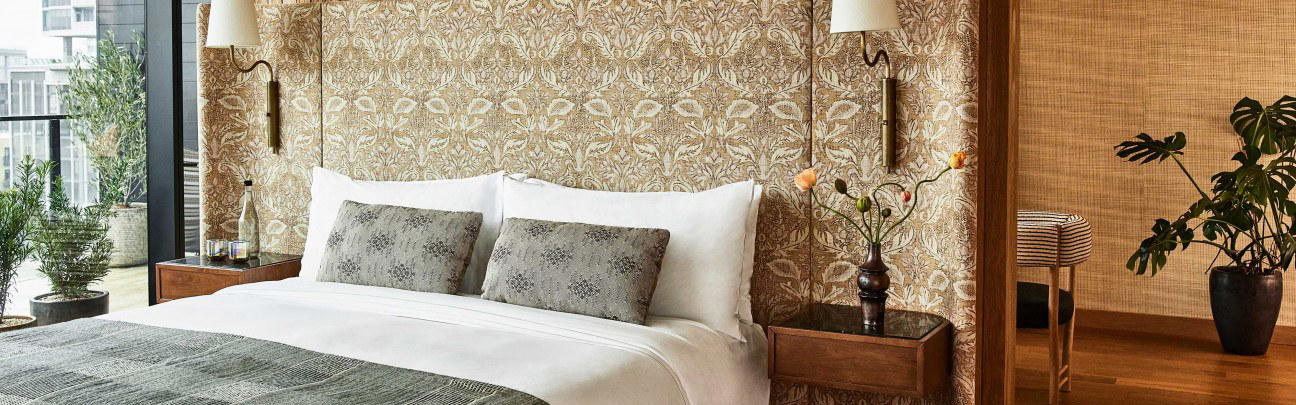
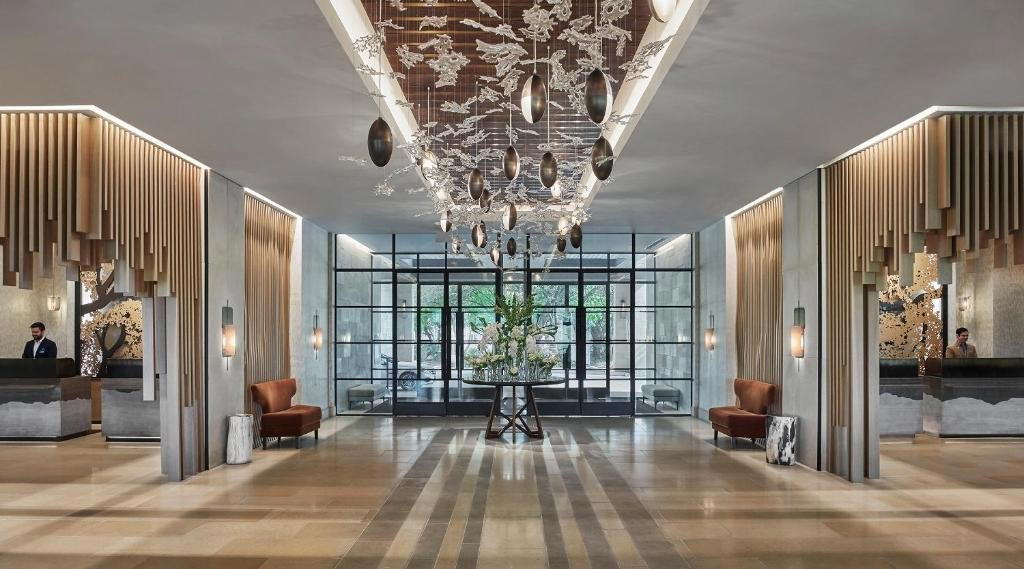
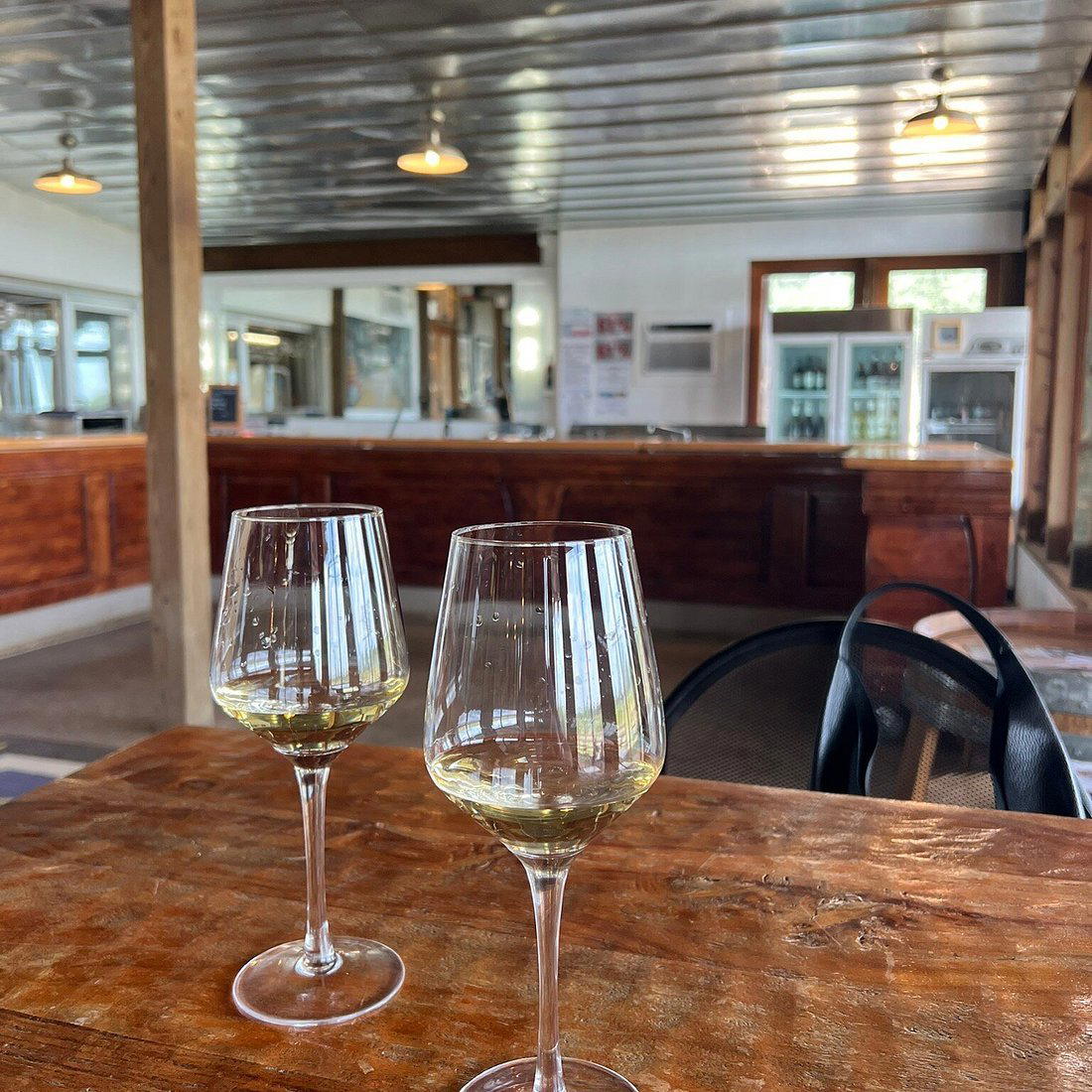
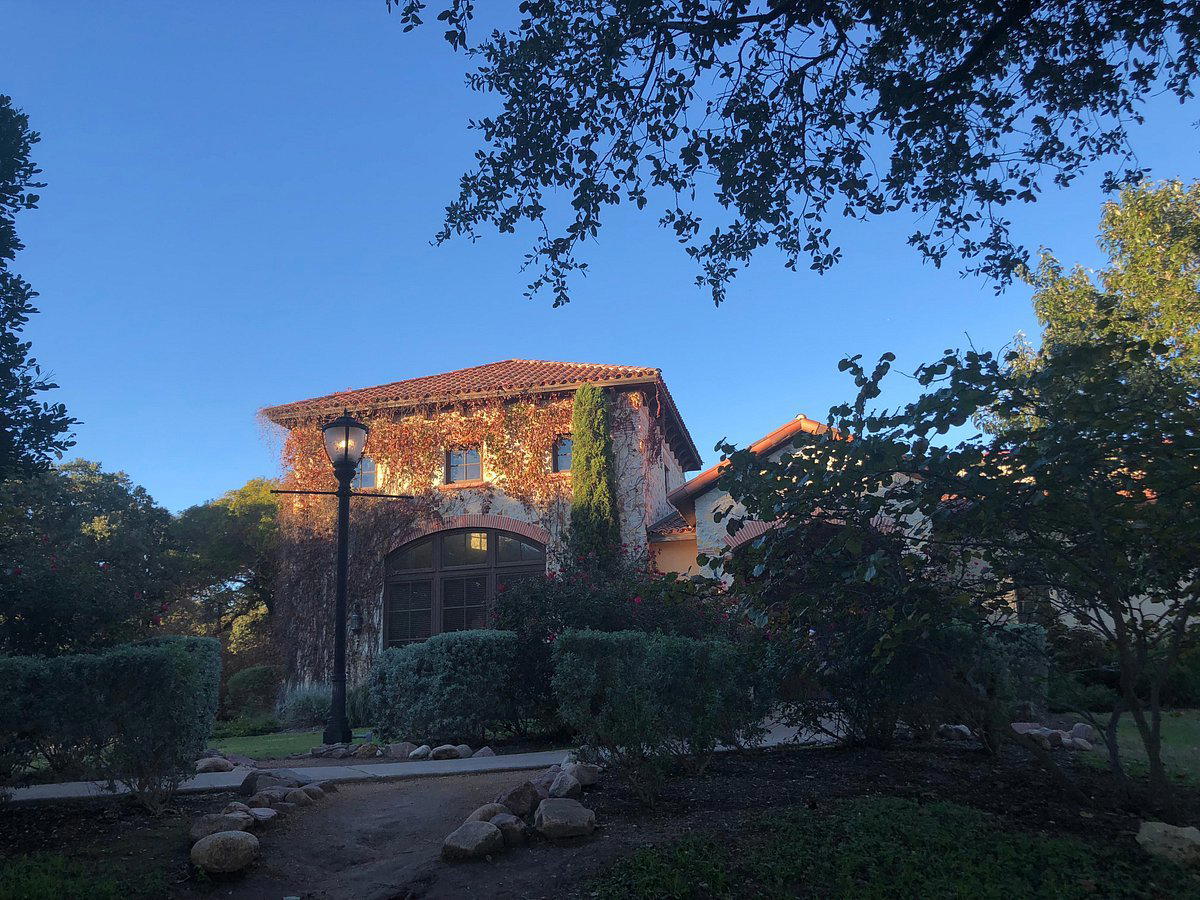
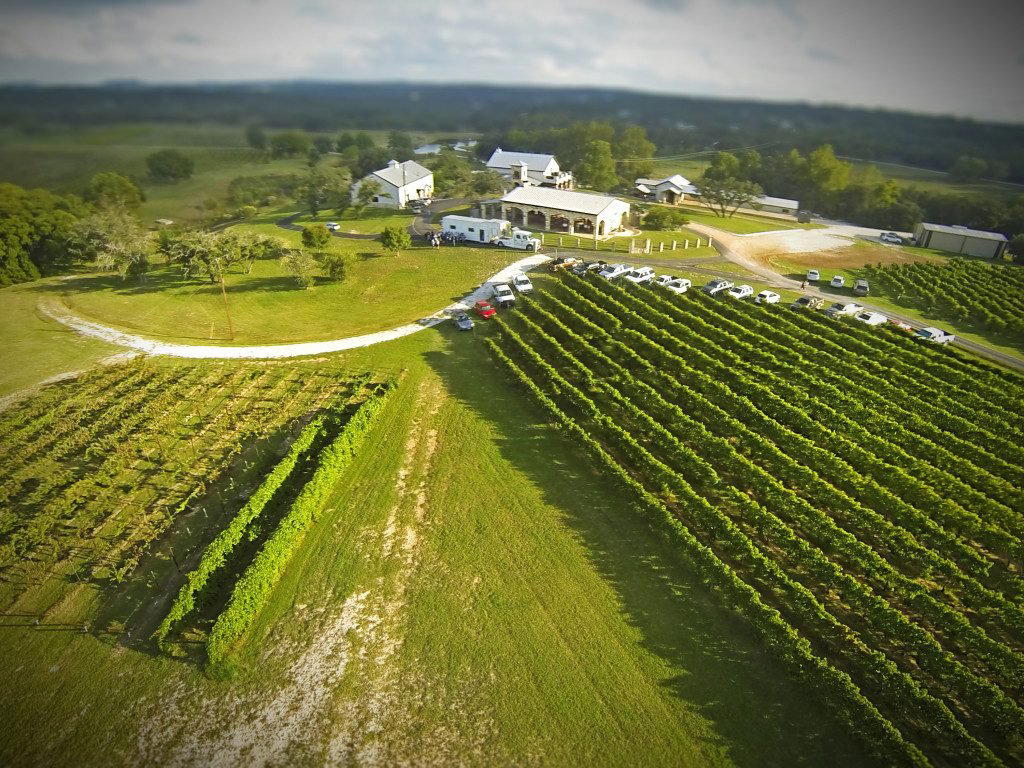
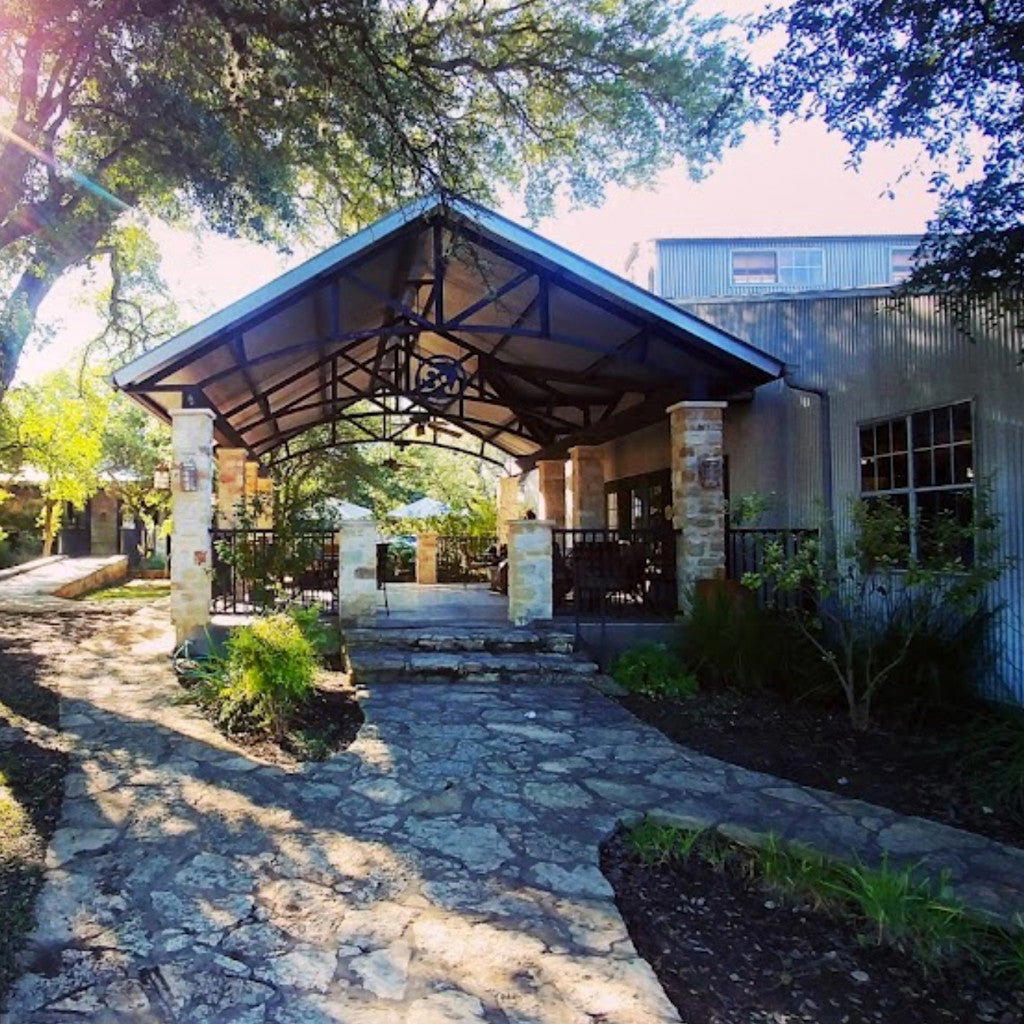
Warm and inviting with rustic interiors, pleasant outdoor seating, and a hospitable atmosphere praised in reviews.