Arlo Grey by Kristen Kish
Arlo Grey by Kristen Kish sits at 111 E Cesar Chavez St on the edge of Lady Bird Lake, positioning it among Austin's more ambitious full-service dining rooms rather than its celebrated barbecue circuit. The restaurant reflects a broader shift in the city's fine-casual scene toward chef-driven tasting formats and cross-cultural technique. Reservations are advisable, particularly on weekends.
Pearl is the En Primeur Club membership app — saves, bookings, and concierge access live there. Same editors, same standards.
- Address
- 111 E Cesar Chavez St, Austin, TX 78701
- Phone
- +15124782991
- Website
- thelinehotel.com
- Directions
- Get directions
 Saves & bookings on Pearl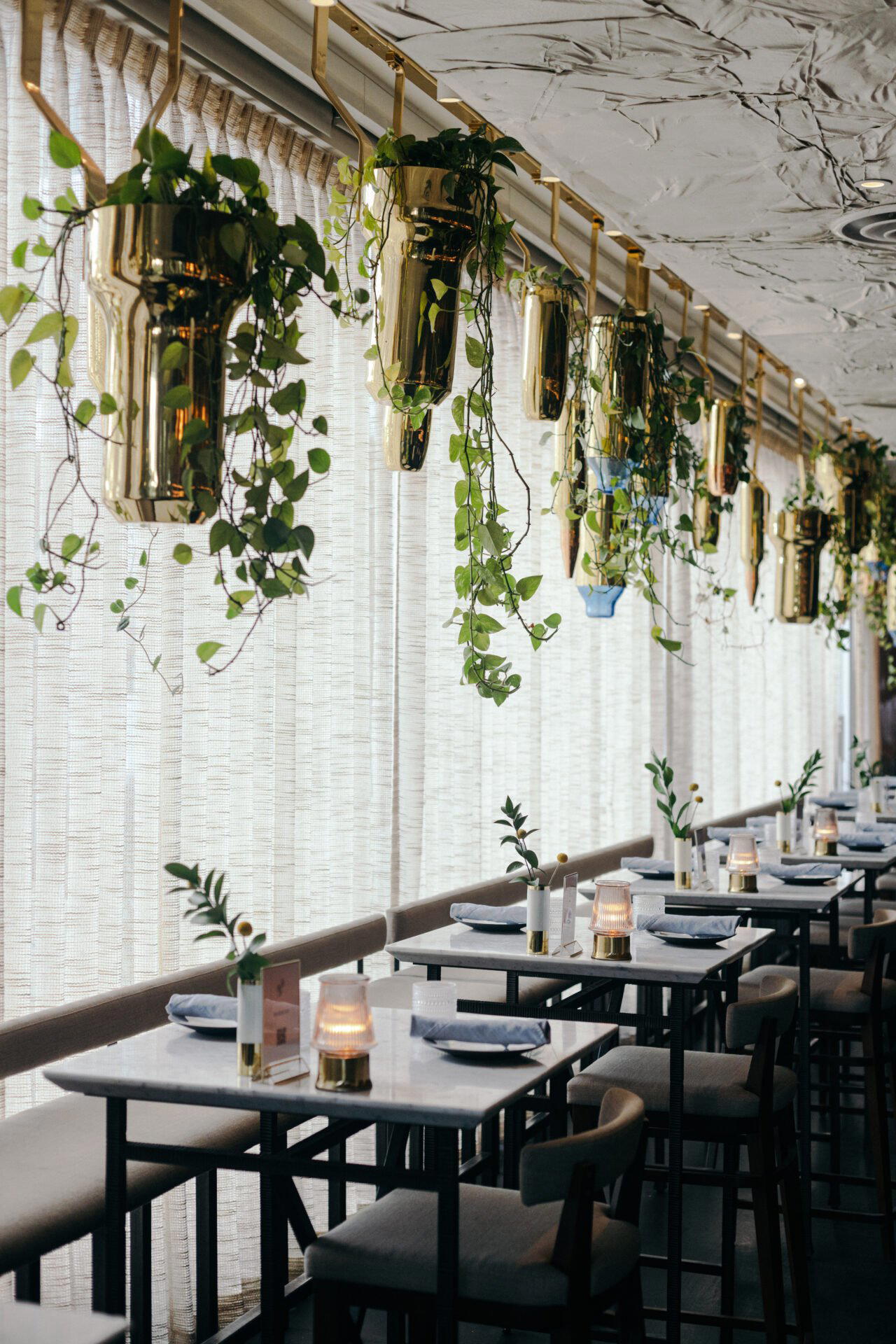
Where Austin's Waterfront Meets Chef-Driven Ambition
Arlo Grey by Kristen Kish is a restaurant in Austin, Texas, serving modern American fusion at 111 E Cesar Chavez St. Hotel restaurants here no longer function as fallback options for guests who don't want to venture out; they compete directly with the city's standalone dining rooms for reservation slots and critical attention. Arlo Grey by Kristen Kish, housed at 111 E Cesar Chavez St, sits in that sharper tier, where the address and the chef name carry equal weight in the booking decision.
Austin's fine-casual scene has fractured into recognizable sub-categories over the past decade. The barbecue circuit, anchored by operators like la Barbecue and InterStellar BBQ, commands its own devoted following and operates on entirely different economics and timing logic. The New American and contemporary fine-dining tier, which includes Barley Swine at the leading end and the live-fire format at Hestia, represents a different kind of ambition: tasting formats, sourcing narratives, and technique borrowed from both European and Asian traditions. Arlo Grey occupies space in that second category, with the additional signal of a nationally recognized chef attached to the project.
The Room and What It Communicates
Hotel dining rooms in this price tier tend toward one of two visual registers: the heavily art-directed maximalism that tries to compete with standalone restaurants on atmosphere alone, or the quieter, more controlled environment that lets the food do the arguing. Arlo Grey leans toward the latter. The Lake Austin-adjacent setting means light plays a meaningful role in how the room reads across different sittings, a lunch or early dinner service carries a visual texture that a late reservation does not. That environmental variable is worth factoring into how you approach your first visit.
Acoustically, hotel restaurants at this level face a structural challenge: a clientele that includes both destination diners who made a specific reservation and hotel guests who drifted in, producing a room where the energy can shift unpredictably. The better operations manage this through physical design, material choices that absorb sound without deadening the room entirely. What arrives at the table, and the pace at which it arrives, tends to matter more than the noise reading on any given evening.
Kristen Kish in the Context of American Chef Culture
The chef name here is not incidental. Kristen Kish's public profile extends well beyond Austin, her presence in American food media, and the visibility that came with her hosting role on Leading Chef, places her in a cohort of chefs whose restaurants function simultaneously as culinary destinations and cultural reference points. That cohort also includes figures associated with restaurants like Le Bernardin in New York City, Lazy Bear in San Francisco, and Smyth in Chicago, places where the chef's identity and the restaurant's identity have become genuinely inseparable.
That kind of attachment creates specific expectations. Diners arriving at Arlo Grey are not coming neutral; they arrive with a framework built from television appearances, press profiles, and word of mouth. The dining room's task is to meet that framework with something that holds up on its own terms, food that reads as coherent and technically grounded rather than as a brand extension. The cross-cultural influences that have characterized Kish's cooking, Korean technique woven into a broadly American framework, sit within a wider national conversation about how American fine dining absorbs and transforms outside influence. Atomix in New York City and Addison in San Diego represent different points on that same spectrum.
Austin's Broader Fine-Dining Moment
Austin is no longer a city where fine dining requires an apology or an asterisk. The growth of the city's population base, and the acceleration of that growth during and after the pandemic, brought with it both a larger pool of frequent diners and a sharper expectation that the city could support restaurants operating at the level of counterparts in Chicago, New York, or the California wine country. Properties like Single Thread Farm in Healdsburg, Blue Hill at Stone Barns in Tarrytown, and The French Laundry in Napa set a national reference line; Austin's top tier is now regularly benchmarked against it.
Arlo Grey's location in this city moment is deliberate. A chef-attached hotel restaurant on a high-visibility waterfront address is a calculated position in a market that now has the density to sustain it. The comparable in New Orleans would be something like Emeril's, where a nationally known chef name anchors a room that local diners also claim as their own. In Los Angeles, Providence occupies a similar structural role, a restaurant that functions as both a local institution and a destination for visitors arriving with specific intent. The Inn at Little Washington and Atelier Moessmer Norbert Niederkofler in Brunico represent the further extreme of destination dining built around singular chef identity. Arlo Grey sits earlier on that curve, a restaurant still accumulating its own local history.
It covers the specialist omakase tier, including Craft Omakase, alongside the barbecue circuit and the New American rooms that define the city's current dining identity.
Planning Your Visit
Approaching the room earlier in the week tends to offer more flexibility, both in terms of table availability and the pacing of service. The waterfront orientation means that sittings earlier in the evening carry a different ambient quality than late-night reservations, the decision of when to book shapes the experience as much as the menu itself.
The Quick Read
Comparable venues nearby, for context on price, style, and recognition.
| Venue | Cuisine | Price | Notes |
|---|---|---|---|
| Arlo Grey by Kristen KishThis venue — the venue you are viewing | South Congress, Modern American Fusion | $$$ | Not listed |
| The Carillon | Not listed | $$$ | The Drag, New American with Texas influences |
| The Lonesome Dove Western Bistro | Not listed | $$$ | Warehouse District, Modern Western Bistro |
| Ciclo | Not listed | $$$$ | South Congress, Modern Texas Steakhouse with Latin Influences |
| Café No Sé | Not listed | $$ | South River City, California-Inspired American Café |
| Magnolia Cafe | Not listed | $$ | South River City, American Diner with Tex-Mex |
Continue exploring
More in Austin
Restaurants in Austin
Browse all →
Bars in Austin
Browse all →
Hotels in Austin
Browse all →
At a Glance
- Modern
- Trendy
- Sophisticated
- Minimalist
- Date Night
- Special Occasion
- Celebration
- Hotel Restaurant
- Open Kitchen
- Private Dining
- Panoramic View
- Craft Cocktails
- Extensive Wine List
- Local Sourcing
- Waterfront
- Skyline
Current opening hours
- Monday
- Closed
- Tuesday
- Closed
- Wednesday
- 5–10 PM
- Thursday
- 5–10 PM
- Friday
- 5–10 PM
- Saturday
- 5–10 PM
- Sunday
- 5–10 PM
Hours can change for holidays and private events. Last verified .
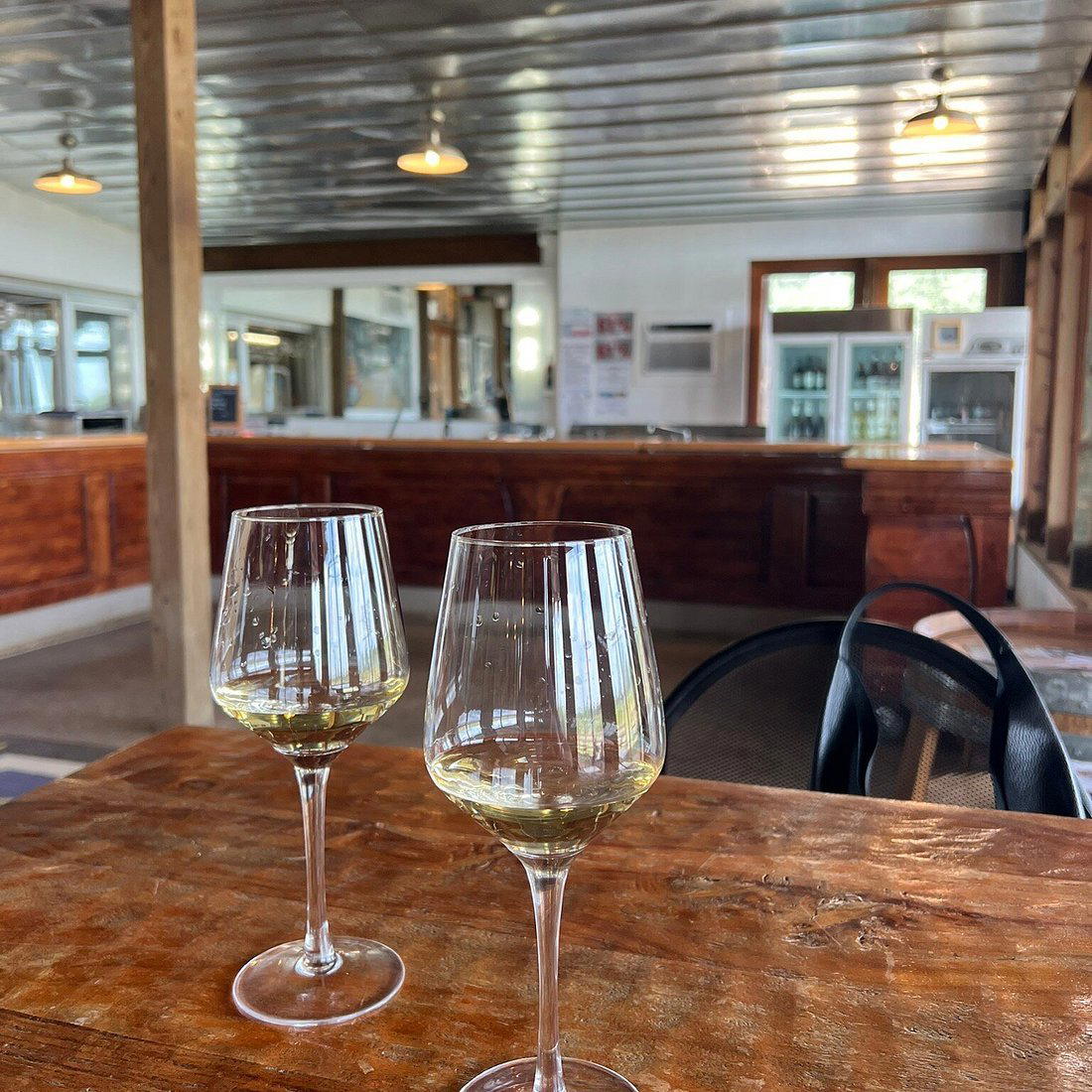
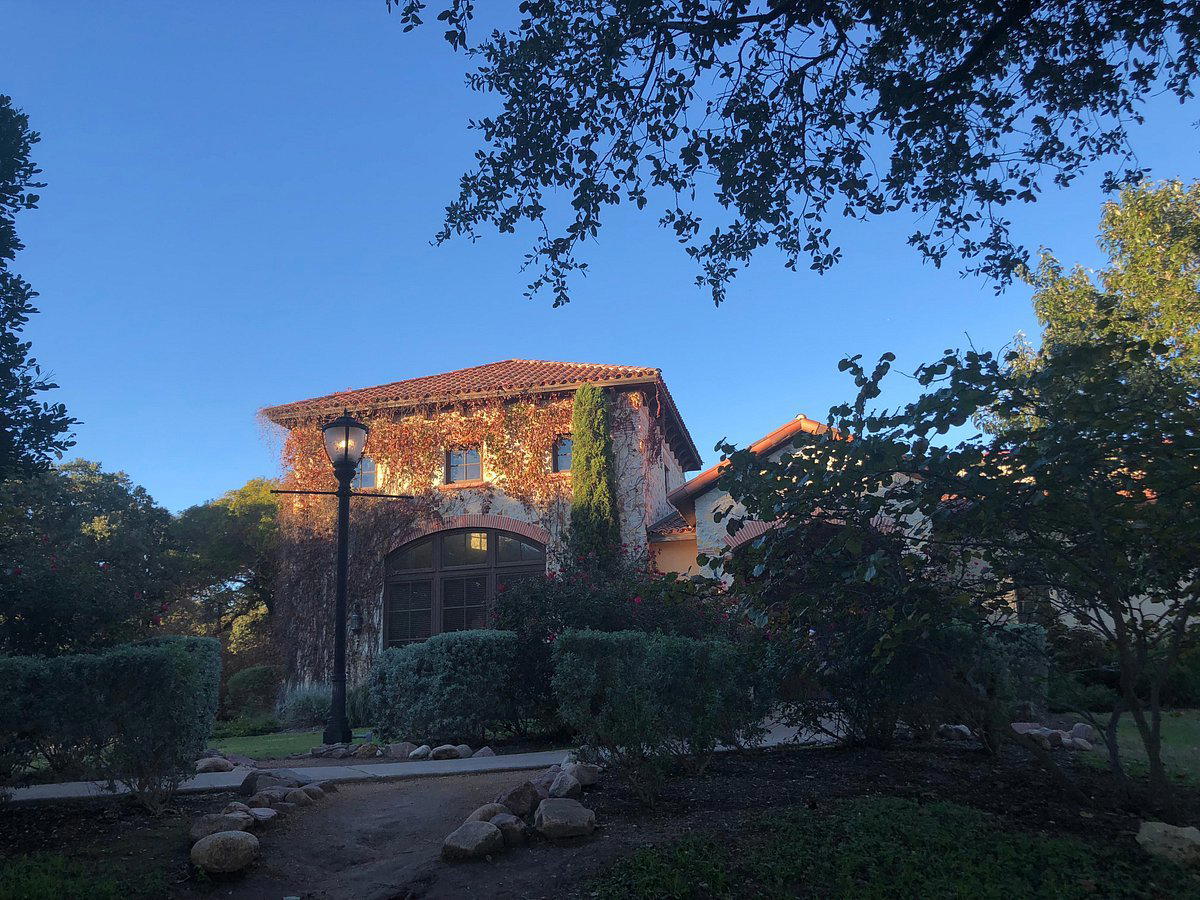
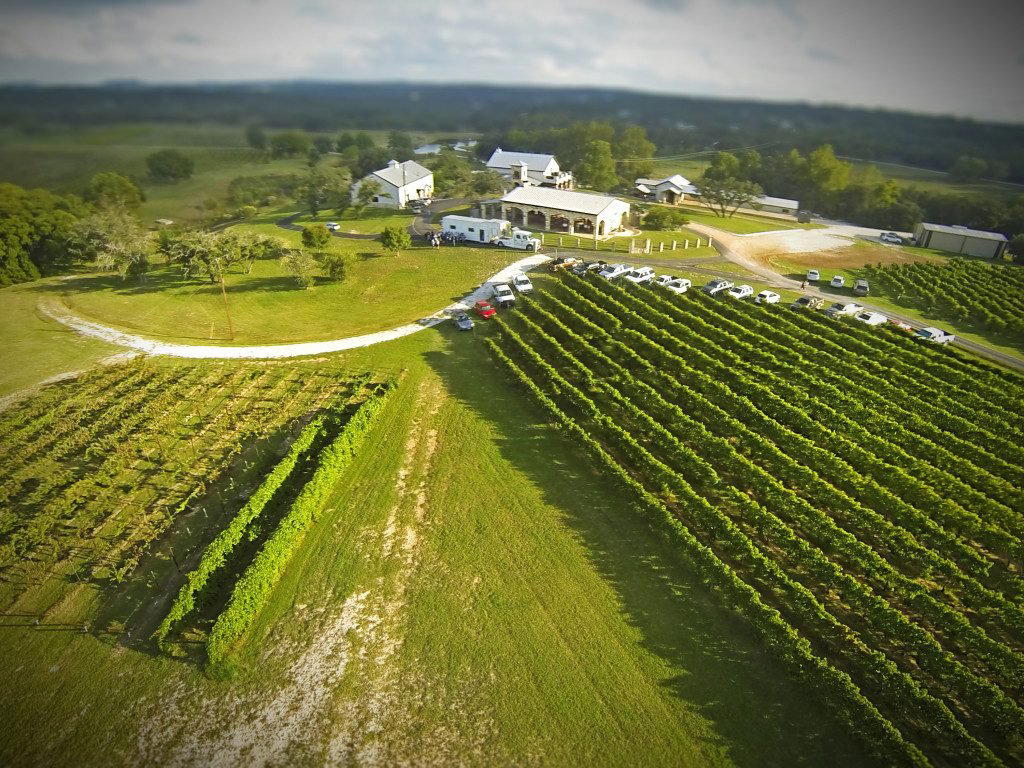
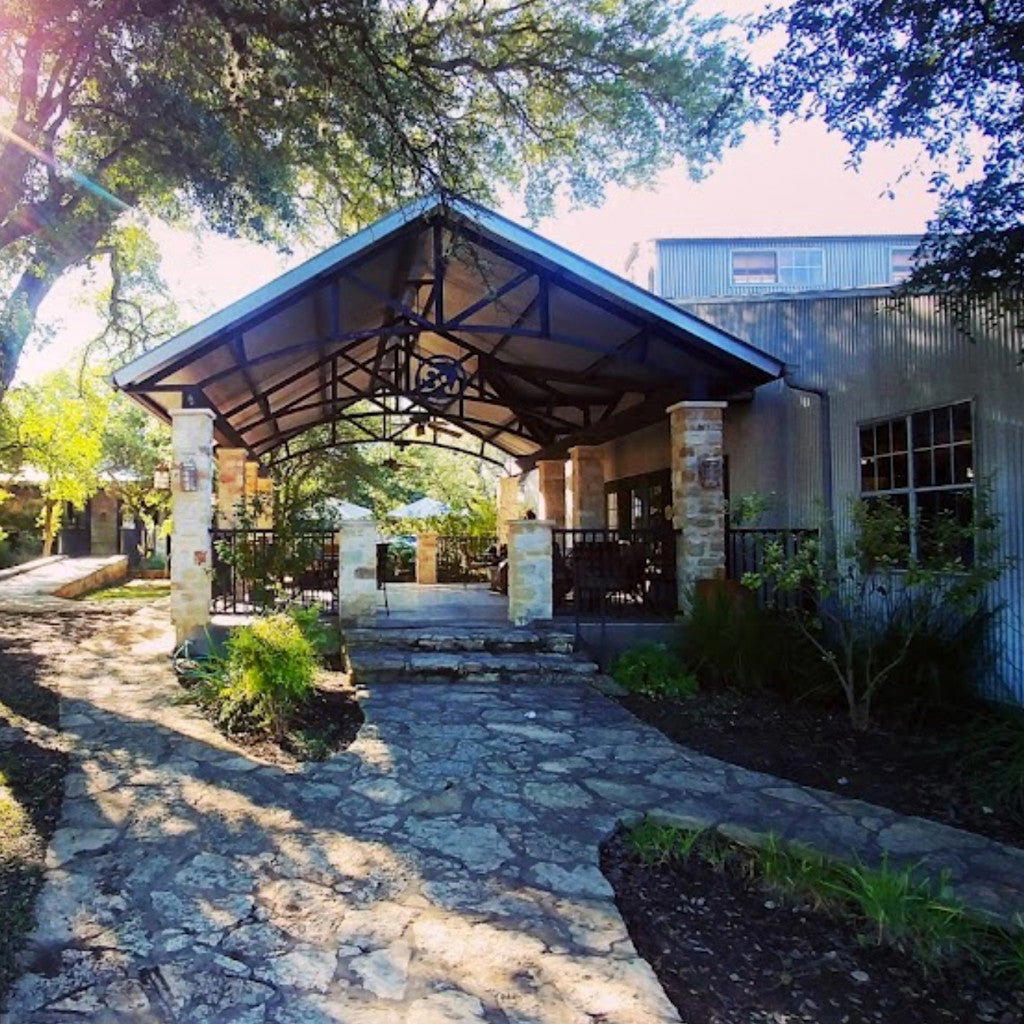
Modern minimalist design with lush greenery, gold lanterns, and panoramic views of Lady Bird Lake creating a sophisticated yet natural atmosphere.