La Traviata
La Traviata occupies a quieter corner of Austin's Southwest Parkway corridor, operating in a city where Italian dining sits between casual red-sauce institutions and the new wave of European-influenced fine dining. The kitchen's position in that mid-to-upper register makes it worth tracking for those working through Austin's more considered restaurant options. Check current availability directly before planning a visit.
Pearl is the En Primeur Club membership app — saves, bookings, and concierge access live there. Same editors, same standards.
- Address
- 7415 Southwest Pkwy Bldg. 4, Ste. 100, Austin, TX 78735
- Phone
- +15125205200
- Website
- latraviataaustin.toast.site
- Directions
- Get directions
 Saves & bookings on Pearl
Southwest Austin's Italian Dining Tier
Austin's dining geography has expanded significantly southwestward over the past decade, with the Southwest Parkway corridor developing a quieter, more residential dining character than the denser 6th Street or South Congress corridors. Italian restaurants in this part of the city tend to operate at a remove from the downtown scene's trend cycles, building a more regular, neighbourhood-anchored clientele. La Traviata, at 7415 Southwest Pkwy, sits within that pattern, a restaurant whose address alone signals a particular kind of Austin dining: less performative, more rooted in repeat visits than in first-night spectacle.
That geographic positioning matters when reading Austin's Italian dining category as a whole. The city's Italian options range from fast-casual pasta counters in the Domain to white-tablecloth European rooms near the Arboretum, with a mid-tier of neighbourhood trattorias filling the space between. The Southwest Pkwy address places La Traviata firmly in the neighbourhood-anchor bracket, where the competitive set is defined less by Michelin ambitions and more by consistency, sourcing integrity, and the kind of food that holds up across dozens of visits rather than one high-stakes occasion.
Where Italian Sourcing Meets Texas Supply
The interesting structural tension in Austin's Italian dining scene is the question of sourcing. Italian cuisine at its core is a sourcing cuisine: the quality of olive oil, the provenance of cured meats, the freshness of pasta, the character of tomatoes all drive outcomes more directly than technique or plating. In Texas, that sourcing challenge has a specific shape. Central Texas farms have expanded their output of European-variety produce over the past fifteen years, herbs, specialty alliums, dry-farmed tomatoes, and the Austin wholesale network now gives mid-tier Italian kitchens access to ingredient quality that was difficult to source locally a decade ago.
This shift has allowed Austin's more considered Italian restaurants to move away from the default of imported-everything and toward a more hybrid sourcing model: imported DOP-certified pantry staples (San Marzano tomatoes, Parmigiano-Reggiano, high-quality charcuterie) combined with locally sourced fresh produce and proteins. That approach, when executed with discipline, produces food that reads as authentically Italian in structure while carrying a distinctly Texas inflection in its seasonal rhythm. It also positions these kitchens differently from the coastal Italian establishments, places like Le Bernardin in New York City or 8 1/2 Otto e Mezzo Bombana in Hong Kong, where ingredient import logistics are more direct and the ingredient mix leans more heavily European.
Within Austin's own fine-dining tier, the sourcing conversation extends across cuisines. Barley Swine has built its New American program around local and regional sourcing as a primary editorial statement, while Hestia uses live-fire technique to foreground Texas protein quality. Italian kitchens operating in Austin are navigating a similar set of decisions, what to source locally, what to import, and how to communicate that balance to a dining public increasingly attentive to ingredient provenance.
Reading the Room: Austin's Italian Category in Context
Italian cuisine occupies a structurally complicated position in American fine dining. At the summit of the national market, Italian-rooted kitchens like The French Laundry in Napa and Alinea in Chicago demonstrate how European culinary traditions can anchor prestige American dining rooms, though both operate in a register well above the trattoria format. Further along the spectrum, destination restaurants like Single Thread Farm in Healdsburg and Blue Hill at Stone Barns in Tarrytown have made ingredient sourcing the organizing principle of their entire kitchen and service philosophy. These are reference points for where the sourcing conversation in fine dining has moved nationally, even for restaurants operating at a significantly different price point and format.
Austin's Italian mid-tier sits at a practical distance from that prestige bracket. The relevant comparable set locally includes Southern-leaning rooms like Olamaie (which operates at the $$$ level with a similar neighbourhood-anchored clientele) and New American formats like Odd Duck, which operates in the same price territory with a commitment to local sourcing that has helped define Austin's mid-tier restaurant character. La Traviata's Southwest Pkwy position and building-suite address suggest a room calibrated for the same kind of regular, non-occasion dining that defines this competitive set.
For visitors whose Austin dining itinerary spans multiple cuisines, the city's Craft Omakase represents the Japanese counter format at Austin's upper end, while InterStellar BBQ and la Barbecue anchor the smoked-meat tradition that remains Austin's most internationally recognised dining export. Italian dining, in this context, fills a specific gap: European structure, seasonal flexibility, and a format that accommodates both solo dining and group meals in ways that omakase counters and barbecue queues typically do not.
Planning a Visit
The restaurant is located at 7415 Southwest Pkwy, Building 4, Suite 100, in the 78735 zip code, a business-park-adjacent address that is more accessible by car than on foot, consistent with the Southwest Austin dining geography. Given Austin's overall dining demand, particularly at the city's more established neighbourhood restaurants, planning contact at least one to two weeks ahead is a reasonable baseline for weekday visits, with weekend bookings warranting earlier outreach.
For a fuller picture of Austin's restaurant range across price tiers and cuisine formats, our full Austin restaurants guide covers the city's key neighbourhoods and dining categories. National comparison points for those tracking the wider Italian and European fine-dining conversation include Emeril's in New Orleans, Providence in Los Angeles, Addison in San Diego, The Inn at Little Washington, and Lazy Bear in San Francisco, each of which represents a different approach to European culinary tradition in an American fine-dining context. For contrast on how Asian culinary precision intersects with the prestige dining conversation, Atomix in New York City is a useful reference point.
Similar Picks
Comparable venues nearby, for context on price, style, and recognition.
| Venue | Cuisine | Price | Notes |
|---|---|---|---|
| La TraviataThis venue — the venue you are viewing | Classic Italian Trattoria | $$$ | Not listed |
| Gino's East of Chicago | Chicago Deep-Dish Pizza | $$ | Downtown Austin |
| Laurel | Coastal Italian with Texas Flair | $$$ | West Austin |
| Rocco’s Neighborhood Joint | Neighborhood Italian | $$ | North Loop |
| Juliet Italian Kitchen | Classic Italian Kitchen | $$ | Gateway |
| Poeta | Contemporary Italian | $$$ | East Austin |
Continue exploring
More in Austin
Restaurants in Austin
Browse all →
Bars in Austin
Browse all →
Hotels in Austin
Browse all →
At a Glance
- Romantic
- Classic
- Elegant
- Intimate
- Date Night
- Business Dinner
- Special Occasion
- Celebration
- Standalone
- Extensive Wine List
- Local Sourcing
Current opening hours
- Monday
- 11 AM–2 PM, 3–9:30 PM
- Tuesday
- 11 AM–2 PM, 3–9:30 PM
- Wednesday
- 11 AM–2 PM, 3–9:30 PM
- Thursday
- 11 AM–2 PM, 3–9:30 PM
- Friday
- 11 AM–2 PM, 3–10 PM
- Saturday
- 5–10 PM
- Sunday
- 11 AM–2 PM, 5–9 PM
Hours can change for holidays and private events. Last verified .
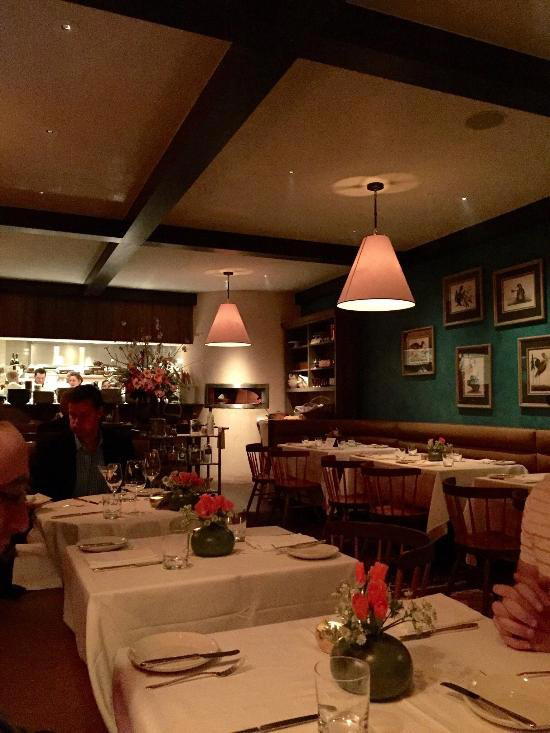
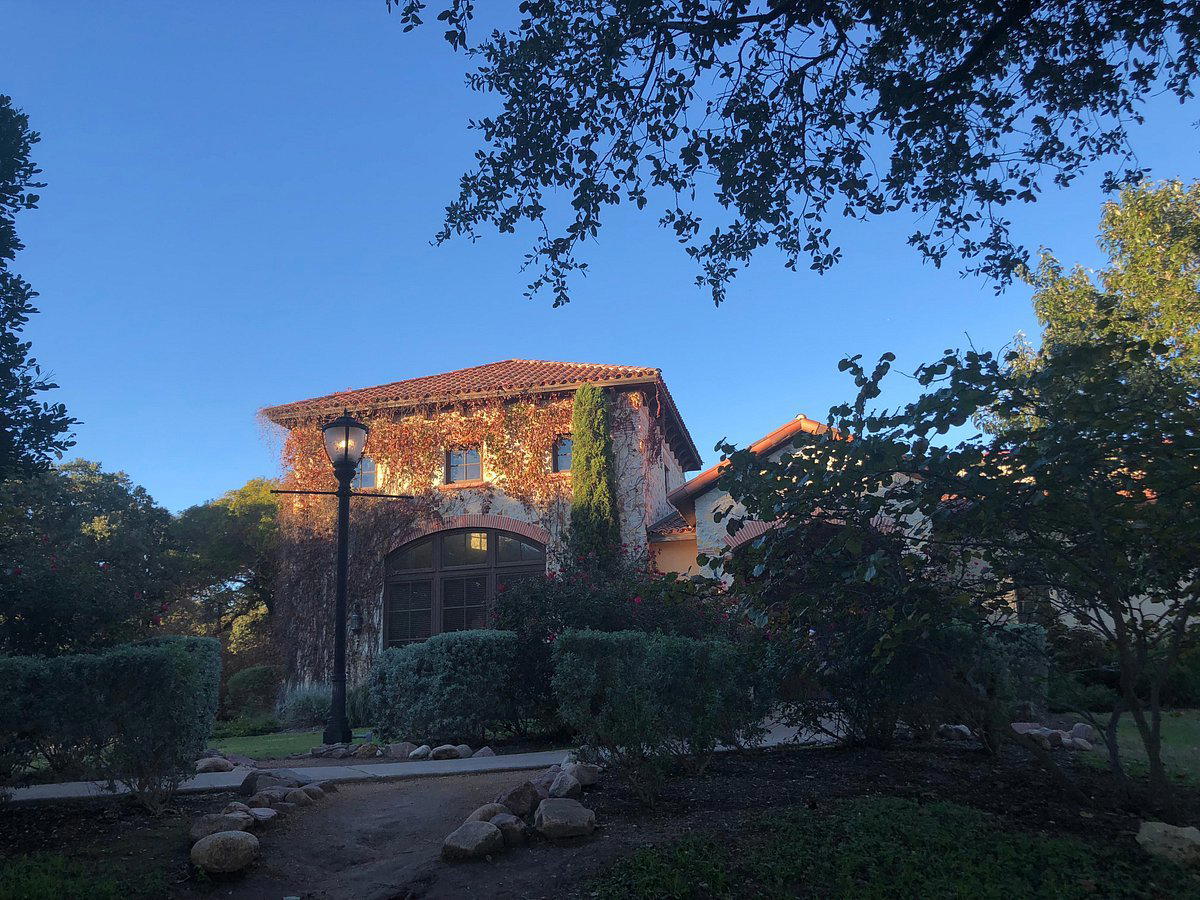
Rich, warm ambiance reminiscent of early 1960s Italian eateries with pleasant lighting and classic decor; can be noisy during peak dining hours.