Intero
Intero serves contemporary Italian with local influences in Austin, with a conversational, leisurely dinner pace, craft cocktails, and an extensive wine list.
Pearl is the En Primeur Club membership app — saves, bookings, and concierge access live there. Same editors, same standards.
- Address
- 2612 E Cesar Chavez St Suite 105, Austin, TX 78702
- Phone
- +15125994052
- Website
- interorestaurant.com
- Directions
- Get directions
 Saves & bookings on Pearl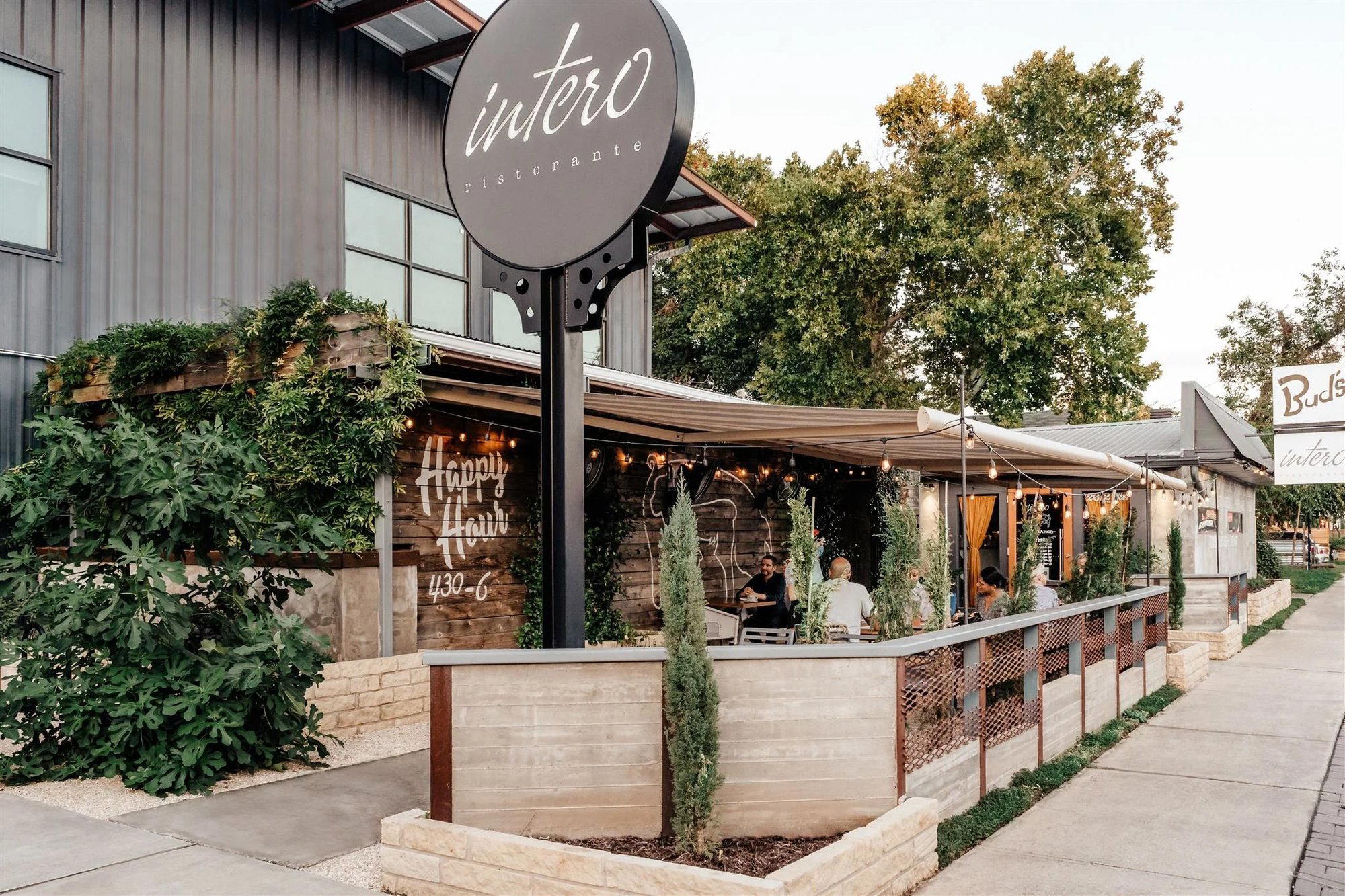
East Austin's Approach to Italian-Rooted, Texas-Grounded Cooking
East Cesar Chavez has spent the better part of a decade consolidating a particular kind of dining ambition: restaurants that take technique seriously without performing it. The stretch between the highway and the older residential grid now holds a concentration of kitchens where training from outside Texas gets applied directly to what grows, grazes, and ferments inside it. Intero is a restaurant in Austin, Texas, at 2612 E Cesar Chavez St Suite 105, serving contemporary Italian with local influences. Intero, at 2612 E Cesar Chavez, sits inside that current. The room is compact and unhurried, the kind of space where the absence of visual noise is itself a statement about where the attention is supposed to go.
The Intersection of Imported Method and Local Material
The operative frame for understanding Intero is not Italian food in Texas, but Italian technique as a logic for processing Texas ingredients. That distinction matters more than it might first appear. Italian culinary tradition, at its most disciplined, is built around the subordination of technique to ingredient quality: pasta as a vehicle for the sauce, the sauce as a vehicle for what came out of the ground or the sea that morning. Applied to a state with serious ranching heritage, a proliferating network of small farms, and a Gulf Coast larder that remains underused by fine-dining kitchens, that framework produces something that cannot be replicated by either a conventional Italian restaurant or a conventionally local-sourcing New American one.
This places Intero in a small but growing national category. Restaurants like Single Thread Farm in Healdsburg and Blue Hill at Stone Barns in Tarrytown have demonstrated that the ingredient-first cooking philosophy can anchor a fine-dining program without requiring the guest to accept a tasting menu as the only format. In Austin, Hestia makes a parallel argument through live-fire American cooking, and Barley Swine has long worked the New American side of that same conversation. Intero's contribution is to route that argument through a specifically Italian sensibility, where cured meats, hand-formed pasta, and regional wine logic structure the menu rather than serve as accents.
Pasta as the Benchmark
In Italian culinary tradition, handmade pasta is one of the more demanding tests of kitchen discipline: it requires consistency across humidity, temperature, and rest time, and it reveals quality of sourcing immediately because there is nowhere to hide. The pasta programs at kitchens like Le Bernardin in New York City and Alinea in Chicago operate at scale and with resources that most regional restaurants cannot match. What Intero represents is a different proposition: a smaller kitchen applying that same standard of craft at a scale where sourcing decisions are visible in every dish.
Austin diners who move between Intero and the barbecue canon, represented by addresses like la Barbecue and InterStellar BBQ, are navigating a city that has two distinct and serious dining registers. The barbecue tradition is product-obsessed and technique-driven in its own right; the emerging fine-dining tier, of which Intero is a part, applies a different vocabulary to many of the same underlying values. Both traditions take sourcing seriously. The difference is format, not philosophy.
Where Intero Sits in the Austin Dining Tier
Austin's fine-dining tier has expanded considerably since the mid-2010s, and the East Side has absorbed a disproportionate share of that growth. The neighbourhood's relative affordability for operators, combined with a customer base that includes both long-term residents and an influx of relocated professionals with exposure to coastal dining markets, has produced a concentration of kitchens willing to take formal risk. Intero belongs to the more focused end of that spectrum, alongside Craft Omakase, which makes a similar argument about precision and restraint from a Japanese rather than Italian foundation.
Nationally, the comparison set for what Intero is attempting includes Lazy Bear in San Francisco, Providence in Los Angeles, and Addison in San Diego: restaurants that use a European technical vocabulary to engage directly with regional American ingredients. The ambition is comparable; the price points and room sizes differ, and in Austin's case the ingredient palette is distinctly Texan. For a broader sense of how these kitchens fit into the city's full dining spectrum, the full Austin restaurants guide maps the range from barbecue joints to tasting-menu counters.
The Broader Italian-Technique Moment in American Dining
The application of Italian culinary structure to non-Italian regional ingredients is not distinctive to Austin, but it is happening with particular intensity in cities where the fine-dining scene is young enough to resist received categories. Restaurants like Emeril's in New Orleans and The Inn at Little Washington in Washington established earlier versions of the European-technique-meets-American-larder thesis. More recent kitchens, including Atomix in New York City and 8 1/2 Otto e Mezzo Bombana in Hong Kong, demonstrate how transferable that framework is across cultural contexts. What Intero contributes is a specifically Texan version of that argument: Italian structure, Gulf and Hill Country ingredients, East Austin address.
The French Laundry model, which The French Laundry in Napa has embodied for decades, insists that American fine dining earns its place by engaging with the specific terroir of its location rather than replicating a European original. That logic applies directly to what Intero is doing, even if the format is less formal and the price threshold is lower. The result is a restaurant that reads as Italian in grammar but Texan in vocabulary, which is precisely what the leading local-technique kitchens achieve.
Planning Your Visit
Intero is located at 2612 E Cesar Chavez Street, Suite 105, in the East Austin dining corridor. The suite address suggests a smaller, street-fronting space rather than a standalone building, which aligns with the neighbourhood's pattern of converted commercial strips. For reservations and current hours, checking directly with the restaurant is advisable; East Side kitchens in this tier tend to operate on focused service windows, and weekend seatings at comparable Austin addresses book two to four weeks ahead during peak season. Visiting on a weeknight typically allows more flexibility without sacrificing the full experience. For context on how Intero fits alongside other serious kitchens in the city, the EP Club Austin guide covers the full range of options across neighbourhoods and price tiers.
Recognition, Side-by-Side
Comparable venues nearby, for context on price, style, and recognition.
| Venue | Cuisine | Price | Notes |
|---|---|---|---|
| InteroThis venue — the venue you are viewing | Contemporary Italian with Local Influences | $$$ | Not listed |
| Poeta | Seasonal Italian | $$$ | East Austin |
| L'Oca d'Oro | Contemporary Italian Farm-to-Table | $$ | RMMA |
| It's Italian Cucina | Northern Italian (Piedmontese) | $$$ | Zilker |
| Pinthouse Pizza | Artisan Pizza & Craft Beer | $$ | Rosedale |
| All Day Pizza | New York-Style Pizza | $$ | Triangle State |
Continue exploring
More in Austin
Restaurants in Austin
Browse all →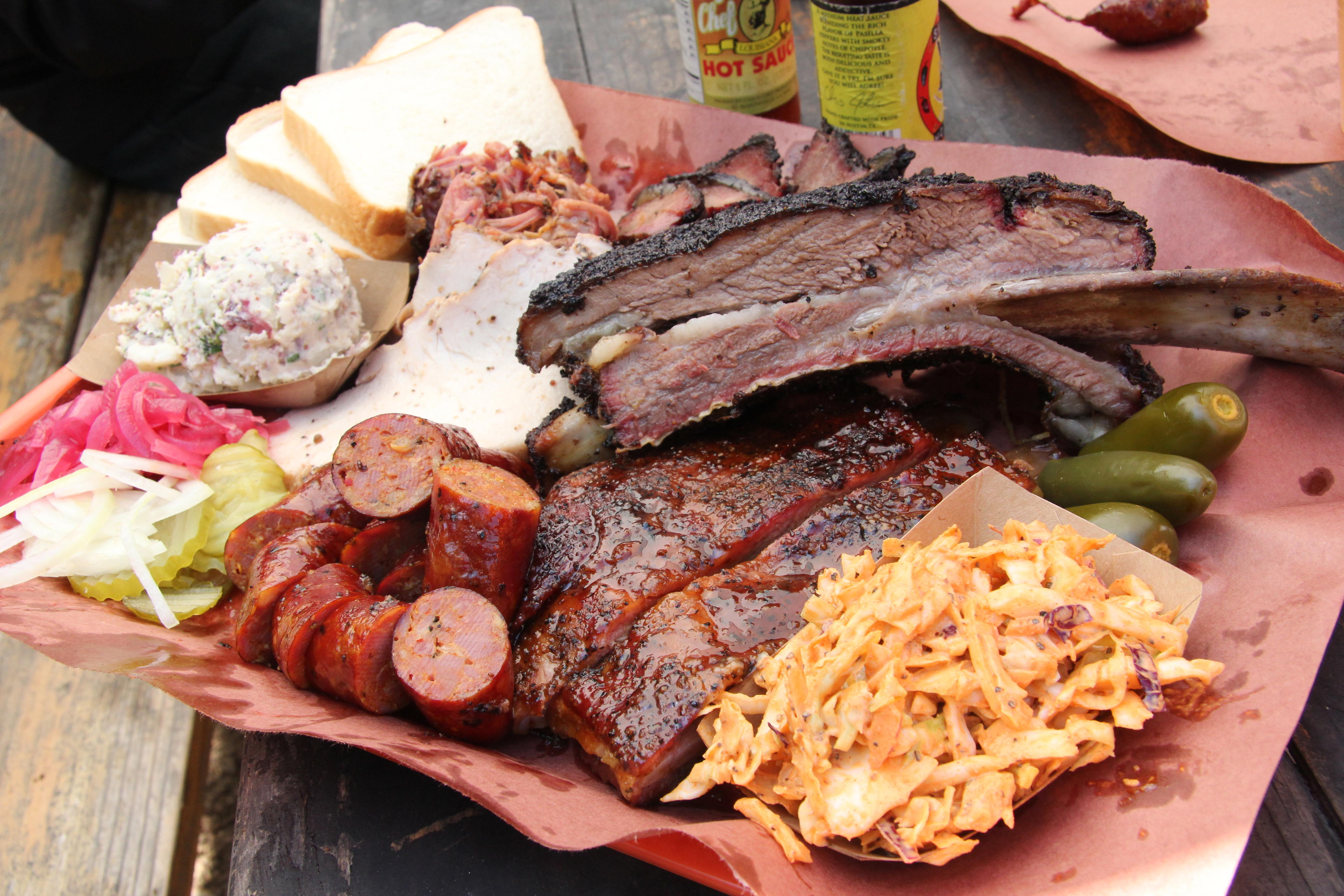
Bars in Austin
Browse all →
Hotels in Austin
Browse all →

At a Glance
- Romantic
- Intimate
- Lively
- Elegant
- Date Night
- Special Occasion
- Group Dining
- Open Kitchen
- Private Dining
- Standalone
- Extensive Wine List
- Craft Cocktails
- Farm To Table
- Local Sourcing
- Zero Waste
Current opening hours
- Monday
- 5–9 PM
- Tuesday
- 5–9 PM
- Wednesday
- 5–9 PM
- Thursday
- 5–9 PM
- Friday
- 5–10 PM
- Saturday
- 5–10 PM
- Sunday
- 5–9 PM
Hours can change for holidays and private events. Last verified .
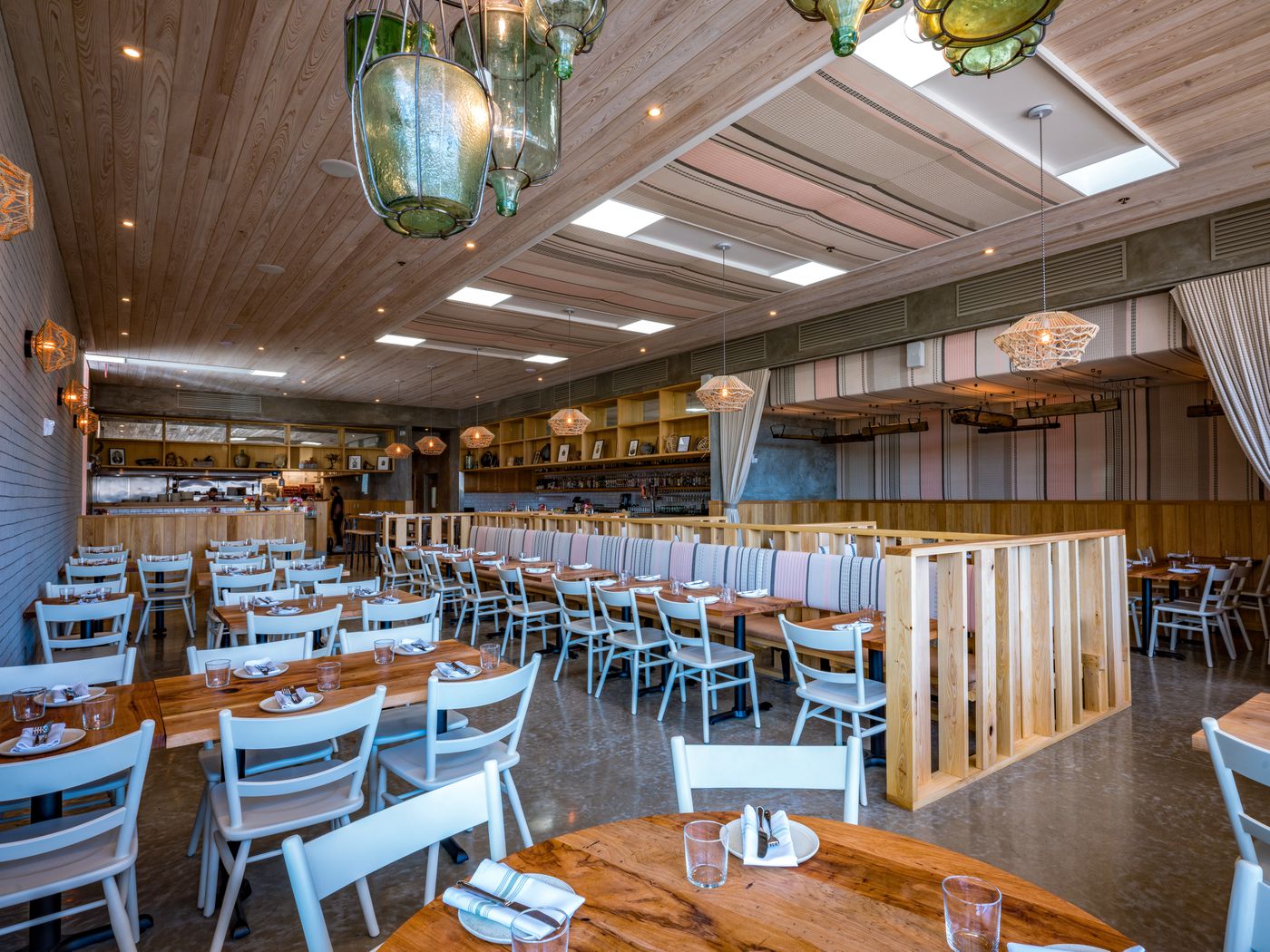
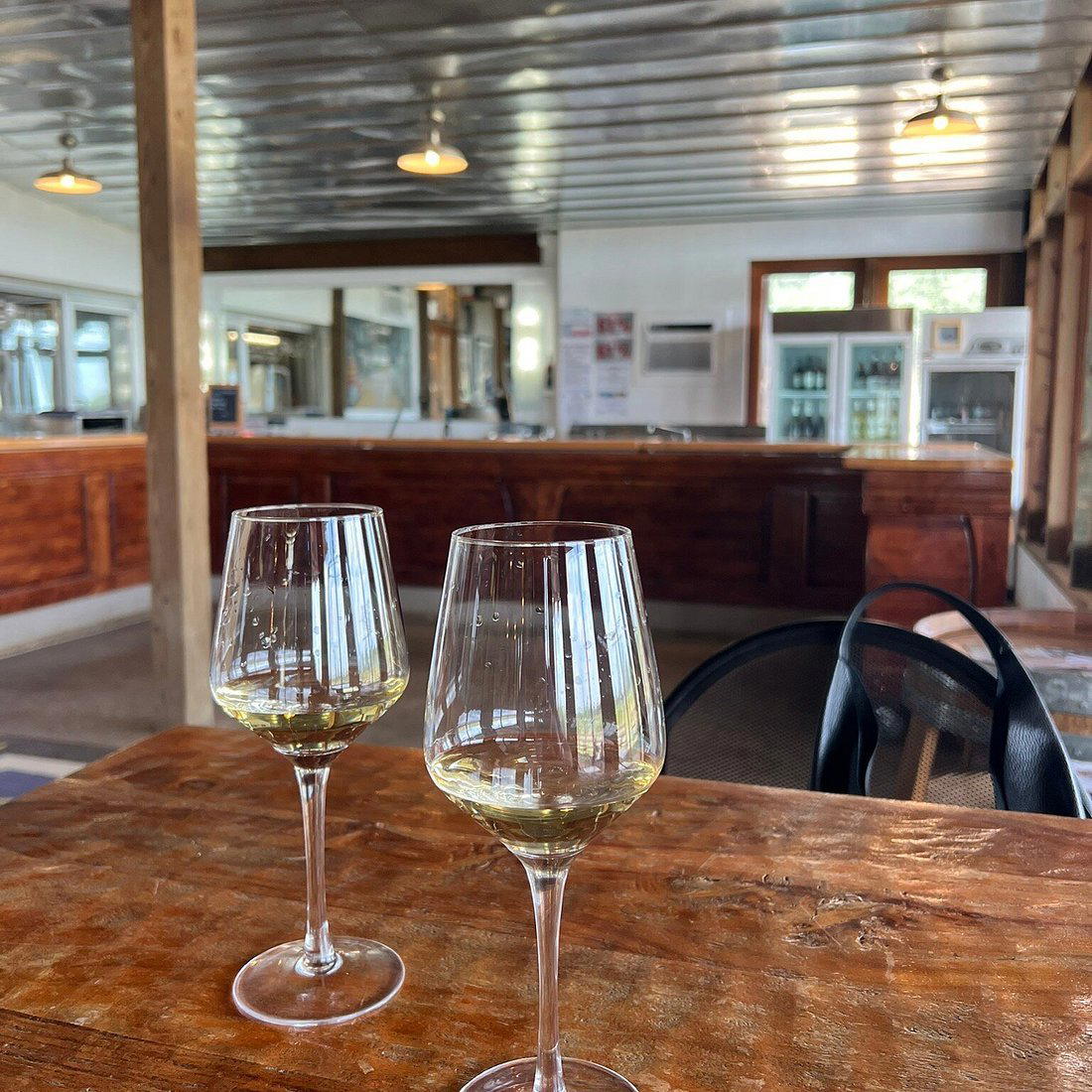
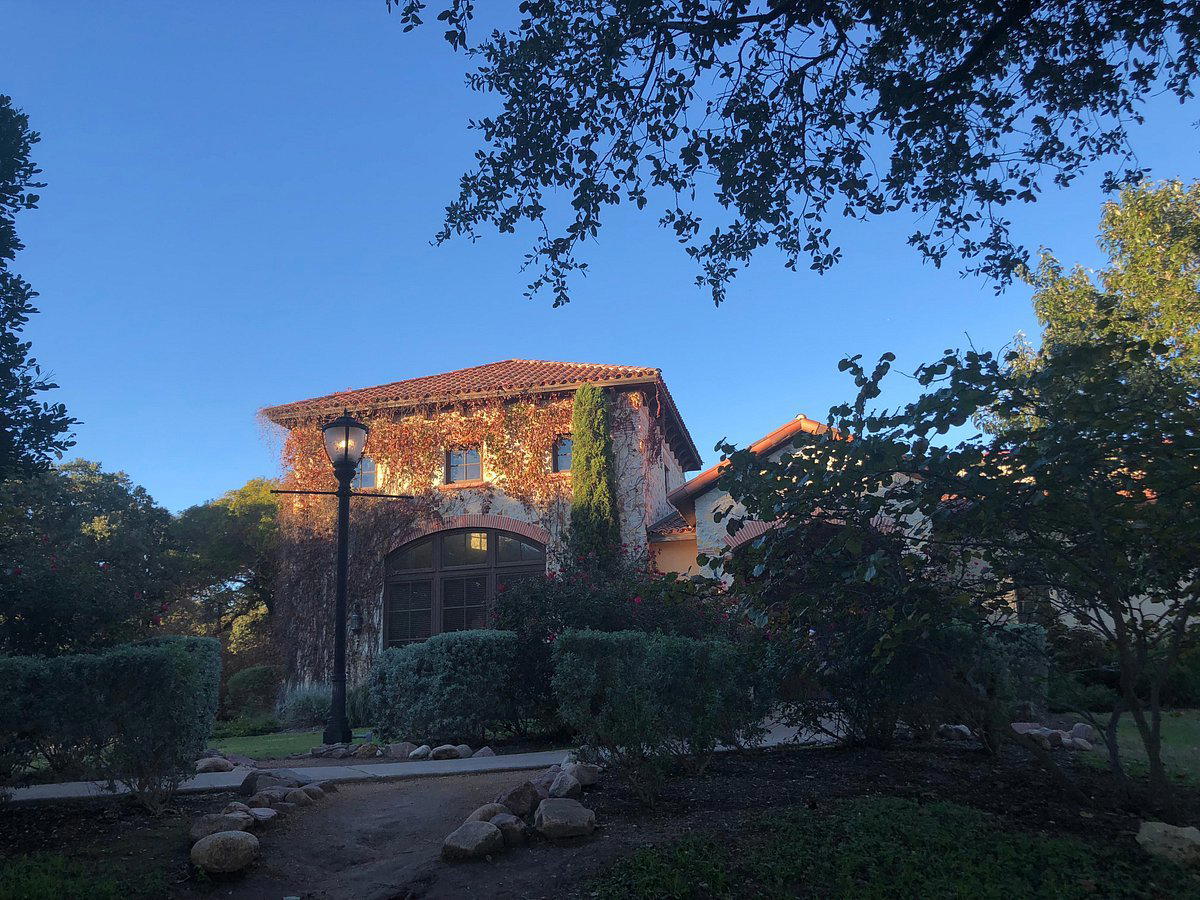
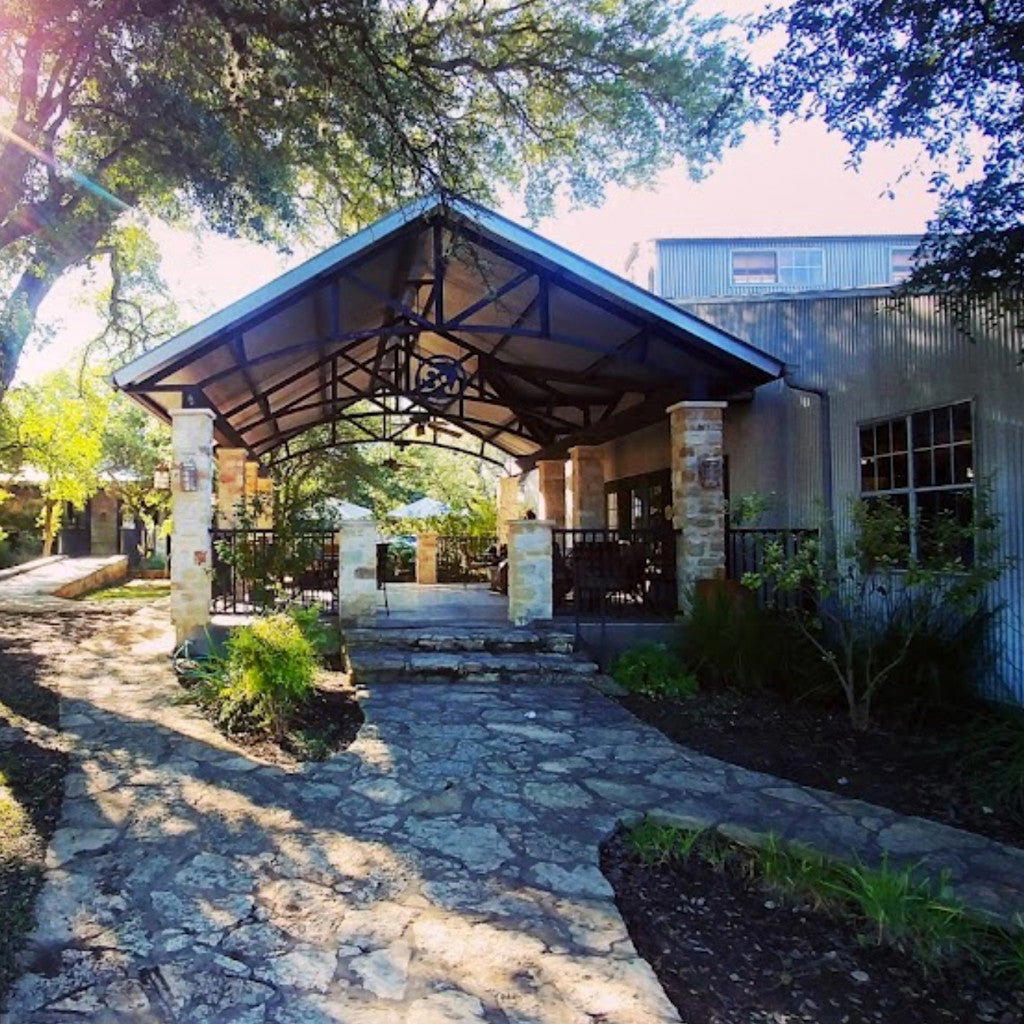
Dim lighting, low ceilings, intimate seating with a rustic atmosphere featuring a wood-fired oven and spacious patio; busy but never overcrowded.