Taurinus Brazilian Steakhouse
Taurinus Brazilian Steakhouse sits at 167 W San Fernando St in downtown San Jose, bringing the churrasco format to the heart of Silicon Valley's civic core. The rodízio tradition, where passadores move between tables with skewered cuts ready to carve, gives the meal a pace and structure distinct from conventional steakhouse dining. For San Jose, it fills a specific gap in a restaurant scene dominated by tech-district expense accounts and pan-Asian kitchens.
 Discover on Pearl
Pearl is the En Primeur Club membership app — saves, bookings, and concierge access live there. Same editors, same standards.
- Address
- 167 W San Fernando St, San Jose, CA 95113
- Phone
- +14082940110
- Website
- opentable.com
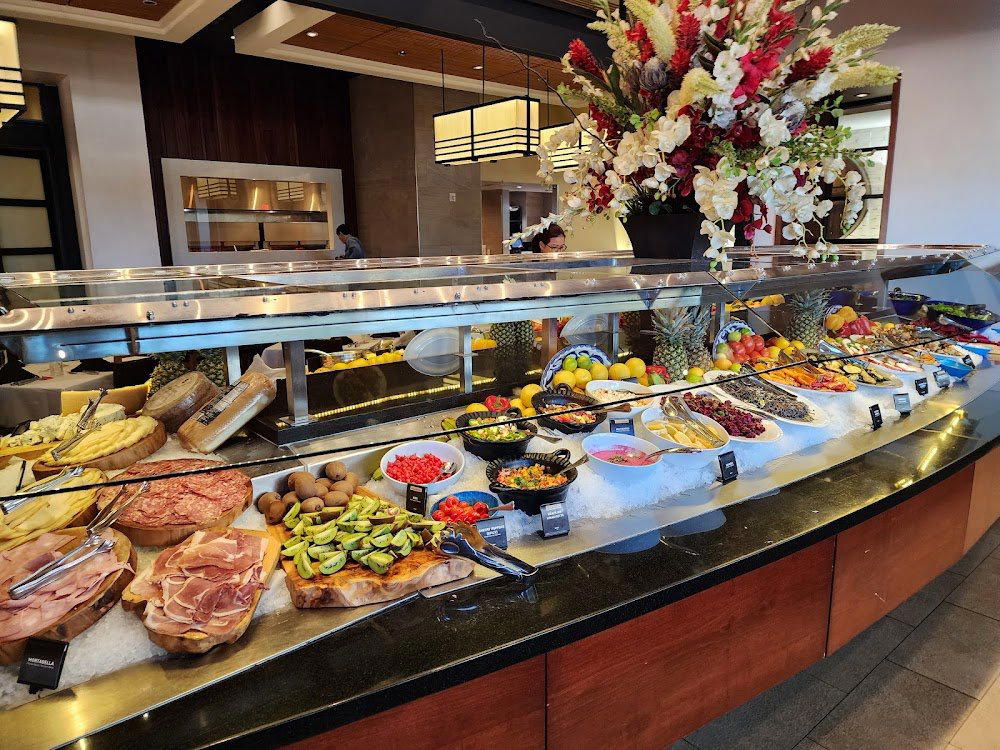
Downtown San Jose and the Case for Brazilian Churrasco
West San Fernando Street sits in downtown San Jose, a block from SAP Center, close to the convention district, and within walking distance of the city's civic buildings. The dining strip here skews toward pre-event crowds and business lunches, with a character that differs sharply from the independent restaurant clusters in Willow Glen or the Santana Row retail corridor. Into that context, Taurinus Brazilian Steakhouse arrives as a format with its own internal logic: the rodízio churrascaria, where the meal is not ordered from a menu so much as managed by the guest's willingness to keep or flip a small table token from green to red.
That format has deep roots in southern Brazil, particularly in Rio Grande do Sul, where open-fire pit roasting of large meat cuts became both practical and ceremonial. The passador, the server who circulates with skewers of freshly carved beef, lamb, pork, and chicken, defines the rhythm of the meal. It is a format built around abundance rather than precision, and it produces a dining experience that sits in its own category relative to American-style steakhouses, where the emphasis falls on the single cut ordered and prepared to specification. At a churrascaria, the comparison is between cuts across a single sitting, not between preparation methods.
Where It Sits in San Jose's Protein-Forward Dining Scene
San Jose's restaurant scene across the downtown core runs heavily toward expense-account and convenience formats. Adega (Portuguese) represents the high end of the downtown dining bracket, operating at the $$$$ tier with a tasting menu structure and Michelin recognition that places it in a different competitive set entirely. Alma de Amón and Antipastos by DeRose occupy the mid-range bracket with European-leaning menus. Back A Yard Caribbean Grill covers a different flavor register at a lower price point. Taurinus operates in a gap between those coordinates: a format-driven, protein-centered experience that sits above casual without requiring the ritual of a special-occasion tasting menu.
Nationally, the rodízio format has demonstrated durability in large metropolitan markets, New York, Miami, Houston, Chicago, partly because it accommodates groups and partly because the fixed-format meal resolves menu anxiety in a way that conventional à la carte does not. In a city like San Jose, where technology-sector group dining is a real and recurring occasion, that group-accommodating structure carries practical weight. This is a different consideration than what drives bookings at, say, Lazy Bear in San Francisco or The French Laundry in Napa, where the experience is individual and the format rewards single-table immersion. The churrascaria format is structurally social.
The Churrasco Format: What the Meal Actually Looks Like
The core mechanics of churrasco dining are consistent across the format's better-known operators. A salad bar, often more substantial than the term implies, including charcuterie, cheese, and warm sides, anchors the beginning of the meal. The passadores then begin their circuits, offering cuts from skewers and carving to order at tableside. The pacing is guest-controlled through the table token: green side up invites further service, red side up signals a pause. Cuts typically rotate through picanha (the rump cap, treated as the prestige cut in Brazilian tradition), fraldinha (flank), alcatra (leading sirloin), cordeiro (lamb), and various preparations of chicken, pork sausage, and sometimes seafood.
Picanha deserves specific attention because it behaves differently from the cuts that dominate American steakhouse menus. The fat cap is kept intact and renders during the open-fire roasting, basting the meat from the exterior. It arrives at the table at a point of doneness determined by the roasting arc rather than the guest's order, which is where the format's logic differs most visibly from conventional steakhouse service. The guest's skill, in a churrascaria, is timing: accepting a cut at the right moment in its journey from the fire.
Location Practicalities and the Downtown San Jose Context
At 167 W San Fernando St, Taurinus is within the walkable core of downtown San Jose, making it accessible from the convention center, SAP Center, and the main transit corridors serving the area. The surrounding blocks include Augustine, which occupies a different dining register, and the broader mix of restaurants that serve the downtown's weekday business traffic and weekend event crowds. For visitors arriving via Caltrain or VTA light rail, downtown San Jose is navigable without a car, though rideshare pickup in the convention district during event nights can add time to post-dinner logistics.
For readers building a broader California dining itinerary, the Bay Area's fine dining concentration is dense enough to warrant comparison with national benchmarks. Single Thread Farm in Healdsburg and Providence in Los Angeles represent the region's tasting menu tier. Addison in San Diego holds Michelin recognition at the southern end of the state. Taurinus occupies a different band of that spectrum, one defined by format and occasion type rather than tasting menu prestige.
Planning Your Visit
Taurinus Brazilian Steakhouse is located at 167 W San Fernando St, San Jose, CA 95113. Given the rodízio format, the meal runs longer than a conventional steakhouse dinner, plan for ninety minutes at minimum for a table of four or more. Groups are the natural fit, and the fixed-format meal structure means dietary range within a group is manageable, since the salad bar component is substantial. Taurinus is recommended for reservations and is open Tue to Sun, with Monday closed. The downtown location makes it a practical choice for pre-event dining, though timing against an 8pm arena start requires a realistic assessment of service pace.
Frequently Asked Questions
What should I order at Taurinus Brazilian Steakhouse?
In the churrascaria format, the question of ordering shifts into one of timing and priority. Picanha is the cut to wait for and accept at the right moment, it is the prestige item in Brazilian churrasco tradition and the one most guests use to benchmark the kitchen's range. Signal green on your table token early in the meal when cuts are freshest from the fire, and pace the salad bar accordingly so you are not full before the meat service reaches its stride. If lamb is on the rotation, it tends to move quickly and is worth flagging to your passador directly.
How hard is it to get a table at Taurinus Brazilian Steakhouse?
Downtown San Jose's event calendar creates predictable high-demand windows. On nights when SAP Center has a major event, the surrounding restaurant strip, including West San Fernando, runs at higher capacity, and walk-in availability shrinks. If your visit coincides with a concert or Sharks game, a reservation or an earlier seating time is the practical hedge. On standard weeknights and quieter weekends, the downtown dining district generally absorbs demand without the booking friction you would encounter at Michelin-recognized tasting rooms like Atomix in New York City or Alinea in Chicago.
Is Taurinus Brazilian Steakhouse a good option for large groups or corporate dining in San Jose?
The rodízio format is structurally better suited to groups than most restaurant models in downtown San Jose. Because the meal is fixed-format rather than à la carte, large tables do not produce the ordering complexity that slows service elsewhere. The passador rotation keeps pace regardless of group size, and the salad bar handles varied dietary preferences across a table. For corporate groups in the convention district, that combination of predictable pacing and inclusive format is a practical advantage over white-tablecloth à la carte options in the same neighborhood.
Pricing, Compared
Comparable venues nearby, for context on price, style, and recognition.
| Venue | Cuisine | Price | Awards | Notes |
|---|---|---|---|---|
| Taurinus Brazilian SteakhouseThis venue — the venue you are viewing | Post, Brazilian Rodizio Steakhouse | $$$ | , | |
| Orchestria Palm Court | South Campus, Continental European | $$$ | , | |
| Wagyu Master | $$$$ | , | El Paseo de Saratoga, Japanese A5 Wagyu Shabu-Shabu AYCE | |
| Minato Japanese Restaurant | Japantown, Traditional Japanese | $$ | , | |
| Trifecta | $$ | , | Silver Creek, Japanese-Filipino Fusion Omakase | |
| Bill's Cafe | $$ | , | Broadway-Palmhaven, Classic American Breakfast Cafe |
Continue exploring
More in San Jose
Restaurants in San Jose
Browse all →
Bars in San Jose
Browse all →
Hotels in San Jose
Browse all →
At a Glance
- Cozy
- Lively
- Group Dining
- Celebration
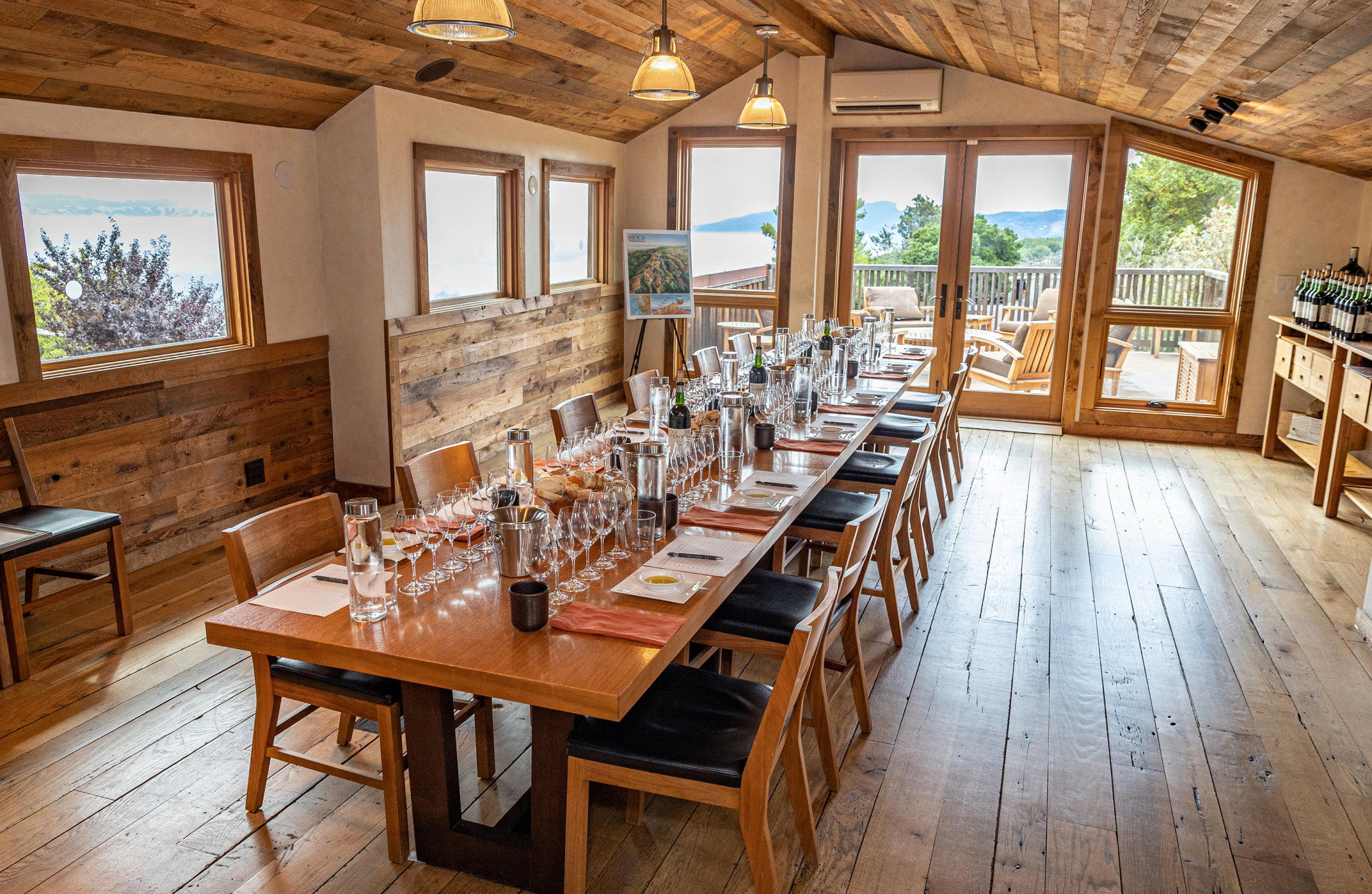
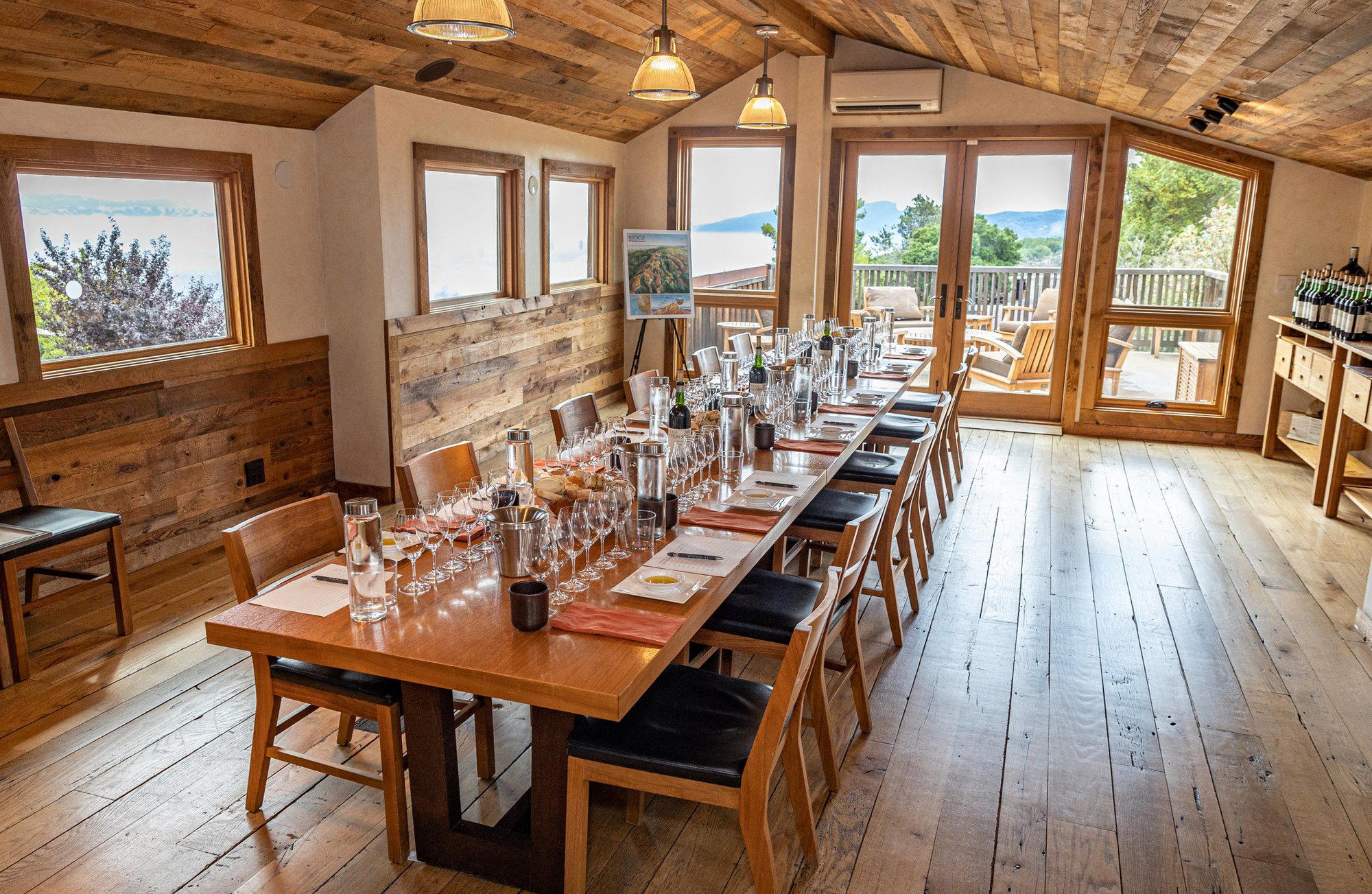
Cozy and quaint with warm, welcoming atmosphere ideal for intimate meat-focused dining.