Koko
Koko occupies a quiet stretch of Tigertail Avenue in Coconut Grove, a neighborhood that has always operated at a different tempo from Miami Beach's louder dining circuit.
Pearl is the En Primeur Club membership app — saves, bookings, and concierge access live there. Same editors, same standards.
- Address
- 2856 Tigertail Ave, Miami, FL 33133
- Phone
- +13053493909
- Website
- kokobybakan.com
- Directions
- Get directions
 Saves & bookings on Pearl
Coconut Grove and the Quieter Side of Miami Dining
Miami's dining conversation tends to collapse into a few familiar corridors: Brickell's high-rises, Wynwood's murals, South Beach's late-night energy. Coconut Grove operates outside that frame. The neighborhood's canopy streets and lower commercial density have historically attracted a different category of restaurant, one less interested in volume or visibility and more oriented toward regulars, repeat bookings, and a slower pace of service. Koko, at 2856 Tigertail Avenue, sits inside that tradition.
Tigertail Avenue is a residential artery, not a restaurant row. A venue choosing that address is making a statement about its intended audience: people who know where they're going, who found the place through word of mouth or a careful recommendation rather than a walk-in impulse. That positioning shapes the booking experience before a single call is made or a reservation confirmed.
The Booking Reality for Tigertail Avenue
Miami's tighter dining rooms have increasingly operated on compressed reservation windows, particularly post-pandemic, as demand for smaller, more considered spaces outpaced supply. Restaurants in Coconut Grove with limited public profiles tend to follow one of two patterns: either they fill through a known local network and carry no particular online presence, or they maintain a deliberately minimal footprint while still operating at high occupancy. Both patterns reward early planning.
Treat the absence of a prominent online booking trail as a signal rather than an obstacle. In the same way that Lazy Bear in San Francisco built its early reputation through a tightly managed reservation system before scaling its digital presence, or Atomix in New York City requires advance planning through a specific booking channel, Miami's quieter venues often reward those who do the groundwork.
The starting point for Koko is direct contact with the address on Tigertail or a visit to the physical location to confirm current hours and availability. In a neighborhood like Coconut Grove, where foot traffic is lower than in the city center, this approach often yields faster results than waiting for an online system to populate. Miami's Grove properties frequently shift their booking methods seasonally, with winter months from December through April carrying the heaviest demand as the broader city fills with seasonal visitors and event traffic.
Where Koko Sits in the Grove's Dining Pattern
Coconut Grove's restaurant set has gradually stratified over the past decade. At one end sit the bayside tourist operations near CocoWalk; at the other, a smaller cluster of neighborhood-specific venues that draw from a local residential base rather than from hotel concierge lists. The second category is the more interesting one for a visiting diner with time to research. Ariete, a few streets away, represents what that tier looks like when it gains critical traction: a Modern American kitchen that built a loyal following before broader Miami recognition caught up. Boia De, operating in a similarly compact format in MiMo, shows how a small room with a focused Italian-leaning menu can become one of the city's harder bookings without significant marketing spend.
Koko's Tigertail address places it in the residential-neighborhood tier rather than the destination-dining tier, which carries implications for what kind of experience to expect. These are typically venues where the dining room is small, the menu is edited rather than sprawling, and the relationship between kitchen and front-of-house is closer than in larger operations. The trade-off for that intimacy is reduced flexibility: walk-ins are harder, dietary requests require advance communication, and the pace of a meal is set by the kitchen rather than negotiated tableside.
Miami Context: What the City's Leading Tables Tell You
Miami's fine-dining tier has consolidated around a handful of formats in recent years. The city now has a credible Michelin-adjacent set that includes L'Atelier de Joël Robuchon Miami and Cote Miami, alongside Peruvian-influenced kitchens like ITAMAE that have shifted how the city thinks about South American technique at a serious level. Understanding where Koko sits relative to that set requires on-the-ground confirmation, but the Coconut Grove address and low public profile suggest a different competitive frame, one closer to neighborhood fixture than to the destination-dining circuit that draws from across the city.
For comparison, the degree of pre-arrival planning that rewards a diner at The French Laundry in Napa or Blue Hill at Stone Barns in Tarrytown is a function of those venues' capacity constraints and booking demand. At the neighborhood level in Miami, the planning required is different in character but similar in principle: contact early, confirm details directly, and treat the reservation itself as the first act of the dining experience rather than an administrative step.
For a broader orientation to the city's dining options across neighborhoods and price tiers, our full Miami restaurants guide maps the scene with more granular context on where different venue types cluster.
Planning a Visit: What to Confirm in Advance
Given the limited verified data in the public record for Koko, the due-diligence checklist before a visit should cover: current operating hours, preferred reservation method, menu format (set menu versus à la carte carries significant implications for timing and budget), and any specific requirements around dietary restrictions. Miami's smaller kitchens vary widely in how they handle dietary accommodation, and assumptions based on general cuisine type are not a substitute for a direct conversation before arrival.
Seasonally, Miami's restaurant reservations are tightest between January and April, when the city's population swells and event calendars fill. Planning contact in November or December for winter visits gives the most flexibility. Summer months carry lighter demand citywide, which may translate to easier access for venues that operate year-round.
At a Glance
- Lively
- Modern
- Sophisticated
- Bohemian
- Group Dining
- Celebration
- Casual Hangout
- After Work
- Open Kitchen
- Garden
- Terrace
- Standalone
- Craft Cocktails
- Local Sourcing
- Garden
Current opening hours
- Monday
- 12–10 PM
- Tuesday
- 12–10 PM
- Wednesday
- 12–10 PM
- Thursday
- 12–11 PM
- Friday
- 12–11 PM
- Saturday
- 12–11 PM
- Sunday
- 12–10 PM
Hours can change for holidays and private events. Last verified .
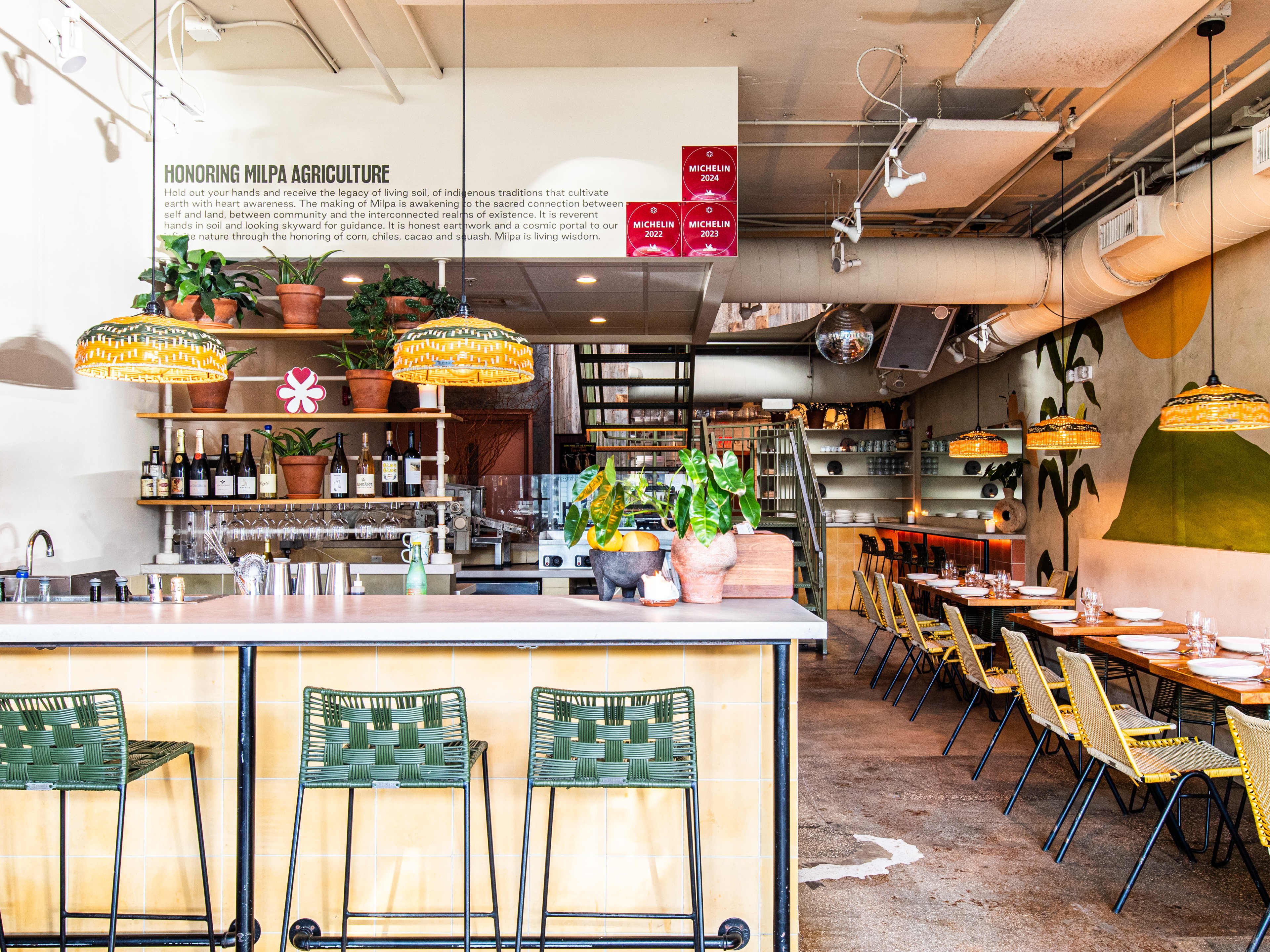
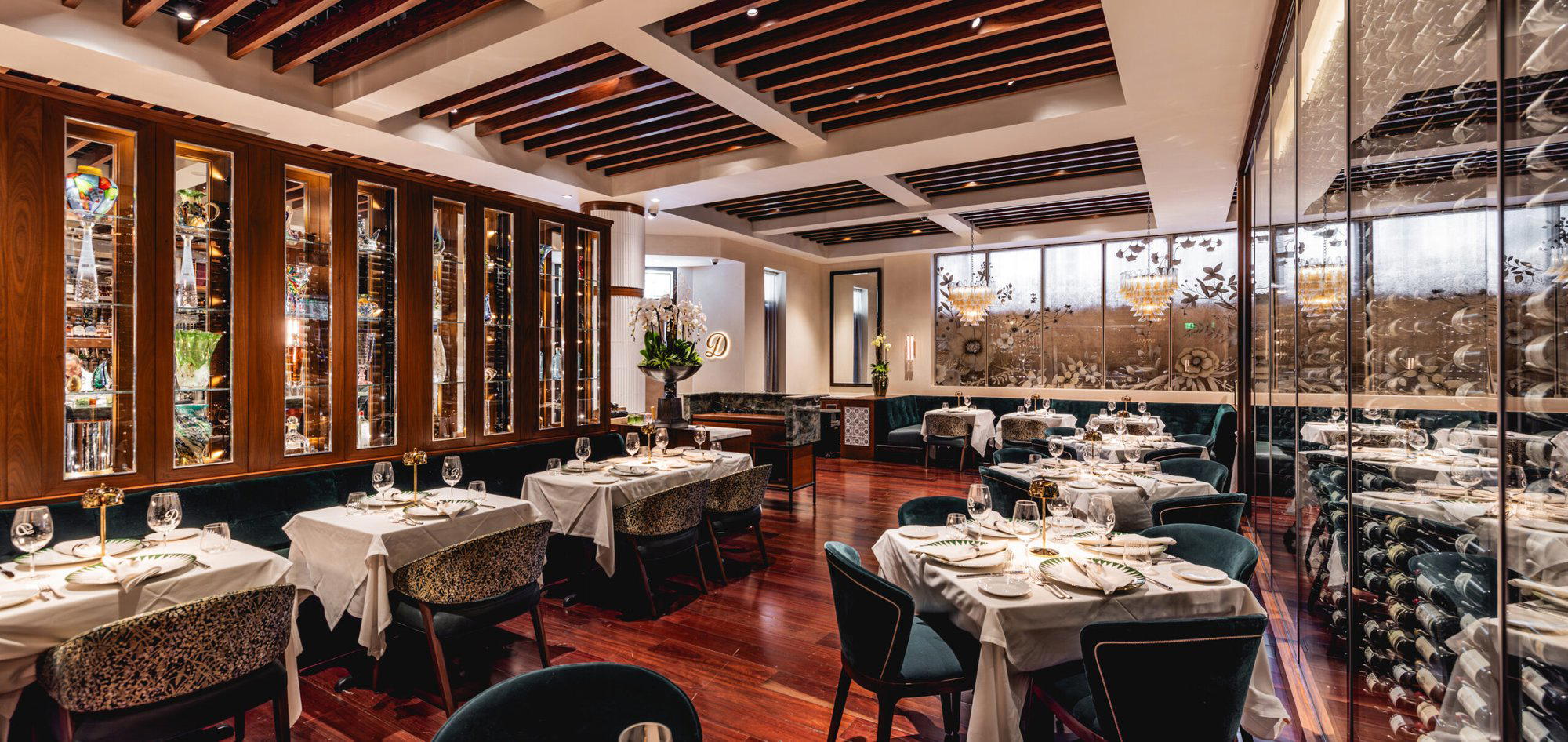
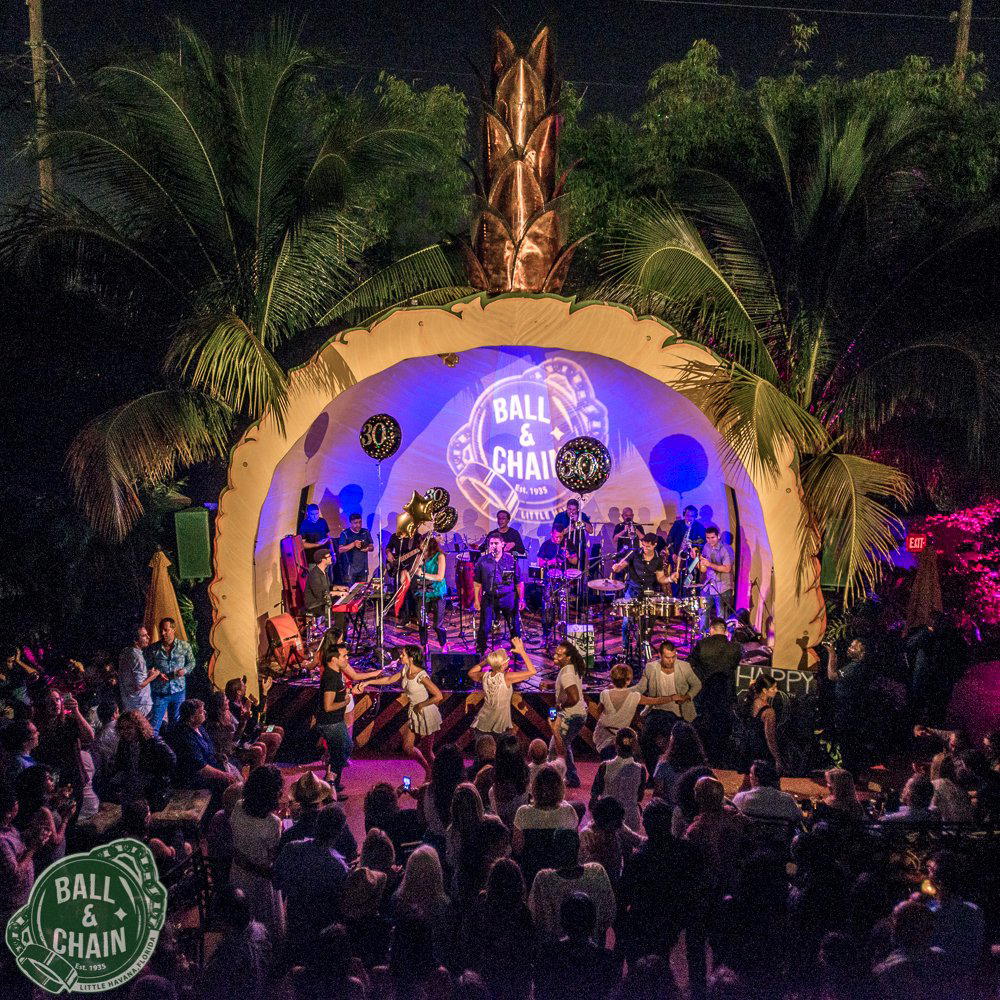
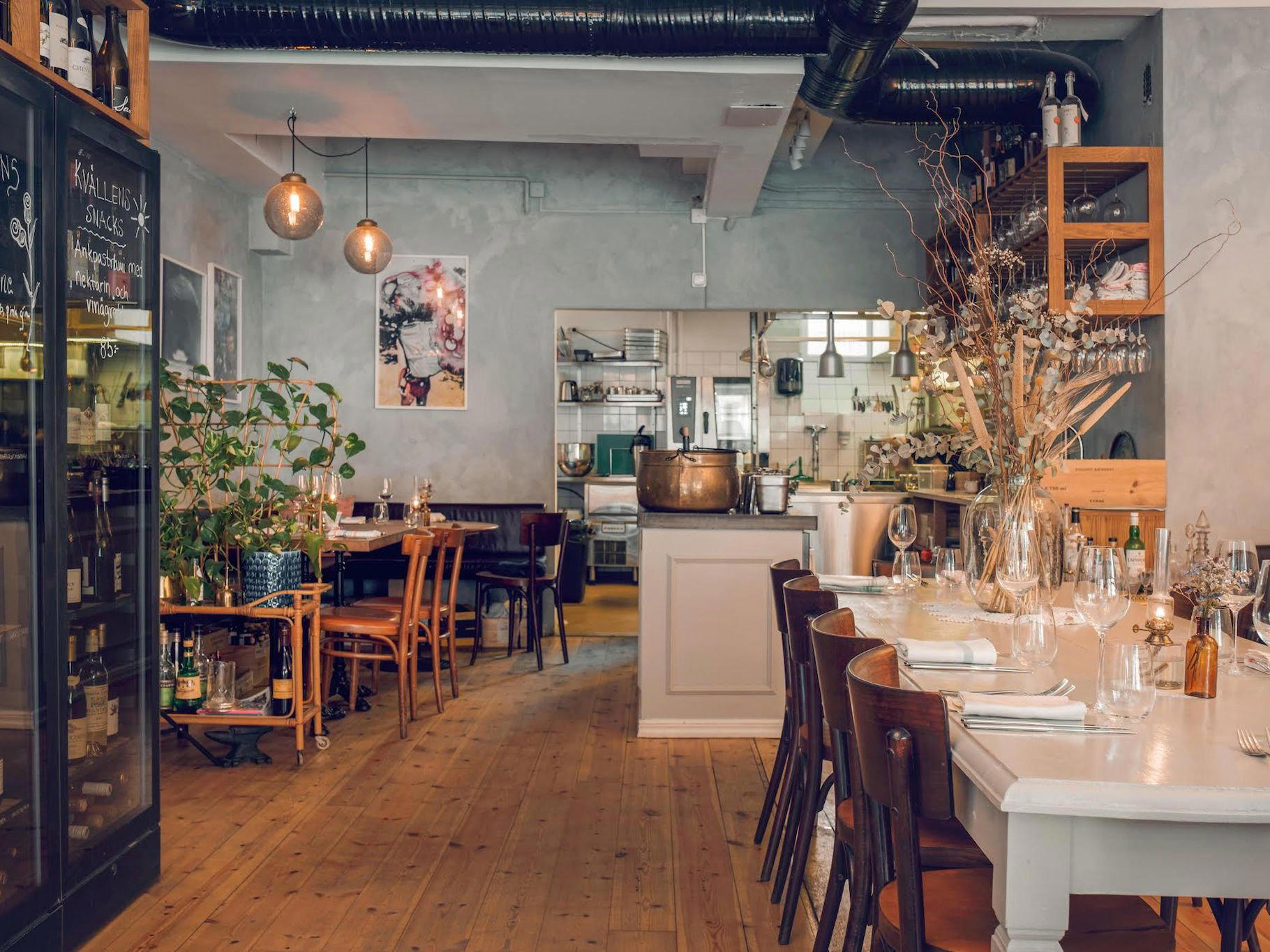
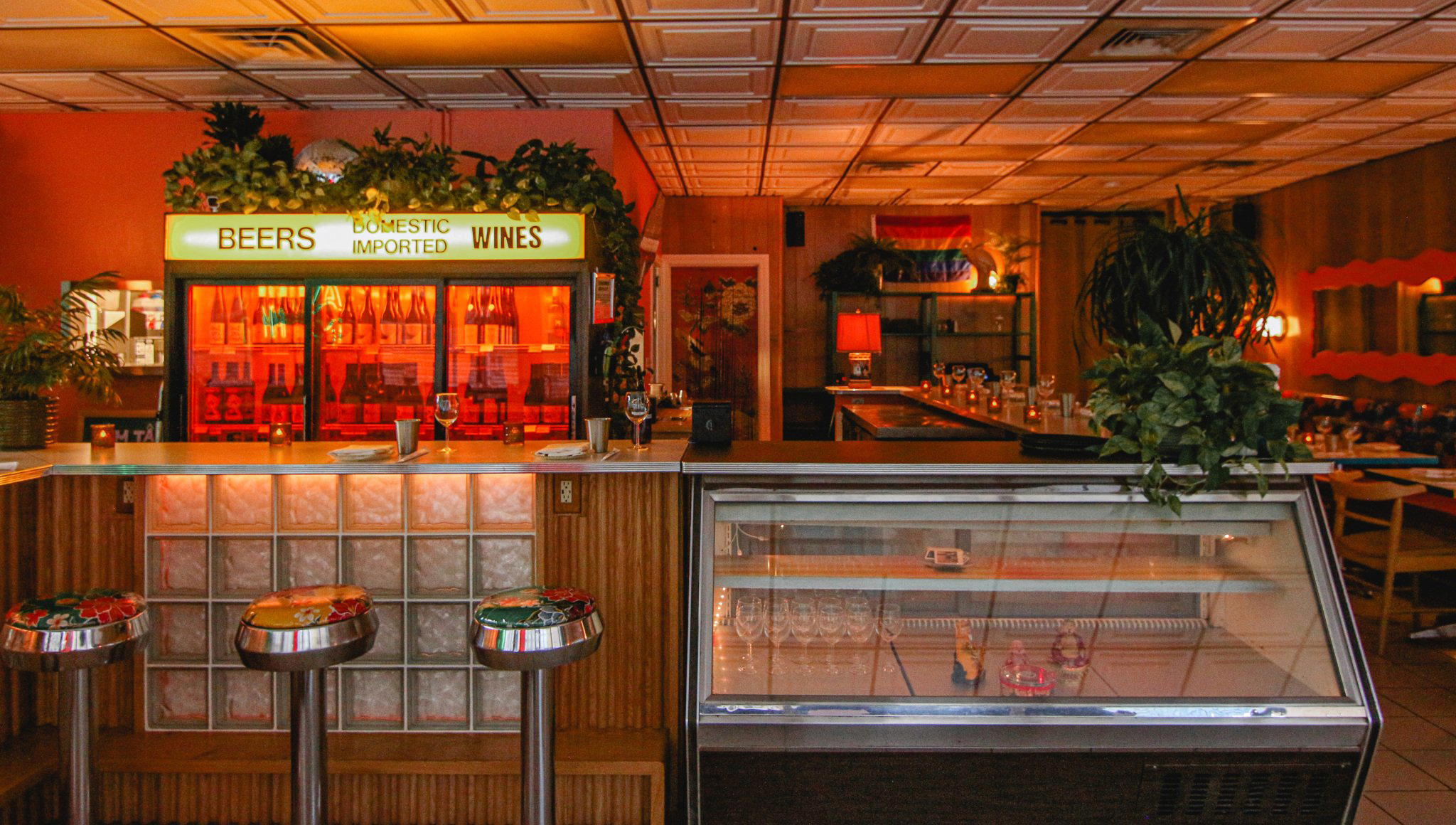
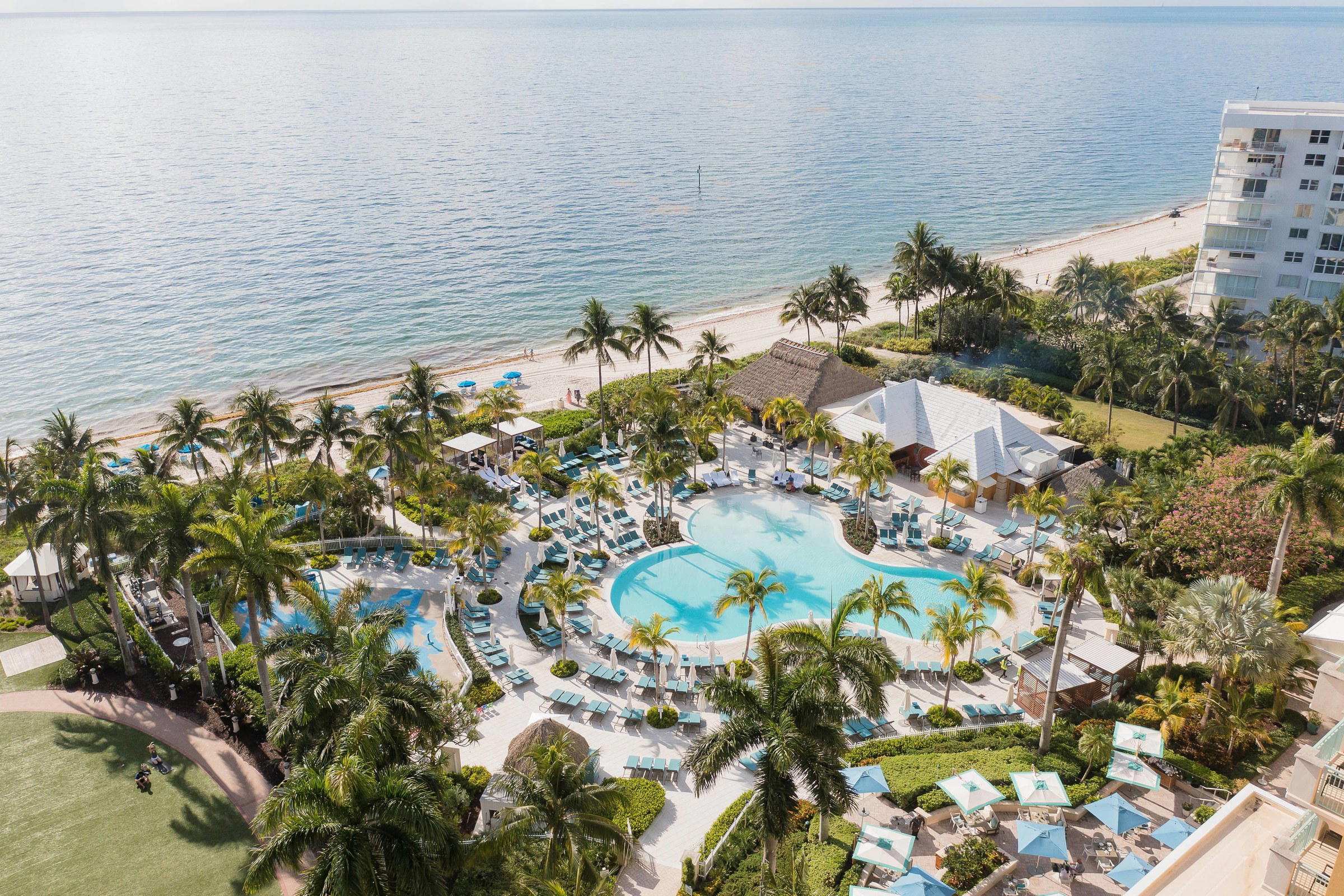
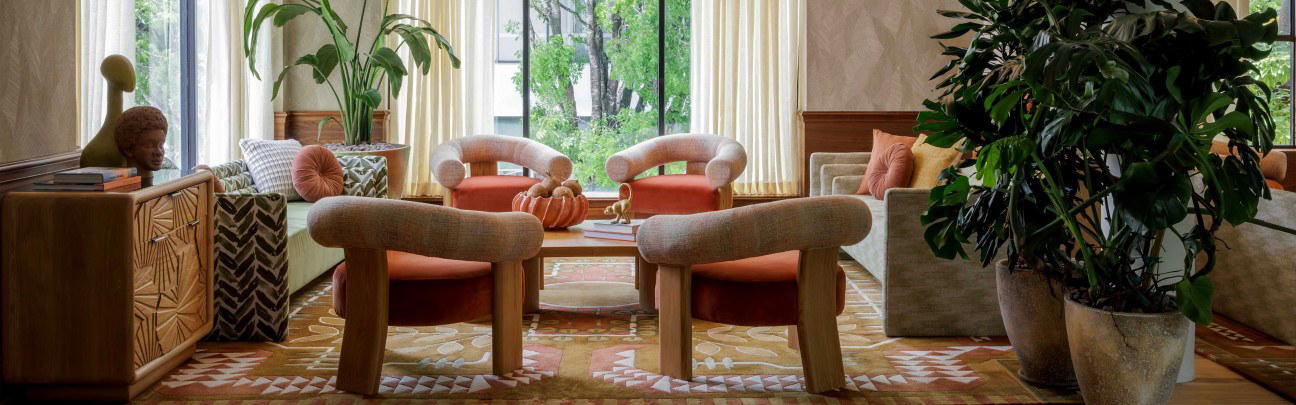
Warm and artistic with natural tree canopy, cacti garden, open kitchen view, and lively music; indoor and outdoor spaces with modern design and lively energy.
Know Before You Go
- Getting there
- 2856 Tigertail Ave, Miami, FL 33133