Taqueria Al Pastor
Taqueria Al Pastor operates from 128 Wyckoff Avenue in Bushwick, Brooklyn, occupying a corner of New York's most densely layered taqueria corridor. The address places it squarely in a neighbourhood where al pastor has become a reference point for how Mexican street cooking translates into a fast-moving, borough-driven dining culture. For visitors tracking the city's taco scene beyond Manhattan, Wyckoff Avenue is where the conversation gets specific.
Pearl is the En Primeur Club membership app — saves, bookings, and concierge access live there. Same editors, same standards.
- Address
- 128 Wyckoff Ave, Brooklyn, NY 11237
- Phone
- +1 718 269 7538
- Website
- taqueriaalpastor.com
- Directions
- Get directions
 Saves & bookings on Pearl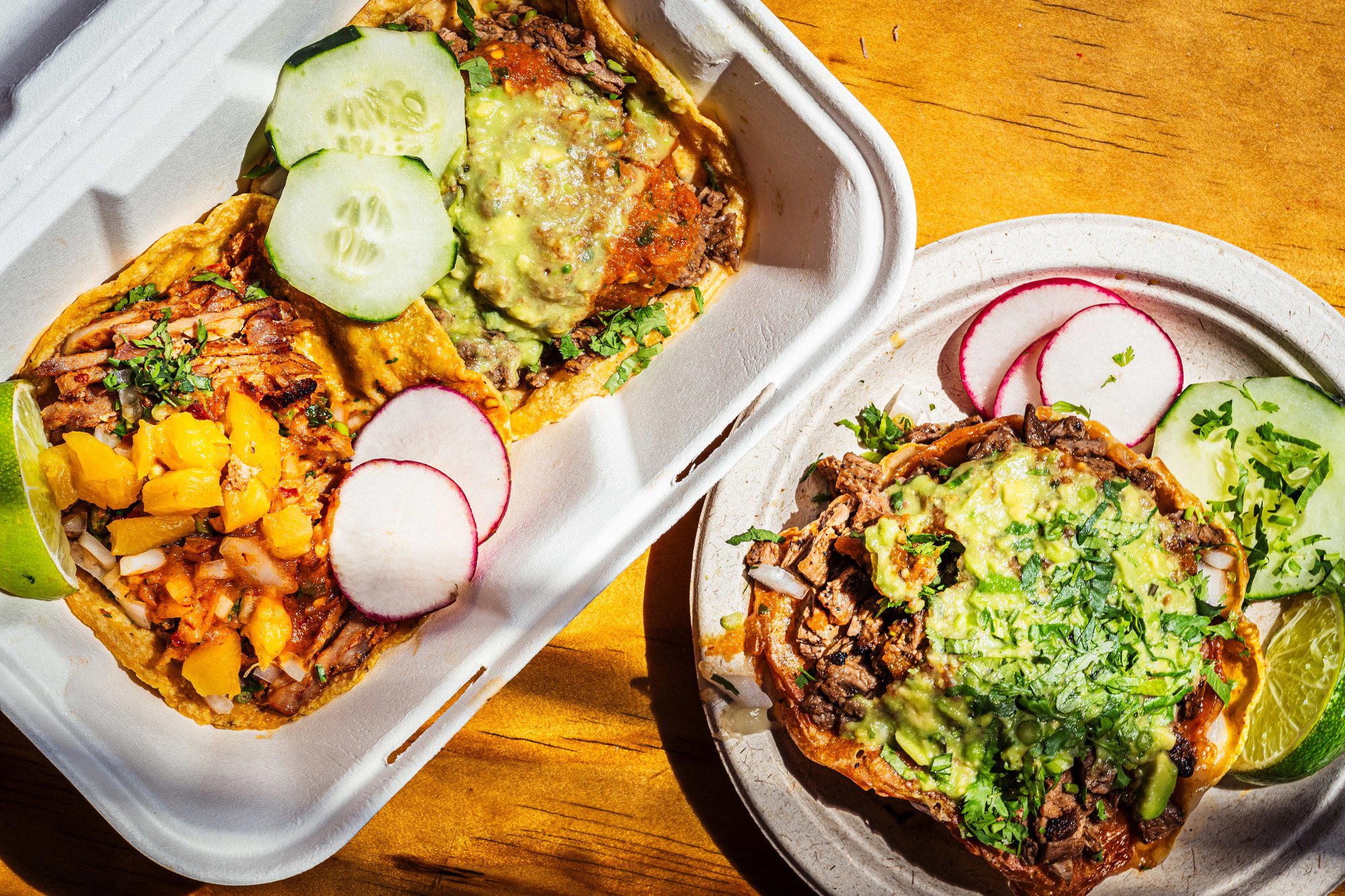
Bushwick's Taqueria Belt and Where Al Pastor Fits
The stretch of Wyckoff Avenue running through Bushwick is one of the more concentrated corridors for Mexican street food in New York City, and it operates at a different register than the taco spots that have colonised Manhattan's trendier neighbourhoods. Here, al pastor, the spit-roasted pork preparation with roots in Lebanese shawarma and Mexican street tradition, is not a novelty item or a fusion footnote. It is the anchor of the menu, the measure by which regulars judge a taqueria's seriousness, and the format around which the kitchen's efficiency is built.
Taqueria Al Pastor at 128 Wyckoff Ave, Brooklyn, NY 11237 sits within this context. The address alone signals a particular positioning: not a destination restaurant in the sense that Le Bernardin or Eleven Madison Park function as destinations, but a neighbourhood fixture whose value is measured in consistency and proximity to its community rather than in prix-fixe ambition. That is a legitimate and important tier of dining culture in any city, and in Brooklyn, it is often where honest cooking happens.
The Al Pastor Tradition and Its New York Arc
Al pastor arrived in Mexico via Lebanese immigrants in the early twentieth century, who brought with them the technique of stacking marinated meat on a vertical spit. The preparation merged with local chilli and achiote traditions to produce something distinct from its shawarma origin, spiced differently, served on smaller corn tortillas, typically finished with pineapple and onion. By the time this format reached New York's outer boroughs, it had already undergone several generational iterations, each shaped by the specific Mexican regional communities that carried it.
In Brooklyn's Bushwick and Sunset Park neighbourhoods, taquerias built around this format have operated for decades alongside produce markets, panaderías, and carnicerías that serve the same customer base. The dining public that has arrived more recently, younger, often without Spanish, drawn by the neighbourhood's changing profile, has encountered a cuisine that was already fully formed and operating without their attention. That shift in who visits, without a corresponding shift in what is served, is one of the more interesting dynamics in New York's outer-borough food culture right now. It contrasts sharply with what happens further uptown or in Manhattan, where the same cuisines often get repackaged for a different price point and audience.
For comparison, the formal dining tier in New York, represented by counters like Masa and Per Se, or the tightly composed tasting menus at Atomix, operates on a fundamentally different logic: reservation-led, team-coordinated, front-of-house intensive. The taqueria model inverts most of those assumptions. Speed is a form of respect for the customer. The counter is a service point, not a stage. The kitchen team's collaboration is expressed through throughput and uniformity rather than through plated presentation.
Team Coordination in the Taqueria Format
The editorial angle that applies to multi-course dining rooms, chef, sommelier, and front-of-house working in deliberate concert, translates differently in a taqueria kitchen, but the underlying principle of coordinated service is no less present. In the al pastor format specifically, the person managing the trompo (the vertical spit) is performing a skilled and time-sensitive role: the meat must be sliced at the right moment, at the right thickness, and the order of assembly, tortilla, meat, onion, cilantro, pineapple, salsa, must be executed without interruption during a busy service.
This is team cooking in a compressed, high-velocity form. The front-counter staff, who take orders and relay them to the kitchen, function as the coordination layer between customer demand and kitchen pace. In a well-run taqueria, that handoff is seamless; in a poorly run one, the seams are immediately visible, cold tortillas, uneven meat portions, salsa applied as an afterthought rather than as a considered element of balance. The discipline required at this scale is different from what a brigade at Blue Hill at Stone Barns or Smyth exercises, but it is discipline nonetheless.
Wyckoff Avenue in Neighbourhood Context
The Bushwick address matters for practical reasons as well as contextual ones. Wyckoff Avenue sits at the boundary between Bushwick and Ridgewood, a zone that has seen considerable demographic change over the past decade but retains a strong Mexican and Central American community presence along its commercial stretches. The transit access is reasonable, the Jefferson Street L train stop is within walking distance, which makes the corridor accessible from Manhattan without requiring a car, though the neighbourhood reads as distinctly local rather than visitor-oriented.
That local orientation is part of what distinguishes outer-borough taqueria culture from the polished Mexican restaurant category that has expanded across Manhattan in recent years. Visitors who have been to Lazy Bear in San Francisco or Emeril's in New Orleans understand the difference between a destination built around cultivated atmosphere and a neighbourhood spot built around a specific community's daily rhythm. Both are legitimate. They serve different functions and reward different kinds of attention from the traveller.
For the reader planning a broader New York City food itinerary, the Wyckoff Avenue corridor fits naturally alongside a visit to the borough's more formal dining options.
Planning a Visit
Taqueria Al Pastor is walk-in friendly and typically operates across lunch and dinner service, with tacos priced around $15 per person. Arriving earlier in a dinner service, rather than at peak, tends to produce faster assembly and fresher tortilla batches, a rhythm that applies across most al pastor operations of this type.
They answer different questions about what a city's food culture actually is.
Cuisine and Recognition
Comparable venues nearby, for context on price, style, and recognition.
| Venue | Cuisine | Price | Notes |
|---|---|---|---|
| Taqueria Al PastorThis venue — the venue you are viewing | Authentic Mexican Al Pastor Tacos | $ | Not listed |
| Tamales Lupita | Mexican tamales shop | $ | .null |
| Nenes Deli Taqueria | Authentic Puebla-Style Birria Taqueria | $ | Bushwick (West) |
| Dos Toros Taqueria | Mission-Style Mexican Taqueria | $ | Financial District-Battery Park City |
| Chalupas Poblanas El Tlecuile | Pueblan Mexican Street Food | $ | Jackson Heights |
| Rosie's | Modern Mexican | $$ | East Village |
Continue exploring
More in New York City
Restaurants in New York City
Browse all →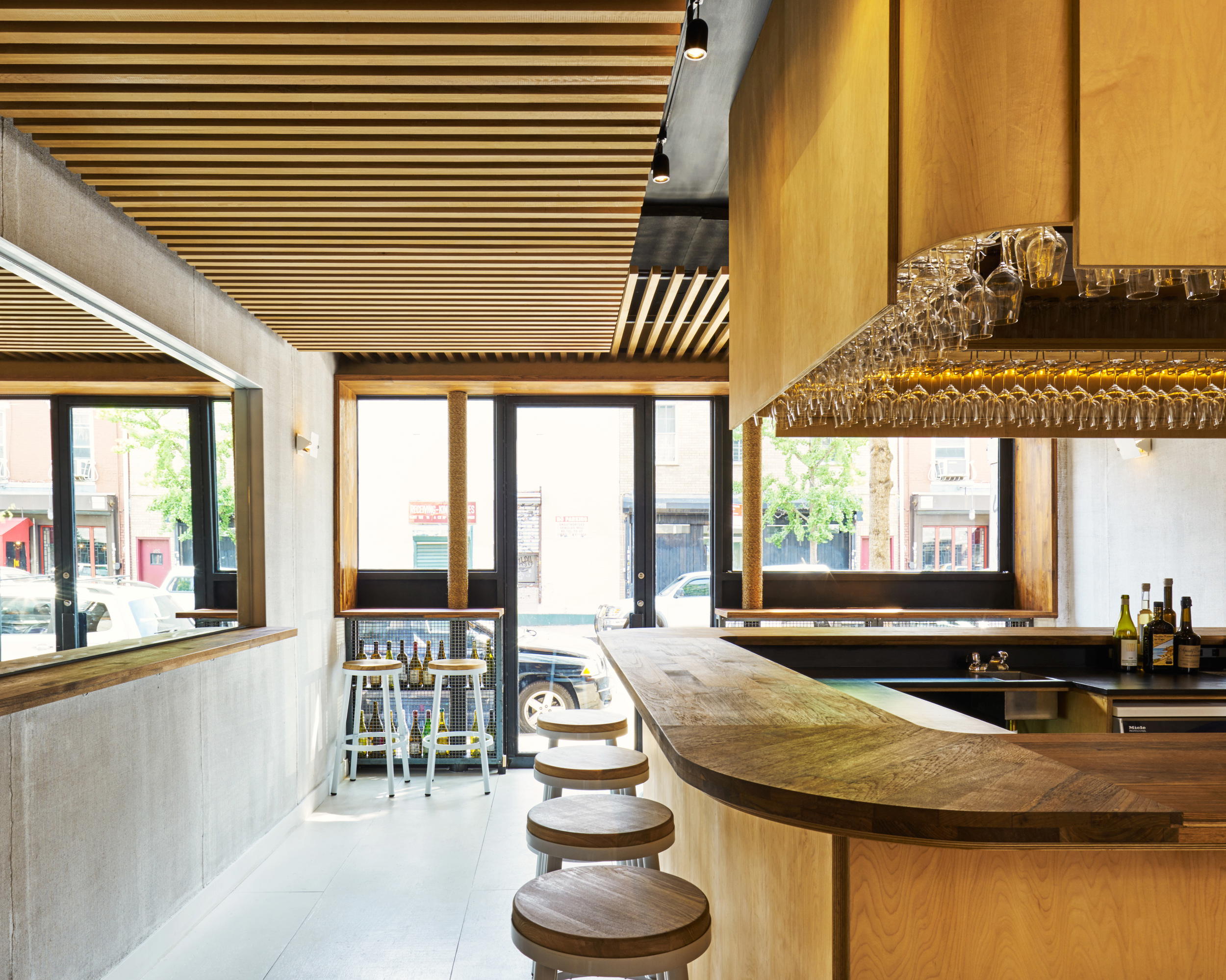
Bars in New York City
Browse all →
Hotels in New York City
Browse all →






At a Glance
- Casual
- Trendy
- Energetic
- Casual Hangout
- Late Night
- Group Dining
- Open Kitchen
- Standalone
Current opening hours
- Monday
- 10 AM–1 AM
- Tuesday
- 10 AM–1 AM
- Wednesday
- 10 AM–1 AM
- Thursday
- 10 AM–1 AM
- Friday
- 10 AM–3 AM
- Saturday
- 10 AM–3 AM
- Sunday
- 10 AM–2 AM
Hours can change for holidays and private events. Last verified .
Bright, spacious and inviting with plenty of bar and counter seating, creating a casual neighborhood atmosphere.