Tamales Lupita

Our verdict
Tamales Lupita belongs to the part of New York Mexican eating where masa, steam, and timing matter more than room design. The draw is the tamal itself: corn dough wrapped in husk or banana leaf, with the Oaxaqueño format giving a clear lesson in how fat, masa, and trapped steam can turn a small shop into a serious stop.

Pearl is the En Primeur Club membership app, where members save venues, book tables and use the concierge.
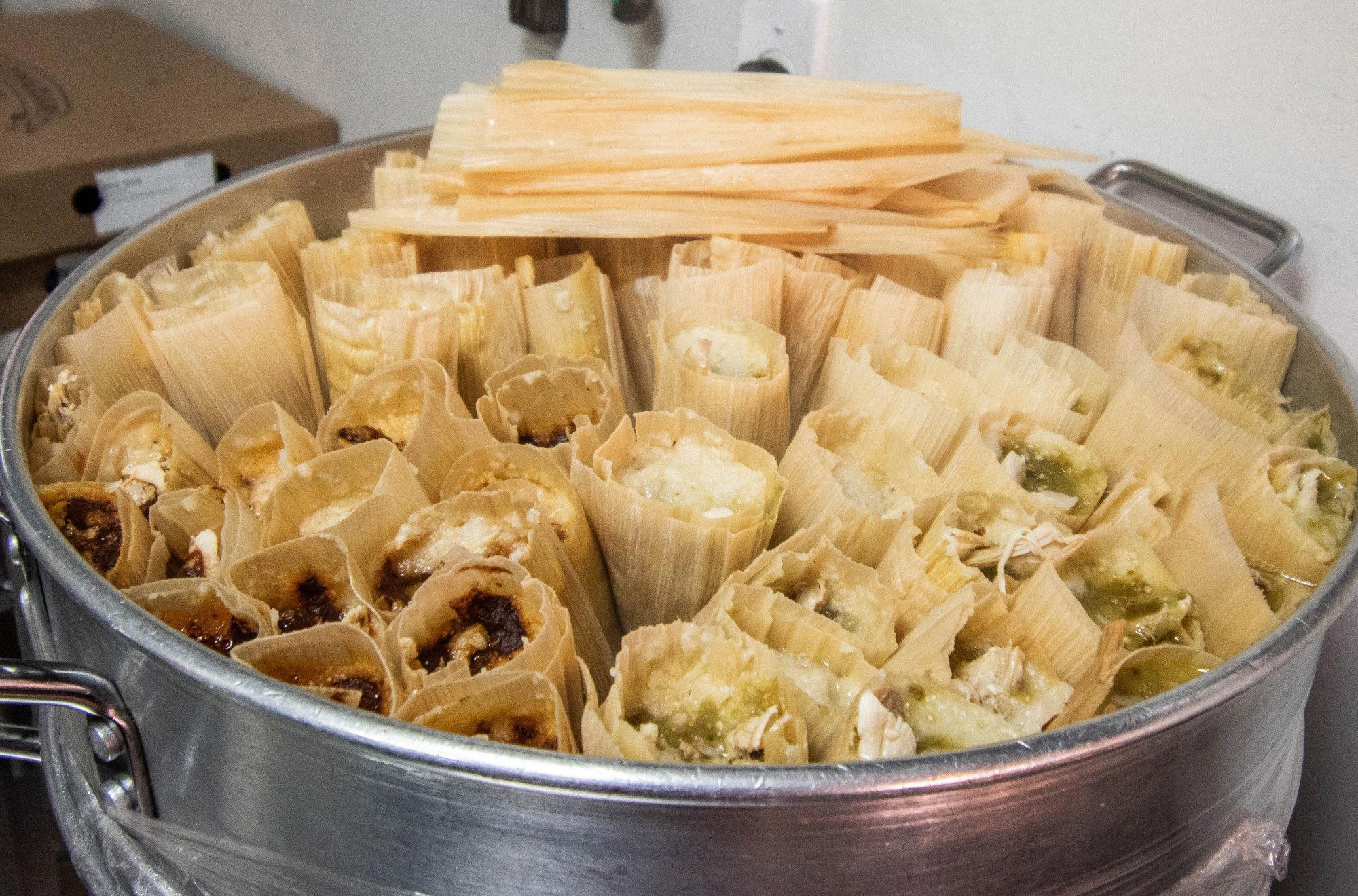
Approach this kind of New York City tamal shop and the hierarchy is plain: steam first, signage second, choice last. The room does not need ceremony. What matters is the warmer, the pace of service, and the small attention required by food that is best understood in the moment. Tamales Lupita sits in that older New York register of Mexican eating, where the craft feels portable, direct, and tied more to a practical stop than to a long dinner reservation.
Masa is the argument in this style of cooking. In Mexico’s corn traditions, nixtamalization is not a nostalgic footnote; it is the technical base that changes dried corn into dough with flavor, structure, and nutrition. New York’s Mexican dining has expanded into polished dining rooms, casual counters, and regional formats, but the tamal remains a stricter test. The dough has to hold steam without turning heavy, carry richness without greasiness, and frame its center without behaving like bread. A good tamal says something practical: this is food with a short, focused purpose, not a product designed to be overexplained.
Steam, masa, and the tamal form
The strongest signal at Tamales Lupita is the attention to a form that depends on wrapping, steaming, and timing. The format matters because it shifts texture and expectation: the dough should feel cohesive but tender, substantial but not dull. Sauce, seasoning, and masa are not separate arguments; the measure is how well the whole parcel carries flavor without collapsing into heaviness.
New York diners often read Mexican food through tacos because tacos are fast, visible, and endlessly adaptable. Tamales ask for a different kind of attention. The craft is hidden until the wrap is opened, and the first judgment is structural: is the masa tender, is the steam intact, does the seasoning belong to the dough rather than sit apart from it? In that sense, this shop belongs to the city’s corn-and-masa conversation more than to its sit-down restaurant conversation.
That conversation has widened across the city. Other New York City dining rooms show more design-forward, full-service, or all-day readings of Mexican and Latin American food. The point is not that those rooms do the same job. It is that New York’s Mexican scene now runs from polished dining rooms to street-level specialists, and masa reads differently in each setting.
Why the practical window matters
The practical intelligence is simple: treat the visit as a focused stop, not as a long menu survey. Tamales are at their best when timing, steam, and texture line up, and the form rewards decisiveness more than lingering. If several options are available, choose with an eye toward masa first: the clearest view of the kitchen is usually in how the dough carries flavor, moisture, and structure.
This is also where price tier and setting matter. A $$ Mexican listing in New York City can mean many things, from casual counter service to full-service rooms with cocktails. Here, the value sits in labor: preparing masa, mixing the dough, filling, wrapping, steaming, and serving it at the right moment. The format is modest, but the technique is not casual. That distinction is central to understanding why a small tamal shop can deserve serious attention alongside more formal restaurants.
New York City adds another layer. The city’s Latin food map includes morning routines, workday meals, family purchasing, and destination dining, and tamales fit that rhythm because they travel well for a short time, feed across age groups, and carry identity in small differences: wrapper, sauce, leaner masa or richer dough. The city’s more visible restaurant culture often rewards novelty; tamales reward repetition and timing.
Where it fits in a New York eating day
Tamales Lupita is a narrow recommendation: go for masa, keep the plan simple, and accept the format as part of the experience. It is not the place to expect a long menu reading or a chef-driven narrative. Its value is clearer than that. In a city where Mexican dining now spans many casual specialists and high-design restaurants, this shop keeps attention on one of the cuisine’s foundational forms.
For readers mapping a broader New York itinerary, other New York City dining can help frame the city’s specialist Mexican cooking beyond masa. Wider planning sits in Our full New York City restaurants guide, with adjacent city coverage in Our full New York City hotels guide, Our full New York City bars guide, Our full New York City wineries guide, and Our full New York City experiences guide. For other travel notes across EP Club’s restaurant map, see the wider restaurant guide coverage across additional cities and regions.
Frequently asked questions
Is Tamales Lupita child-friendly?
Yes, in the sense that Tamales Lupita is a casual $$ Mexican tamales shop in New York City. The pace is quick and practical, which suits a straightforward stop rather than a long meal.
What's the overall feel of Tamales Lupita?
The feel is brisk and informal, with the experience centered on tamales and masa rather than a long, formal meal. Check the venue's official channels for the latest details.
What's Tamales Lupita known for in terms of accolades?
Tamales Lupita is listed at No. 90 on the 2026 New York Times Best Restaurants in New York City list.
What kind of cuisine does Tamales Lupita serve?
Tamales Lupita serves Mexican cuisine.
How much does it cost to eat at Tamales Lupita?
Pricing at Tamales Lupita is listed as $$.
Where is Tamales Lupita in New York City?
Tamales Lupita is located in New York City.
What's the best way to book Tamales Lupita?
Plan on a straightforward visit and check the venue's official channels for current details. That approach fits a casual Mexican tamales counter in New York City better than elaborate advance planning.
How It Compares
Comparable venues nearby, for context on price, style, and recognition.
| Venue | Cuisine | Price | Awards | Notes |
|---|---|---|---|---|
| Tamales LupitaThis venue (the venue you are viewing) | Mexican tamales shop | $10–20 | Not listed | Not listed |
| Otto's Tacos | Southern California-Style Tacos | Not listed | Not listed | East Village |
| Tacombi Fonda | Authentic Mexican Street Food Taqueria | $20–30 | Not listed | SoHo-Little Italy-Hudson Square |
| Taqueria Al Pastor | Authentic Mexican Al Pastor Tacos | $10–20 | Not listed | Bushwick (West) |
| Beto's Carnitas & Guisados | Mexico City-Style Carnitas & Guisados | $20–30 | Grub Street Best Food of 2026 (So Far) | Lower East Side |
| Los Dos Hermanos | Mexican Taqueria | $20–30 | Not listed | Fort Greene |
Recognition history
Dated appearances from independent guides and award organizations, with the underlying list record or original source where available.
New York Times Best Restaurants in New York City #90
New York Times
Continue exploring
More in New York City
Restaurants in New York City
All restaurants in New York City →
Bars in New York City
All bars in New York City →
Hotels in New York City
All hotels in New York City →



Wineries in New York City
All wineries in New York City →
Details
- Solo
- Family
- Casual Hangout
- After Work
- Late Night
- Standalone
- A La Carte
- Counter Dining
- Gluten Free Options
A modest, no-frills counter-service tamal shop with a bustling, lively feel, focused on quick takeaway and simple seating rather than decor.