
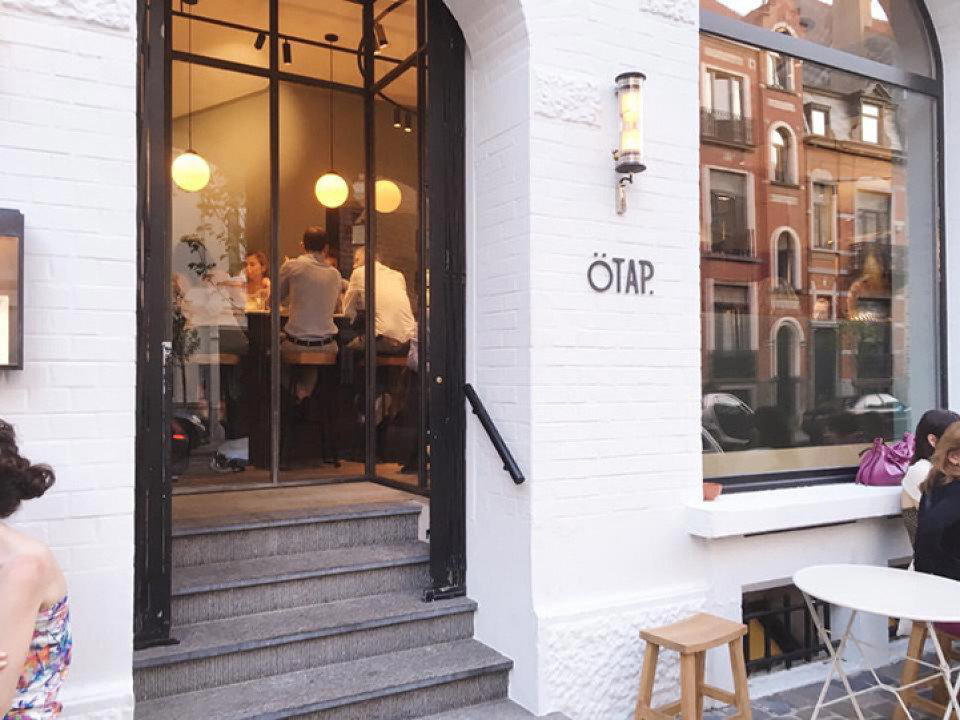
Ötap occupies a quiet corner of Ixelles at Place Albert Leemans, where the cooking places vegetables, fruit, herbs, flowers, and cereals at the centre of each plate rather than the margins. The format is relaxed and neighbourhood-rooted, with a colourful, produce-driven approach that sits outside Brussels' formal fine-dining tier. It reads as the kind of address locals return to regularly rather than reserve for occasions.
 Discover on Pearl
Pearl is the En Primeur Club membership app — saves, bookings, and concierge access live there. Same editors, same standards.
A Neighbourhood Address That Takes Vegetables Seriously
Place Albert Leemans sits in the residential grain of Ixelles, one of Brussels' most architecturally layered communes, where art nouveau facades meet North African grocers and wine bars with handwritten menus. It is the kind of square where residents cross paths rather than tourists congregate, and Ötap reads precisely as a product of that environment: unhurried, produce-led, and calibrated for return visits rather than single-occasion dining. The approach here places vegetables, fruit, herbs, flowers, and cereals at the front of the plate, not as a concession to dietary trends but as the kitchen's primary material. That position puts it in a specific and growing tier of Brussels restaurants that treat plant-forward cooking as a culinary framework rather than a marketing proposition.
Brussels' restaurant scene has long been anchored at its formal end by the classical French-Belgian tradition, represented by institutions like Comme chez Soi and La Villa Lorraine by Yves Mattagne, and at its casual end by brasserie formats with Belgian standards. Ötap operates in a separate register from both: informal enough to absorb a weeknight dinner without ceremony, considered enough that the produce sourcing and plate composition show genuine kitchen discipline. For broader context on where this sits within the city's current dining map, our full Brussels restaurants guide covers the range from grand cafes to tasting-menu destinations.
How the Meal Moves: A Produce-Led Progression
Plant-forward tasting progressions have a structural challenge that meat-centred menus rarely face: without protein anchors to segment the meal into obvious acts, the kitchen must work harder to create contrast, pacing, and a sense of arrival at the end. The most considered versions of this format use texture and temperature shifts, the bitterness of flowers or raw herb against the sweetness of roasted root, fermented elements against fresh ones, to give each course its own identity within a coherent arc. Ötap's described approach, colourful and playful with vegetables, fruit, herbs, flowers, and cereals given prominent roles, suggests a kitchen working exactly in this mode: seasonal range providing the narrative structure that protein would otherwise supply.
Spring and early summer, when the sourcing window opens wide across Belgium and northern France, represent the period when this kind of cooking tends to reach its clearest expression. Asparagus, peas, broad beans, edible flowers, and young herbs arrive in concentration and allow a kitchen to build a progression from delicate to intense without repetition. By autumn, the material shifts toward fermentation, preservation, and root vegetables, and the colour palette on the plate shifts with it. The instruction that the cooking is brought to the table with simplicity suggests the kitchen trusts its ingredients rather than obscuring them with technique, a choice that places significant weight on sourcing quality and seasonal timing.
For comparison, Barge in Brussels works within an organic and sustainability-driven framework at a different price point and format, while Eliane occupies the creative end of Brussels' contemporary scene. Ötap reads as sitting between these poles: more structured than a casual organic bistro, less elaborate than a full creative tasting menu. At the destination level across Belgium, kitchens such as Hof van Cleve in Kruishoutem and Boury in Roeselare define the upper register of produce-driven fine dining in the country; Ötap operates at a more accessible register by design.
The Ixelles Context: Where This Kind of Restaurant Works
Ixelles has developed a dining density that rewards the neighbourhood restaurant model more than almost any other Brussels commune. The area supports a population with a high appetite for quality at mid-range prices, with enough international residents and embassy proximity to sustain cooking that is more ambitious than the surrounding residential streets might suggest. A restaurant described as the kind that everyone wants in their neighbourhood is a specific aspiration here: in Ixelles, the bar for that designation is higher than in most European cities of comparable size.
The Ixelles food culture also has a long tradition of vegetable-centric cooking imported through its North African and Middle Eastern communities, which means the commune's palate is more attuned to herb-forward, grain-based, and produce-led plates than neighbourhoods anchored purely in the Belgian classical tradition. Ötap's kitchen, operating in this context, is working with an audience already comfortable outside the meat-and-sauce framework. That gives the cooking room to be genuinely playful rather than defensively explanatory about its choices.
Visitors to Brussels combining dining with other cultural programming should note that Bozar Restaurant covers Belgian fine dining in proximity to the Palais des Beaux-Arts, while the Ixelles area links naturally to the commune's museums and gallery spaces. For planning beyond restaurants, our Brussels hotels guide, bars guide, and experiences guide cover the full itinerary picture.
Planning a Visit
Ötap is located at Place Albert Leemans 10 in the 1050 postal district of Ixelles, reachable by tram or a short walk from the Ixelles ponds area. The neighbourhood format and the language of welcome in the restaurant's own description suggest a booking approach that rewards advance planning, particularly on weekends when Ixelles fills with local diners rather than the tourist-heavy flows that hit central Brussels. Midweek visits during the early dinner window tend to offer a quieter experience at this type of address, where the regulars arrive with the ease of familiarity rather than occasion-driven energy. Given the absence of a published price range in available records, budget-checking directly with the restaurant before visiting is advisable, though the neighbourhood format and produce-focused approach place it conceptually outside the €€€€ tier occupied by Comme chez Soi or La Villa Lorraine. For those building a broader Belgian itinerary, coastal addresses such as Bartholomeus in Heist and Willem Hiele in Oudenburg, or urban options like Zilte in Antwerp and Castor in Beveren, round out the plant-forward and produce-led tier nationally. The Brussels wineries guide covers Belgian and imported wine options for pairing context.
Local Peer Set
A quick look at comparable venues, using the data we have on file.
| Venue | Cuisine | Price | Notes |
|---|---|---|---|
| Ötap | This venue | ||
| Comme chez Soi | French - Belgian, Classic Cuisine | €€€€ | French - Belgian, Classic Cuisine, €€€€ |
| La Villa Lorraine by Yves Mattagne | Modern Cuisine | €€€€ | Modern Cuisine, €€€€ |
| senzanome | Modern Italian, Italian | €€€€ | Modern Italian, Italian, €€€€ |
| Au Vieux Saint Martin | French Bistro, Belgian | €€€ | French Bistro, Belgian, €€€ |
| Aux Armes de Bruxelles | Brasserie, Belgian | €€ | Brasserie, Belgian, €€ |
At a Glance
- Trendy
- Elegant
- Modern
- Intimate
- Date Night
- Group Dining
- Casual Hangout
- Open Kitchen
- Standalone
- Design Destination
- Natural Wine
- Craft Cocktails
- Sommelier Led
- Natural Wine
- Local Sourcing
- Street Scene
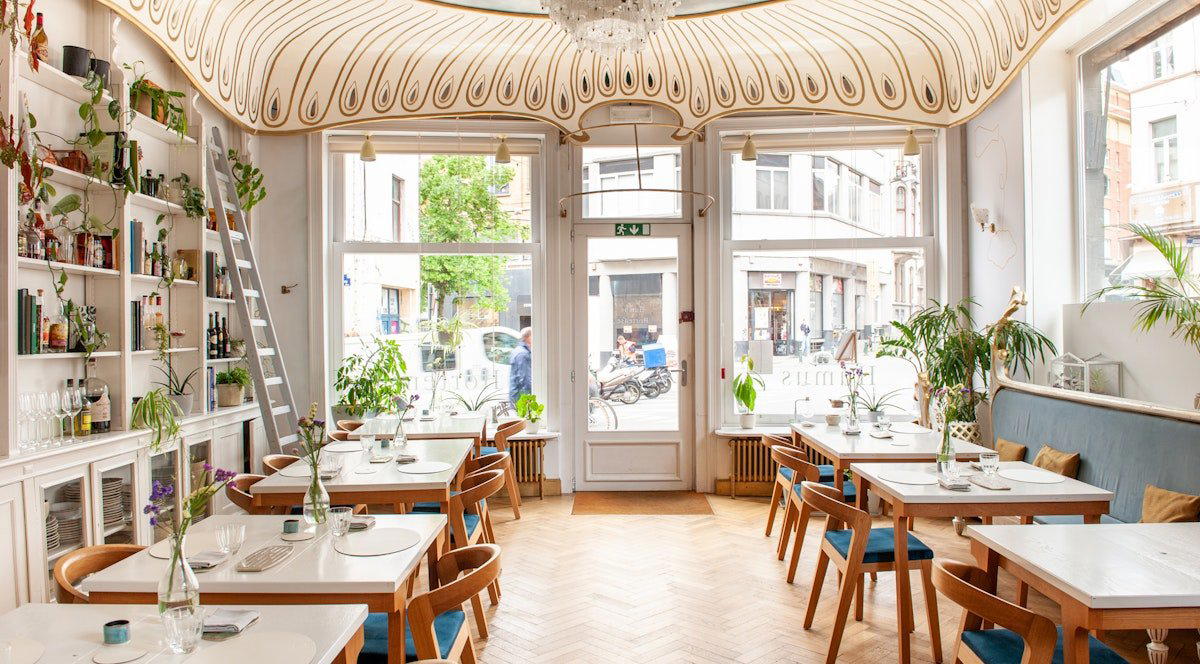
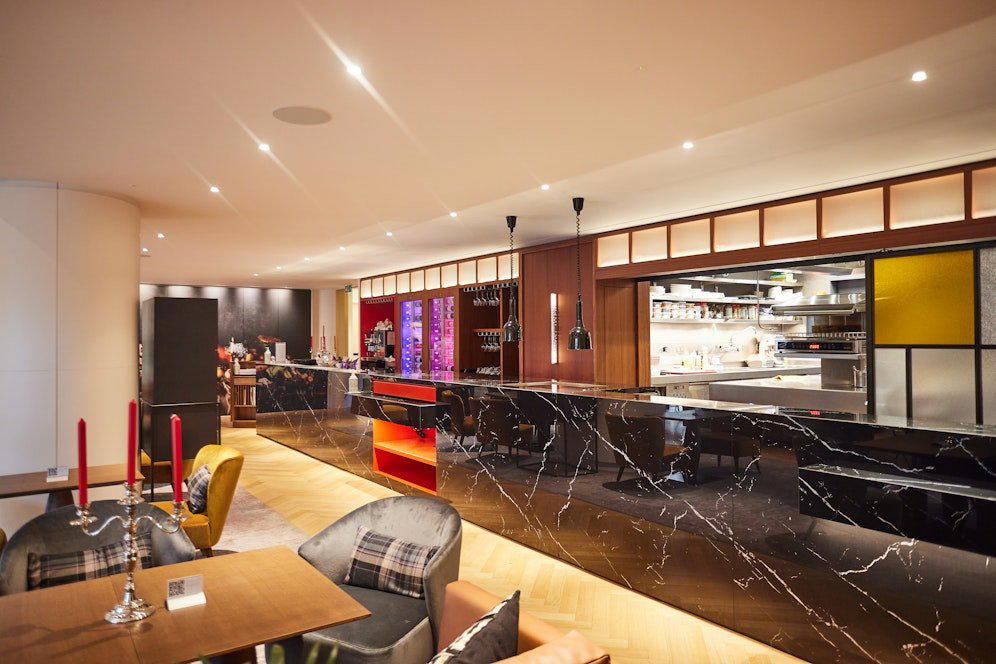
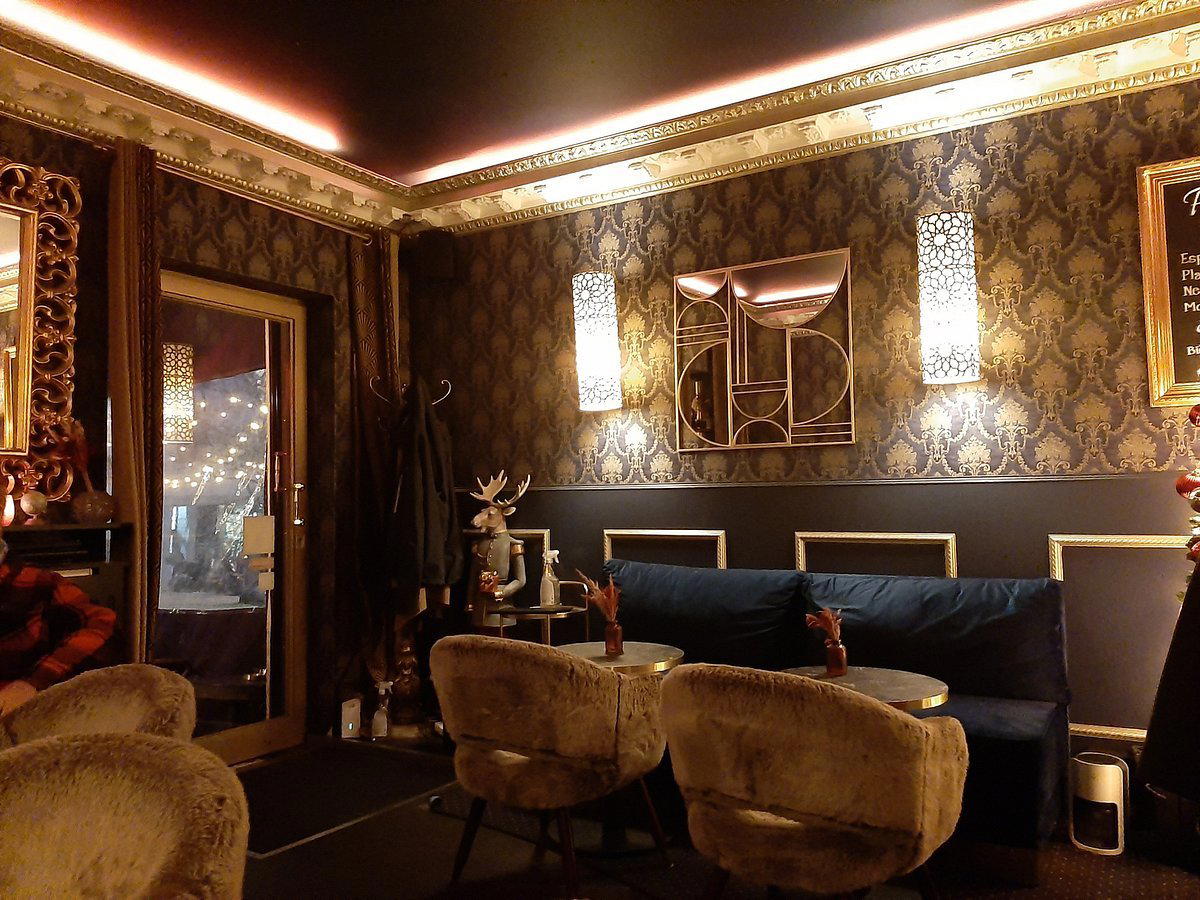
Smart, stylish setting with grey-blue walls, opalin light globes, and dark green couches; elegant yet approachable with both intimate front bar and cozy back room.