Tao Yuen Pastry
Tao Yuen Pastry at 816 Franklin St sits inside Oakland's Chinatown, among the more historically continuous Chinese commercial districts on the West Coast. The shop occupies a category of Chinese bakery that has largely disappeared from newer urban food corridors: the neighborhood production bakery, where baked and steamed goods are made on-site and sold at counter prices that have changed little over decades.
Pearl is the En Primeur Club membership app — saves, bookings, and concierge access live there. Same editors, same standards.
- Address
- 816 Franklin St, Oakland, CA 94607
- Phone
- (510) 834-9200
- Directions
- Get directions
 Saves & bookings on Pearl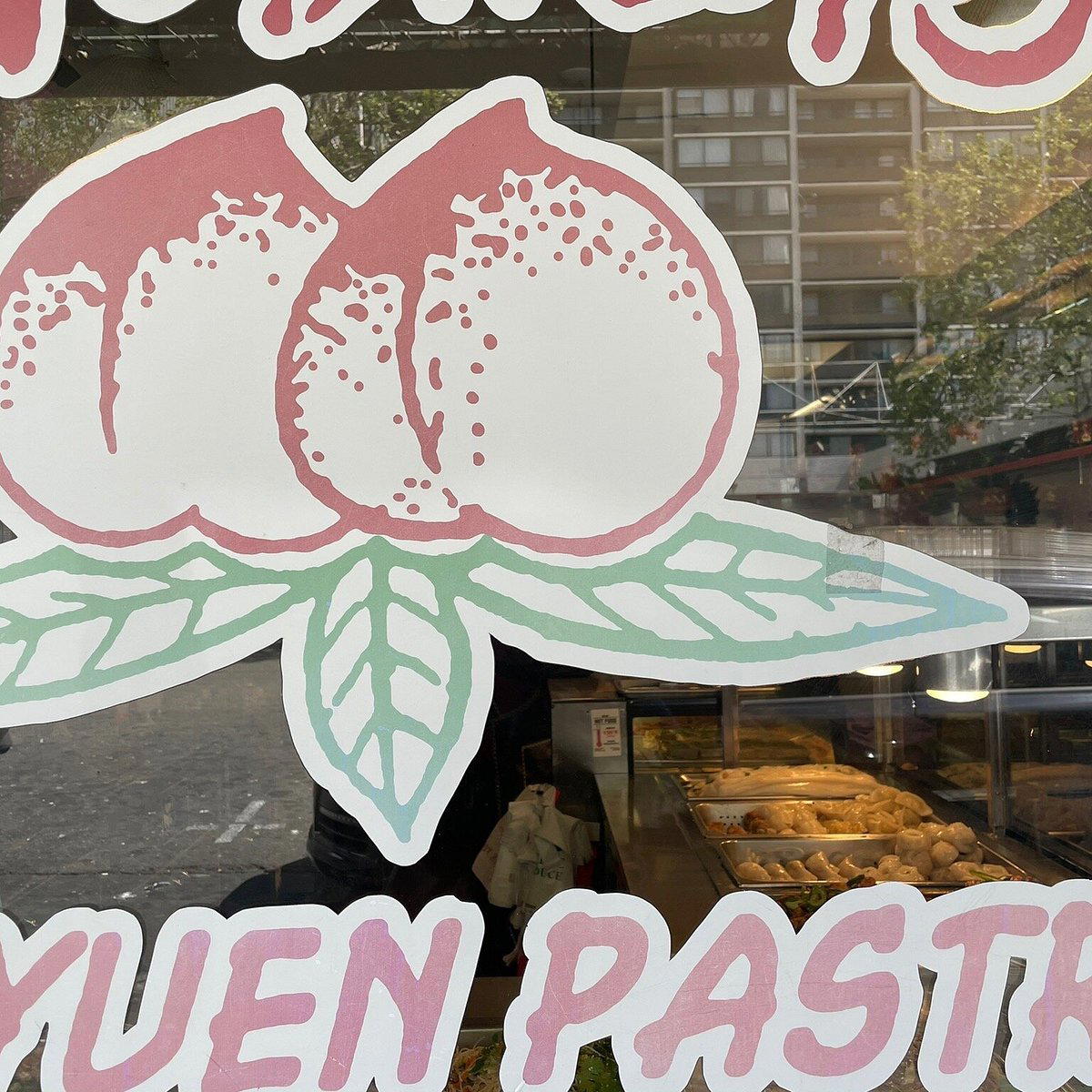
Oakland's Chinatown and the Bakery That Stayed
Franklin Street in Oakland's Chinatown runs through one of the oldest and most continuously operating Chinese commercial corridors in the United States. The neighborhood predates San Francisco's more prominent Chinatown in terms of commercial density relative to its surrounding city, and its food infrastructure reflects that persistence: fishmongers, herbalists, roast-meat counters, and pastry shops that have served the same blocks across multiple generations. Tao Yuen Pastry at 816 Franklin St belongs to that last category, the neighborhood production bakery.
In West Coast Chinatowns broadly, the traditional Chinese bakery operates on a logic different from the European-influenced artisan bakery that has defined Bay Area food culture over the past two decades. The product set is standardized by tradition rather than by seasonal sourcing: cocktail buns, wife cakes, pineapple buns, taro pastries, sesame balls, turnip cakes, and egg tarts are the category anchors, and quality is measured by execution consistency rather than ingredient novelty. What distinguishes a serious shop from a perfunctory one is the sourcing discipline applied to those standardized items, particularly the fats, flours, and fillings that determine texture and depth.
Ingredient Logic in the Chinese Bakery Tradition
The Chinese bakery format rewards attention to sourcing at the ingredient level precisely because the recipes are fixed. There is no creative latitude to mask a low-quality lotus seed paste with an unusual spice or a structural technique. The filling in a lotus paste bun either carries the right density and sweetness calibration or it does not. The lard or shortening ratio in a wife cake crust either produces the correct flaky shatter or it produces something closer to a dense cracker. In this sense, the Chinese bakery is a more transparent test of ingredient sourcing than many formats where technique can compensate for raw material shortcomings.
Oakland's Chinatown has historically drawn on the same import and wholesale networks that supply San Francisco's Richmond District and Sunset District bakeries, as well as the denser commercial corridors of the South Bay. Those networks connect West Coast shops to suppliers in Hong Kong, Guangdong province, and increasingly to domestic producers in California's Central Valley who have developed lotus root, taro, and mung bean crops for the Asian-American food market. A shop operating in Chinatown at the scale and longevity of Tao Yuen Pastry operates within that supply infrastructure rather than outside it, which means the sourcing story is partly regional and partly transpacific.
What the Format Tells You
The neighborhood production bakery that sells directly across a counter, without table service or a reservation system, represents a distinct tier within the broader Chinese bakery category. At this tier, the signal of quality is not a tasting menu or a chef's name above the door. It is foot traffic, regularity of the local customer base, and whether the goods arrive warm or have been sitting since morning. In Oakland's Chinatown, shops at this level serve a dual function: they supply households with daily staples like steamed rice rolls and fresh tofu, and they anchor the kind of low-friction food culture that more expensive dining corridors cannot replicate. That function has cultural weight beyond the transaction itself.
For comparison, the opposite end of the Bay Area dining spectrum produces meals that are architecturally composed and sourced with documentary precision. Places like Single Thread Farm in Healdsburg or Lazy Bear in San Francisco operate on farm-to-table sourcing philosophies that are explicit, named, and integrated into the service narrative. At a Chinatown pastry counter, the sourcing is equally disciplined but invisible to the customer: it lives in the texture of the crust and the ratio of the filling, not in the menu copy.
That contrast is not a criticism of either format. It reflects two entirely different relationships between production and presentation. Venues like The French Laundry in Napa, Le Bernardin in New York City, or Blue Hill at Stone Barns in Tarrytown build their entire editorial identity around sourcing transparency. The Chinatown bakery operates on sourcing discipline that is expressed through the product rather than communicated through the experience. Both are legitimate. The reader choosing between them is choosing between two different philosophies of how food knowledge gets transmitted.
Oakland Chinatown in Context
Oakland's Chinatown is not a tourist district in the way that San Francisco's Chinatown has become. It functions as a working neighborhood commercial corridor where the primary customers are residents and commuters rather than visitors. That distinction affects everything from pricing to operating hours to the range of products on offer. Shops like Tao Yuen Pastry price against the neighborhood's household economy.
That pricing structure is one reason the format has survived where comparable operations in more gentrified corridors have not. Elsewhere in Oakland, dining options across price tiers include Agave Uptown, alaMar Dominican Kitchen, and 3 Bottled Fish, all operating in a more contemporary restaurant register. The Chinatown bakery occupies a different economic and cultural register entirely. It is, in the plainest terms, a production operation with a storefront, and that operational model is increasingly rare in American cities at any price point.
Other Chinatown-adjacent options in the area, such as 8th St Cafe, operate in the Hong Kong-style cha chaan teng format, which overlaps with the bakery category in some items but is primarily a sit-down café format with a broader menu. The pastry shop and the cha chaan teng serve adjacent but distinct functions in the neighborhood food ecosystem. For morning coffee alongside a pineapple bun, Alem's Coffee nearby extends the neighborhood's morning options in a different direction.
Price and Recognition
Comparable venues nearby, for context on price, style, and recognition.
| Venue | Cuisine | Price | Notes |
|---|---|---|---|
| Tao Yuen PastryThis venue — the venue you are viewing | Chinatown, Cantonese Dim Sum & Pastry | $ | Not listed |
| Gum Kuo Restaurant | Chinatown, Cantonese Deli | $ | Not listed |
| Gourmet Delight Restaurant | Chinatown, Cantonese Roasted Meats Deli | $ | Not listed |
| Dragon Gate Bar and Grille | Not listed | $$ | Jack London Square, Taiwanese-Chinese Fusion |
| Chef Yu - Yuyu Za Zang | Temescal, Korean-Chinese | $$ | Not listed |
| Classic Guilin Rice Noodle | Chinatown, Authentic Guilin Rice Noodles | $$ | Not listed |
Continue exploring
More in Oakland
Restaurants in Oakland
Browse all →
Bars in Oakland
Browse all →
Hotels in Oakland
Browse all →




At a Glance
- Cozy
- Classic
- Casual Hangout
Current opening hours
- Monday
- 8 AM–6 PM
- Tuesday
- 8 AM–6 PM
- Wednesday
- 8 AM–6 PM
- Thursday
- 8 AM–6 PM
- Friday
- 8 AM–6 PM
- Saturday
- 8 AM–6 PM
- Sunday
- 8 AM–6 PM
Hours can change for holidays and private events. Last verified .
Cozy bakery atmosphere focused on take-out with no seating, featuring warm lighting over fresh pastry displays.