Dragon Gate Bar and Grille
Dragon Gate Bar and Grille occupies a Broadway address in Oakland's Chinatown-adjacent corridor, where the line between bar culture and full-service dining has always been deliberately blurred. For a neighbourhood that rewards those who look past the obvious, it represents the kind of mid-format space Oakland has quietly accumulated across its flatlands grid.
Pearl is the En Primeur Club membership app — saves, bookings, and concierge access live there. Same editors, same standards.
- Address
- 300 Broadway, Oakland, CA 94607
 Saves & bookings on Pearl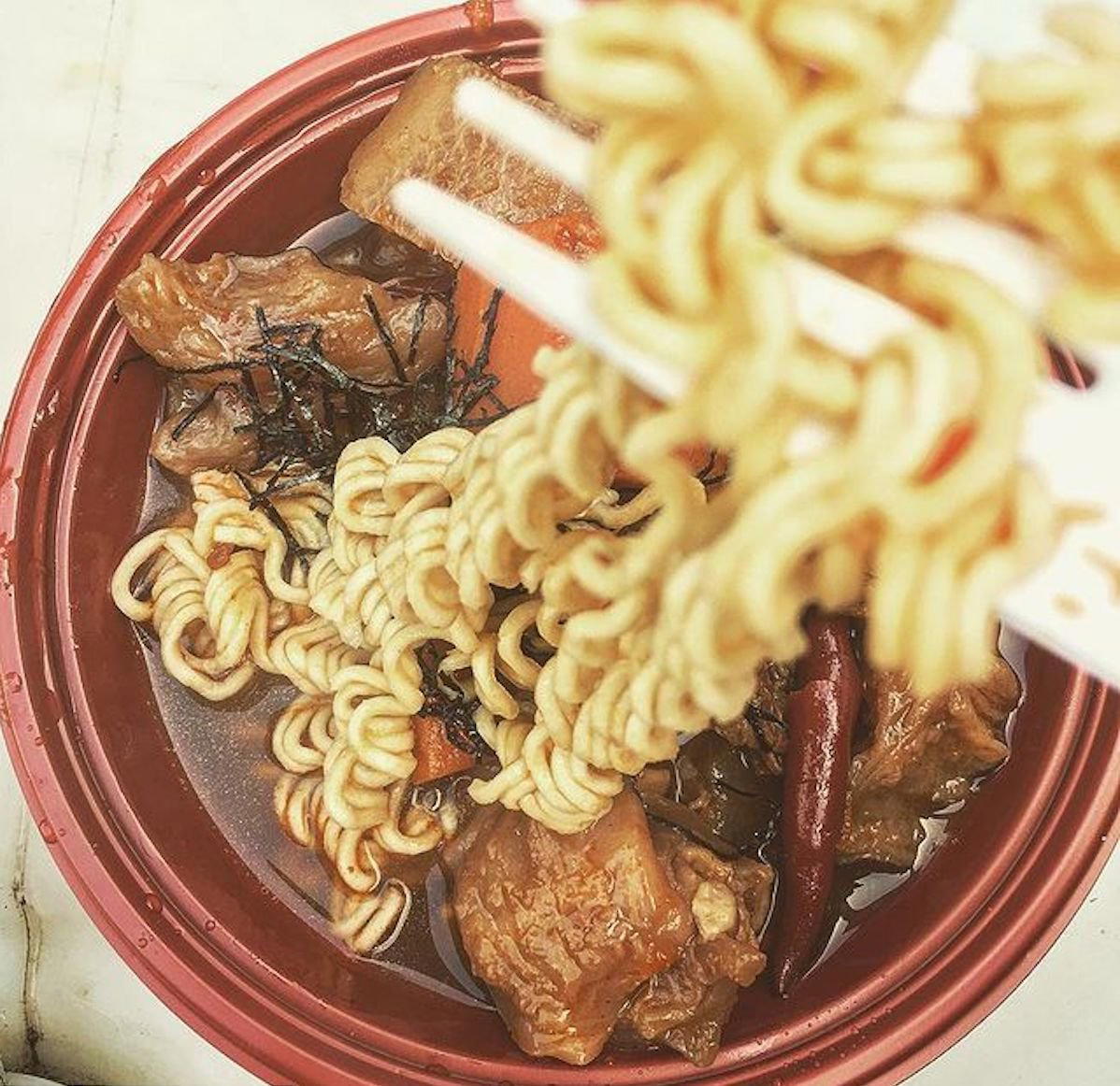
Broadway at the Edge of Chinatown: Oakland's Hybrid Dining Format
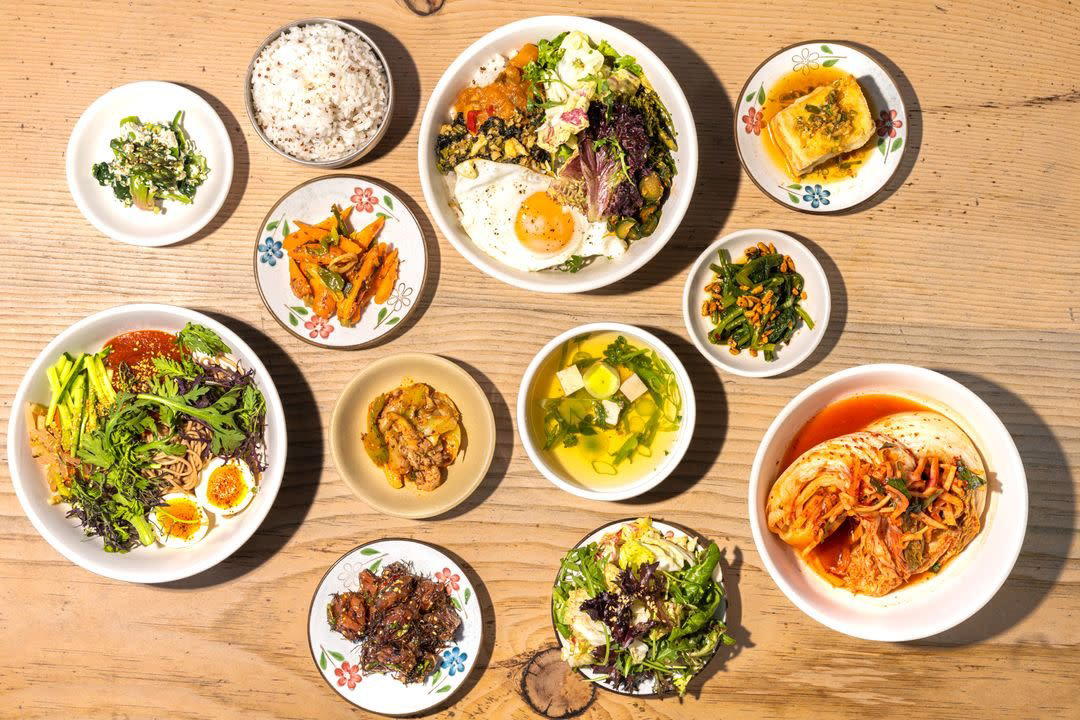
300 Broadway sits at the edge of Oakland's Downtown and Chinatown corridor, in a casual Taiwanese-Chinese Fusion restaurant where reservations are recommended and the price per person is about $25. Venues in this corridor have historically operated in a productive ambiguity: part neighbourhood bar, part full-service dining room, occupying a format that doesn't resolve neatly into either category. Dragon Gate Bar and Grille reads as a product of that environment rather than an imposition on it. The name itself does the positioning work before you arrive: the dragon gate is a classical Chinese architectural threshold, and in Oakland's context it signals a particular kind of welcome, one rooted in the neighbourhood's long Chinese-American commercial history along this stretch of Broadway.
Oakland's flatlands dining scene has grown increasingly layered over the past decade. Chinatown proper, just east of this address, remains one of the Bay Area's most concentrated zones of Chinese, Vietnamese, and Southeast Asian cooking, operating largely outside the review apparatus that governs San Francisco's equivalent corridors. The Broadway periphery, by contrast, has absorbed a wider range of formats: Dominican kitchens like alaMar Dominican Kitchen, Eritrean operations like Alem's Coffee, and Hong Kong-style café formats like 8th St Cafe 文記茶餐廳 all operate within a few minutes of each other, serving communities and cuisines that share a street but not necessarily a dining tradition.
What the Bar-and-Grille Format Signals in This City
The bar-and-grille designation carries specific meaning in a city like Oakland. It's not a fine-dining hedge or a gastropub aspiration. Across the Bay Area, venues that claim both identities tend to serve neighbourhood regulars across a longer daily arc than a restaurant alone could sustain: afternoon drinkers, early dinner tables, late-night food orders. The format's commercial logic suits Broadway's foot traffic pattern, which peaks at different hours than the Ferry Building or the Embarcadero across the water.
In cities where the drinks program and the kitchen operate as genuinely co-equal parts of a venue's identity, the question of what's in the glass matters as much as what's on the plate. That tension between bar culture and food culture has produced some of California's more interesting mid-format venues. Across the wider California dining circuit, particularly critically recognised operations tend to resolve that tension clearly in one direction: The French Laundry in Napa and Single Thread Farm in Healdsburg sit at the formal tasting-menu end; Lazy Bear in San Francisco occupies an experimental middle tier; Providence in Los Angeles and Addison in San Diego anchor their respective cities' fine-dining tiers. Dragon Gate Bar and Grille sits in a different competitive set entirely: the neighbourhood-serving hybrid that sustains a block rather than defining a city's gastronomic reputation.
The Wine List Question and What It Reveals
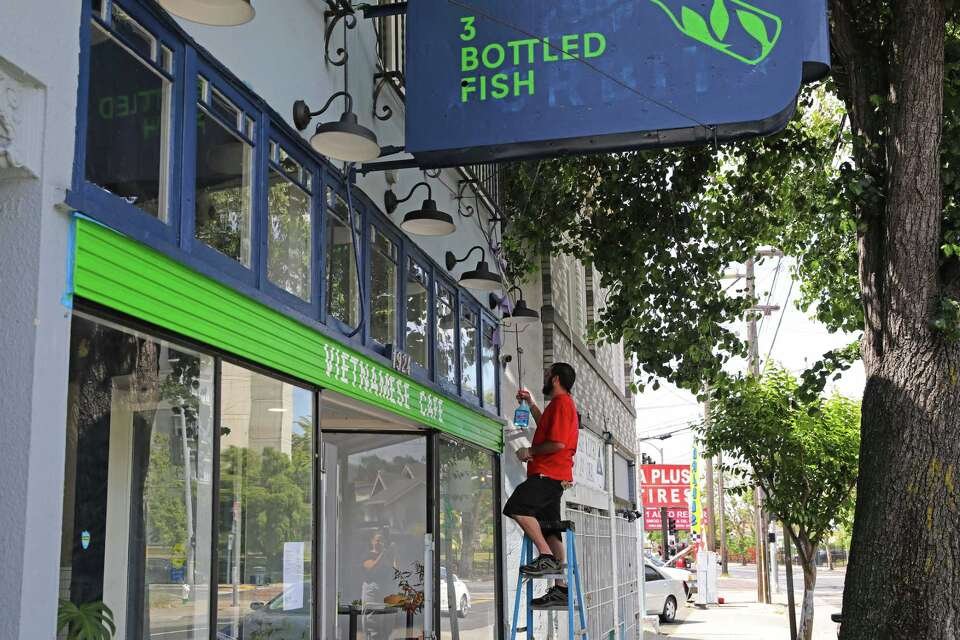
For any bar-and-grille format operating at a Broadway price point and serving a largely neighbourhood clientele, the drinks list functions as a signal of intent more than a revenue-maximising tool. In Oakland's current bar scene, the more ambitious operations have moved toward curated lists that reflect either regional sourcing or a point of view about what belongs alongside their kitchen's output. 3 Bottled Fish, operating nearby, represents one end of that spectrum. The broader California context is shaped by producers with strong allocations and distribution, meaning even neighbourhood bars in the Bay Area can, in principle, access Sonoma, Napa, and Central Coast bottles that would constitute premium selections in other American cities.
What makes a bar-and-grille drinks list worth attention is less the presence of a dedicated sommelier and more the coherence between what's poured and what's cooked. At the reference tier of American restaurant wine programs, venues like Le Bernardin in New York City, Smyth in Chicago, or Blue Hill at Stone Barns in Tarrytown treat the cellar as a parallel editorial argument to the kitchen. At the neighbourhood level, that coherence looks different but isn't less meaningful: a list that pairs well with the food on the table, priced to the demographic it serves, is doing its job correctly.
The bar component is likely oriented toward accessibility and volume over curation depth. That's not a criticism; it's an accurate description of what this format requires to function commercially in this neighbourhood. The more interesting question is whether the kitchen's output creates any upward pressure on the drinks side, a dynamic that tends to produce one interesting mid-tier programs over time.
Placing Dragon Gate in Oakland's Wider Dining Map
Oakland's dining identity has long been shaped by its position as the city that San Francisco's restaurant media underreports. The result is a scene with genuine range: Agave Uptown represents the Uptown corridor's more polished casual tier; 8th St Cafe anchors the Hong Kong-style café tradition; alaMar Dominican Kitchen operates in a Caribbean-American register that has few equivalents across the Bay. Against that diversity, Dragon Gate's bar-and-grille format reads as one node in a wide network rather than a dominant presence.
The Broadway address places it within walking distance of Oakland's City Hall and the older commercial core, a zone that has cycled through multiple economic phases without fully gentrifying in the way that Temescal or Rockridge have. Venues that survive in that corridor tend to do so by serving the people who live and work there across multiple years, not by capturing a particular dining trend. That kind of durability is its own credential, even if it doesn't generate award citations or critical profiles.
Dragon Gate Bar and Grille sits closer to the neighbourhood-serving end of that spectrum. Emeril's in New Orleans offers a useful mid-point comparison: a named venue with a clear identity that serves a neighbourhood as much as a destination audience.
Know Before You Go
- Address: 300 Broadway, Oakland, CA 94607
- Neighbourhood: Downtown Oakland, at the edge of the Chinatown corridor
- Format: Bar and grille (hybrid dining and bar service)
- Practical note: Reservations are recommended, and the dress code is casual.
The Quick Read
Comparable venues nearby, for context on price, style, and recognition.
| Venue | Cuisine | Price | Notes |
|---|---|---|---|
| Dragon Gate Bar and GrilleThis venue — the venue you are viewing | Not listed | $$ | Not listed |
| Mr. Liu Noodle House | Chinatown, Chongqing Style Noodles | $$ | Not listed |
| C&M Bistro | Chinatown, Cantonese Bistro | $$ | Not listed |
| Spices! 3 | Not listed | $$ | Downtown, Authentic Sichuan & Taiwanese Chinese |
| Ying Kee Restaurant | Chinatown, Homestyle Cantonese | $ | Not listed |
| Big Dish Restaurant | Not listed | $$ | Chinatown, Chinese Dim Sum and Rice Plates |
Continue exploring
More in Oakland
Restaurants in Oakland
Browse all →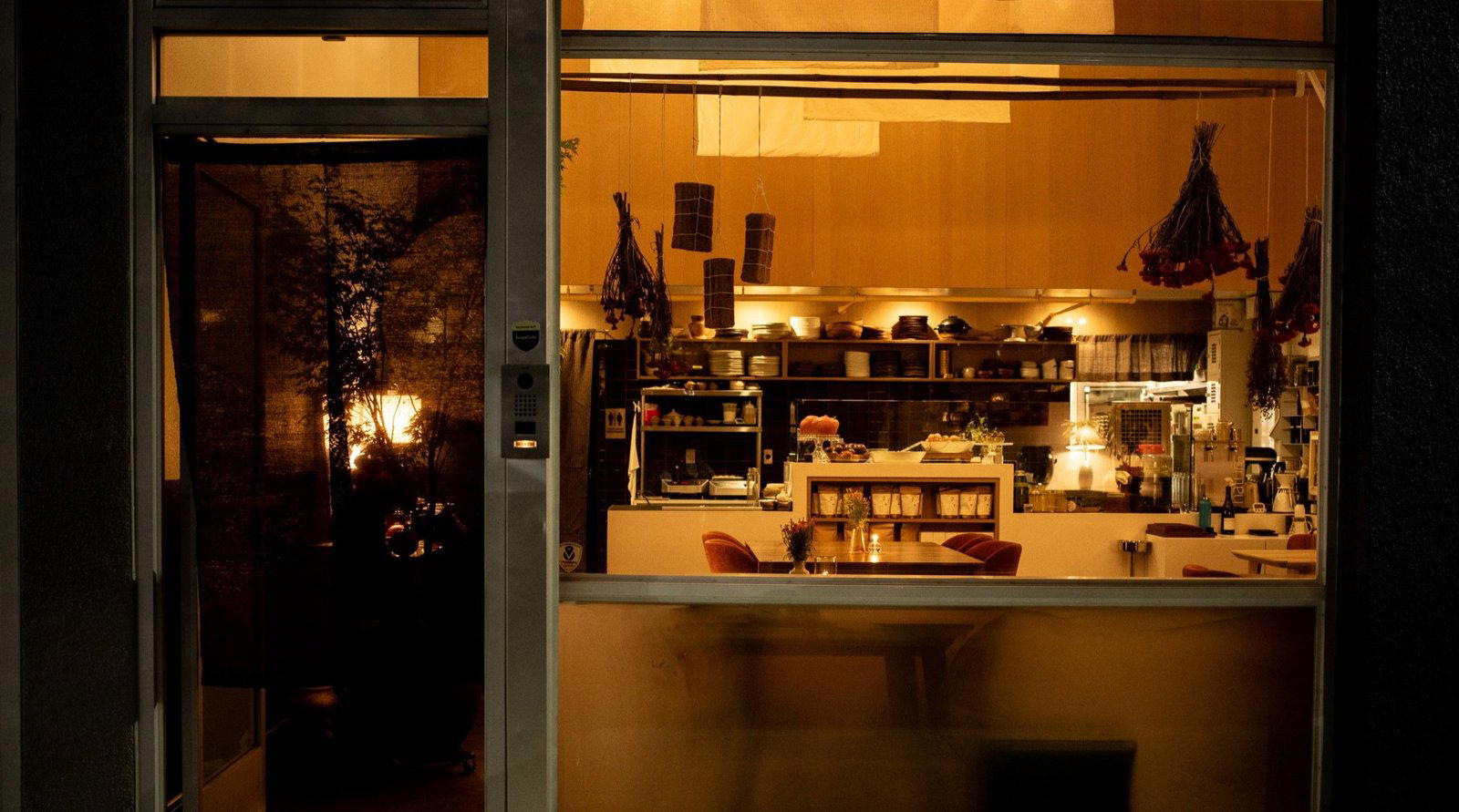
At a Glance
- Lively
- Cozy
- Trendy
- Group Dining
- Casual Hangout
- Late Night
- Waterfront
- Craft Cocktails
- Waterfront
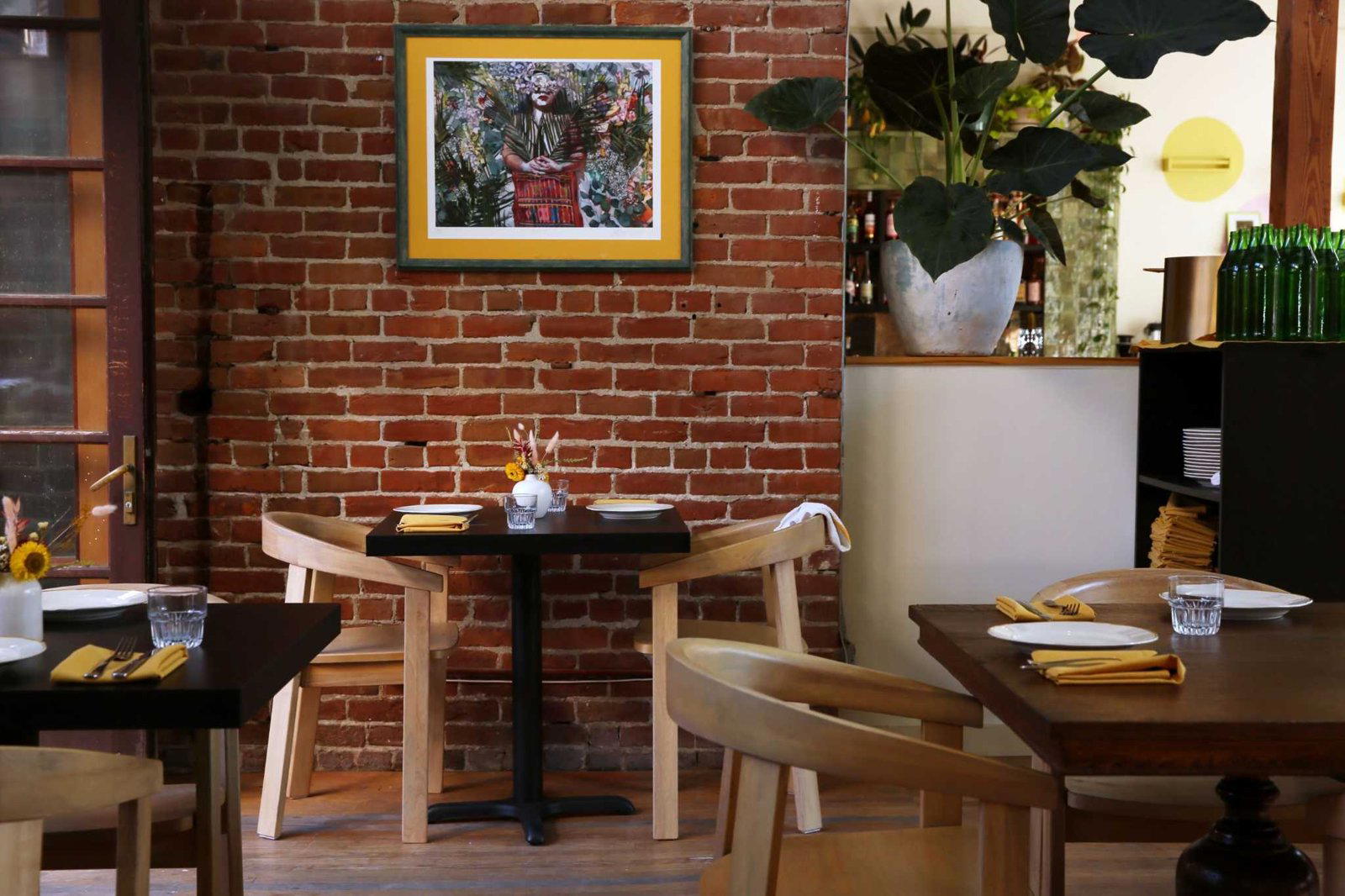
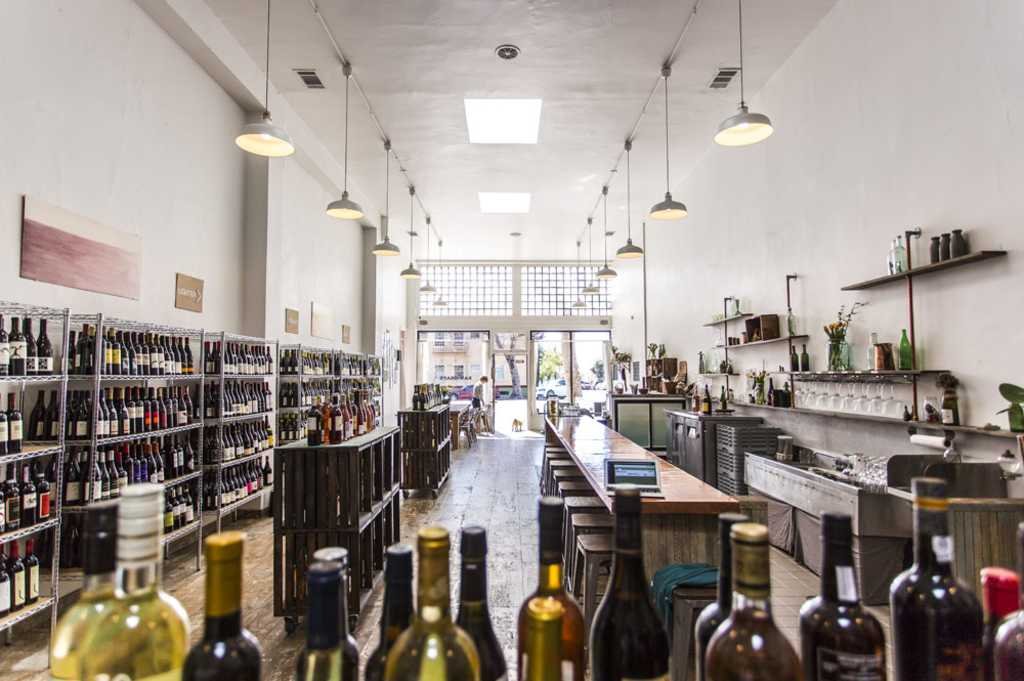
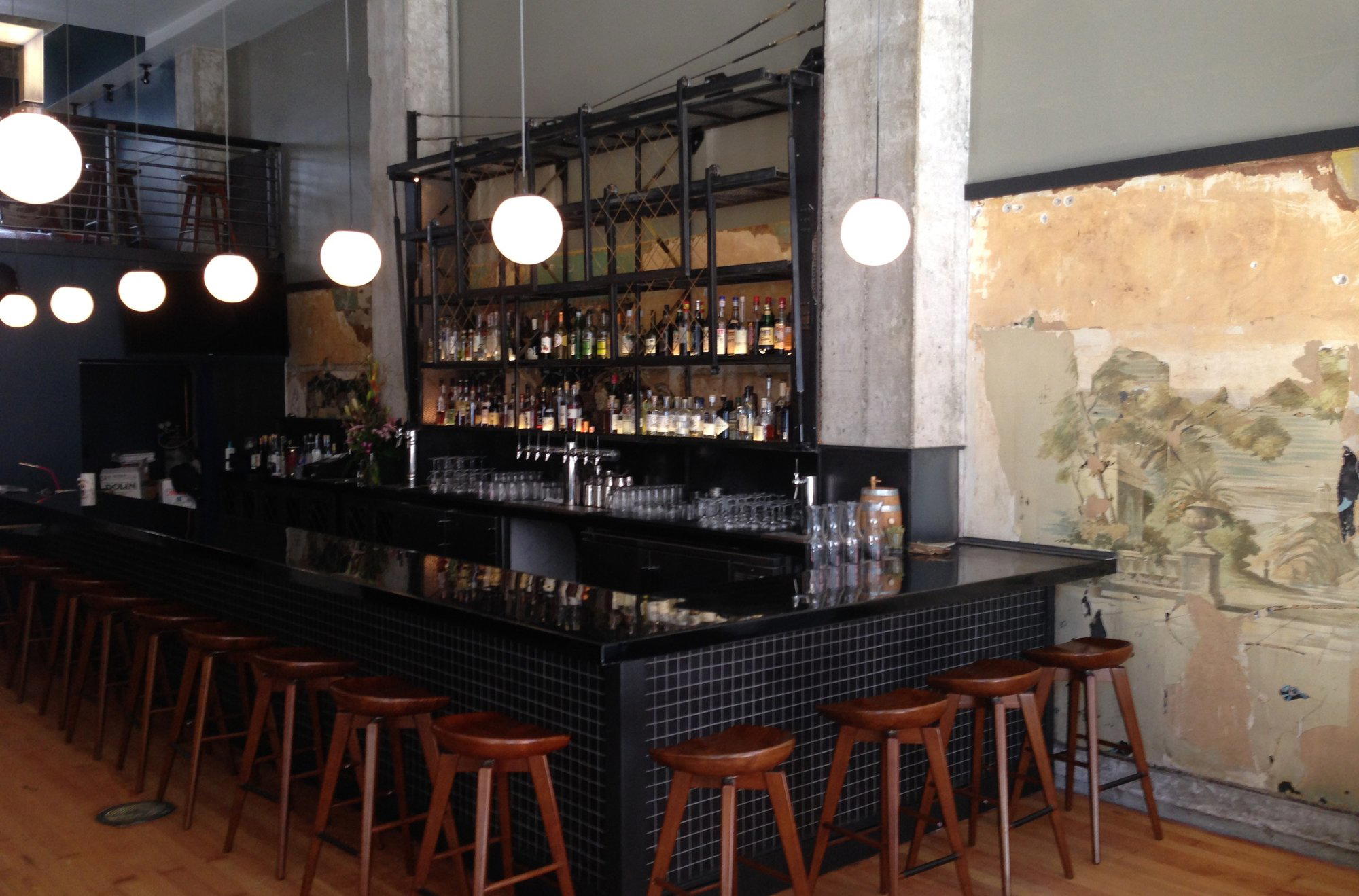
Cozy yet sophisticated with dark wood decor, Chinese paintings, big screen TVs, and a lively bar atmosphere.