Tampopo occupies a low-profile address on Lane 9 in Salmiya, sitting within a district that has become Kuwait's most concentrated stretch of independent dining. The name — borrowed from the Japanese word for dandelion, and from Juzo Itami's 1985 noodle-obsessed film — signals a kitchen that takes its references seriously. Practical details remain sparse, which in Salmiya's dining scene tends to indicate a word-of-mouth operation rather than a mass-market one.
Pearl is the En Primeur Club membership app — saves, bookings, and concierge access live there. Same editors, same standards.
- Address
- Building 704, Lane 9, Salmiya, Kuwait
- Website
- tampoporamenshop.com
- Directions
- Get directions
 Saves & bookings on Pearl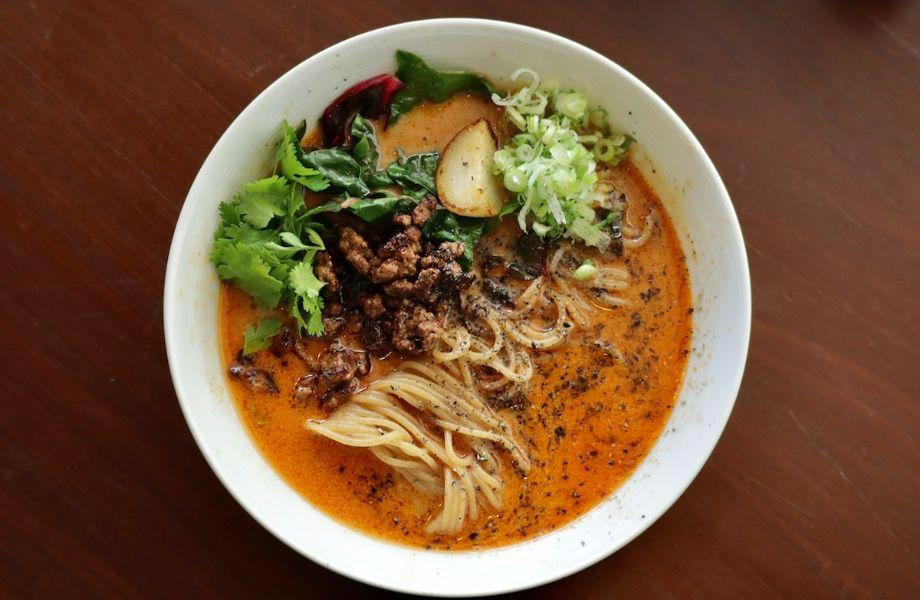
Lane 9, Salmiya: Where the Independent Dining Scene Concentrates
Salmiya has quietly become the district in Kuwait City's wider metropolitan area where independent restaurants do their most interesting work. The commercial spine running through Building 704 and its surrounding lanes hosts a density of owner-operated rooms that sits apart from the mall-anchored chains dominating much of the Gulf's dining market. Within that context, Tampopo occupies a specific address — Lane 9, Building 704 — that places it inside Salmiya's working core rather than on its tourist-facing edge. The approach is understated in a way that reads, in this neighbourhood, as a deliberate positioning choice rather than an oversight.
The name itself carries weight. Tampopo is the Japanese word for dandelion, but it is also the title of Juzo Itami's 1985 film: a deadpan, affectionate portrait of a woman obsessed with perfecting ramen, structured as a series of vignettes about people who take eating seriously. A restaurant that borrows that reference is making a quiet claim about its own orientation, that what arrives at the table matters, and that the sourcing and technique behind it are worth thinking about. Whether the kitchen fully honours that claim is what the rest of a visit will determine. For our full Salmiya restaurants guide, the name alone is enough to flag this as a room worth tracking.
Sourcing as a Signal: What Ingredient Provenance Says About a Kuwait Kitchen
In the Gulf region broadly, and Kuwait specifically, ingredient sourcing is one of the clearest markers separating serious kitchens from formula operations. The distance from major agricultural producers, combined with Kuwait's reliance on imports for the vast majority of its fresh produce, protein, and specialty ingredients, means that a kitchen's supply chain choices are visible in the finished dish in ways that are harder to obscure than in, say, a European city with a Tuesday farmers' market two streets away.
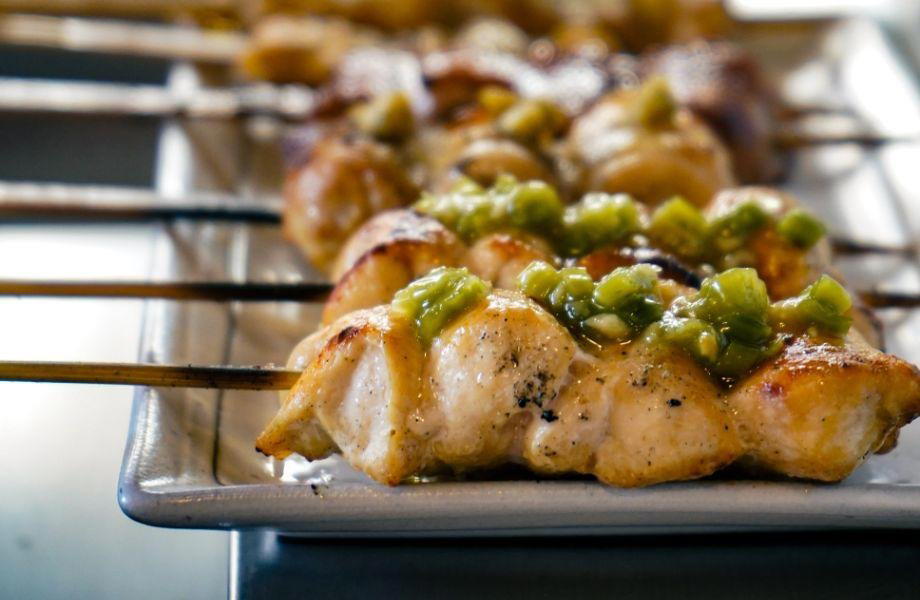
Restaurants that prioritise provenance in this environment tend to operate on tighter margins and smaller menus, both because specialist sourcing costs more and because a kitchen committed to quality over volume will not pad a menu with filler dishes that dilute the proposition. This pattern is visible across the more serious independent rooms in Salmiya. Bonjiri, also on the Salmiya circuit, has built a following around a similar orientation toward specificity over scale. White Robata in Shuwaikh applies the same logic to its robata sourcing, where the quality of the protein is the entire argument.
Tampopo's reference point, a film about ramen, points toward a cuisine tradition where the sourcing of stock ingredients (bones, aromatics, cured pork products, noodle wheat) is foundational rather than incidental. Ramen is a dish where you cannot fake a good broth: the quality of the base is the dish. A kitchen that takes that tradition seriously will make procurement decisions that show up in the bowl.
The Scene at Lane 9: Atmosphere Without the Usual Signals
The physical environment at Building 704, Lane 9 fits the pattern of Salmiya's more considered independent rooms: a street-level address without the visual noise of a branded facade, in a part of the district that rewards the visitor who already knows where they are going. This is not the stretch of Salmiya that announces itself to passing traffic. It is the kind of address you arrive at because someone sent you a pin.
That geography has a practical consequence. Dining rooms at this kind of address in Kuwait tend to draw a repeat local clientele rather than a tourist walk-in crowd. The atmosphere follows from that: quieter than a mall food hall, more consistent in its demographic, and with a room energy shaped by people who are there specifically rather than incidentally. For context on what that register feels like in comparable rooms, the independent-operator model visible at Cure in Kuwait City and Midar in Rai illustrates how Kuwait's serious independent kitchens tend to self-present: without performance, and with the assumption that the guest already has a reason to be there.
The contrast with high-volume, high-visibility operations, the Wimpy in Coast Strip C tier of the market, or the international-chain anchors in Gulf malls, is stark. Tampopo sits at the opposite end of that spectrum by both geography and implied format.
Kuwait's Independent Dining Tier in Global Context
It is worth noting where Kuwait's independent dining scene sits relative to global reference points. Rooms like Le Bernardin in New York City, Atomix in New York City, or Alinea in Chicago operate in markets with established critical infrastructure, Michelin coverage, and decades of independent dining culture. Kuwait's independent scene is younger and less documented, which means that rooms doing serious work, in sourcing, in technique, in conceptual rigour, operate without the external validation systems that their equivalents in Paris, Hong Kong, or New York would accumulate.
That absence of external rating infrastructure does not diminish the quality argument. It does mean that the signals readers should track are different: word-of-mouth longevity, repeat clientele density, and conceptual consistency over time. For points of international comparison in Asian-influenced cooking, 8 1/2 Otto e Mezzo Bombana in Hong Kong and Amber in Hong Kong represent what a fully mature independent dining culture looks like at its upper tier. Kuwait's leading independent rooms are building toward that kind of credibility on a different timeline and in a different regulatory and cultural context. Tampopo, alongside rooms like KUMAR in South Sabahiya and Al Shamam Restaurant, represents a cohort of Kuwait independents that have chosen specificity over scale.
Planning a Visit: What to Know Before You Go
In Salmiya's independent dining scene, this typically means the operation relies on direct contact or walk-in trade rather than a centralised reservations platform. The address at Building 704, Lane 9, Salmiya is the confirmed anchor point. Given the neighbourhood's layout, arriving by car or ride-share is the practical approach; street parking on the lanes surrounding Building 704 is generally available. For visitors planning a broader evening in Salmiya, the concentration of independent rooms in this part of the district means that a backup option is rarely more than a short walk away.
At a Glance
- Trendy
- Intimate
- Modern
- Casual Hangout
- Solo
- Group Dining
- Open Kitchen
- Beer Program
- Zero Proof
- Local Sourcing
- Organic
Current opening hours
- Monday
- 3–9 PM
- Tuesday
- 3–9 PM
- Wednesday
- 3–9 PM
- Thursday
- 3–9 PM
- Friday
- 3–9 PM
- Saturday
- 3–9 PM
- Sunday
- 3–9 PM
Hours can change for holidays and private events. Last verified .
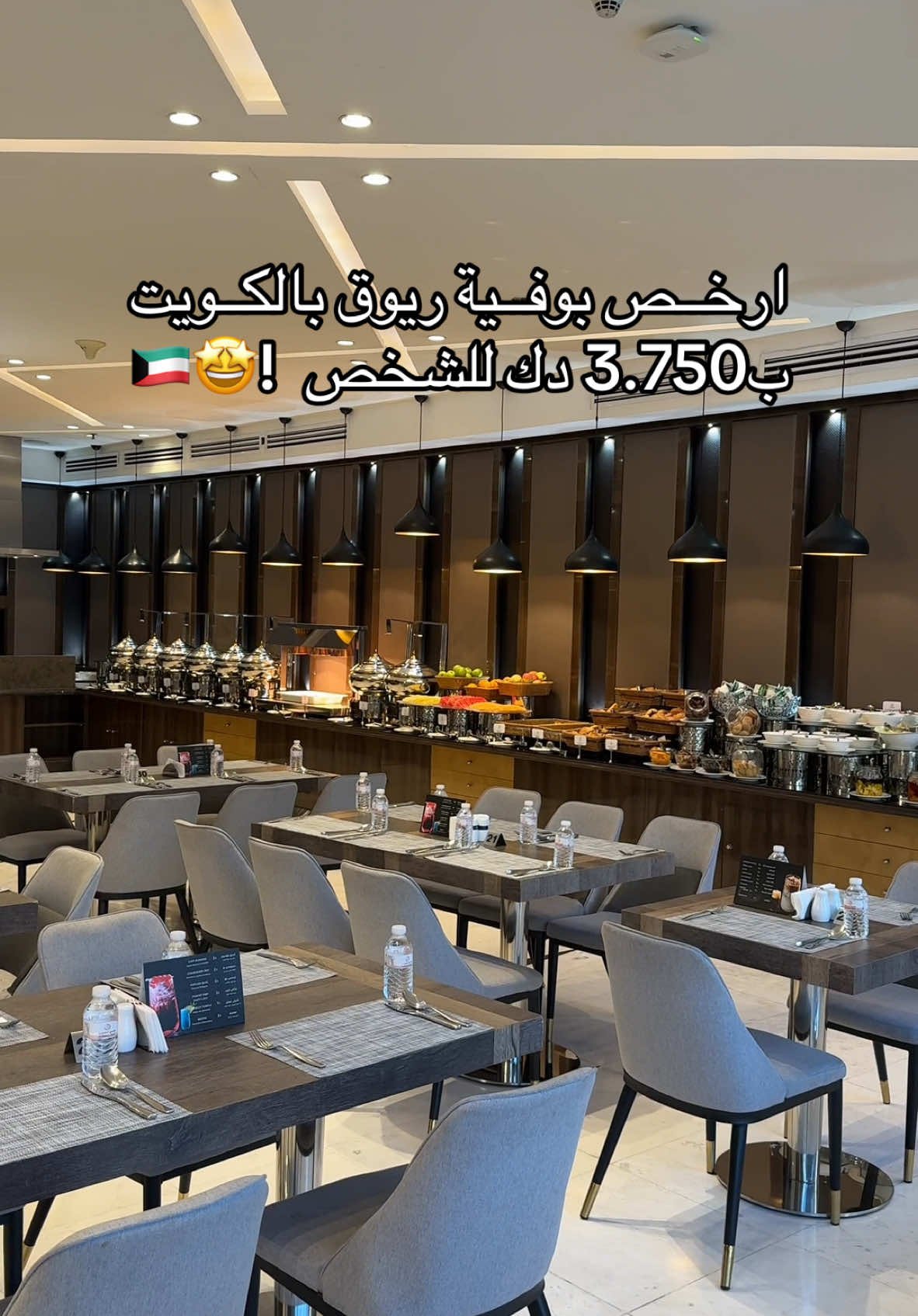
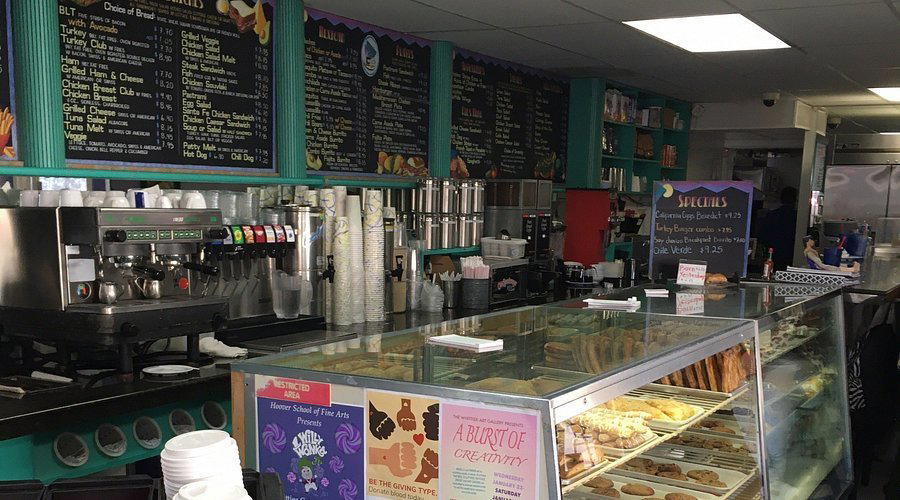
Buzzy, minimalist space with bar seating along the kitchen counter and storefront window; intimate 20-seat dining room with open kitchen visibility creating an energetic yet cozy atmosphere.
Know Before You Go
- Getting there
- Building 704, Lane 9, Salmiya, Kuwait