Talung

A Michelin Plate recipient in 2024 and 2025, Talung is a small family-run Southern Thai restaurant on Chotana Road in Chiang Mai's Chang Phueak district. Operating from a simply furnished ground-floor space beneath a residential building, it serves the kind of deeply regional cooking, shrimp paste, bitter beans, squid ink, rarely found this far north.
Pearl is the En Primeur Club membership app — saves, bookings, and concierge access live there. Same editors, same standards.
- Address
- 8 ถนน โชตนา ซอย 12 ตำบลช้างเผือก อำเภอเมือง, เมือง, Chiang Mai 50300, Thailand
- Phone
- +66 83 578 4948
- Website
- facebook.com
 Saves & bookings on Pearl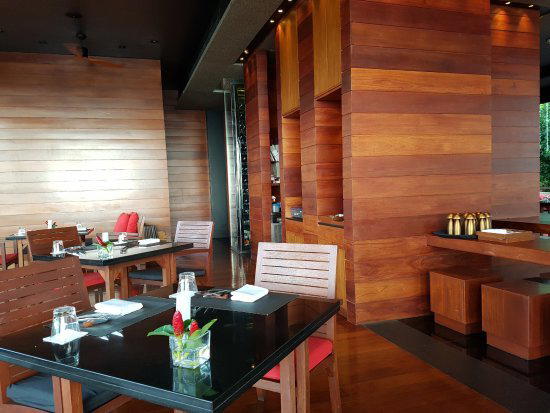
Southern Thai Cooking, Transplanted North
Chiang Mai's restaurant identity is overwhelmingly Northern Thai: khao soi, sai oua, slow-braised pork with pickled garlic. The city's dining options, however wide they run, tilt consistently toward the cuisine of the surrounding mountains. Southern Thai food occupies a smaller, more specific niche here, and the gap between what's available in Bangkok or Phuket and what reaches Chiang Mai's tables is considerable. Talung operates within that gap. Located on Chotana Road Soi 12 in the Chang Phueak district, it runs as a family business from a ground-floor space beneath a residential apartment block, air-conditioned and simply decorated, with a lively bar section that gives the room some energy without theatrics. The Michelin Guide has awarded it a Plate distinction in both 2024 and 2025.
What Southern Thai Cooking Actually Means Here
The Southern Thai culinary tradition is built on sharper heat profiles, heavier use of turmeric and galangal, and a willingness to work with bitterness and ferment in ways that the milder central Thai palate tends to avoid. Shrimp paste (kapi) is a structural ingredient rather than a background note; bitter beans (sator) appear regularly; seafood sourcing and preparation carry different assumptions than in landlocked northern cuisines. Bringing that tradition to Chiang Mai requires ingredient commitment and kitchen discipline. Talung's record specifically notes a stir-fried squid with squid ink that produces a rich, well-seasoned sauce with a herbal scent, and stir-fried prawns served with homemade southern Thai shrimp paste and young bitter beans. Those two dishes illustrate the kitchen's orientation: the cooking is not softened for a northern audience. The squid ink preparation places Talung in a peer conversation with Southern Thai restaurants operating at the more serious end of the format, places like Chom Chan in Phuket or Beer Hima in Bangkok's Chatuchak, both of which hold their own Michelin recognition for Southern Thai cooking.
The Sustainability Argument Hidden in a Small Family Kitchen
Southern Thai cooking, when practised by a family-run kitchen rather than a scaled restaurant group, contains an implicit sustainability logic that is easy to overlook. Fermented shrimp paste, bitter beans, and dark-sauce squid preparations are not menus assembled from premium import catalogs. They are built around preserved and foraged ingredients, regional protein that travels shorter supply chains, and techniques that extend the usability of whole animals or shellfish rather than selecting only premium cuts. A kitchen producing homemade shrimp paste is, by definition, controlling its own fermentation rather than outsourcing it to industrial suppliers. That practice alone, labour-intensive and time-consuming, signals a supply chain that stays close to traditional Thai coastal production methods rather than the standardised commodity shrimp paste found across mass-market Thai restaurants globally.
Small family operations at the ฿฿ price point also tend to operate leaner waste profiles than larger destination restaurants. Without a PR-driven sustainability program to announce, this type of kitchen often embeds low-waste practice through economic necessity as much as philosophy: whole ingredients get used, ferments extend shelf life, daily procurement maps to actual covers. Chiang Mai has a wider set of restaurants working in this register, Aunt Aoy Kitchen, Baan Landai, and Baan Suan Mae Rim each represent versions of Thai cooking rooted in ingredient fidelity rather than menu spectacle. Talung's positioning within that cohort, combined with its Michelin Plate recognition, suggests a kitchen where quality and restraint reinforce each other.
The broader Thai fine dining movement has seen this tension play out at scale. Sorn in Bangkok, which holds two Michelin stars for Southern Thai cuisine, has made sourcing from small traditional producers a publicised part of its program. PRU in Phuket built its entire format around farm-to-table supply discipline. Talung operates at a different price point and scale, but the underlying principle, that Southern Thai cooking done correctly depends on ingredient integrity rather than luxury markup, connects these restaurants across their tier differences.
Placing Talung in Chiang Mai's Dining Structure
At the ฿฿ price tier, Talung competes not with the city's destination dining rooms but with a comparable set of mid-range Thai specialists. That comparable set in Chiang Mai includes Northern Thai houses like Busarin Cuisine and broader Thai options like Ekachan. What separates Talung from that comparison group is the cuisine type: Southern Thai cooking at this standard, with back-to-back Michelin Plate recognition, is a narrower offer than its price point might suggest.
Chang Phueak is north of the Old City moat, away from the tourist-heavy Nimman and Nimmanhaemin corridors. The neighbourhood's dining character skews local, and Talung's ground-floor residential building location fits that register. Arriving at the venue involves none of the curated entrance or design narrative associated with higher-tier destinations, what you get instead is a functional room with air conditioning, a working bar, and a kitchen producing food that received Michelin recognition two consecutive years. For visitors whose Chiang Mai restaurant planning tends to cluster around the Old City or the Nimman strip, the Chotana Road location requires deliberate navigation but not significant effort.
Planning a Visit
Talung sits at 8 Chotana Road Soi 12, Tambon Chang Phueak, Chiang Mai 50300. The ฿฿ pricing places it firmly within the mid-range, where the cooking quality-to-cost ratio for regional Thai specialists tends to be highest in Thai cities. Reservations are recommended. The service is friendly and attentive.
What to Order at Talung
The stir-fried squid with squid ink, noted for its rich, well-seasoned sauce and herbal scent, reflects the Southern Thai tendency to build depth through fermented or darkly reduced bases rather than relying on heat alone. The stir-fried prawns with homemade southern Thai shrimp paste and young bitter beans speak directly to the kitchen's ingredient sourcing: housemade kapi and fresh sator are details that separate this from generic Thai seafood preparations. Both dishes arrive as evidence that Michelin's two consecutive Plate awards are rooted in the cooking's specificity rather than its setting. Go in with those two dishes as anchors.
Recognition Snapshot
Comparable venues nearby, for context on price, style, and recognition.
| Venue | Cuisine | Price | Awards | Notes |
|---|---|---|---|---|
| TalungThis venue — the venue you are viewing | Southern Thai | $$ | Michelin Plate | Not listed |
| Lumdee Te Khuadang | Northern Thai | $$ | Michelin Plate | San Sai |
| Kiti Panit | Modern Northern Thai Lanna | $$ | Michelin Plate | Mueang Chiang Mai |
| Euang Kam Sai | Authentic Northern Thai | $$ | Bib Gourmand | Mueang Chiang Mai |
| Kinlum Kindee | Authentic Northern Thai (Lanna) | $$ | Michelin Plate | San Sai |
| Poondang Kaengron | Northern-influenced Thai | $$ | Michelin Plate | Saraphi |
Recognition history
Dated appearances from independent guides and award organizations, with the underlying list record or original source where available.
Michelin Plate
Michelin
Michelin Plate
Michelin
Michelin Plate
Michelin
Continue exploring
More in Chiang Mai
Restaurants in Chiang Mai
Browse all →
Bars in Chiang Mai
Browse all →

At a Glance
- Lively
- Cozy
- Casual Hangout
- Open Kitchen
Current opening hours
- Monday
- Closed
- Tuesday
- 10:30 AM–9 PM
- Wednesday
- 10:30 AM–9 PM
- Thursday
- 10:30 AM–9 PM
- Friday
- 10:30 AM–9 PM
- Saturday
- 10:30 AM–9 PM
- Sunday
- 10:30 AM–9 PM
Hours can change for holidays and private events. Last verified .
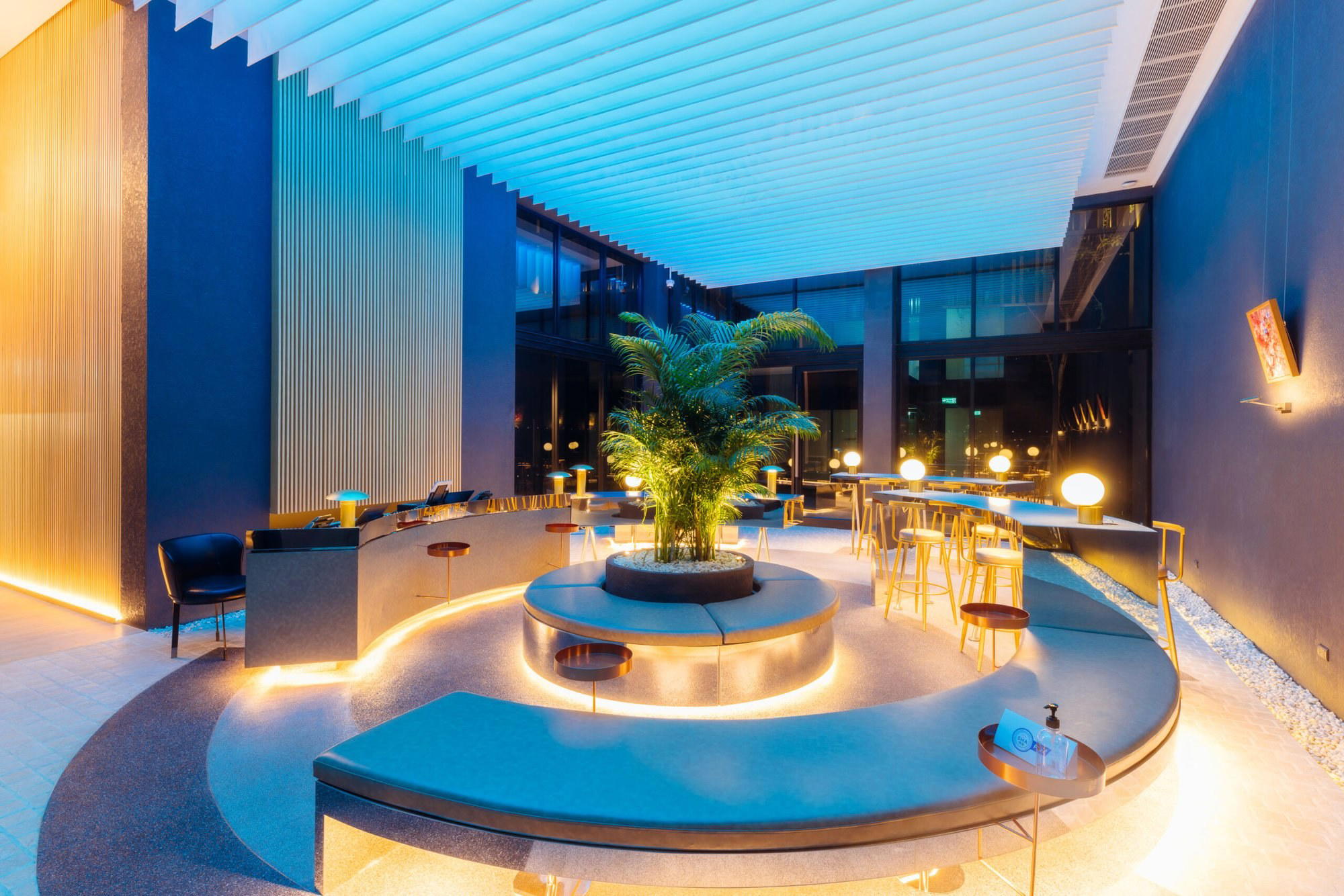
Simply decorated ground-floor eatery with air conditioning and lively bar, friendly attentive staff.