Girasole
Our verdict
On Copeland Street in Pittsburgh's Shadyside neighborhood, Girasole occupies the quieter, more considered end of the city's Italian dining tradition. The room rewards those who plan ahead, and the address has built a reputation that sits well above its neighborhood footprint. An essential stop for anyone mapping Pittsburgh's serious dining options.

Pearl is the En Primeur Club membership app — saves, bookings, and concierge access live there. Same editors, same standards.
- Address
- 733 Copeland St, Pittsburgh, PA 15232
- Phone
- (412) 682-2130
- Hours
- Mon ClosedTue–Thu 11:30 AM–9:30 PMFri–Sat 11:30 AM–10 PMSun 4–9 PM
- Website
- girasolepgh.com
- Directions
- Get directions
The menu
What to order
- Squid Ink Linguine
- Spinach and Ricotta Ravioli
- Escarole and Beans
Shadyside's Approach to Italian Dining
Pittsburgh's Italian dining tradition runs deep, but the city's most serious expressions of it tend to operate at neighborhood scale rather than downtown spectacle. Shadyside, the leafy residential district that stretches along Walnut Street and spills into the quieter blocks around Copeland, has long attracted the kind of restaurant that builds a following through consistency rather than press cycles. Girasole, at 733 Copeland St, sits squarely in that pattern. The address is residential-adjacent, which tells you something about the dining register before you even open the door: this is not a venue angling for convention traffic or first-time visitors swept in off the street.
That positioning matters when you consider the broader arc of Italian-American fine dining in mid-sized American cities. Where major coastal markets have largely bifurcated into either high-concept Italian (tasting menus with fermented this, aged that) or casual red-sauce comfort, cities like Pittsburgh have preserved a middle tier that takes the food seriously without demanding that the diner participate in a conceptual exercise. Girasole occupies that middle tier with some authority, having maintained its Copeland Street address long enough to become a reference point rather than a trend.
Planning Your Visit: The Booking Dimension
The editorial angle that frames Girasole most accurately is not the food itself, but the planning it requires. In Pittsburgh's dining hierarchy, the addresses that hold their ground year over year tend to be the ones that fill on reputation alone, and Girasole is that kind of restaurant. Reservations are the operative word here. Walk-ins at dinner, particularly on weekend evenings, are a gamble that experienced visitors do not take. The room is not large, which means supply is genuinely constrained rather than artificially managed.
For anyone mapping a Pittsburgh itinerary, the practical sequencing matters: secure the Girasole booking first, then build the rest of the trip around it. This is the inverse of how most visitors approach a city, but it reflects the reality of how this tier of restaurant operates in a market that does not have the sheer volume of comparable options that New York or Chicago offer. To put that in perspective, the caliber of planning discipline that Le Bernardin in New York City or Smyth in Chicago demands from diners exists on a different scale, but the principle is identical: the room has a fixed number of seats, and the demand reliably exceeds them.
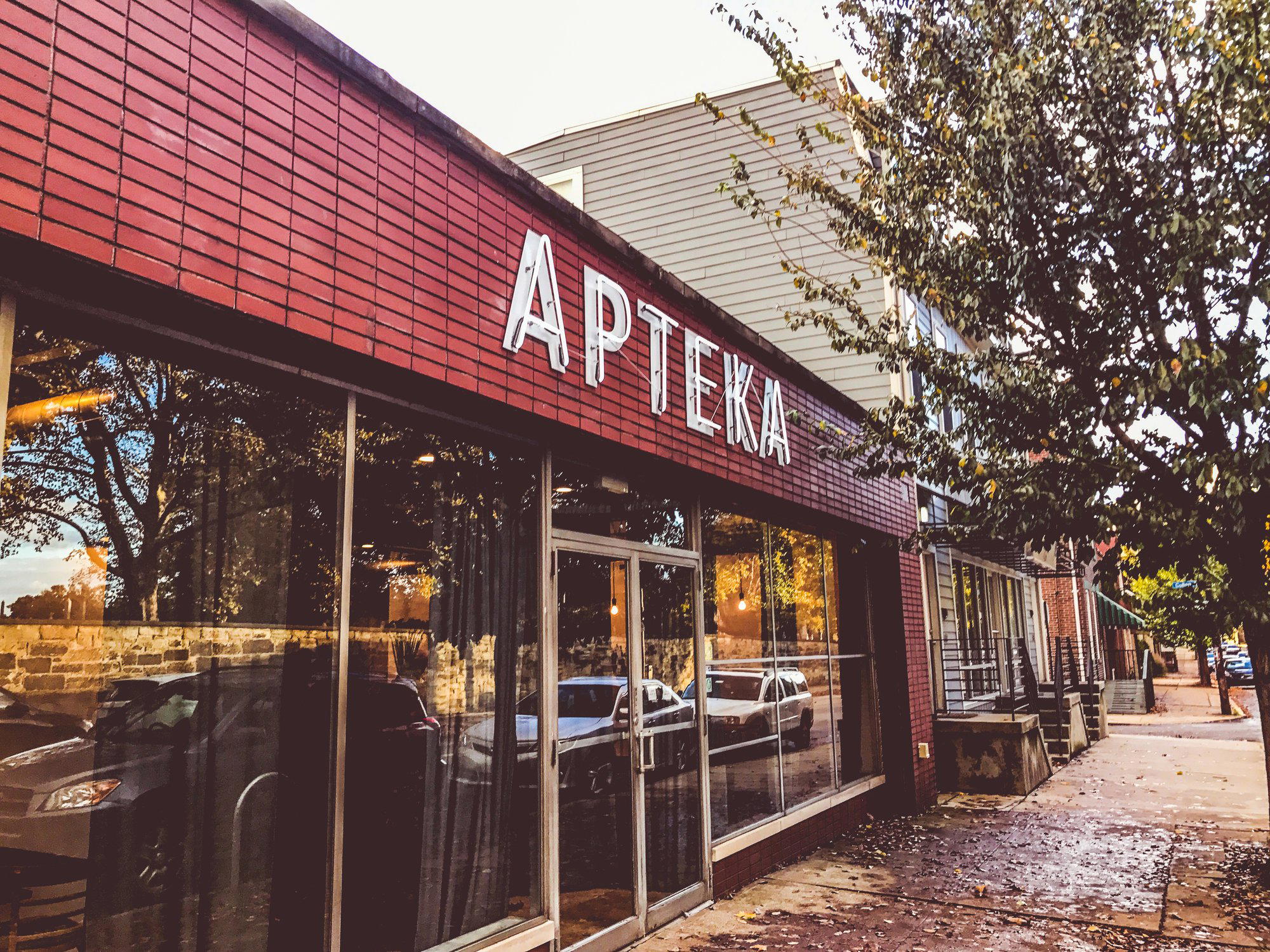
The broader Pittsburgh dining circuit does offer alternatives if your window is narrow. Altius operates at the refined end of the city's contemporary dining range and is worth considering for the same planning-first approach. Alfabeto provides a different Italian reference point in the city. For those whose schedules allow more flexibility, Apteka in Polish Hill and 1930 by Atria's each occupy distinct positions in the city's dining map and are covered in our full Pittsburgh restaurants guide.
The Italian Dining Context
Italian restaurants in American cities operate along a credibility spectrum that has shifted considerably over the past two decades. The rise of regional Italian specificity, driven by chefs trained in Emilia-Romagna, Campania, or Piedmont rather than in the general Italian-American tradition, has redefined what the upper tier of this cuisine looks like in the United States. Addresses like Atomix in New York City demonstrate how regional specificity in any cuisine can anchor a restaurant's identity with precision. In fine dining more broadly, venues such as The French Laundry in Napa, Blue Hill at Stone Barns in Tarrytown, and Single Thread Farm in Healdsburg show how a strong sense of place and sourcing can become the defining logic of a serious restaurant. Providence in Los Angeles, Addison in San Diego, and The Inn at Little Washington in Washington each demonstrate how regional dining markets can sustain destination-level restaurants outside of the obvious major hubs. Lazy Bear in San Francisco, Emeril's in New Orleans, and Atelier Moessmer Norbert Niederkofler in Brunico round out a picture of how serious food culture develops across markets of different sizes and identities.
Girasole's longevity in Shadyside places it in a category of Pittsburgh restaurant that has survived multiple cycles of neighborhood change and dining trend. That kind of durability in a city that has seen genuine restaurant attrition over the past decade is its own form of credential. It does not require a James Beard nomination or a Michelin appearance to signal seriousness when the local market has already delivered its verdict through sustained demand.
Neighbourhood Character and Arrival
Copeland Street sits in the quieter residential fabric of Shadyside, a few blocks removed from the Walnut Street retail corridor that most visitors associate with the neighborhood. Arriving here by car is the most practical option; street parking along Copeland and the surrounding blocks is generally available outside of peak weekend hours, though the Friday and Saturday dinner window tightens considerably. Those arriving from Downtown Pittsburgh should account for fifteen to twenty minutes by car depending on traffic through the East Liberty corridor.
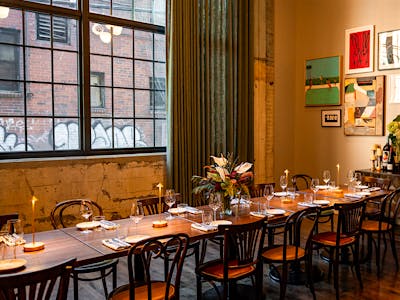
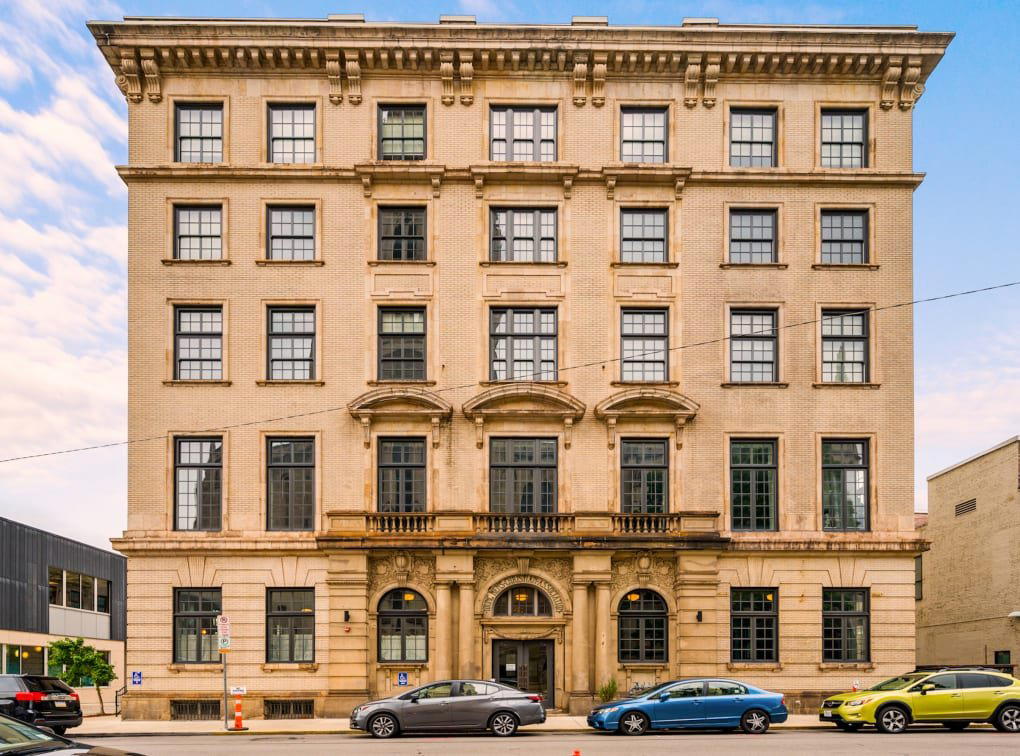
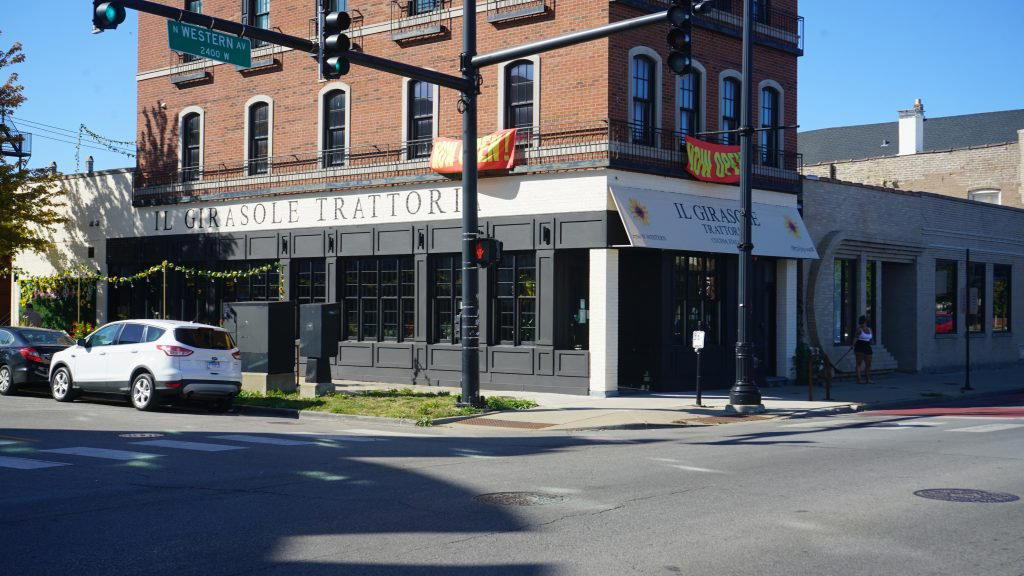
The physical approach to the restaurant sets an expectation that the room delivers on: this is a neighborhood address that takes its work seriously without broadcasting it. The exterior does not signal ambition through design theatrics. What it signals instead is durability, and in Pittsburgh's dining scene, durability is a meaningful credential. Bakersfield Penn Ave represents the city's more casual, high-energy end of the spectrum; Girasole operates in a different register entirely, one where the evening moves at its own pace and the room is small enough that service remains attentive across the full arc of a meal.
Before You Go
For any visitor prioritizing serious Italian dining in Pittsburgh, the planning timeline for Girasole should begin well in advance of the trip. Weeknight reservations offer a somewhat more accessible window than weekends, and the earlier in the week you can be flexible, the better your options. The Shadyside location makes it a natural anchor for an evening that starts with a walk through the neighborhood and ends with dinner, particularly in the warmer months when the streets between Walnut and Ellsworth are at their most active.
Frequently asked questions
What's Girasole's location?
Girasole is located at 733 Copeland St, Pittsburgh, PA 15232, Pittsburgh.
Is Girasole in Pittsburgh suitable for a special occasion dinner, and how far in advance should I plan?
Girasole's standing in Pittsburgh's Shadyside neighbourhood makes it a natural choice for occasion dining, and the reservation pressure reflects that. Based on the restaurant's profile among Pittsburgh diners, weeknight bookings warrant at least two to three weeks of lead time, with weekend reservations requiring considerably more. The Copeland Street address is in a quieter residential pocket, so arrival without a confirmed table is a risk not worth taking.
What dish is Girasole famous for?
The kitchen's reputation in Pittsburgh's Shadyside dining community has been built through word of mouth rather than menu marketing. Visiting without a fixed expectation of a single dish is likely the more honest approach.
What's the best way to book Girasole?
Girasole at 733 Copeland St does not publish a booking portal or reservation link in current circulation, so direct contact by phone or walk-in inquiry during service hours is the practical starting point. Given its standing in Pittsburgh's Shadyside neighbourhood, weekend tables in particular require planning well ahead of your intended visit. Building in a lead time of several weeks is the operating assumption most Pittsburgh regulars apply.
What is Girasole known for?
Girasole is known in Pittsburgh dining circles for operating at neighbourhood scale in Shadyside, on a residential stretch of Copeland Street removed from the busier Walnut Street corridor. Its reputation rests on a commitment to Italian cooking taken seriously outside the downtown dining axis. That positioning, combined with limited seating, has made it one of the harder tables to secure in the city.
City Peers
Comparable venues nearby, for context on price, style, and recognition.
| Venue | Cuisine | Price | Awards | Notes |
|---|---|---|---|---|
| GirasoleThis venue — the venue you are viewing | Authentic Italian | $30–50 | Not listed | Not listed |
| LA Dolce Vita | Traditional Italian Trattoria | $30–50 | Not listed | South Side Slopes |
| The Aperitivo Club | Italian Aperitivo & Cocktails | $30–50 | Not listed | Downtown |
| Mercurio's O'Hara | Authentic Neapolitan Pizza & Artisan Gelato | $20–30 | Not listed | O'Hara |
| Senti Restaurant | Modern Italian | Not listed | Not listed | Lower Lawrenceville |
| Chengdu Gourmet | Authentic Sichuan Chinese | $20–30 | James Beard Award Semi Finalist | Squirrel Hill South |