
Sumibi Yakitori Kichizo gives Osaka’s yakitori scene a compact, value-led counterpoint to higher-priced tasting-menu dining. Its Tabelog 100 Yakitori WEST 2025 selection, 16-seat scale and charcoal-grill focus put it in the serious specialist tier without pushing into the city’s luxury price bracket.
Pearl is the En Primeur Club membership app — saves, bookings, and concierge access live there. Same editors, same standards.
- Address
- Japan, 〒550-0012 Osaka, Nishi Ward, Itachibori, 3 Chome−5−20 Genêse honmachi-nishi
- Phone
- +81 6-6531-0638
- Website
- tabelog.com
 Saves & bookings on Pearl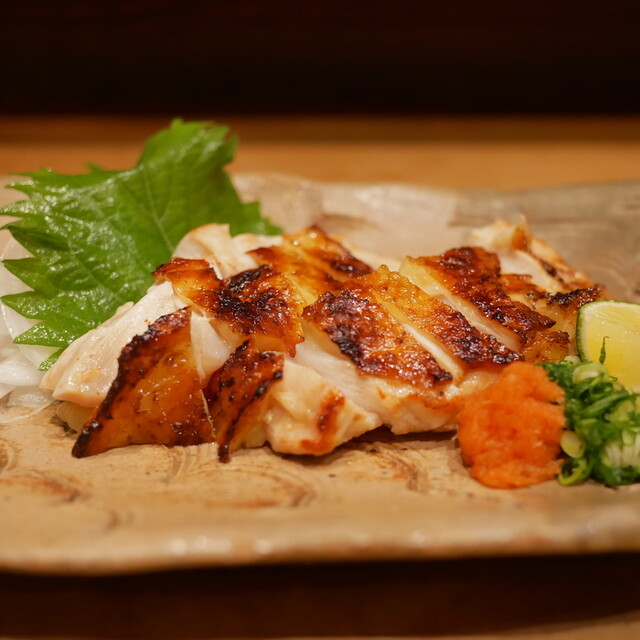
Approaching a charcoal yakitori room in Osaka slows dinner down. The city excels at speed, from station-counter noodles to department-store food halls, but yakitori asks for smoke, timing, repetition and control over heat. In Itachibori, away from louder tourist circuits, Sumibi Yakitori Kichizo represents a quieter Osaka dining mode, where a small room and grill carry more weight than a long tasting-menu script.
Osaka restaurant culture is often judged by abundance: takoyaki, okonomiyaki, kushikatsu, late-night ramen, markets and snack streets. Yakitori works differently: a craft of portioning and sequence rather than spectacle, where value depends on precision more than rarity. Here, the question is whether focus, pacing and technical control justify a dedicated evening rather than a casual stop between bars.
Charcoal yakitori as Osaka value, not luxury theatre
The useful comparison is neither Osaka’s cheapest izakaya nor high-end kappo. Sumibi Yakitori Kichizo sits between them: a specialist grill format with izakaya accessibility. Listed for yakitori and izakaya, with sake and shochu in the drinking frame, it reads as a charcoal-led drinking table rather than a formal multi-course counter. Yakitori houses at this level are judged on consistency across skewers, control of smoke and salt, and whether the room sustains a full dinner without filler.
Public recognition gives the address weight. Selection for Tabelog 100 Yakitori WEST 2025 places it among a curated regional group, while repeat selections from 2021 through 2025 signal durability, not a single year of attention. Its Tabelog score of 3.72 also matters: Japan’s user-rating culture is conservative, and that band for tightly focused restaurants usually indicates a serious local following rather than broad tourist visibility.
Osaka yakitori pricing can rise quickly once counter-only formats, rare parts and elaborate beverage pairings enter. Kichizo stays in a more forgiving bracket, giving access to a craft-led dinner without the spend of Osaka’s more formal counters. For travellers, that leaves room for breadth: a morning at 52CHO-ME BAKERY, a casual pork-bun stop at 551 Horai (551蓬莱), Italian at a canto (Italian), or pizza at 99 Pizza Napoletana Gourmet can coexist with a serious yakitori dinner rather than compete with it.
A 16-seat room changes the economics of the evening
Capacity shapes the experience before the first skewer arrives. A 16-seat setup, split between counter and table seating, keeps the grill central without forcing every diner into a counter-only performance. In Osaka, where group and solo dining need different formats, counter seats suit travellers who want to watch the grilling sequence, while tables work for friends or family without turning it into a large-format izakaya.
The absence of private rooms and private-use availability reinforces the point: this is not a corporate-entertaining shell with yakitori attached. It belongs to compact, public-facing Osaka dining, where scale and grill cadence are part of the value. Children are welcome, and solo dining is explicitly compatible, broadening the use case beyond date-night dining. That flexibility is often underappreciated in Japan’s specialist restaurants, where small size can narrow the audience.
Payment logistics matter. Cash-only operation, with credit cards, electronic money and QR payments not accepted, keeps the transaction old-school and requires planning. For visitors, that is a real constraint, not a romantic detail. So is location. Awaza sits outside the heaviest Namba and Umeda dining flows, helping explain why the room feels tied to local Osaka eating rather than sightseeing momentum. Itachibori suits diners seeking a focused evening without building the night around Dotonbori foot traffic.
Its price position becomes clearer against nearby and citywide alternatives. Sapporo Soup Curry JACK Shinmachi ten occupies a lower everyday bracket, PRESTAU sits in an Italian lane, and Hanzou moves into a far higher spend category. Kichizo’s lane is narrower: charcoal chicken, drinks, small-room pacing and a bill suited to a specialist dinner. That is why it belongs on a shortlist for travellers who care less about maximal luxury than category integrity.
How to place it in an Osaka food itinerary
The strongest way to use Sumibi Yakitori Kichizo is as the anchor of an evening in Nishi Ward, not a detour between major sightseeing stops. Its dinner-only rhythm suits a planned night better than an improvised snack crawl. Osaka has plenty of walk-in comfort food; serious yakitori rewards diners who treat the grill as the main event.
It also fits a broader Osaka itinerary that alternates specialisation and casual eating. A traveller could build a day around coffee at .cafe, a bakery stop, a simple lunch, then yakitori at night without repeating the same dining register. For wider planning, Our full Osaka restaurants guide is the natural starting point; Our full Osaka hotels guide, Our full Osaka bars guide, Our full Osaka wineries guide and Our full Osaka experiences guide frame the city beyond dinner.
For readers comparing Japanese specialist formats across regions, the point is category discipline. Beef sukiyaki at -Grilled beef Sukiyaki- KAMAKURA TANUKIAN 鎌倉 たぬき庵 in Kamakura, charcoal seafood at. 鮪と炭火焼き うお炭 秋葉原店 in Tokyo, curry at [Curry Senmon Ten] Maruyama Kyoju. in Sapporo, or a Kyoto table such as [ki:] in Kyoto all show how Japanese dining rewards a narrow brief. The logic extends outside Japan through sake-led or Japanese casual formats such as Jōdo Saké Bar in Los Angeles and Onigiri Time in Pasadena, though those sit in different cultural and price contexts.
The verdict is simple: this is a value-led yakitori choice for diners who want Osaka’s charcoal-grill craft without paying for ceremony they may not need. The award history supplies trust; the room size supplies intimacy; the price bracket keeps the evening grounded. Add it to an Osaka plan when the goal is not breadth for its own sake, but one tight, grill-focused dinner that explains why yakitori remains one of Japan’s great small-format dining traditions. For broader regional contrast, addresses such as.know in Kumamoto and (Shoku) Vietnam in Kawasaki show how focused restaurants across Japan can make a narrow premise feel complete.
In Context: Similar Options
Comparable venues at the same tier.
| Venue | Cuisine | Price | Notes |
|---|---|---|---|
| Sumibi Yakitori KichizoThis venue — the venue you are viewing | Charcoal-Grilled Yakitori & Izakaya | $$$ | Not listed |
| Tori Yaki Saji | Yakitori & Chicken Grill | $$$ | Kita |
| Kuku Hanare | High-end Yakiniku (Japanese BBQ) Counter | $$$ | Sakaihigashi |
| Torisho Ishii Hina | Modern Yakitori Omakase | $$$ | Minami-Azabu |
| Yakiniku Futoro | Casual Wagyu Yakiniku Counter | $$$ | Kita |
| Ishii Jr. | Yakitori & Chicken Dishes Omakase | $$$ | Kita |
Recognition history
Dated appearances from independent guides and award organizations, with the underlying list record or original source where available.
Tabelog 100 #47 · No. 47
Tabelog · Tabelog 100 - Yakitori - WEST - 2025
Continue exploring
More in Osaka
Restaurants in Osaka
Browse all →




Bars in Osaka
Browse all →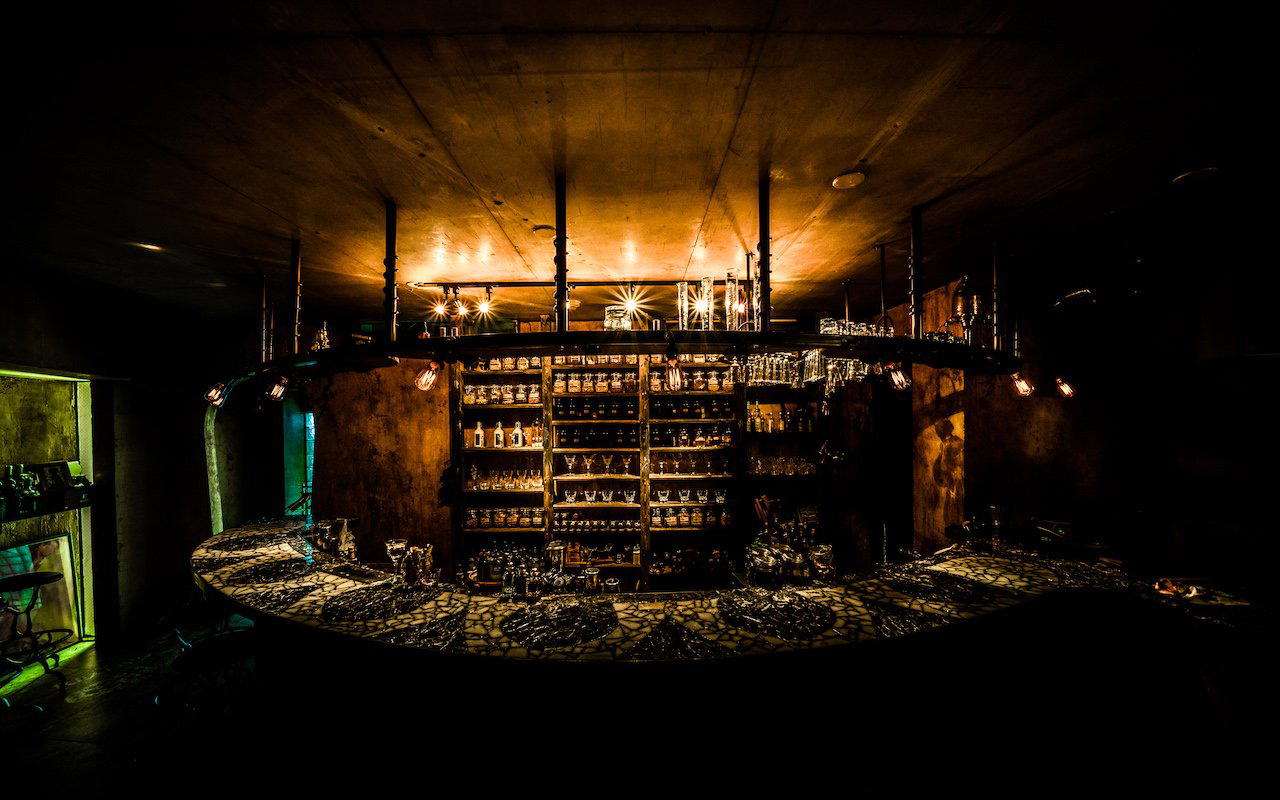


Hotels in Osaka
Browse all →



Wineries in Osaka
Browse all →
At a Glance
- Cozy
- Lively
- Intimate
- Elegant
- After Work
- Casual Hangout
- Solo
- Family
- Date Night
- Chefs Counter
- Open Kitchen
- Standalone
- Sake Program
- Beer Program
Current opening hours
- Monday
- 6–11 PM
- Tuesday
- 6–11 PM
- Wednesday
- 6–11 PM
- Thursday
- 6–11 PM
- Friday
- 6–11 PM
- Saturday
- 6–11 PM
- Sunday
- Closed
Hours can change for holidays and private events. Last verified .
Small, non-smoking house-restaurant with a stylish yet relaxed interior and counter seating around the charcoal grill, creating an intimate, cozy and lively izakaya atmosphere.