
Takine belongs to Kagawa’s serious udon circuit, where low prices and short service windows do not imply casual standards. The Miki, Kita-gun setting points to a local style of eating built around wheat noodles, quick turnover, and practical access rather than ceremony, with Tabelog 100 Udon Kagawa 2024 recognition giving it a clear quality signal.
Pearl is the En Primeur Club membership app — saves, bookings, and concierge access live there. Same editors, same standards.
- Address
- 香川県木田郡三木町大字上高岡266-1
- Phone
- +81878984800
- Website
- tabelog.com
 Saves & bookings on Pearl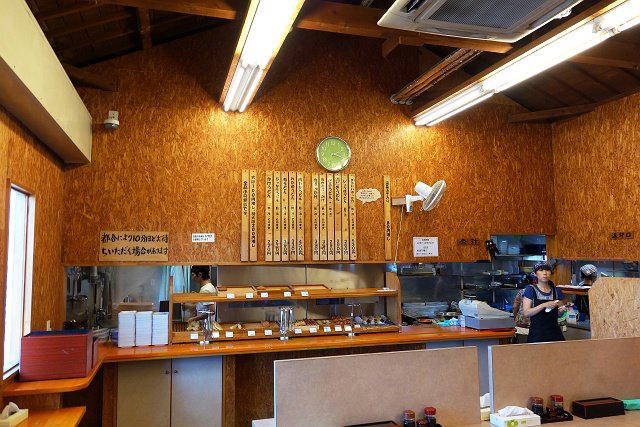
Approaching a Kagawa udon shop outside the dense city grid changes the meal’s rhythm: less dining-room choreography than timing, appetite, and the local expectation that noodles are everyday food and serious regional craft. Takine sits in Miki, Kita-gun, where udon culture functions as infrastructure: houses, roads, parking, families, solo diners, and bowls moving through a room without fuss.
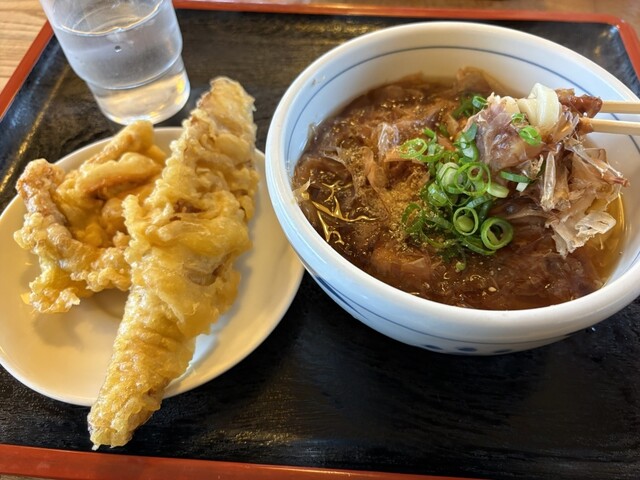
Kagawa’s Sanuki udon tradition rewards directness. Wheat noodles carry the argument; broth, toppings, and service support rather than distract. Selection for Tabelog 100 Udon Kagawa 2024 matters because Kagawa is not a soft udon market; recognition places a restaurant among specialists judged inside the prefecture most closely associated with the form.
Sanuki udon judged in its own territory
Takine is not a luxury destination restaurant, but a Kagawa udon address working within a crowded regional standard. The under JPY 999 price band keeps it aligned with Sanuki udon’s democratic core: fast, affordable, repeatable. In Kagawa, low spend sharpens scrutiny, because diners can compare noodle texture, broth balance, and turnover across multiple shops in one day.
Ingredient sourcing is inseparable from that judgment, even without a published supplier narrative. Udon is ingredient-led by structure: wheat flour, water, salt, and handling determine the noodle before garnish appears. Kagawa’s reputation rests on a narrow margin: elasticity without heaviness, chew without rubberiness, and a bowl that survives speed. Restaurants in this category do not sell complexity; they ask whether fundamentals hold under local repetition.
Takine’s Tabelog score of 3.66 is a signal, but its stronger credential is the 2024 Kagawa udon selection. Tabelog’s regional Hyakumeiten lists differ from broad national rankings, tending to reward genre fluency, local consistency, and command inside a cuisine rather than ceremony. For readers mapping Kita-gun, that makes the address more useful than a generic sightseeing meal: a marker of local noodle standards in 2026.
The Kita-gun comparison is practical. Tada Seimensho occupies the same low-price udon bracket, making the area viable for travelers who want to understand Sanuki udon through contrast rather than one bowl. The smarter itinerary treats these shops as regional grammar: modest rooms, compressed service, and noodles over dining-room performance.
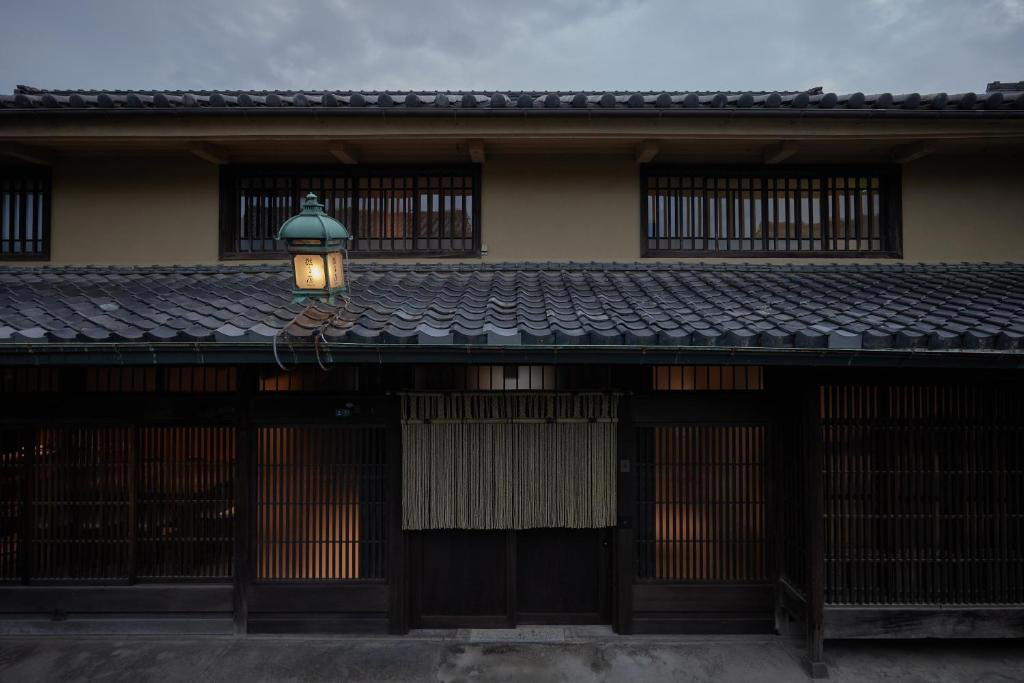
A house-style room, counter seats, tatami, and local traffic
The room format explains how udon is used in Miki. Counter seating supports solo diners and quick lunch; tatami seating works for families and small groups. That duality is common in regional Japan but especially important in Kagawa udon culture, where a respected shop must serve regular life as well as visiting noodle obsessives. Takine is listed as family friendly, solo dining friendly, and suitable for friends, which describes the category better than decoration.
House-restaurant setting also matters. Urban diners sometimes mistake rural or suburban informality for looseness, but Kagawa udon shops often run on tight internal discipline: limited hours, early demand, and production ending when the day’s noodles are gone. Freshness and turnover become part of the experience. Reservations are unavailable, so the decision is not securing a table but arriving within the useful part of the day.
Service runs Tuesday through Sunday from late morning into mid-afternoon, with Monday closure and a sold-out condition attached to the day’s udon. Treat it as a lunch target, not a flexible evening fallback. Parking is available, and the nearest station is Shirayama, but the setting favors travelers moving through Kagawa by car. Payment is cash-led in practice: credit cards, electronic money, and QR payments are not accepted.
The address sits around Miki’s local road network rather than a tourist corridor. A bowl here is not framed by nightlife, hotel density, or a grand commercial district; it belongs to Kita-gun’s daily geography. Under JPY 999 keeps the experience tied to ordinary local eating, even with award recognition attached.
How to place it in a wider Kita-gun itinerary
For a food-focused day, Takine works well as one stop in a Kagawa udon comparison, not a long-form tasting meal. Pair it with another Kita-gun noodle shop, because differences in noodle handling and service rhythm become clearer when the category stays constant. The region rewards that study. One bowl can satisfy; two or three carefully spaced stops explain why Sanuki udon has such a precise local following.
The wider EP Club map helps separate food planning from travel logistics. For local dining context, use our full Kita-gun restaurants guide. Overnight planning sits in our full Kita-gun hotels guide, while drinks, producers, and activities belong in our full Kita-gun bars guide, our full Kita-gun wineries guide, and our full Kita-gun experiences guide. The point is not to overbuild a simple udon meal, but to avoid treating Kita-gun as a pass-through when its noodle culture gives the area reason to pause.
Readers comparing Japanese dining formats beyond Kagawa can use the contrast. A sukiyaki room such as -Grilled beef Sukiyaki- KAMAKURA TANUKIAN 鎌倉 たぬき庵 in Kamakura occupies a different register of beef, heat, and pacing. Tokyo casual dining, including . 鮪と炭火焼き うお炭 秋葉原店 in Tokyo, shows how dense-city formats use specialization differently. Cafes and small restaurants such as .cafe in Osaka.know in Kumamoto, and (Shoku) Vietnam in Kawasaki frame how price, category, and neighborhood expectation shift across Japan.
Other comparisons are more about genre than geography. [Curry Senmon Ten] Maruyama Kyoju. in Sapporo shows the pull of a single-dish specialist outside the noodle world, while [ki:] in Kyoto sits in a city where culinary identity is often read through restraint and season. Meat-led and casual formats such as #肉といえば松田 奈良本店 in Kashihara, 1/3 HAMBURGER FACTORY in Kanazawa, and 1000 in Yokohama underline the same lesson: casual price does not erase editorial interest when the format is specific.
Even outside Japan, the comparison holds. Jōdo Saké Bar in Los Angeles and Onigiri Time in Pasadena show how Japanese food categories travel and change once separated from local supply chains and daily habits. Takine’s appeal is the opposite: rooted where the category is judged hardest, at a price that keeps the stakes refreshingly plain.
Comparison Snapshot
Comparable venues by cuisine and price in the same metro.
| Venue | Cuisine | Price | Notes |
|---|---|---|---|
| TakineThis venue — the venue you are viewing | Traditional Kagawa Udon Shop | $ | Not listed |
| Tada Seimensho | Sanuki udon and soba noodle shop | $ | Kita-gun |
| レストハウス寺子屋 | Japanese Mountain Comfort Food | $ | 山ノ内町 |
| Drive-in Ippei (ドライブイン一平) | Japanese Curry & Tonkatsu Diner | $ | 小城市 |
| Sukesama (ぎょうざ処 亮昌) | Kyoto Gyoza Specialist | $ | Gion |
| Yayoi (やよい軒 筑紫口店) | Japanese Teishoku | $ | Hakata |
Recognition history
Dated appearances from independent guides and award organizations, with the underlying list record or original source where available.
Tabelog 100 #49 · No. 49
Tabelog · Tabelog 100 - Udon - KAGAWA - 2024
Continue exploring
More in Kita-gun
Restaurants in Kita-gun
Browse all →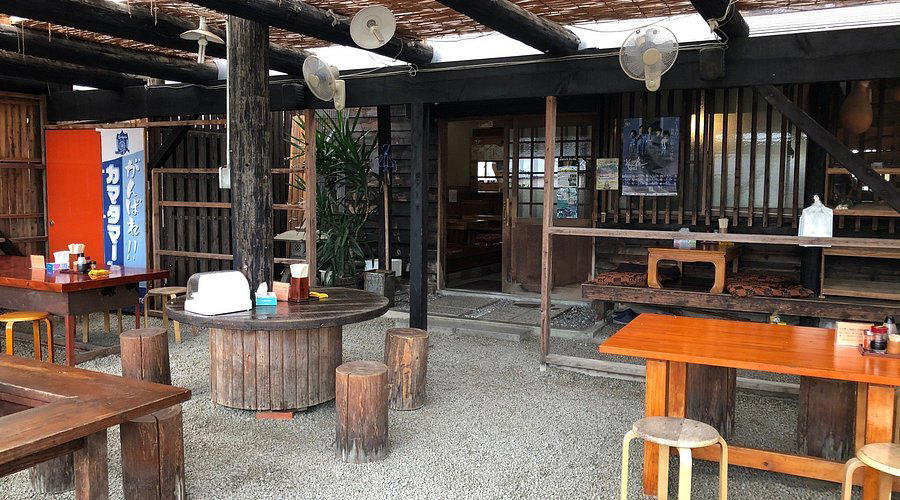
At a Glance
- Classic
- Lively
- Cozy
- Solo
- Family
- Casual Hangout
- Group Dining
- Standalone
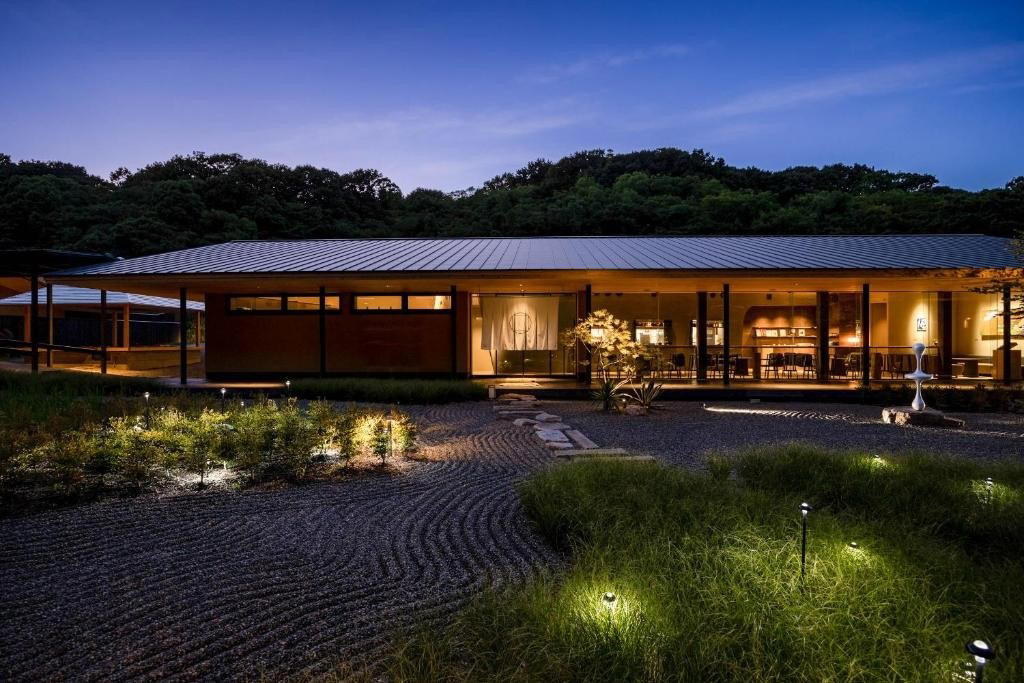
Casual and bustling house-style udon restaurant with counter and tatami seating, a family-friendly atmosphere, and a focus on quick, no-frills dining while guests enjoy freshly made noodles.