Takêdo
Takêdo sits in Porto Alegre's Bela Vista neighbourhood, where a broader shift toward technique-driven cooking is reshaping how the city's restaurants engage with Brazilian ingredients. The address on Rua Carvalho Monteiro places it within reach of the neighbourhood's established dining circuit, making it a reference point for how global culinary methods translate onto a distinctly southern Brazilian table.
Pearl is the En Primeur Club membership app — saves, bookings, and concierge access live there. Same editors, same standards.
- Address
- R. Carvalho Monteiro, 397 - Bela Vista, Porto Alegre - RS, 90470-100, Brazil
- Phone
- +555133885097
- Website
- takedo.com.br
- Directions
- Get directions
 Saves & bookings on Pearl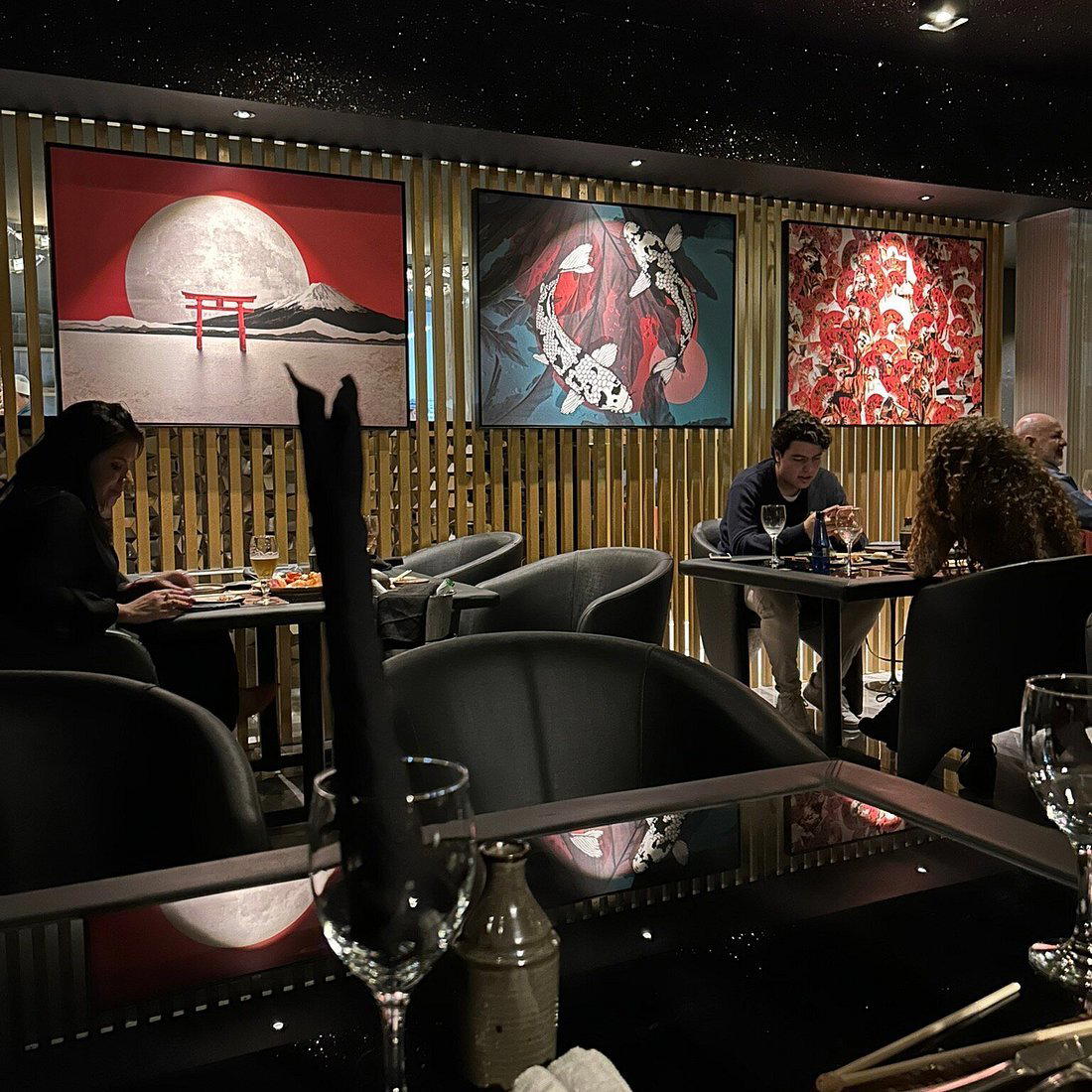
Where Bela Vista's Dining Ambitions Take Shape
Porto Alegre's Bela Vista district has, over the past decade, quietly assembled one of the city's more concentrated clusters of serious restaurants. The neighbourhood sits at a remove from the tourist-facing centro, which means its dining scene answers to a local clientele with specific expectations: technical competence, ingredient honesty, and a format that treats the table as a destination rather than a convenience stop. Takêdo, at Rua Carvalho Monteiro 397, sits within that context. Arriving from the street, the address reads as residential-scale, consistent with Bela Vista's pattern of converting domestic-proportioned buildings into focused dining rooms. That physical intimacy shapes how the cooking registers: when a room is small, the gap between kitchen and table compresses, and a dish either justifies itself or it doesn't.
The Editorial Frame: Local Ingredients, Global Technique
One consequential shift in Brazilian fine dining over the past fifteen years has been the arrival of a generation trained in European kitchens, in Japanese technique, and in fermentation disciplines that moved from Copenhagen outward, who then returned and put those methods to work on products that were always available but rarely treated with that level of rigour. Restaurants like D.O.M. in São Paulo and Lasai in Rio de Janeiro made the argument at the summit of the market. In Porto Alegre, the same logic operates at a different register: the city's geography, bordering Argentina and Uruguay and sitting inside a state with strong German and Italian settler culture, means the ingredient pool is already complex before any kitchen begins to work with it.
Gaúcho cuisine carries grass-fed beef, churrasco tradition, colonial-era preserved meats, and subtropical produce into the conversation alongside Amazonian inputs. The more interesting restaurants in the city are those that apply imported technique, whether French brigade structure, Japanese knife discipline, or modernist temperature control, to that specific, regionally determined larder. Takêdo operates in that current. The name itself signals a hybrid orientation, a construction that doesn't resolve neatly into either Portuguese or any single immigrant cuisine tradition, which is itself an editorial statement about where the cooking sits.
Porto Alegre's Broader Dining Positioning
Understanding Takêdo requires placing it inside Porto Alegre's dining distribution. The city has a well-established Italian-heritage track, running through cantina-format restaurants like Cantina Pastasciutta Boulevard Laçador and pasta-centred houses drawing on the colonial communities of the Serra Gaúcha. It has a bistro tier, represented by addresses like Iaiá Bistrô and Le Bateau Ivre, where the French bistro template has been adapted for a South American dining rhythm. And it has a drinks-forward tier anchored by bars such as Capone Drinkeria. What it has in smaller supply is the format that sits between bistro comfort and tasting-menu formality: restaurants where technique is serious but the setting doesn't require a ceremonial posture. That mid-tier is where one active development is happening, and it is where Takêdo's Bela Vista address positions it.
For comparison within the broader Brazilian context, kitchens applying international technique to local product can be found across the country's secondary cities, from Bistro Fitz Carraldo in Manaus, where Amazonian proximity shapes the larder directly, to smaller-market operators like Cantina Pozzobon in Santa Maria working a regional Italian-Brazilian synthesis. The pattern is national, but the specific ingredient vocabulary shifts by geography. In Porto Alegre, beef and the churrasco tradition remain the gravitational centre even as kitchens push at the edges of what surrounds it.
The Seasonal Argument for Visiting Now
Porto Alegre's dining scene is at an active inflection point. Southern Brazil's winter, running from June through August, concentrates local dining culture: the city turns inward, churrasco moves from outdoor grill to indoor hearth formats, and restaurants that operate on a reservation basis find their most consistent clientele during cooler months. For a restaurant operating in a technique-oriented register, winter service tends to produce tighter, more focused cooking, while the room dynamic shifts from the loose, warm-weather traffic of December and January. The practical implication: if Takêdo is on your Porto Alegre list, the April-to-August window offers the version of this kind of restaurant that performs closest to its editorial identity.
Placing Takêdo in a Global comparable set
The technique-over-territory model that Takêdo represents has international parallels that help locate it in a wider frame. At the high end of that conversation, Le Bernardin in New York City built its reputation on French classical discipline applied with absolute precision, while Atomix in New York City demonstrates how Korean culinary tradition can be re-expressed through fine-dining architecture without losing its essential identity. The question Porto Alegre kitchens are answering is a version of the same: what happens when the discipline is imported and the identity stays local? Koh Pee Pee approaches this from a Southeast Asian angle within the Porto Alegre market, working imported flavour frameworks into a local dining context. Each of these addresses answers the same question differently; the interest is in the variation.
Planning Your Visit
Takêdo is located at Rua Carvalho Monteiro 397 in the Bela Vista neighbourhood of Porto Alegre, RS, postcode 90470-100. Bela Vista sits within comfortable reach of Porto Alegre's main hotel corridors, accessible by taxi or rideshare from the centre in under fifteen minutes depending on traffic. Because reservations are recommended, the practical approach is to check availability directly or through your hotel concierge. For restaurants in this format and neighbourhood positioning, advance contact is advisable on weekends and during the winter dining season when local demand is highest.
Aero Burguer e Grill in Santa Cruz do Sul, Casa da Dika Restô e Eventos in Bragança, Casa da Flor Restaurante in Dourados, Casa da Picanha Penedo in Itatiaia, Arte e Café Imperial Matriz in Angra dos Reis, and Famosa Pizza in Ribeirão Preto each represent a distinct regional register worth mapping against the Porto Alegre experience.
Peers in This Market
Comparable venues nearby, for context on price, style, and recognition.
| Venue | Cuisine | Price | Notes |
|---|---|---|---|
| TakêdoThis venue — the venue you are viewing | Modern Japanese Fusion | $$$ | Not listed |
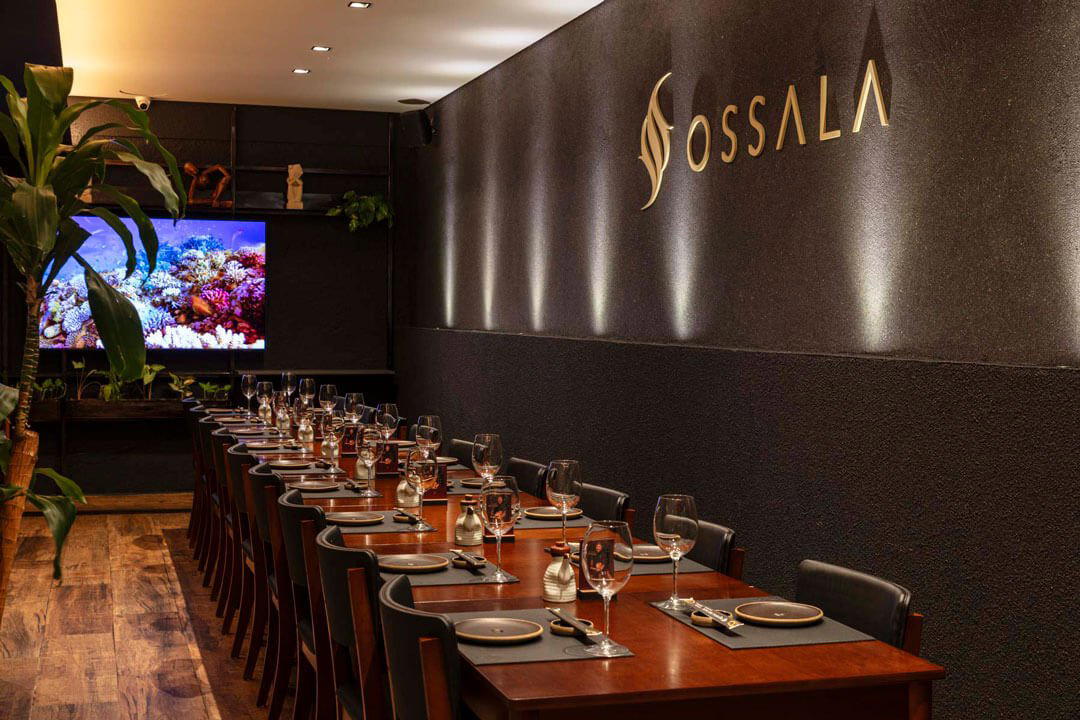
| Ossala | Modern Japanese Sushi and Seafood | $$$ | Três Figueiras |
| Restaurante Vivenda Portuguesa | Authentic Portuguese Seafood | $$$ | Floresta |
| Parma d'Oro - Centro Histórico | Traditional Italian Pizza | $$ | Centro Histórico |
| Le Bateau Ivre | Classic French Bistro | $$$ | Praia de Belas |
| NB Steak Ramiro Barcelos | Modern Brazilian Churrascaria | $$$$ | Floresta |
Continue exploring
More in Porto Alegre
Restaurants in Porto Alegre
Browse all →
Bars in Porto Alegre
Browse all →
At a Glance
- Modern
- Elegant
- Sophisticated
- Date Night
- Family
- Celebration
- Open Kitchen
Current opening hours
- Monday
- 6:30–11:30 PM
- Tuesday
- 6:30–11:30 PM
- Wednesday
- 6:30–11:30 PM
- Thursday
- 6:30–11:30 PM
- Friday
- 6:30–11:30 PM
- Saturday
- 6:30–11:30 PM
- Sunday
- 6:30–11:30 PM
Hours can change for holidays and private events. Last verified .
Immaculate and pleasant environment with ambient music, described as chic, trendy, and beautiful by guests.