Parma d'Oro Pizzaria
Our verdict
On a side street in Porto Alegre's Centro Histórico, Parma d'Oro draws a repeat crowd that knows what it wants and comes back for it. The address on Rua General Vasco Alves places it squarely in the working heart of the city, where lunch counters and long-standing trattorias share the same blocks. It is the kind of place that regulars defend quietly, without needing to explain why.

Pearl is the En Primeur Club membership app, where members save venues, book tables and use the concierge.
The menu
What to order
- Pizza Mais Top de Poa
- Lombo Com Abacaxi
What the Regulars Already Know
In Porto Alegre's Centro Histórico, the restaurants that survive the longest are rarely the ones chasing attention. The neighbourhood runs on a different clock: government workers, traders, students, and the occasional journalist moving through blocks of Eclectic and Modernist architecture that have absorbed a century of daily life. Rua General Vasco Alves, where Parma d'Oro sits at number 211, is exactly that kind of street, functional, unglamorous, and threaded through with places that earn loyalty one visit at a time. The name itself signals a lineage: Parma, the northern Italian city synonymous with cured meats and long pasta traditions, transposed into a southern Brazilian context where Italian immigration has shaped the food culture for generations.
Porto Alegre occupies an interesting position in Brazil's dining conversation. Cities like São Paulo command the critical spotlight, places like D.O.M. in São Paulo set the national benchmark for contemporary Brazilian cooking, and Rio has its own prestige tier, with restaurants like Lasai in Rio de Janeiro drawing international attention. Porto Alegre operates differently. Its strongest restaurants tend to build local devotion rather than national press cycles, and its Italian-descended dining tradition runs deeper than most visitors expect. The gaúcho south was shaped by waves of immigration from Veneto, Lombardy, and the Emilia-Romagna region across the nineteenth and early twentieth centuries, and that inheritance is visible in the city's cantinas, trattorias, and neighbourhood pasta houses in a way that feels less curated than in larger cities.
A Neighbourhood Built on Return Visits
The Centro Histórico is Porto Alegre at its most workaday. This is not the polished restaurant corridor of Moinhos de Vento or the weekend-crowd energy of Bom Fim. Lunch here is a practical meal with a social undertone, and the restaurants that thrive tend to be the ones where the staff knows what you drink before you sit down. That dynamic, the unwritten menu, the table that is understood to be yours on a Tuesday, is what defines the regulars' relationship with a place like Parma d'Oro.
That pattern repeats across Porto Alegre's Centro. The city has a long tradition of Italian-style cantinas that operate as neighbourhood anchors rather than destination restaurants. Cantina Pastasciutta Boulevard Laçador is another example of that tradition holding, a place where the format is consistent and the crowd is known. What distinguishes these spaces from trendier options elsewhere in the city is precisely their refusal to evolve for the sake of it. The menu exists to deliver what the regulars expect, and the regulars exist to fill the room before a tourist ever books a table.
For those exploring Porto Alegre's broader dining range, Iaiá Bistrô and Le Bateau Ivre represent different registers of the city's French-inflected bistro tradition, while Koh Pee Pee and Capone Drinkeria address the city's more recent appetite for casual international formats. Parma d'Oro occupies none of those spaces.
The Italian Tradition in Southern Brazil
Understanding Parma d'Oro means understanding how Italian food functions in Rio Grande do Sul. This is not an imported cuisine operating at arm's length from its source, it is a regional tradition with its own grammar. The descendants of Venetian and Lombard settlers adapted their cooking to what the south of Brazil offered: local cuts of meat, different grains, the proximity to Argentina's cattle-ranching culture. The result is a hybrid that feels neither purely Italian nor purely Brazilian but is entirely gaúcho. Pasta dishes here carry the weight of family memory for many diners, not restaurant novelty.
That context explains the loyalty pattern. When a regular returns to Parma d'Oro, they are often returning to something that connects to a broader food culture they grew up inside. The name, Parma d'Oro, golden Parma, invokes that northern Italian prestige without the formality of a white-tablecloth setting. It is aspirational in a vernacular sense, the kind of name a first-generation Italian-Brazilian family might have chosen to signal quality without pretension.
Across Brazil, this kind of mid-range Italian cantina tradition exists in pockets. Cantina Pozzobon in Santa Maria, further into Rio Grande do Sul's interior, represents the same lineage in a different city. The format travels because the community does: wherever Italian-Brazilian families settled in significant numbers, the cantina followed.
Placing the Visit
For a visitor to Porto Alegre, the Centro Histórico rewards the kind of walking that has a loose itinerary. The area around Rua General Vasco Alves is accessible from the city's central bus terminals and within reasonable distance of landmarks including the Mercado Público, which remains the civic and culinary centre of the old city. Lunch is the primary moment here, the neighbourhood empties noticeably in the evenings as workers return to their residential bairros, which means the energy that defines a place like Parma d'Oro is concentrated in the midday hours.
The address at R. Gen. Vasco Alves, 211 is the reliable anchor. Given the neighbourhood pattern, walk-in availability at lunch is the most likely format, but confirming directly on arrival or via local directory is advisable. This kind of operational uncertainty is itself characteristic of the Centro Histórico's older cantina tier: these are not restaurants that have optimised their digital presence, because their clientele does not need them to.
Visitors who want a fuller picture of what Porto Alegre's restaurant scene offers across price points and styles should consult our full Porto Alegre restaurants guide, which maps the city's dining character neighbourhood by neighbourhood. For broader regional context, the Italian-cantina tradition in smaller Rio Grande do Sul cities is documented in entries like Cantina Pozzobon in Santa Maria and, further afield, Bistro Fitz Carraldo in Manaus shows how regional restaurant identities form in distinct ways across Brazil's interior cities.
The comparison points matter because Parma d'Oro does not position itself against the ambitious end of Porto Alegre's dining spectrum. It positions itself against the need that regulars have for a table they trust, a different metric entirely, and one that the Centro Histórico has always known how to meet.
Frequently asked questions
What's Parma d'Oro - Centro Histórico's location?
Parma d'Oro - Centro Histórico is located at R. Gen. Vasco Alves, 211 - Centro Histórico, Porto Alegre - RS, 90010-410, Brazil, Porto Alegre.
Is Parma d'Oro - Centro Histórico suitable for a business lunch in Porto Alegre?
The location on Rua General Vasco Alves, 211 places Parma d'Oro within walking distance of Porto Alegre's central commercial district, making it a practical option for a midday meal between appointments. Centro Histórico restaurants of this type typically serve a professional lunch crowd on weekdays, operating at a pace that suits a working schedule rather than a leisurely weekend outing. That said, hours and seating format should be confirmed locally, as no official operating details are currently listed.
What's the signature dish at Parma d'Oro - Centro Histórico?
Expect the kitchen to reflect that lineage rather than a contemporary reinterpretation of it. The address on Rua General Vasco Alves places it firmly in everyday Centro Histórico territory, where the menu tends to serve the returning lunch crowd rather than a tasting-menu circuit.
What's the best way to book Parma d'Oro - Centro Histórico?
No phone number or website is currently listed in public records for Parma d'Oro at Rua General Vasco Alves, 211. Visiting directly or checking current local listings via Google Maps for the Centro Histórico address is the most reliable approach. Restaurants in this neighbourhood typically accommodate walk-ins during service hours, though confirming ahead of a group visit is advisable.
What do critics highlight about Parma d'Oro - Centro Histórico?
What the restaurant's presence in Porto Alegre's Centro Histórico does signal is longevity in a neighbourhood where the customer base is largely professional and local rather than tourist-driven. In that context, sustained operation is itself a form of peer validation.
Do they accommodate allergies at Parma d'Oro - Centro Histórico?
Given the Italian-Brazilian kitchen tradition in Porto Alegre, where pasta, dairy, and wheat are structural to most menus, guests with coeliac disease or dairy intolerance should confirm options directly before visiting the Rua General Vasco Alves address.
Cuisine Context
Comparable venues nearby, for context on price, style, and recognition.
| Venue | Cuisine | Price | Awards | Notes |
|---|---|---|---|---|
| Parma d'Oro - Centro HistóricoThis venue (the venue you are viewing) | Traditional Italian Pizza | $10–20 | Not listed | Not listed |
| CIAO | Traditional Neapolitan Pizzeria | $20–30 | 50 Top Pizza Latin America #47 | Not listed |
| Le Grand Burger | French-Inspired Gourmet Burgers | $10–20 | Not listed | Moinhos de Vento |
| Le Bateau Ivre | Classic French Bistro | $50–100 | Not listed | Praia de Belas |
| Iaiá Bistrô | Regional Brazilian Bistro | $20–30 | Not listed | Vila Assunção |
| Cantina Pastasciutta Boulevard Laçador | Genuine Italian Pasta House | Not listed | Not listed | São João |
Continue exploring
More in Porto Alegre
Restaurants in Porto Alegre
All restaurants in Porto Alegre →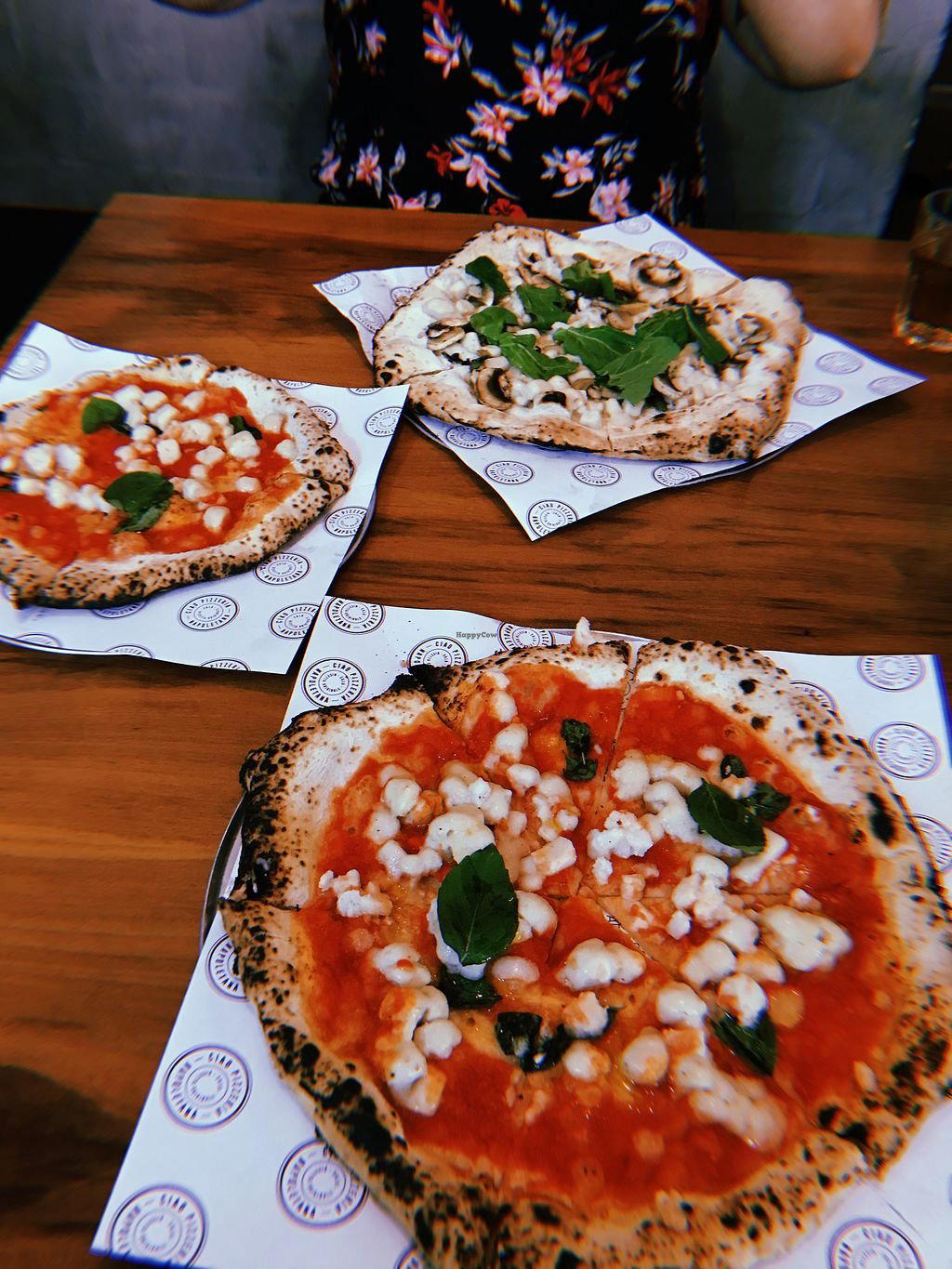
Bars in Porto Alegre
All bars in Porto Alegre →
Details
- Casual
- Classic
- Casual Hangout
- After Work
- A La Carte
Current opening hours
- Monday
- Closed
- Tuesday
- 6–11:30 PM
- Wednesday
- 6–11:30 PM
- Thursday
- 6–11:30 PM
- Friday
- 6–11:30 PM
- Saturday
- 6–11:30 PM
- Sunday
- 6–11:30 PM
Hours can change for holidays and private events. Hours as of .
Casual neighborhood pizzeria atmosphere with delivery and counter service focus.