Restaurante Vivenda Portuguesa
Our verdict
Restaurante Vivenda Portuguesa occupies a address on Rua Visconde do Rio Branco in Porto Alegre's Floresta neighbourhood, where the city's tradition of European immigrant dining runs deep. The house format suggests a table-service experience rooted in Portuguese culinary conventions, positioning it within a local scene that prizes long meals, shared dishes, and wine-forward hospitality. Advance contact is advisable before visiting.

Pearl is the En Primeur Club membership app, where members save venues, book tables and use the concierge.
The menu
What to order
- Bacalhau à Brás
- Cataplana
- Paella
Floresta and the Portuguese Table: A Dining Tradition in Context
Porto Alegre's relationship with Portuguese cooking is not decorative. The city's Gaucho identity sits at the intersection of Iberian, Italian, and Indigenous influences, and the Floresta neighbourhood carries that layering more visibly than most. Rua Visconde do Rio Branco, where Restaurante Vivenda Portuguesa holds its address at number 721, runs through a district where early twentieth-century European immigration left a built environment and a culinary sensibility that persist in the area's dining rooms. The Portuguese table tradition it draws from is one of the most structurally conservative in European-derived cooking: long meals, wine served with generosity, and a sequenced approach to eating where the progression from opener to main to dessert is treated as non-negotiable ritual rather than optional format.
That sequencing matters when reading a venue like this one. In cities such as São Paulo or Rio de Janeiro, the Portuguese restaurant category has bifurcated sharply between high-concept rooms that reframe the cuisine through contemporary technique (see D.O.M. in São Paulo or Lasai in Rio de Janeiro for how that registers at the top of the Brazilian dining hierarchy) and neighbourhood institutions where the format remains deliberately unchanged. Porto Alegre's mid-tier dining operates closer to the second model. The emphasis falls on familiarity, portion weight, and a cooking register that rewards the diner who arrives hungry and unhurried.
Reading the Meal: How the Progression Works Here
The editorial angle on a house like Vivenda Portuguesa is leading understood through the arc of a meal rather than any single dish. Portuguese-derived cooking in the southern Brazilian context tends to open with cured and preserved items, olives, and bread-based starts that signal the kitchen's orientation toward patience. The middle of the meal is where the tradition shows its depth: bacalhau preparations, slow-cooked meats, and the kind of rice-forward side architecture that Portuguese cooking inherited from centuries of colonial trade routes. Dessert in this register leans on egg-yolk sweets and custard formats that trace directly back to Lisbon's pastry conventions.
Porto Alegre's dining scene occupies an interesting position within Brazil's restaurant geography. It lacks the international media attention that São Paulo commands, and it does not trade on the leisure-tourism volume that drives Rio's hospitality sector. What it has instead is a deeply local clientele with strong opinions about food, a Gaucho tradition of long social meals, and a European immigrant heritage that has kept Italian and Portuguese cooking formats alive in forms that feel less like nostalgia and more like ongoing practice. Venues in Floresta sit within that context, serving regulars who have strong points of reference for what the food should taste and feel like.
For comparison within Porto Alegre's broader dining range, the city offers European-leaning tables at several registers. Le Bateau Ivre operates in a French bistro idiom on the more formal end of the local spectrum, while Iaiá Bistrô sits in the neighbourhood bistro tier with a more casual approach to European-influenced cooking. Cantina Pastasciutta Boulevard Laçador represents the Italian immigrant strand of the same culinary inheritance. Vivenda Portuguesa operates within this same broad tradition of European-derived, table-service dining that the city sustains with more conviction than most Brazilian capitals.
The Floresta Address and What It Signals
Location in Porto Alegre's dining scene carries meaning. The Floresta neighbourhood sits north of the city centre and functions as one of the areas where older residential dining culture has survived the commercial pressures that transformed closer-in districts. A restaurant holding an address on Rua Visconde do Rio Branco at number 721 is positioned within a neighbourhood that still supports the kind of long-lunch and weekend-dinner culture that Portuguese cooking formats were built around. This is not a tourism-facing address, which in the Porto Alegre context is a signal worth noting: venues in Floresta tend to orient toward repeat local custom rather than pass-through visitors.
That orientation shapes everything from wine list construction (likely weighted toward Portuguese and Argentine labels familiar to regulars) to service pace (calibrated for unhurried meals rather than rapid table turns). For diners accustomed to the compressed formats of contemporary dining rooms, the Portuguese house format in this setting asks for a different commitment of time. Arriving expecting a ninety-minute experience and leaving three hours later is not a failure of planning, it is the format working as intended.
Porto Alegre's broader restaurant range extends well beyond European-derived cooking. Koh Pee Pee represents the city's Asian-influenced dining, and Capone Drinkeria anchors the bar and drinks end of the local scene. For anyone building a fuller picture of where Porto Alegre's dining sits nationally, our full Porto Alegre restaurants guide maps the range across cuisines and price tiers. Elsewhere in Brazil, regional dining traditions hold their own distinct logic: Bistro Fitz Carraldo in Manaus, Cantina Pozzobon in Santa Maria, and Casa da Flor Restaurante in Dourados each reflect how strongly local context shapes what European-influenced cooking looks like across the country's different regions.
Planning a Visit
The Floresta address at Rua Visconde do Rio Branco, 721 is the confirmed location. For weekend lunches and Friday evenings, which tend to be the peak periods for this style of Portuguese house dining in Porto Alegre, advance confirmation is advisable rather than assuming walk-in availability. The format of the cuisine and the neighbourhood dining culture both suggest that tables are not turned rapidly, so arriving without a reservation on a busy service risks a long wait or no seat at all.
For reference points across Brazil's wider dining range, venues such as Aero Burguer e Grill in Santa Cruz Do Sul, Casa da Picanha Penedo in Itatiaia, Famosa Pizza in Ribeirao Preto, Arte e café Imperial in Angra Dos Reis, and Casa da Dika Restô e Eventos in Braganca illustrate how differently regional dining formats develop across Brazil's geography. At the international end of the dining spectrum, Le Bernardin in New York City and Atomix in New York City represent what the tasting-progression format looks like when applied at the highest levels of investment and technique, a useful contrast for understanding where the neighbourhood Portuguese house sits in the broader global dining conversation.
Frequently asked questions
Where is Restaurante Vivenda Portuguesa located?
Restaurante Vivenda Portuguesa is located at Rua Visconde do Rio Branco, 721 - Floresta, Porto Alegre - RS, 90220-231, Brazil, Porto Alegre.
How does Restaurante Vivenda Portuguesa fit into Porto Alegre's broader Portuguese-influenced dining scene?
Porto Alegre carries a stronger Iberian culinary thread than most Brazilian state capitals, a legacy of immigration patterns that shaped Rio Grande do Sul's food culture over generations. Vivenda Portuguesa, located in the Floresta neighbourhood at Rua Visconde do Rio Branco, 721, operates within that established tradition rather than as a novelty concept. The Floresta address places it among independently run restaurants that serve neighbourhood regulars alongside visitors looking for a meal grounded in place rather than trend.
What's the best thing to order at Restaurante Vivenda Portuguesa?
What the Floresta address and Portuguese-derived concept suggest is a kitchen built around Iberian staples: bacalhau preparations, slow-cooked meats, and dishes that reflect Porto Alegre's layered Iberian and Gaucho food culture. check the venue's official channels for current menu details before visiting.
Do they take walk-ins at Restaurante Vivenda Portuguesa?
Booking policy for Vivenda Portuguesa has not been confirmed in current editorial data. The restaurant is located at Rua Visconde do Rio Branco, 721 in Floresta, Porto Alegre, and reaching out to the venue ahead of your visit is the practical approach to confirm availability and hours.
What makes Restaurante Vivenda Portuguesa worth seeking out?
Porto Alegre's relationship with Portuguese cooking runs deeper than most Brazilian cities, shaped by Iberian settlement patterns that left a genuine culinary imprint on Rio Grande do Sul. Vivenda Portuguesa sits in the Floresta neighbourhood, one of the areas north of the city centre where independent dining with a regional identity has taken root. That combination of address and concept positions it within a tradition rather than alongside trend-driven openings.
Can Restaurante Vivenda Portuguesa adjust for dietary needs?
Portuguese cooking traditions do rely heavily on seafood and meat, so guests with dietary restrictions should contact the restaurant at Rua Visconde do Rio Branco, 721 before visiting to confirm what the kitchen can accommodate.
Is Restaurante Vivenda Portuguesa worth the price?
For context, independent Portuguese-style restaurants in Porto Alegre's Floresta district generally occupy the mid-range tier of the city's dining market. Contacting the venue directly will give you the clearest picture of current pricing before you commit to a visit.
Recognition, Side-by-Side
Comparable venues nearby, for context on price, style, and recognition.
| Venue | Cuisine | Price | Awards | Notes |
|---|---|---|---|---|
| Restaurante Vivenda PortuguesaThis venue (the venue you are viewing) | Authentic Portuguese Seafood | Not listed | Not listed | Not listed |
| Le Grand Burger | French-Inspired Gourmet Burgers | $10–20 | Not listed | Moinhos de Vento |
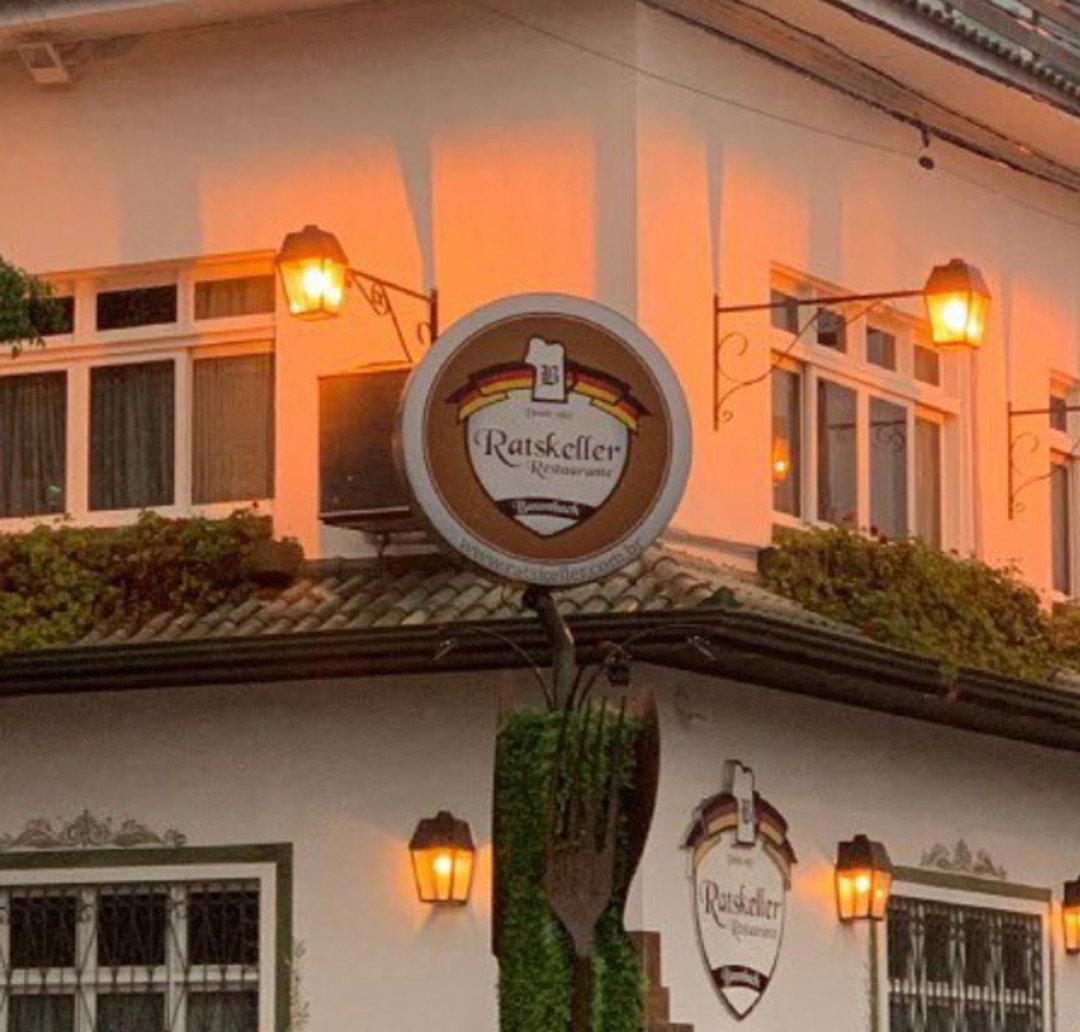
| Ratskeller Restaurante | Traditional German | $20–30 | Not listed | São Geraldo |
| CIAO | Traditional Neapolitan Pizzeria | $20–30 | 50 Top Pizza Latin America #47 | Not listed |
| Koh Pee Pee | Traditional Thai | $30–50 | Not listed | Rio Branco |
| Le Bistrot Gourmet | Contemporary International Bistro | Not listed | Not listed | Boa Vista |
Continue exploring
More in Porto Alegre
Restaurants in Porto Alegre
All restaurants in Porto Alegre →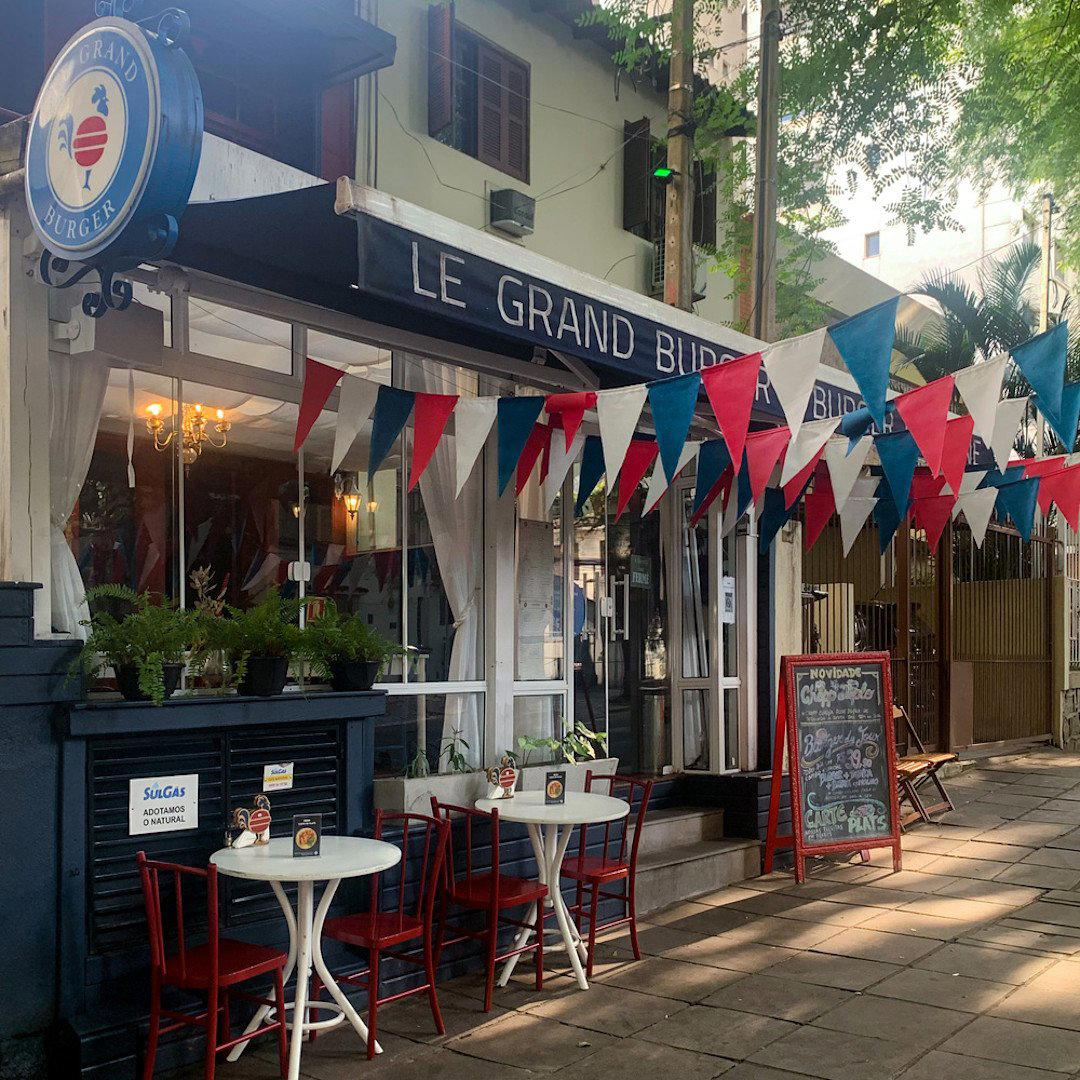
Bars in Porto Alegre
All bars in Porto Alegre →
Details
- Cozy
- Intimate
- Classic
- Rustic
- Date Night
- Special Occasion
- Family
- Historic Building
- A La Carte
- Family Style
- Gluten Free Options
Current opening hours
- Monday
- Closed
- Tuesday
- 11:30 AM–2:30 PM, 7–10:30 PM
- Wednesday
- 11:30 AM–2:30 PM, 7–10:30 PM
- Thursday
- 11:30 AM–2:30 PM, 7–10:30 PM
- Friday
- 11:30 AM–2:30 PM, 7–10:30 PM
- Saturday
- 11:30 AM–4 PM, 7–10:30 PM
- Sunday
- 11:30 AM–4 PM
Hours can change for holidays and private events. Hours as of .
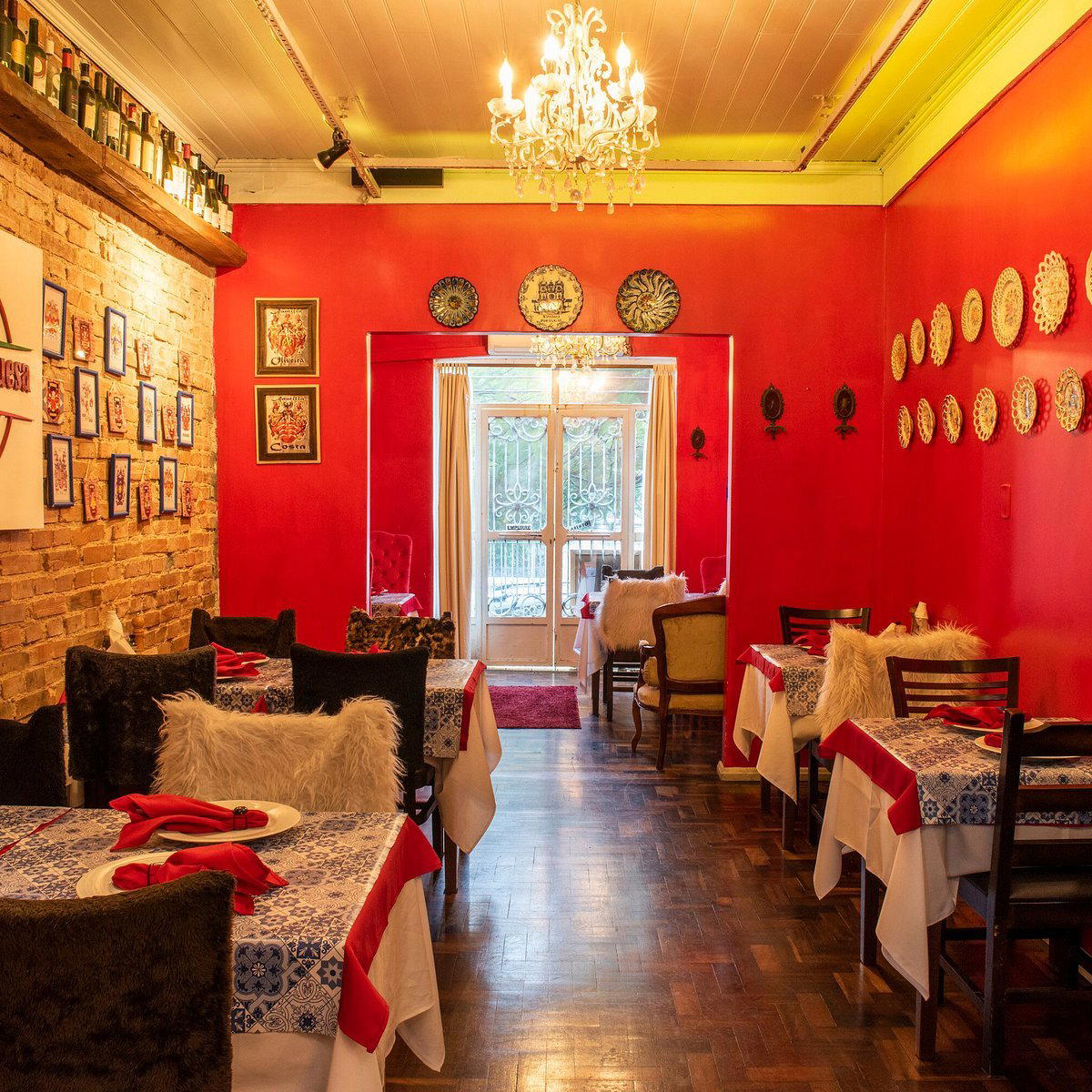
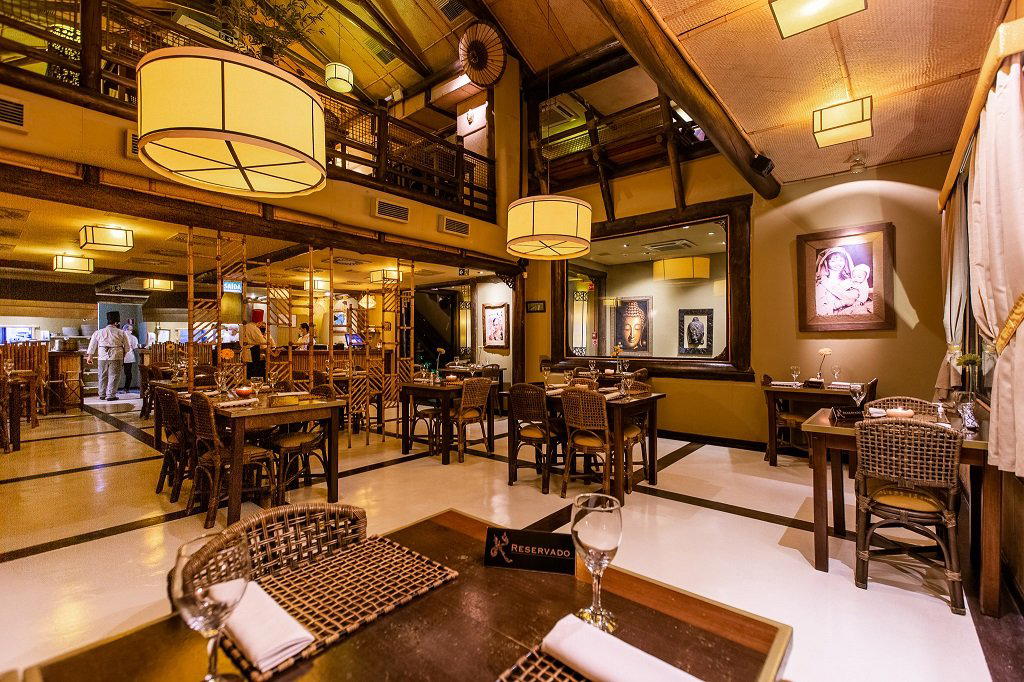
Cozy and welcoming with typical Portuguese decor, intimate atmosphere, and soft lighting that evokes a family home in Portugal.