Taiko
Taiko occupies a third-floor address on San Vicente Boulevard in Brentwood, positioning itself within Los Angeles's most sourcing-conscious tier of fine dining. The restaurant draws on a tradition of ingredient transparency that has reshaped how the city's premium kitchens communicate provenance. For readers building an itinerary around LA's serious dining circuit, Taiko belongs on the shortlist alongside the city's most closely watched counters.
Pearl is the En Primeur Club membership app — saves, bookings, and concierge access live there. Same editors, same standards.
- Address
- 11677 San Vicente Blvd #302, Los Angeles, CA 90049
- Phone
- +13102077782
- Website
- taikolosangeles.com
- Directions
- Get directions
 Saves & bookings on Pearl
Where Brentwood Meets LA's Sourcing-Driven Fine Dining Scene
Los Angeles has been renegotiating what fine dining means for well over a decade, and the argument has increasingly centred on one question: where does the food come from? The city's most closely watched kitchens, from Kato in Culver City to Hayato in the Arts District, have each staked a position on sourcing as a form of culinary argument, not mere marketing. Taiko, located at 11677 San Vicente Blvd in Brentwood's third-floor retail stack, enters that conversation from the west side of the city, a neighbourhood whose restaurant density has historically lagged its residential wealth but has grown more ambitious in recent years.
The address matters as context. San Vicente is Brentwood's main commercial artery, lined with medical offices and wellness studios, and the decision to place a serious restaurant here rather than in the more trafficked corridors of West Hollywood or Downtown signals something deliberate: a preference for a quieter, less performative setting. That choice aligns with a broader pattern visible across American fine dining, think Single Thread Farm in Healdsburg or Blue Hill at Stone Barns in Tarrytown, where location is itself a declaration about the kind of experience the kitchen intends to offer.
The Sourcing Argument in Los Angeles
California's ingredient advantages are structural, not accidental. The state produces roughly half of the United States' fruits, vegetables, and nuts, and its proximity to Pacific fisheries gives kitchens access to seafood supply chains that restaurants in landlocked cities cannot replicate. That advantage has been most visibly exploited at the upper end of the market: Providence on Melrose has built a multi-Michelin-starred reputation around the sustained quality of its seafood sourcing, while Somni operates with a level of ingredient specificity that treats provenance as part of the dish's narrative.
What distinguishes the sourcing-led tier of LA dining from similar claims made elsewhere in the country is the density of the local supply network. Farmers' markets in Santa Monica and Hollywood operate at a scale and frequency that allows restaurant kitchens to maintain relationships with producers week by week rather than through seasonal contracts alone. That rhythm shows up on plates in ways that are difficult to replicate in cities without equivalent infrastructure, something that separates the Los Angeles circuit from comparable fine dining scenes in, say, Chicago (where Alinea has historically prioritised technique over local sourcing) or even San Francisco (where Lazy Bear draws on Northern California's networks in a different register).
The Brentwood West Side Tier
Within Los Angeles, Brentwood occupies a specific competitive position. It is neither the industry-facing dining zone of West Hollywood nor the destination-dining anchor of Downtown. Its clientele skews residential and professional, with expectations shaped by a neighbourhood that has long supported high-quality but rarely adventurous food. The appearance of a restaurant with Taiko's profile on San Vicente represents a recalibration of what the west side will support at the serious end of the market, a shift that mirrors what has happened in other American cities where premium dining has gradually dispersed from its traditional downtown concentration. Addison in San Diego and Bacchanalia in Atlanta both demonstrate that the highest tier of American fine dining need not cluster in a city's most trafficked postcode to sustain a serious audience.
Reading Taiko Against Its LA comparable set
The restaurants that define LA's current fine dining conversation each occupy a distinct lane. Kato works through a New Taiwanese lens that treats diaspora memory as culinary material. Hayato applies a kaiseki structure with granular attention to Japanese seasonal logic. Osteria Mozza operates as the city's benchmark for serious Italian, built around imported and domestic ingredients deployed with confidence. What connects these rooms, despite their differing cuisines and formats, is a commitment to the integrity of what arrives on the plate, a commitment that has become the common language of premium dining in Los Angeles in a way it has not in every American city.
Taiko's position within this tier, on the evidence of its Brentwood address and the general trajectory of west-side dining, places it in conversation with that cohort. The question for any sourcing-led restaurant entering this market is not whether California can supply the ingredients, it can, reliably, at a quality level that remains the envy of kitchens from Le Bernardin in New York City to 8½ Otto e Mezzo Bombana in Hong Kong, but whether the kitchen has the discipline to let those ingredients speak clearly rather than obscure them under technique.
Planning Your Visit
Taiko is located at 11677 San Vicente Blvd, Suite 302, in Brentwood, Los Angeles. The third-floor suite placement means the entrance is not street-level visible, so first-time visitors should allow a moment to locate the building's access point. San Vicente runs as a divided boulevard with a tree-lined median, and the address sits within a mixed-use block that combines professional offices with ground-floor retail. Street parking is available along San Vicente and the adjacent residential streets, and the area is also accessible via the Expo Line with a short rideshare or taxi connection from Bundy Station. As with most serious restaurants in this tier of the LA market, comparable in booking dynamics to The French Laundry in Napa or The Inn at Little Washington in Virginia, advance planning is advisable. Emeril's in New Orleans for regional context on how American fine dining has evolved outside its coastal centres. For readers with a particular interest in the Korean-influenced fine dining tier, Atomix in New York City provides a useful point of comparison for ingredient philosophy and tasting menu structure.
What It’s Closest To
Comparable venues nearby, for context on price, style, and recognition.
| Venue | Cuisine | Price | Notes |
|---|---|---|---|
| TaikoThis venue — the venue you are viewing | Japanese Sushi and Noodles | $$ | Not listed |
| Tsujita Annex | Tokyo-Style Tonkotsu Shoyu Ramen | $$ | Sawtelle |
| Ten Ramen | Japanese Ramen | $$ | Wilshire Center |
| Hide | Traditional Japanese Sushi | $$ | Sawtelle |
| Azai Hand Roll Sushi | Hand Roll Sushi Bar | $$ | Beverly Grove |
| Roji Sushi | Traditional Japanese Sushi | $$ | Los Feliz |
Continue exploring
More in Los Angeles
Restaurants in Los Angeles
Browse all →
Bars in Los Angeles
Browse all →
Hotels in Los Angeles
Browse all →
Wineries in Los Angeles
Browse all →
At a Glance
- Quiet
- Elegant
- Modern
- Family
- Casual Hangout
- Hotel Restaurant
- Sake Program
Current opening hours
- Monday
- 5–9 PM
- Tuesday
- 5–9 PM
- Wednesday
- 5–9 PM
- Thursday
- 5–9 PM
- Friday
- 5–9 PM
- Saturday
- 5–9 PM
- Sunday
- 5–9 PM
Hours can change for holidays and private events. Last verified .
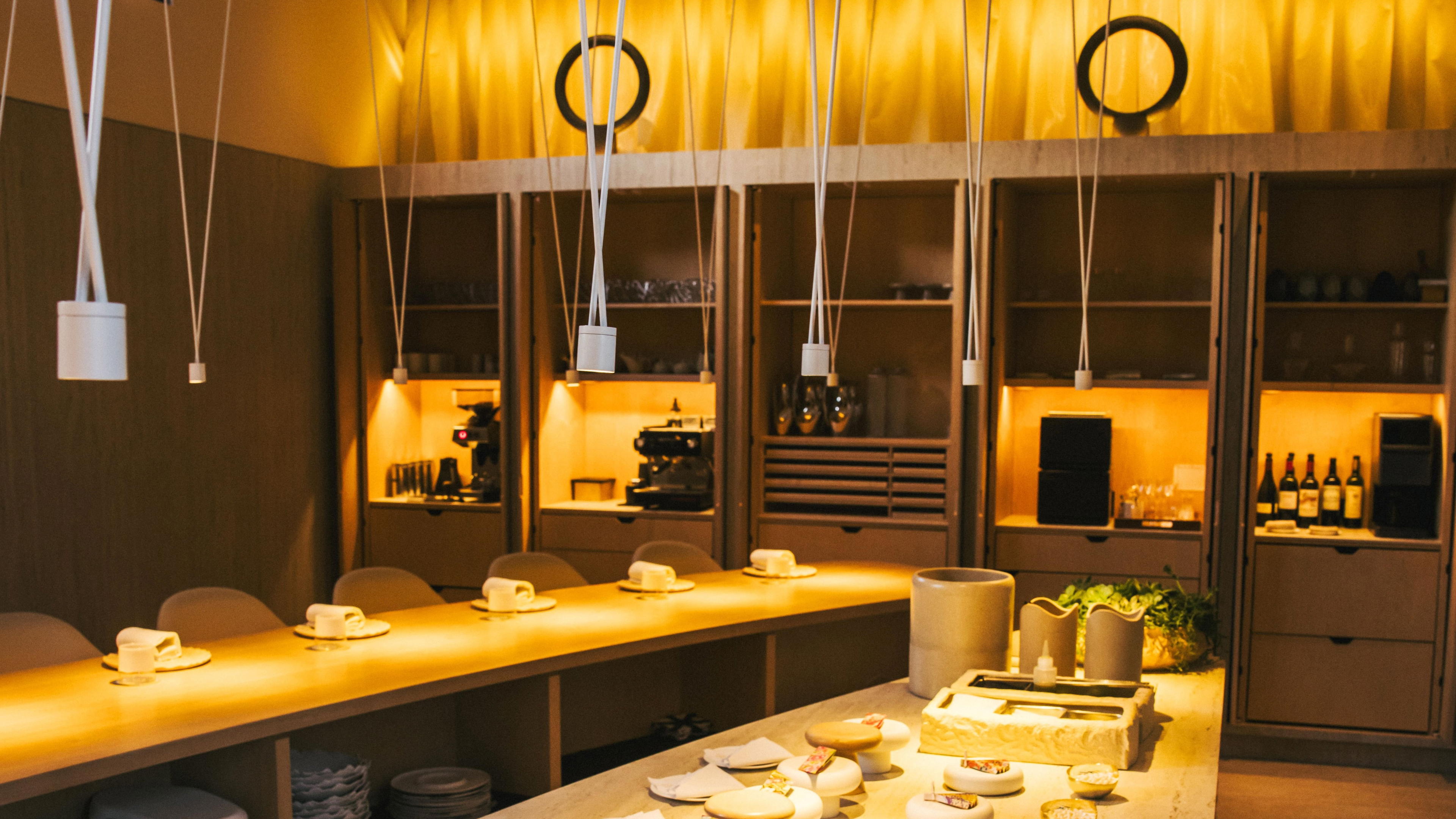
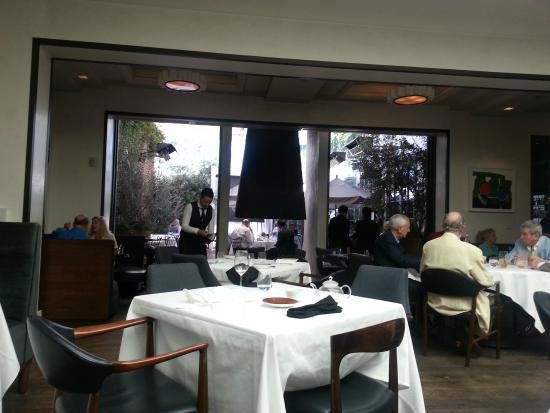
Quiet atmosphere ideal for conversation with a California contemporary setting.